I remember staring at a frayed wire on my old toaster oven, a little spark dancing ominously. My first instinct? Grab the roll of silver tape I always kept handy. It’s that ubiquitous, sticky stuff. But then I paused. Could this heavy-duty, HVAC-grade wonder actually be trusted with live electricity? It’s a question many of us have probably fumbled with when faced with a quick fix. So, let’s cut to the chase: can ductwork tape be used as electrical tape? The short, blunt answer is: NO. Not if you value your appliance, your home, or your fingers.
Look, I’ve been there. The siren song of ‘it’s just a quick fix’ can be powerful. You’ve got a roll of that tough, shiny tape sitting right there, and the proper electrical tape is nowhere to be found. It’s tempting. But trust me, I’ve learned the hard way that some jobs require specific tools, and electrical work is definitely one of them. This isn’t just about aesthetics; it’s about safety and proper function.
Why That Shiny Silver Roll Isn’t Your Electrical Friend
Let’s talk about what duct tape actually is. It’s a marvel of modern adhesive technology, designed to seal, patch, and hold things together in environments that can get messy and rugged – like, you know, heating and cooling systems. It’s got a fabric backing for strength, a rubber-based adhesive that sticks to pretty much anything (and I mean anything, which is part of the problem), and it’s usually water-resistant. That’s all great for keeping your air ducts sealed against drafts or holding a temporary patch on a leaky pipe. But when it comes to electrical wires, it’s a recipe for disappointment, and potentially, disaster.
The biggest issue is insulation. Electrical tape is specifically formulated to insulate wires, preventing the flow of electricity and protecting against short circuits. It’s made from vinyl (PVC), which has excellent dielectric strength – meaning it can withstand a significant electrical voltage before breaking down. Duct tape, on the other hand, has a woven cloth backing and a much cruder adhesive. That cloth backing is not a non-conductor; in fact, it can absorb moisture over time, making it even less effective at preventing electrical current from passing through. The adhesive itself isn’t designed for electrical insulation; it’s designed to stick like glue, which it does, but not in a way that’s safe for electrical applications.
I once tried to insulate a low-voltage garden light wire with duct tape because the proper tape had vanished during a landscaping project. It looked okay for a week. Then, after a light rain, the connection started flickering. A few days later, the whole light went out. When I finally got around to fixing it properly, I found the duct tape had absorbed moisture, started to peel away from the wire, and the connection was corroded. It wasn’t just ineffective; it actively made the situation worse. That’s the kind of surprise you don’t want when you’re dealing with electricity, even low voltage.
What Electrical Tape Actually Does (and Why It Matters)
Okay, so if duct tape is a no-go, what makes electrical tape the real deal? It’s all about those specific properties. Genuine electrical tape, typically made from PVC, is designed with three primary functions in mind: insulation, protection, and flexibility. First and foremost, it’s an insulator. The PVC material has a high dielectric strength, meaning it can prevent electrical current from passing through it. This is most important for preventing shocks and short circuits. Different grades of electrical tape have different voltage ratings, so you can choose what’s appropriate for the job, but even basic vinyl tape offers a significant level of insulation.
Secondly, it offers physical protection. Wires can get stressed, bent, or scraped. Electrical tape creates a protective barrier that guards the wire’s insulation from damage. This is especially important in areas where wires might rub against something or be exposed to minor physical impact. Think about the wiring harness in a car, or the cables behind your entertainment center – they’re all wrapped in tape for a reason. (See Also: Can I Use Electrical Tape To Connect Wires )
Thirdly, flexibility is key. Electrical tape is designed to stretch and conform to the shape of the wire and its connections. This allows for a tight, smooth wrap that covers the entire exposed area without leaving gaps or wrinkles where moisture or debris could enter. A good wrap creates a continuous, insulated sheath. Duct tape, by contrast, is rigid and bulky. It doesn’t stretch or conform well, leaving potential openings for trouble. When I’m wrapping a joint, I want that tape to hug the wire snugly, almost like a second skin. Duct tape just doesn’t do that; it tends to bunch up and leave rough edges.
I’ve seen people try to use duct tape for more than just simple wire insulation. They’ll try to wrap entire appliance cords, or even use it to join wires together. This is incredibly dangerous. The heat generated by a faulty connection or an overloaded circuit can easily melt the adhesive on duct tape, causing it to lose its stickiness and fail. The cloth backing can also act like a wick, drawing moisture into the connection, further increasing the risk of electrical arcing and fire. It’s just not built for the job, plain and simple.
The Real Deal: What to Look for in Electrical Tape
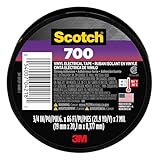
When you’re in the store and need tape for an electrical job, don’t just grab the first roll that looks sticky. You need to be specific. Look for tape that is explicitly labeled ‘electrical tape.’ This might seem obvious, but in a pinch, people grab what’s available. The standard for most household electrical work is vinyl electrical tape. Brands like 3M, Scotch, and Gardner Bender make reliable versions. They’ll usually be sold on smaller rolls than duct tape and come in various colors – black is the most common for general use, but you’ll see red, blue, yellow, and green, which are often used for color-coding different circuits or phases.
Check the packaging for voltage ratings. For standard household wiring (like 120-volt or 240-volt circuits), a tape with a rating of 600 volts or more is generally sufficient. If you’re working with higher voltage applications, you’ll need tape with a higher rating. Also, consider the temperature rating. Electrical tape needs to perform in a range of temperatures, and some tapes are better than others at resisting degradation from heat or cold.
Another factor is the adhesive. Electrical tape’s adhesive is designed to stick well to wires and itself, but also to be removable without leaving a sticky residue if you need to redo a connection. This is a major difference from duct tape, whose adhesive is notoriously difficult to remove cleanly. When you’re wrapping, you want the layers of tape to fuse together, creating a solid, insulated bond. Good electrical tape achieves this. Bad electrical tape, or using the wrong kind, can lead to gaps, peeling, and ultimately, failure.
I remember a time I was rewiring a lamp. I had some cheap, no-name electrical tape that I’d picked up somewhere. It was stiff and didn’t stretch well. As I tried to wrap the joint, it kept bunching up, and the adhesive felt weak. After a few attempts, I gave up and went to the hardware store for a roll of proper 3M Super 33+ tape. The difference was night and day. It stretched perfectly, conformed to the wire, and created a smooth, secure wrap. That experience cemented my opinion: stick with reputable brands for electrical tape. (See Also: Can Electrica Tape Catch On Fire )
Electrical Tape vs. Duct Tape: A Quick Comparison
| Feature | Electrical Tape (Vinyl) | Duct Tape | Verdict |
|---|---|---|---|
| Primary Use | Insulating and protecting electrical wires | Sealing, patching, general repairs | Electrical Tape |
| Insulation Properties | High dielectric strength (PVC) | Poor; cloth backing conducts | Electrical Tape |
| Adhesive | Designed for electrical connections, removable | Aggressive, difficult to remove | Electrical Tape (for electrical) |
| Flexibility | Stretchy, conforms to wire shape | Rigid, bulky | Electrical Tape |
| Durability (Electrical) | Designed to withstand heat, voltage fluctuations | Can melt, degrade with heat and voltage | Electrical Tape |
| Moisture Resistance | Good, when properly applied | Can absorb moisture over time | Electrical Tape |
Common Mistakes and Why They’re Dangerous
The biggest mistake, obviously, is assuming duct tape is a viable substitute for electrical tape. I’ve already touched on this, but it bears repeating because people still do it. They see a frayed wire, think ‘wrap it up,’ and reach for the nearest roll. This isn’t just about avoiding a shock; it’s about preventing fires. The heat generated by a faulty electrical connection can ignite the cloth backing of duct tape, and the adhesive can melt and drip, spreading fire. It’s a terrifying thought, and one that happens more often than you’d think.
Another common error is improper application of actual electrical tape. You can’t just haphazardly wrap it. You need to overlap each layer by at least half the width of the tape, making sure there are no gaps. The wrap should extend beyond the exposed wire onto the intact insulation on both sides. This creates a continuous, impenetrable barrier. Some people just do a quick wind around the exposed part, leaving the ends vulnerable. That’s not going to hold up under any kind of stress.
Over-tightening is another issue. While you want a snug wrap, over-tightening electrical tape can cause it to stretch too thin and potentially break, compromising the insulation. It’s a balance. You want it tight enough to adhere and conform, but not so tight that it loses its integrity. I find that the better quality tapes have a bit of give, making it easier to find that sweet spot. Cheaper, less flexible tapes are much harder to work with and increase the risk of mistakes.
I once saw a friend try to ‘fix’ a power strip with a tangle of wires inside using a combination of duct tape and what looked like masking tape. He thought he was being resourceful. What he was actually doing was creating a potential fire hazard. The heat from the overloaded outlets and the poorly insulated connections was immense. Luckily, before anything catastrophic happened, his wife unplugged it and insisted he call an electrician. It’s a good reminder that sometimes, the ‘resourceful’ fix is actually the most dangerous one. If you’re unsure, always err on the side of caution and call a professional.
Real-World Scenarios: When You Might (but Still Shouldn’t) Think About It
Let’s be brutally honest. Are there scenarios where duct tape might technically hold a wire together temporarily, in a very low-stakes, non-important situation? Perhaps. Think about a battery-powered LED fairy light string where the power is negligible, and the wire isn’t exposed to anything harsh. If one tiny connection breaks on a string of lights that’s already destined for the bin, and you just want it to work for one more hour at a party, you could slap some duct tape on it. But even then, you’re playing with fire, albeit a very small one.
Another situation might be in a truly emergency, get-me-out-of-here scenario. Imagine you’re camping, miles from anywhere, and a important but low-voltage wire on your headlamp breaks. You have nothing else. In that extreme, no-other-option situation, you might consider it as a last-ditch effort to get a little light. But you’d be doing so with the full knowledge that it’s a temporary, unreliable fix, and you’d be looking to replace it with proper tape the absolute moment you could. This is not a recommendation, but an acknowledgment of desperate measures. (See Also: Can I Substitute Duct Tape For Electrical Tape )
However, for anything connected to household mains power, anything that carries significant current, anything exposed to moisture or heat, or anything that needs to last more than a few minutes, duct tape is simply not an option. It’s like using a sieve to carry water – it fundamentally fails at its intended purpose. The adhesive can degrade, the cloth can wick moisture, and the insulation is virtually non-existent. The risk of shock, short circuit, and fire far outweighs any perceived convenience. I’ve seen my fair share of DIY disasters, and using duct tape for electrical work consistently ranks among the worst ideas. It’s a shortcut that leads to a dead end, usually a smoky one.
People Also Ask:
Can Duct Tape Be Used for Wiring?
No, duct tape should not be used for wiring. It lacks the necessary insulating properties to prevent electrical shock and short circuits. Its fabric backing can absorb moisture, further compromising its effectiveness and increasing safety risks. Always use proper electrical tape designed for insulating and protecting wires.
Is Duct Tape a Good Insulator?
Duct tape is a poor electrical insulator. While it is designed to be a strong adhesive and a barrier against air and moisture for HVAC systems, its construction with a fabric backing and rubber-based adhesive does not provide the dielectric strength required to safely insulate electrical currents. It can degrade under heat and electrical stress.
What Tape Can Be Used for Electrical Wiring?
Vinyl electrical tape, such as 3M Super 33+ or Scotch 35, is the standard for electrical wiring. It offers excellent insulation, flexibility, and durability. For higher voltage applications or specific environmental conditions, specialized electrical tapes like high-temperature tapes or rubber splicing tapes may be recommended.
What Happens If You Use Duct Tape on Electrical Wires?
Using duct tape on electrical wires can lead to serious safety hazards. It can fail to insulate properly, increasing the risk of electric shock and short circuits. The heat generated by electrical current can melt the adhesive, causing the tape to fail and potentially leading to fires. Moisture can also be wicked into the connection, exacerbating the problem.
Verdict
So, to circle back to that initial question: can ductwork tape be used as electrical tape? The answer remains a resounding ‘no.’ I’ve seen too many botched jobs and heard too many stories of things going wrong to ever recommend it. The risk just isn’t worth the fleeting convenience. Stick to what’s designed for the job, and that means proper electrical tape for any electrical work.
Your wiring deserves a tape that’s built for the task, offering reliable insulation and protection. Grabbing a roll of electrical tape from the hardware store is a small investment that pays off in peace of mind and, more importantly, safety. Don’t gamble with your home’s electrical system; use the right materials for the job, every time.
Next time you face a frayed wire, resist the urge to reach for the silver roll. Make a mental note to grab proper electrical tape, or better yet, keep a roll of it in your toolbox. Your future self (and anyone living with you) will thank you.