I’ve been wrestling with this question for a while, mostly because I’ve seen some absolute garbage advice out there online. People slapping tape on anything and everything, claiming it’s some miracle cure for sun damage. Honestly, it’s enough to make you want to scream.
The real question is, can electrical tape block UV light effectively enough for anything practical? I’ve spent my fair share of time tinkering, experimenting, and yes, wasting money on products that promised the moon and delivered dust. So, let’s cut through the noise and get down to brass tacks.
If you’re wondering about electrical tape and its relationship with those pesky UV rays, you’re in the right place. This isn’t going to be some corporate fluff piece; it’s the blunt truth from someone who’s been there.
Does Electrical Tape Actually Block UV Light? The Short Answer
Look, if you’re asking can electrical tape block UV light in a way that’s comparable to a dedicated UV-blocking film or a well-designed awning, the answer is a resounding ‘nope.’ It’s not its primary job, and it’s not what it’s designed for. Electrical tape is made to insulate wires from electrical current and protect them from minor abrasion and moisture. Its UV resistance is more of a happy accident or a secondary characteristic, and even then, it’s wildly inconsistent.
Most standard electrical tapes, especially the cheap, no-name brands you find at the dollar store, are made primarily from PVC (polyvinyl chloride) and an adhesive. PVC itself has some inherent UV resistance, but it degrades over time when exposed to direct sunlight. The plasticizers and other additives in the tape can also break down, leading to cracking, peeling, and a loss of adhesion. This degradation is accelerated by UV exposure.
I remember one time I was trying to rig up a temporary sunshade for my seedling trays in the greenhouse. I figured, hey, electrical tape is cheap and flexible, I’ll just tape some clear plastic sheeting to the frame. Within about two weeks, the tape was brittle, yellowed, and peeling off in chunks. The seedlings underneath, while partially shaded, still got fried because the UV was still getting through the degraded tape and the aging plastic. That was a hard lesson: not all tapes are created equal, and relying on something not designed for the job is a recipe for disappointment, and sometimes, dead plants.
So, while it might offer some minimal, short-term blocking of UV rays, especially if it’s a darker color or a thicker variety, don’t go thinking you can slap some electrical tape on your car windows or your greenhouse roof and call it a day. You’ll likely end up with a bigger mess and damaged goods.
What to Look for (if You Must Use It for UV Protection)
Alright, so we’ve established that using electrical tape for serious UV protection is generally a bad idea. But let’s say you’re in a pinch, or you have a very specific, low-stakes application where you need some sort of barrier, and electrical tape is what you’ve got. What should you be looking for? Honestly, it’s a bit of a gamble, but here are a few things that might make it slightly less useless:
- Color Matters (Sort Of): Darker colors tend to block more light, including UV, than lighter colors. So, if you have to choose, black or dark blue electrical tape will likely offer marginally better UV blocking than white or yellow. It’s not a guarantee, but it’s a starting point.
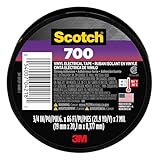
- Brand Name and Quality: This is where I’ll contradict a lot of the ‘save money’ advice. While I’m all for not getting ripped off, the super-cheap, no-brand electrical tape is almost certainly going to be the worst performer. Reputable brands like 3M, Scotch, or even some of the better-known industrial brands are more likely to use higher quality materials that have some UV inhibitors mixed in. It’s still not their main selling point, but the base material is probably better. I’ve found that paying an extra couple of bucks for a roll of 3M Super 35 or something similar is usually worth it, even if I’m not using it for UV protection – it just lasts longer and sticks better.
- Thickness and Flexibility: Thicker tapes might offer a bit more physical barrier. Also, look for tapes that feel less brittle and more pliable. Tape that feels stiff out of the box is likely already starting to degrade or is made with materials that won’t hold up.
- Adhesive Type: While most electrical tapes use rubber-based adhesives, some might perform slightly better than others under stress. This is harder to gauge without testing, but generally, a good quality tape will have an adhesive that bonds well and doesn’t dry out or become gummy too quickly.
Honestly, the best advice here is to avoid relying on electrical tape for UV protection altogether. If you need to block UV, buy a product designed for UV blocking. Whether it’s window film, a UV-resistant sealant, or a painted coating, there are better options. But if you’re stuck, consider these factors and be prepared for it to fail sooner rather than later. I learned this the hard way when I tried to protect some outdoor wiring splices with standard black tape; a year later, the tape was cracked and the wire underneath was exposed. Cost me more to fix than if I’d used proper UV-resistant tape or sealant from the start. (See Also: Can I Use Electrical Tape To Connect Wires )
Common Mistakes and Why They Happen
People make mistakes with electrical tape and UV light for a few interconnected reasons. The biggest one? They either don’t understand what electrical tape is actually for, or they’re trying to cut corners and use what they have on hand, assuming it will magically work.
Mistake 1: Assuming all tape is the same. Seriously, I’ve seen people use duct tape, masking tape, and yes, cheap electrical tape for outdoor applications where sun exposure is a factor. They all fail differently, but they all fail. Masking tape disintegrates into a sticky mess. Duct tape’s adhesive gets baked on and leaves residue. Even ‘heavy-duty’ versions often don’t have UV stabilizers. Electrical tape, as we’ve covered, degrades and cracks.
Mistake 2: Underestimating UV damage. UV radiation is a powerhouse. It breaks down molecular bonds in plastics and adhesives. It’s not just about making things look faded; it fundamentally alters the material, making it brittle, weak, and prone to failure. What looks fine one day can be a crumbling mess a few weeks or months later if it’s constantly bombarded by direct sun.
Mistake 3: False economy. This is a big one for me. Buying a $1 roll of cheap tape because you think you’re saving money is often the most expensive route. I once tried to jury-rig a repair on a cracked plastic garden planter with cheap electrical tape. It held for maybe three days before the tape sagged and peeled, letting water seep out, and the planter split further. I ended up buying a new planter and proper plastic repair epoxy anyway. That’s about $30 down the drain, plus the time spent messing with it. The lesson? Use the right tool for the job, even if it costs a bit more upfront.
Mistake 4: Applying it to important areas. Slapping electrical tape over a important seal, a wiring connection that needs to be truly waterproof and UV-resistant, or on anything that’s meant to be permanent outdoors is just asking for trouble. It might look like a quick fix, but it’s a ticking time bomb. The adhesive can fail, the tape can peel, and moisture can get underneath, causing corrosion or other damage.
These mistakes happen because people are either pressed for time, don’t have the right materials readily available, or simply haven’t learned the hard way yet. My own experience with trying to protect a vintage camera lens from light leaks using black electrical tape taught me a lot. While it did block light initially, after a few months in my car’s glove compartment (a surprisingly harsh UV environment), the tape became sticky and left a residue that was a nightmare to remove. The lens itself was fine, but the tape was a fail.
Real-World Use Cases (and Why They’re Often a Bad Idea)
So, where do people actually try to use electrical tape for UV protection, and why is it usually a bad call? Let’s break it down.
1. Temporary Wire Insulation Outdoors: Sometimes, you’ve got a splice on an outdoor cable that needs to be protected right now from the elements, and you only have electrical tape. This is probably the least bad use, but it’s still not ideal. Electrical tape is designed to insulate against electrical current, not necessarily against prolonged UV exposure and weathering. (See Also: Can Electrica Tape Catch On Fire )
While it might keep rain off for a while, the UV will break it down, making it brittle. If this splice is important or permanent, you need to use proper outdoor-rated tape, like a UV-resistant vinyl tape (often called weatherproofing tape or mastic tape), or heat-shrink tubing with UV inhibitors. I once had to do a temporary fix on a garden light wire with electrical tape. It worked for about six months before it started cracking.
Thankfully, it was a low-voltage line, but it was a wake-up call.
2. Covering Small Holes or Gaps: People might use it to temporarily patch a tiny hole in a car’s bumper, a piece of outdoor furniture, or a RV. The idea is to stop water or bugs getting in, and they figure the UV blocking is a bonus. The problem is, again, the tape’s longevity. It will likely fail prematurely, and the adhesive can leave a sticky, hard-to-remove residue, especially on painted surfaces. You might be better off with a small piece of plastic sheeting and some industrial adhesive tape if you need a more durable patch.
3. DIY Light-Proofing Projects: Some folks might use it for amateur photography setups, or to block light leaks in a temporary grow tent. For very short-term, low-intensity needs, it might suffice. But for anything serious, or anything meant to last, it’s a no-go. The inconsistency of UV blockage means some light will still get through, and as it degrades, it will start to fail. Specialized blackout films or paints are far superior.
4. Protecting Sensitive Components (Temporarily): In a pinch, someone might wrap a sensitive component in electrical tape to shield it from ambient light during transport or short-term storage. This is probably its most ‘acceptable’ use for UV/light blocking, but even then, if it’s going to be exposed to sunlight for more than a few hours, you’re rolling the dice. I’ve seen DIY enthusiasts use it to black out LEDs on circuit boards. It works, but they often have to reapply it every year or two because the tape starts to dry out and crack. The heat from the electronics can also accelerate this degradation.
The common thread is that these are almost always temporary fixes or low-consequence applications. The moment you need reliability, longevity, or actual significant UV protection, electrical tape is the wrong tool.
There are specialized tapes for UV resistance, like high-performance vinyl tapes or certain types of mastic tape, that are designed for outdoor use. These cost more but actually do the job they’re intended for. For example, I once needed to seal a roof leak on my shed temporarily. I used standard electrical tape, thinking it would do for a weekend.
Within 48 hours, the sun had warped it, and the leak was worse. Switched to a proper flashing tape, and that held for over a year until I could get it properly repaired. (See Also: Can I Substitute Duct Tape For Electrical Tape )
Practical Tips for Using Electrical Tape (when You Absolutely Have To)
Okay, I’ve been pretty clear that electrical tape isn’t your first, second, or even third choice for UV protection. But life happens, and sometimes you’re stuck with what you’ve got. If you must use electrical tape for a situation where it will be exposed to sunlight, here are a few tips that might eke out a bit more performance, or at least help you avoid making a complete mess of things.
- Overlap Generously: Don’t just wrap it once. Overlap each layer by at least 50%. This provides more material for the UV rays to penetrate, and if one layer starts to degrade, the layer beneath might still offer some protection.
- Apply in Moderate Temperatures: Don’t try to apply electrical tape on a scorching hot day or in freezing cold. The adhesive works best within a moderate temperature range (usually around 50-80°F or 10-27°C). Applying it in extreme temps can compromise the bond and the tape’s flexibility.
- Smooth It Out Thoroughly: As you apply the tape, press it down firmly to eliminate air bubbles and make sure maximum adhesion. Wrinkles and bubbles are weak points where moisture can get in and where the tape is more likely to peel or tear. A plastic smoother or even the edge of a credit card can help.
- Consider Layering with Other Materials: If possible, use electrical tape as a secondary barrier. For example, if you’re trying to patch a hole, you might use a more solid material like a piece of plastic or metal as the primary patch, and then use electrical tape to seal the edges. The electrical tape isn’t doing the heavy lifting, just adding an extra layer of sealing.
- Inspect and Replace Regularly: This is the most important tip. If you’re using electrical tape for anything exposed to the sun, you need to check it frequently – weekly or monthly, depending on the intensity of the sun. Look for signs of cracking, peeling, discoloration, or loss of adhesion. Be prepared to replace it. I learned this when I used black electrical tape to cover the indicator lights on an old piece of equipment that was stored in a sunny workshop. I figured it would block the light. What I didn’t account for was the tape turning brittle and gummy after about three months, making a huge sticky mess. Had to spend an hour cleaning it off.
- Use the Right Type of Electrical Tape: As mentioned before, not all electrical tapes are created equal. If you have a choice, opt for a higher-quality, thicker vinyl electrical tape from a reputable brand. It’s still not ideal for UV, but it’s generally more durable than the cheapest options.
These tips are about damage control, not about turning electrical tape into a UV-blocking superhero. It’s about mitigating the inevitable failure as much as possible when you’re forced into using it. For any serious or long-term UV protection needs, please, for your own sanity and the longevity of your project, buy something specifically designed for the job. You’ll thank yourself later.
Faq: Electrical Tape and UV Light
Does Electrical Tape Provide UV Protection?
Standard electrical tape offers minimal and temporary UV protection. While the PVC material it’s made from has some inherent UV resistance, it degrades over time when exposed to direct sunlight. This degradation leads to cracking, peeling, and reduced effectiveness. It is not designed for prolonged outdoor UV exposure.
Can I Use Electrical Tape on Car Windows for UV Blocking?
No, you absolutely should not use electrical tape on car windows for UV blocking. It offers insufficient protection, will likely degrade quickly, and the adhesive can leave a sticky residue that’s very difficult to remove from glass and window trim. Proper automotive window tinting films are designed for this purpose.
How Long Does Electrical Tape Last Outdoors in the Sun?
The lifespan of electrical tape exposed to direct sunlight outdoors is highly variable but generally very short. Depending on the quality of the tape, the intensity of the UV radiation, and environmental factors like heat and moisture, it can start to degrade and fail within weeks to a few months. It is not a durable outdoor solution.
What’s a Better Alternative to Electrical Tape for Outdoor UV Protection?
For outdoor applications requiring UV protection, look for specialized tapes like UV-resistant vinyl tapes, weatherproofing tapes, mastic tapes, or butyl tapes. These products are specifically formulated with UV inhibitors and durable adhesives to withstand prolonged sun exposure and environmental conditions. For more significant protection, consider UV-resistant coatings, sealants, or films designed for outdoor use.
Final Thoughts
So, to sum it up: can electrical tape block UV light? Technically, yes, to a very limited degree and for a very short time. But is it a reliable or recommended solution for any serious UV protection needs? Absolutely not. It’s like using a screen door to stop mosquitos in a hurricane – it’s just not built for the job and will inevitably fail.
I’ve wasted enough time and money on quick fixes that turned into bigger problems. For anything that needs genuine protection from the sun’s damaging rays, invest in products made for that purpose. Whether it’s specialized tapes, coatings, or films, they’ll save you a headache, and likely money, in the long run.
If you’re tempted to use electrical tape for UV blocking because it’s cheap and readily available, just remember my stories of brittle, peeling messes and the subsequent cleanup. Stick to its intended purpose – electrical insulation – and seek out the right tools for UV protection. Your future self will thank you.