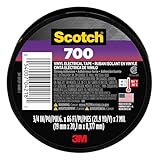
I remember the first time I rigged up a temporary fix for a frayed appliance cord with electrical tape. Seemed like a genius move at the time. A few days later, I noticed a faint, acrid smell coming from the outlet. My heart sank. That little incident got me wondering: can electrical tape burn? It’s the kind of question you don’t think about until you’re staring down a potential fire hazard.
We rely on this stuff for so many quick fixes, but understanding its limits is key. It’s not designed for high heat, and frankly, most of us are just grabbing the cheapest roll from the hardware store without a second thought.
The Real Deal with Heat and Vinyl Tape
Look, the simple answer is yes, electrical tape can burn. But it’s not like it’s going to spontaneously combust the second a tiny spark hits it. Most standard electrical tape is made from PVC (polyvinyl chloride) as the backing, with an adhesive on one side. PVC is a plastic, and plastics are, by their nature, combustible. So, the potential is definitely there.
The real question isn’t just if it can burn, but how and under what conditions. I learned this the hard way a few years back trying to insulate a slightly overworked motor on a ventilation fan in my garage. It was running a bit hotter than usual, and I thought a wrap of tape around the connection points would be a good idea. Big mistake. Within an hour, the smell of burning plastic was unmistakable, and I had a gooey, melted mess. Thankfully, it didn’t ignite, but it was a stark reminder that this stuff has limits.
What happens is that when PVC gets hot enough, it starts to degrade. It softens, melts, and then eventually, if the heat source is sustained and hot enough, it will ignite. The adhesive can also contribute to the problem, as some adhesives aren’t designed for high temperatures either and can become more flammable or contribute to the melting process. It’s this degradation that produces that distinctive, often choking smell you’ll get when plastic is burning. It’s not a pleasant aroma, and it’s a big red flag.
Think about it: electrical tape is designed for insulation and protection against abrasion and moderate moisture for electrical applications. That means it needs to handle the normal operating temperatures of wires and connections, which can get warm, but not hot enough to melt plastic. If a connection is arcing or a wire is significantly overloaded, generating heat beyond what the tape can tolerate, you’re asking for trouble. It’s like using a teacup to boil water; it’s not what it was made for, and it’s going to fail spectacularly. I’ve seen folks use it for temporary fixes on exhaust systems (don’t ask why) and hot appliance components, and it’s always a disaster waiting to happen. The heat just breaks it down.
There are different grades of electrical tape, of course. Some are rated for higher temperatures than others. The cheap, generic stuff you grab at the dollar store is probably the least heat-resistant. The higher-quality tapes, often from reputable brands like 3M, might have better thermal properties, but even those have their limits. They’re still primarily plastic, and plastic burns. The common advice to just wrap it up and forget about it is often dangerously incomplete. You need to understand the context of the heat source.
What to Look for (besides the Price Tag)
So, you’re in the aisle, staring at a rainbow of electrical tape. What’s the difference, and what should you actually be looking for if you want something that’s not going to turn into a fire hazard the moment a wire gets a bit warm? It boils down to a few key things, and price isn’t always the best indicator of quality, which is a lesson I learned the hard way after buying some “premium” store-brand tape that felt like glorified cling film.
First, check the temperature rating. This is usually printed on the packaging or the core of the tape roll, though sometimes you have to dig a bit on the manufacturer’s website. You’ll see ratings like 60°C, 80°C, or even 105°C. For general-purpose electrical work, 80°C is usually sufficient, but if you’re dealing with applications that are known to get hotter, you need to step up. I once had to repair some wiring in a car’s engine bay where things get seriously hot, and the standard stuff just became gooey and useless within weeks. I had to find a tape specifically rated for automotive high-temp applications, which was a different beast altogether.
Next, consider the material. As I mentioned, most is PVC, but some higher-end tapes might have different backing materials or formulations. Look for terms like “high-temperature resistant” or “self-fusing silicone tape” if you’re dealing with potentially hot or high-voltage situations. Self-fusing tape is a different animal; it bonds to itself, creating a solid, insulating layer that can handle much more heat and voltage than standard vinyl tape. It’s more expensive and a bit trickier to apply, but for demanding jobs, it’s worth every penny. Standard vinyl tape is just… vinyl.
Brand reputation matters here, too. While I hate to admit it, some brands have earned their stripes for a reason. 3M is a big one, and their Super 88 or Temflex tapes are generally reliable. But even with the big names, always check the specs. Don’t assume. I’ve bought cheaper off-brand alternatives that looked identical but performed terribly. They peeled off, lost their stickiness, and some even seemed to degrade faster in sunlight, which is another problem entirely. Think of it like buying tools – you can get a cheap wrench that rounds bolts or a solid one that lasts a lifetime. Electrical tape is similar; the difference in performance can be huge.
Finally, consider the intended use. Is it for low-voltage wiring in a junction box in your house, or is it for a high-current industrial application, or perhaps something outdoors where UV exposure is a factor? The tape’s formulation will reflect its intended environment. For outdoor use, you’d want something UV-resistant. For high-voltage, you need thicker, more solid tape with a higher dielectric strength. Trying to use the wrong type is like bringing a butter knife to a sword fight – it’s just not going to do the job and might make things worse.
| Tape Type | Typical Temp Rating | Adhesive | Best For | My Verdict |
|---|---|---|---|---|
| Standard Vinyl | Up to 80°C | Rubber-based | General low-voltage, non-heat-generating wiring. | The go-to for basic household fixes, but don’t push it. |
| High-Temp Vinyl | Up to 105°C | Rubber or acrylic | Applications with moderate heat, like some motor wiring. | A step up, good for slightly warmer environments. |
| Self-Fusing Silicone | Up to 180°C+ | Bonds to itself (no separate adhesive) | High-voltage, high-heat, harsh environments (automotive, industrial). | The serious stuff. Expensive, but bombproof for tough jobs. |
| Specialty Tapes (e.g., Rubber Splicing) | Varies widely | Varies | Specific industrial or high-voltage splicing. | Job-specific. Use only if you know exactly what you need. |
Common Mistakes That Lead to Trouble
Oh, the mistakes I’ve made. And seen others make. (See Also: Can I Use Electrical Tape To Connect Wires )
It’s almost a rite of passage for anyone tinkering with wires or fixing things on the fly. The biggest blunder, hands down, is using electrical tape as a primary insulator for anything that actually generates significant heat. I’ve seen people wrap frayed cords that are plugged into high-draw appliances, or even use it to patch up exhaust system leaks (which, by the way, is a terrible idea for a million reasons, fire being just one).
That cheap vinyl tape is not designed to be a heat shield. It’s designed to insulate against electrical current and protect from minor abrasion and moisture. When it gets hot, it melts, it degrades, and it can start to smoke.
If the heat source is continuous, it will burn.
Another common pitfall is not using enough layers. For some low-voltage applications, one or two wraps might seem fine, but for anything remotely demanding, you need to build up a decent thickness. This adds to the insulation and can help dissipate a little bit of heat. I learned this when I was fixing a garden pump connection that was exposed to the elements. I’d only done a couple of wraps, and after a wet spell, the whole thing shorted out. Adding several more layers, making sure good overlap, made a world of difference. It’s not just about coverage; it’s about creating a solid, protective barrier.
Then there’s the reliance on it for permanent fixes. Electrical tape is fantastic for temporary repairs or as a final insulating layer after a proper connection has been made with wire nuts or crimp connectors. Using it as the sole means of joining wires, or to hold frayed wires together indefinitely, is a recipe for disaster. Over time, the adhesive can fail, the tape can dry out or degrade, and those wires can loosen up, creating a risk of arcing and, yes, burning. I saw a friend’s entire kitchen outlet strip melt because he’d used tape to hold together a bunch of wires that were coming loose from a junction box. It looked like a melted plastic blob.
People also make the mistake of stretching the tape too much when applying it. While a little stretch can help it conform to odd shapes, overstretching thins the material significantly, reducing its insulating properties and making it more susceptible to heat and tearing. It’s like stretching a rubber band until it’s about to snap; it’s weaker. You want it to be snug, but not under extreme tension. This is especially true when wrapping around sharp corners or irregular surfaces. Trying to force it to conform by stretching it to the breaking point is just asking for trouble down the line.
Finally, and this is a big one, people often don’t consider the environment the tape will be in. Is it going to be exposed to UV rays from the sun? Will it be constantly damp? Will it be subjected to oil or chemicals? Standard electrical tape isn’t formulated for all these things. UV rays, in particular, can break down the plastic over time, making it brittle and less effective. Moisture can seep under the edges and compromise the insulation. If you’re not using a tape specifically designed for the conditions, it’s going to fail prematurely, and that failure could be dangerous.
Real-World Uses and My Experiences
I’ve been messing around with electronics and DIY projects for what feels like forever, and electrical tape has been a constant companion. It’s one of those humble tools that’s indispensable when used correctly. For me, the most common, and genuinely useful, application is securing wire harnesses and tidying up cable runs. If you’ve got a bunch of wires coming out of a power supply or running along a wall, a few strategic wraps of electrical tape can keep them neat and prevent them from snagging on things. It’s simple, cheap, and effective for this purpose.
Another solid use is as a final insulating layer over properly made connections. After you’ve twisted wires together with a wire nut, or used a crimp connector, you can wrap the connection with electrical tape to add an extra layer of protection against moisture and physical damage. This is especially good for outdoor connections or those in damp environments. I did this on some outdoor landscape lighting wiring about five years ago, and the connections are still holding up perfectly, with no signs of degradation or water ingress. That’s the kind of reliable performance I expect.
There was also the time I was building a custom gaming PC and had a particularly stubborn cable that refused to stay tucked away. It was a thick bundle of SATA cables, and they kept flopping out from behind the motherboard tray. A few wraps of good quality electrical tape (I used some decent 3M stuff) neatly bundled them and kept them out of sight and out of mind. It might sound trivial, but in a tidy build, these little details matter, and tape is perfect for it. It’s flexible enough to bend with the cables and doesn’t add too much bulk.
However, my most memorable bad experience, besides the fan motor incident, was trying to repair a torn rubber seal on a washing machine door. It was a small tear, and I thought, “Hey, electrical tape is waterproof, right?” Wrong. It held for about two wash cycles. Then, the water pressure, the constant flexing, and the detergent all worked together to peel it right off, leaving a soggy mess and a slightly damp floor. That taught me that ‘waterproof’ for electrical tape means resisting splashes and occasional dampness, not constant submersion or high pressure. It’s not a sealant for things under stress.
I’ve also seen it used for labeling. Writing on the tape with a marker can help identify different wires or circuits, especially in complex setups. It’s a bit of a hack, but it works in a pinch when you don’t have proper labels. Just make sure you use a permanent marker, or the writing will rub off faster than you’d think. Honestly, for anything that gets significantly hot, subjected to constant movement, or needs to be a permanent, solid seal, I’ll look for alternatives. That’s when you need things like heat shrink tubing, self-fusing silicone tape, or proper splicing connectors. (See Also: Can Electrica Tape Catch On Fire )
When to Use Alternatives (and What to Use)
Let’s be blunt: electrical tape is a tool, and like any tool, it has its place. But it’s NOT the right tool for every job, and trying to force it into the wrong application is where things go wrong, and sometimes, things can get dangerous. If you’re dealing with anything that generates more than a mild warmth, or if the connection is going to be under any kind of physical stress, you need to look elsewhere. The question of ‘can electrical tape burn’ is really a signal that you’re potentially pushing its limits.
When a wire connection is going to be subjected to significant heat – think motor housings, appliance heating elements, or even just wires that are consistently carrying a very heavy load and getting noticeably warm to the touch – standard vinyl tape is a no-go. The heat will degrade it, melt the adhesive, and in worst-case scenarios, cause it to ignite.
For these situations, your best bet is often self-fusing silicone tape. This stuff is amazing. It’s not sticky in the traditional sense; you stretch it as you wrap it, and it fuses to itself, creating a solid, smooth, insulating layer.
It can handle much higher temperatures and voltages than vinyl tape, and it forms a really solid seal. It’s a bit more expensive and takes a little practice to apply neatly, but for high-heat applications, it’s miles better.
Another excellent alternative, particularly for permanent connections that need to be protected, is heat shrink tubing. You slip a piece of this tubing over the wires before you make the connection, make your splice (with a wire nut, crimp, or solder), then slide the tubing over the connection and apply heat (usually with a heat gun). It shrinks down tightly, creating a very durable, insulated, and often water-resistant seal. It looks professional and is much more reliable than tape for long-term fixes. Different types of heat shrink have different temperature ratings and shrink ratios, so choose accordingly.
For joining wires themselves, especially in situations where you want a solid, permanent connection, wire nuts or crimp connectors are the way to go. Electrical tape should never be the primary method of joining two conductors. It’s for insulating after the connection is made securely. Wire nuts are great for joining multiple wires in a junction box, and crimp connectors (like butt connectors or spade terminals) are excellent for terminating wires to devices or for making splices that need to be really strong. After using these, you can then add electrical tape or heat shrink for extra protection if needed.
And if you’re dealing with actual electrical enclosures or needing to seal up gaps that might let water or dust in, consider dedicated sealants or gaskets. Electrical tape is not designed to be a weatherproofing solution for anything more than a minor splash. If a junction box needs sealing, use the proper gasket or sealant made for that purpose. Trying to improvise with tape here is asking for corrosion and electrical failures down the line.
What About Using Electrical Tape Outdoors?
Standard electrical tape can be used outdoors for temporary fixes or to add an extra layer of insulation to a properly made connection. However, it’s not ideal for long-term exposure. UV rays from the sun can degrade the plastic over time, making it brittle and less effective. Moisture can also work its way under the edges, compromising the insulation. If you need a durable outdoor solution, look for tapes specifically rated for UV resistance or consider using heat shrink tubing or self-fusing silicone tape over your connections for better protection against the elements.
Can Electrical Tape Short Circuit?
Yes, if used improperly or if it degrades, electrical tape can lead to a short circuit. It’s designed to be an insulator, but its effectiveness depends on its integrity. If the tape becomes damaged, worn, or degrades due to heat or age, it can lose its insulating properties. This could expose conductive parts of wires, allowing current to jump to another wire or a grounded surface, causing a short circuit. Always make sure the tape is intact, applied correctly, and suitable for the application’s voltage and temperature.
Is Electrical Tape Flammable?
Yes, electrical tape, which is typically made from PVC (polyvinyl chloride), is flammable. Like most plastics, it will burn if exposed to a sufficient heat source and oxygen. The primary concern isn’t just that it can burn, but how it behaves when it does. It tends to melt and drip, which can spread a fire. Proper use involves applying it to insulated wires that are not overheating, making sure the tape itself is not the ignition source.
Practical Tips for Using Electrical Tape Safely
After years of wrestling with rolls of tape and watching the results (both good and bad), I’ve picked up a few tricks that make using electrical tape less of a gamble and more of a reliable fix. The first and most important tip: always buy decent quality tape.
I know, I know, it’s tempting to grab the cheapest thing on the shelf, but I’ve wasted more money on cheap tape that dried out, lost its stickiness, or just felt flimsy than I would have spent on a few rolls of good stuff. Brands like 3M, Scotch, or even good quality professional-grade ones from industrial suppliers are worth it. (See Also: Can I Substitute Duct Tape For Electrical Tape )
They’re more pliable, have better adhesive, and stand up to more abuse. My first truly reliable roll cost me about $7, and it lasted through countless projects, proving its worth tenfold.
When you’re wrapping, overlap each layer by at least half the width of the tape. This creates a continuous, smooth insulating barrier. Don’t just go around once and call it good. For most common applications, three to five good layers of overlap are sufficient. If you’re wrapping around a cable or a connection, start a little before the area you want to protect and extend a little past it. This makes sure complete coverage and prevents exposed points. Think of it like tiling; you want those overlaps to seal properly.
Always clean the surface you’re applying the tape to. Dust, grease, or dirt will prevent the adhesive from sticking properly, and the tape can peel off prematurely. For wires, a quick wipe with a clean cloth or even a bit of isopropyl alcohol to remove any residue can make a huge difference in how long the tape stays put. I learned this when I tried to tape up a garden hose leak, and it failed within a day because the hose was muddy. Lesson learned: clean surfaces stick better.
Store your electrical tape properly. Keep it in a cool, dry place, away from direct sunlight. Heat and UV light are the enemies of plastic tapes. If a roll has been sitting in a hot car or in direct sun for a while, the adhesive can get gummy, and the tape itself can become brittle. I’ve had rolls go bad just sitting in my workshop drawer over a hot summer. A good storage container or a dedicated toolbox helps. A roll that’s $8 is a better investment than a $2 roll that’s ruined after six months.
Finally, and this bears repeating: electrical tape is an insulator and a protective wrap, not a structural connector. Never use it to join wires together. Always make your electrical connections using appropriate methods like wire nuts, crimp connectors, or solder. Then, use electrical tape to reinforce and insulate that secure connection. If a connection is arcing or generating significant heat, tape is not the solution. You need to find and fix the root cause of the problem, whether it’s a loose wire, an overloaded circuit, or a faulty component. Don’t just cover up a problem; solve it.
People Also Ask:
Can Electrical Tape Be Used as a Permanent Fix?
No, electrical tape is generally not recommended for permanent fixes. While it can provide temporary insulation and protection, its adhesive can degrade over time due to heat, moisture, and UV exposure. This can lead to the tape peeling off or losing its insulating properties, creating a safety hazard. For permanent solutions, it’s best to use methods like wire nuts, crimp connectors, solder, or heat shrink tubing.
What Temperature Can Electrical Tape Withstand?
Standard electrical tape typically has a temperature rating of around 80°C (176°F). Higher-quality or specialized tapes can withstand higher temperatures, often up to 105°C (221°F) or even more for specific industrial or automotive grades. However, exceeding these ratings can cause the tape to melt, degrade, and lose its insulating capabilities, increasing the risk of fire.
Does Electrical Tape Melt Easily?
Yes, electrical tape, especially standard vinyl types, can melt relatively easily when exposed to sufficient heat. It’s designed to handle the normal operating temperatures of electrical wires, which don’t typically get hot enough to melt plastic. However, if a connection is overloaded, arcing, or exposed to an external heat source, the tape can melt, smoke, and potentially ignite. This melting is a key indicator that the tape is failing under stress.
What Happens If Electrical Tape Gets Wet?
If electrical tape gets wet, its insulating properties can be compromised. While it offers some resistance to moisture, prolonged exposure or submersion can allow water to seep under the tape’s edges. Water is conductive and can create a path for electricity, leading to a short circuit or electrical shock. For wet or outdoor applications, it’s important to use tapes specifically designed for such environments or to use secondary sealing methods like heat shrink tubing over the taped connection.
Final Verdict
So, to wrap it all up, can electrical tape burn? Yes, it absolutely can, and it’s not something to mess around with. It’s a useful tool for its intended purpose – insulating and protecting electrical connections that aren’t generating excessive heat. But when it gets too hot, it melts, degrades, and can become a fire hazard. Don’t treat it like a miracle cure for every frayed wire or leaky pipe you encounter.
Always check the temperature ratings, use multiple layers with good overlap, and for anything remotely serious or permanent, consider alternatives like self-fusing silicone tape or heat shrink tubing. Your safety, and the safety of your home or workshop, depends on using the right tool for the job and respecting the limitations of what you’re working with.
Next time you reach for that roll, think about the heat. And if you’re unsure, it’s always better to err on the side of caution. Maybe spend that extra few bucks on a tape that won’t leave you smelling smoke.