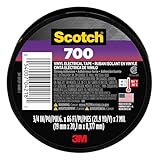
I’ve stood in my garage, staring at a frayed extension cord, and thought, “Can electrical tape cover exposed wire?” It’s a question that pops up when you’re in a bind, usually late on a Saturday. I’ve wasted more than my fair share of cash on cheap, flimsy tape that pealed off with a sneeze or melted in the sun. Years of wrestling with dodgy wiring and jury-rigged fixes have taught me a thing or two. This isn’t about fancy jargon; it’s about what actually works when you need it to, and when you’re better off just buying a new cord.
The truth is, electrical tape has its place, but it’s not the magic bullet some people make it out to be. We’ve all seen those DIY videos where a quick wrap of tape seems to solve everything. But when you’re dealing with actual electricity, even a small mistake can be a big problem. So, let’s get down to brass tacks about whether electrical tape is your savior or just another way to tempt fate.
When ‘good Enough’ Isn’t Actually Good Enough
Look, I’m going to cut to the chase. Can electrical tape cover exposed wire? Yes, it can. But should it?
That’s a whole different ball game. I remember a time, about seven years ago now, when a cheap cord on my shop vacuum decided to fray near the plug. Sparks, I tell you! Not big ones, just little, angry blue flickers.
My first thought, naturally, was to grab the roll of electrical tape I always kept handy. I wrapped it up good and tight, feeling pretty pleased with myself for a quick fix. That night, I plugged it in, and within ten minutes, the tape was oozing goo and smelled like burning plastic.
My quick fix became a fire hazard, and I ended up replacing the entire cord, plus a good chunk of my sanity. That’s when I learned that not all tape is created equal, and sometimes, ‘good enough’ is a dangerous lie.
The common advice often boils down to “just wrap it tight.” But what kind of tape are we talking about? And what kind of wire? The difference between a temporary patch and a genuinely safe repair is huge. Electrical tape is designed to insulate, yes, but it’s not meant for permanent, high-stress applications. Think of it like using a band-aid on a deep gash. It might stop the immediate bleeding, but it’s not a long-term solution. The insulation properties are decent for low-voltage situations, and the adhesive is supposed to stick well. However, many cheaper tapes lose their stickiness when they get warm, which, surprise surprise, happens a lot when electricity is flowing.
People often overlook the environment the repair will be in. Will it be exposed to sunlight?
Heat? Moisture? Physical abrasion?
Standard vinyl electrical tape, the kind you find in most hardware stores, is notoriously bad under UV exposure. It gets brittle and cracks, rendering it useless.
I’ve seen DIY fixes that looked okay for a few weeks, then disintegrated under a bit of sun. It’s a classic case of thinking you’ve saved time and money, only to end up with a bigger problem down the line. The real question isn’t just if it can cover the wire, but for how long and under what conditions.
For anything important, anything that could cause a shock or a fire, you need to be a lot more careful than a quick wrap of tape.
I also want to touch on a common misconception: that any tape with ‘electrical’ in its name is automatically safe for all wiring jobs. That’s just not true. There are different grades and types of electrical tape. Some are designed for high-voltage applications, offering superior heat and flame resistance. Others are meant for general insulation needs where exposure to the elements is minimal. The cheap, no-name stuff? It’s usually just colored vinyl that offers minimal protection and questionable adhesion. Relying on that for anything beyond a very temporary, low-risk fix is a gamble.
The first thing to understand is the material itself. True electrical tape is made from vinyl, which provides a good degree of flexibility and insulation. It’s designed to stretch and conform to irregular shapes, creating a smooth, insulated surface.
The adhesive is typically a rubber-based pressure-sensitive type. When you stretch and overlap it properly, it creates a strong bond. However, the quality of that vinyl and adhesive varies wildly. I once bought a bulk pack of what looked like perfectly good electrical tape, only to find out the adhesive would become tacky and slide off if the ambient temperature hit 70°F.
It was useless for anything outside of a climate-controlled basement workshop. So, while the concept of electrical tape covering exposed wire is sound, the execution depends heavily on the product and the situation. (See Also: Can I Use Electrical Tape To Connect Wires )
The Nitty-Gritty: What Actually Works (and What Doesn’t)
So, let’s get down to what makes electrical tape supposedly work. At its core, it’s about insulation and protection. The vinyl material is non-conductive, meaning it prevents electricity from flowing through it. When you wrap it tightly around exposed copper, you’re creating a barrier. This barrier is meant to prevent accidental contact with the conductive wire, thus avoiding shocks or short circuits. It’s also supposed to protect the wire from further damage, like nicks and abrasions that could lead to more exposed conductor.
The key to making electrical tape somewhat effective is layering and tension. You don’t just slap a few strips on and call it a day. You need to stretch the tape as you apply it. This stretches the vinyl, making it thinner but also more pliable and making sure a tighter, more uniform wrap. Each subsequent layer should overlap the previous one by at least half the tape’s width. This builds up thickness and creates a smooth, water-resistant (to a degree) seal. I’ve found that applying it with consistent tension, almost like you’re trying to compress the wire itself, is important. It smooths out bumps and makes sure there are no air gaps where moisture or dirt can get in.
My contrarian take? Most people are too gentle with it. They wrap it loosely, like they’re gift-wrapping. You need to work the tape. Stretch it. Pull it taut. You’re not just covering the wire; you’re creating a solid, albeit temporary, sheath. I’ve seen folks just tear off a piece and stick it on, leaving a bumpy, poorly adhered mess. That’s a recipe for failure. The tape needs to conform. If it’s not stretching, you’re not doing it right. I’ve actually pulled tape so hard it felt like it might snap, but that’s often when it bonds best.
However, this is where the limitations become glaringly obvious. Electrical tape is not a permanent solution. It’s designed for temporary insulation and protection. Over time, the adhesive can degrade, especially under heat or UV exposure. The vinyl itself can become brittle. I’ve pulled off old electrical tape jobs only to find the wire underneath still corroded or damaged because the tape didn’t create a truly impermeable seal. Moisture can creep in. Abrasion can still occur if the tape is thin or worn. It’s a patch, plain and simple. For anything that needs to last, or anything exposed to harsh conditions, you need a more solid solution.
Let’s talk about the different types. You’ve got your standard vinyl tape, which is what most people reach for. Then there’s rubber splicing tape, which is self-fusing and creates a smooth, waterproof layer.
It’s a bit thicker and more expensive, but it’s far superior for sealing connections, especially outdoors. There are also high-temperature tapes, designed for environments where things get really hot. Using the wrong type is like bringing a butter knife to a sword fight. For the question of can electrical tape cover exposed wire, the answer is a qualified yes, but the quality of that ‘yes’ depends entirely on the tape type and application.
If you’re just looking to make a quick, temporary fix on a low-voltage, indoor cord that’s not going to be moved much, standard vinyl might do. But for anything more demanding, you’re probably out of luck with just basic electrical tape.
Here’s a quick rundown of what I’ve found in my workshop, and it’s not always pretty:
| Tape Type | Pros | Cons | Verdict (for covering exposed wire) |
|---|---|---|---|
| Standard Vinyl Electrical Tape | Stretchy, conforms well, widely available, cheap. | Degrades in UV/heat, adhesive can fail, not waterproof long-term. | Okay for very temporary, low-voltage indoor fixes. High risk if not done perfectly. |
| Rubber Splicing Tape | Self-fusing, creates a waterproof seal, excellent insulation, durable. | More expensive, thicker, requires careful application to fuse properly. | Excellent for sealing connections and cables needing water resistance. Overkill for simple cord nicks, but a solid choice. |
| High-Temperature Tape (e.g., Fiberglass reinforced) | Resists extreme heat, very durable. | Less flexible, often more expensive, may not adhere as well in cooler temps. | Generally for specialized electrical applications, not typical household cords. |
| Duct Tape / Other General Purpose Tapes | Sticky, readily available. | NOT insulating, adhesive fails quickly, breaks down, fire hazard. | Absolutely NOT. A complete no-go for electrical work. |
The Big Mistake: When ‘good Enough’ Becomes Dangerous
The most common mistake I see people make when they ask ‘can electrical tape cover exposed wire?’ is treating it like duct tape. They grab the cheapest roll, wrap it haphazardly, and assume the job is done. This is where the real danger lies. You see, electrical tape isn’t just about covering; it’s about insulating and protecting against electrical hazards. Cheap tape often has poor dielectric strength, meaning it won’t withstand much voltage before breaking down. I’ve seen it happen – a small spark jumps right through the tape. Embarrassing, and potentially deadly.
Another massive error is thinking a single layer is enough. It’s not. You need multiple layers, stretched properly, to build up sufficient insulation.
And you need to overlap. If you leave gaps or don’t overlap by at least 50%, you’re creating weak points. Moisture can seep in, corrosion can start, and that little nick in the wire can become a major problem.
I once had to trace a fault in a garden lighting system that had been ‘fixed’ with electrical tape. The tape looked okay from a distance, but up close, it was brittle, cracked, and full of tiny gaps where water had gotten in and corroded the wire.
It was a mess that took hours to sort out, all because someone didn’t take the time to do it right.
Over-reliance on electrical tape for permanent fixes is another huge pitfall. People use it on appliance cords, extension cords, even wires inside junction boxes where it’s explicitly not rated for. The heat generated by current flow, combined with UV exposure from sunlight or just general wear and tear, will break down most standard electrical tapes over time. I’ve found old electrical tape jobs that have turned into sticky, gooey messes that are harder to remove than the original problem. The adhesive breaks down, and the vinyl itself becomes brittle. This isn’t a long-term solution; it’s a temporary patch at best. And for anything important, temporary isn’t good enough.
The “good enough” mentality often creeps in when people are in a hurry or trying to save a few bucks. They think, “It’s just a small wire,” or “It’s only temporary.” But the reality of electrical work is that a small problem can quickly escalate into a major hazard. (See Also: Can Electrica Tape Catch On Fire )
A frayed wire that looks minor could be the start of a short circuit, which could lead to a fire. That’s why you see recommendations for proper wire connectors, heat shrink tubing, or replacing damaged cords entirely. These methods are designed for safety and longevity. Electrical tape, while useful, often falls short on both counts when used improperly or for the wrong applications.
My personal rule of thumb: if I wouldn’t trust it to hold for a year in a moderately demanding environment, I’m not using it. And standard electrical tape often doesn’t make that cut for anything beyond a very minor, very temporary fix.
A specific example: I had a friend whose outdoor Christmas lights stopped working. He’d tried replacing bulbs, checking fuses, all the usual stuff. Finally, he called me over. It turned out one of the wires in the extension cord had a small split in the insulation.
He’d wrapped it with a few layers of black tape, thinking he’d solved it. But the tape was cheap, and it hadn’t been stretched or overlapped properly. Worse, it was exposed to the elements.
After a few weeks of rain and temperature changes, the tape had lost its adhesion, and water had worked its way in. The copper wire had started to corrode, and the connection had become intermittent. We ended up having to cut out the damaged section, strip the wires back, use proper connectors, and then seal it with waterproof heat shrink tubing. The whole ordeal could have been avoided if he’d just replaced the damaged cord or used a more appropriate repair method from the start.
It’s a classic example of how a seemingly simple fix can create more significant problems down the line.
Real-World Use: When Electrical Tape Actually Shines
Okay, so I’ve been pretty harsh on electrical tape, but that doesn’t mean it’s entirely useless. There are definitely situations where it’s the right tool for the job, provided you use the right kind and apply it correctly. Think of it as a specialized tool, not a universal fix-all. I keep a good quality roll of 3M Super 35 electrical tape in my toolbox specifically for certain tasks. It’s pliable, has decent adhesion, and is rated for a good range of temperatures and voltages. It’s not something I’d use for permanently repairing a power cord that gets dragged around, but for other things? It’s surprisingly handy.
One of the best uses is bundling and organizing wires. If you have a spaghetti mess of cables behind your TV or computer, a few wraps of electrical tape can keep them neatly bundled. It’s non-abrasive, so it won’t damage the cable jackets, and it’s easy to remove if you need to change things around. It’s also great for labeling. I’ve used different colored electrical tapes to mark different circuits or types of cables. Red for positive, black for negative, blue for data – it helps keep things straight when you’re dealing with complex setups. This is a practical application where can electrical tape cover exposed wire? Well, it’s not covering exposed wire, but it’s managing wires safely and effectively.
Another area where it shines is temporary insulation on low-voltage circuits. For example, if you’re working on a model train setup or a small electronics project, and you need to temporarily insulate a connection point or a bare wire while you test something else, electrical tape is perfect. It’s quick to apply and remove. The key here is low-voltage. We’re talking about the kind of electricity that won’t give you a nasty shock or start a fire if it arcs. Think about the wiring in a kids’ toy or a simple battery-powered gadget. A little bit of tape can secure a loose connection or cover a small exposed spot without much risk.
I’ve also found it useful for preventing further damage to wires that have minor scuffs or abrasions. If a wire has a small nick in the insulation, but the conductor isn’t exposed, a wrap of good quality electrical tape can add a protective layer and prevent the nick from worsening. It’s not a repair, but it’s a preventative measure. It’s like putting a small reinforcement patch on a worn spot on your favorite jacket. It extends the life of the item until you can get a proper repair or replacement.
Here’s a real-world scenario: I was helping a buddy set up a new sound system. We had a bunch of interconnect cables and speaker wires that needed to be routed through a tight space. To keep them from snagging or getting tangled, we used electrical tape to bundle them together into neat ‘looms’. It made running them through the wall much easier.
Once everything was connected, we used some more tape to secure the bundles where they entered the wall cavity. It wasn’t covering exposed wire, but it was a very effective way to manage and protect them. This is a prime example of where electrical tape is a legitimate, useful tool, and the answer to ‘can electrical tape cover exposed wire’ is less relevant than its utility in wire management.
Finally, let’s consider the case of a very minor, very temporary fix on something like a lamp cord that’s just slightly frayed near the base, indoors, and won’t be moved. If you wrap it correctly with high-quality tape, it might hold for a while. But I’d still be looking to replace that cord at the earliest opportunity. The risk versus reward just isn’t there for long-term reliance. It’s about using the right tool for the right job, and understanding when that job is truly temporary and low-risk.
When to Call in the Pros (or Just Buy a New Cord)
Let’s be blunt. If you’re asking if electrical tape can cover exposed wire and you’re not sure about the answer, you probably shouldn’t be doing the work. There’s a fine line between a DIY fix and a DIY disaster, and it often involves electricity. My own rule of thumb is this: if the wire carries significant voltage, if it’s in an area that’s damp or outdoors, if the damage is more than a tiny nick, or if you have any doubt whatsoever, then electrical tape is not your friend. It’s time to either call a qualified electrician or, more often than not, just buy a new cord or appliance.
I’ve seen people try to patch up extension cords that look like they’ve been through a shredder. They’ll wrap them in gallons of electrical tape, thinking they’re saving money. What they’re really doing is creating a ticking time bomb. The tape might hold for a bit, but the underlying damage is still there. The wires inside are likely stressed, corroded, or even broken. Eventually, that tape will fail, and you’ll have a serious fire hazard or a shock risk. It’s just not worth it. A new extension cord can be bought for $20-$50, and that’s a small price to pay for not burning down your house or electrocuting yourself. (See Also: Can I Substitute Duct Tape For Electrical Tape )
Consider appliances too. If the power cord on your toaster, microwave, or washing machine is damaged, especially near the appliance itself or the plug, replacement is almost always the safest bet. These cords are often integrated, and trying to patch them with tape is a hack job. The heat generated by these appliances can also cause tape to fail prematurely. I once had a friend try to tape up a fraying cord on his old fridge. He said it worked for a few weeks, then the smell started. Turned out the tape had melted and was letting off fumes. We ended up having to replace the whole fridge because the cord damage was too extensive to safely repair.
Here’s a practical breakdown of when not to use electrical tape:
- Major Damage: If the insulation is deeply cut, frayed over a large area, or the conductor is visibly broken or severely corroded.
- High Voltage/High Current: For main power lines, important circuits in your home’s breaker panel, or any appliance that draws significant power.
- Outdoor/Wet Environments: Standard electrical tape degrades quickly in UV light and moisture. While some specialized tapes exist, most DIYers won’t have them.
- Physical Stress: Cords that are frequently moved, stepped on, or subjected to abrasion. The tape will wear through.
- Heat Exposure: Near engines, furnaces, or other heat sources where the tape can melt or become brittle.
- Lack of Confidence: If you’re unsure about the job, the type of wire, or the proper repair technique, don’t guess.
The answer to ‘can electrical tape cover exposed wire’ is a qualified ‘yes’ in very specific, limited circumstances. But for most situations where you’re dealing with exposed wiring on a power cord or appliance, the correct answer is ‘no, you should not’. Invest in a new cord, use proper connectors like Wago or wire nuts for splices, and when in doubt, call a professional. Your safety and your home are worth more than a few dollars saved on tape. I’ve learned this the hard way more times than I care to admit, and I’m telling you, it’s always better to do it right the first time.
Practical Tips for Using Electrical Tape (when You Absolutely Must)
Alright, so you’ve read all this, and you’re still in a bind where you absolutely have to use electrical tape. Maybe it’s a tool that’s stopped working mid-job, and you need to finish a small part of it before you can get a replacement. Or maybe it’s a low-voltage decorative light string that’s seen better days. In these rare instances, here are my best tips for making electrical tape do its job as safely and effectively as possible:
First, use good quality tape. I’m talking about reputable brands like 3M, Gardner Bender, or even Klein Tools. Avoid the generic, dollar-store stuff. It’s usually paper-thin vinyl with weak adhesive and poor insulating properties. Spend the extra couple of bucks for tape that’s designed for the job. Look for tapes that specify their dielectric strength (the voltage they can withstand) and temperature range. For most household fixes, something rated for at least 600V and a decent temperature range (like -10°F to 176°F) is a good starting point.
Second, clean the area thoroughly. Before you even think about applying tape, make sure the wire and the surrounding area are clean, dry, and free of any dirt, grease, or corrosion. If the wire is dirty, the tape won’t adhere properly, and moisture can still find its way in. A quick wipe with a clean cloth or some isopropyl alcohol can make a big difference.
Third, stretch the tape as you apply it. This is a must. You want to stretch the tape about 50-100% of its original length as you wrap it. This makes the vinyl thinner, more pliable, and creates a tighter, more uniform layer. It also helps the adhesive bond better. Don’t just slap it on loosely. You should feel resistance as you pull and wrap. The tape should shrink down and conform to the shape of the wire.
Fourth, overlap generously. Each subsequent wrap of tape should overlap the previous one by at least half the tape’s width. This builds up thickness and creates a smooth, protective barrier. Think of it like tiling a roof; you want good overlap to prevent leaks. For a minor repair, I’d recommend at least four to six layers of well-stretched, overlapping tape. This makes sure you have adequate insulation thickness.
Fifth, taper the ends. When you reach the end of your wrap, don’t just cut the tape. Instead, gradually reduce the width of the tape as you wrap the last layer or two. This creates a smooth, tapered end that is less likely to snag or peel away. It helps the tape blend into the undamaged insulation of the wire.
Finally, treat it as temporary. Even if you’ve done everything perfectly, remember that electrical tape is not a permanent fix for damaged wiring. It’s a temporary measure. Plan to replace the damaged cord or have a qualified electrician inspect and repair the wiring as soon as possible. This is the most important tip. You’ve bought yourself some time, but don’t get complacent. The question ‘can electrical tape cover exposed wire’ should really be ‘how long can I safely use electrical tape to cover exposed wire before I fix it properly?’
Faq About Electrical Tape and Exposed Wires
Is Electrical Tape Waterproof?
Standard vinyl electrical tape offers some water resistance when applied correctly with multiple overlapping layers, creating a reasonably sealed barrier. However, it is not truly waterproof. Over time, especially when exposed to the elements, water can still penetrate the tape, compromising its insulating properties and leading to corrosion. For truly waterproof applications, specialized tapes like rubber splicing tape or heat shrink tubing are more appropriate.
How Many Layers of Electrical Tape Should I Use?
For a temporary repair on exposed wire, a minimum of four to six layers of well-stretched, overlapping electrical tape is generally recommended to build up sufficient insulation. The exact number can vary depending on the quality of the tape and the severity of the damage, but more layers usually provide better protection. Always make sure each layer is stretched and overlaps the previous one by at least 50%.
Can I Use Electrical Tape on Outdoor Extension Cords?
Using standard vinyl electrical tape on outdoor extension cords is generally not recommended for long-term use. Exposure to UV rays from sunlight and fluctuating temperatures will cause the tape to degrade, become brittle, and lose its adhesion, rendering it ineffective and potentially hazardous. While it might serve as a very temporary fix in a pinch, it’s best to replace damaged outdoor cords or use specialized outdoor-rated repair solutions.
What’s the Difference Between Electrical Tape and Duct Tape for Wires?
The primary difference is insulation. Electrical tape is made from vinyl, which is non-conductive and designed to insulate electrical wires. Duct tape, on the other hand, is not insulating; it’s a strong adhesive tape primarily for mending and sealing. Using duct tape on exposed wires is dangerous as it offers no electrical protection and can create a fire hazard. Electrical tape is specifically designed for electrical applications, while duct tape is not.
Final Verdict
So, to circle back to the initial question: can electrical tape cover exposed wire? Yes, it can, but it’s rarely the ideal, or even safe, long-term solution. I’ve seen it work for temporary fixes in low-voltage, indoor situations where the repair was meticulously done with good quality tape. But I’ve also seen it fail spectacularly, leading to more problems than it solved. My honest opinion is that for anything important, anything that carries significant power, or anything exposed to the elements, you’re much better off replacing the cord or using a more solid repair method like heat shrink tubing or proper wire connectors.
The allure of a quick fix with electrical tape is strong, especially when you’re in a pinch. But remember that electricity doesn’t forgive mistakes. The few dollars you might save on a new cord or a proper repair kit are insignificant compared to the potential risks of fire or electric shock. Always err on the side of caution.
If you’ve got a frayed cord or exposed wire, take a good, hard look at it. Is it a minor scuff on a lamp cord indoors? Maybe a temporary patch with high-quality tape is a stopgap. Is it an extension cord that’s been run over by a car? Just buy a new one. Don’t gamble with your safety.