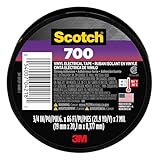
I remember staring at a tangled mess of wires in my garage, a half-finished project staring back at me, and that nagging feeling that something wasn’t quite right. The power was acting squirrelly, and I was convinced a solid ground connection was the culprit. Then, a thought flickered: can electrical tape help create a groumd? It felt like a long shot, the kind of hack you see online that makes you squint and wonder if it’s a legit fix or just… wishful thinking. Honestly, when you’re elbow-deep in DIY electrical work, you start considering all sorts of weird solutions.
Let’s cut to the chase: if you’re asking if electrical tape is your magic wand for grounding a serious electrical system, the answer is a resounding ‘no’. But, like most things in life, it’s a bit more complicated than that. There are situations where it might play a supporting role, or where people think it’s doing something it’s not. I’ve wasted enough cash on products that overpromised, so I’m here to tell you what actually works and what’s a load of bunk.
Electrical Tape: What It Is (and Isn’t) Good For
Okay, let’s get one thing straight from the jump. Electrical tape, at its core, is designed for insulation and protection. It’s made of vinyl, which is a great insulator.
That means it’s fantastic at preventing accidental contact between conductive surfaces, stopping short circuits, and keeping wires tidy and protected from abrasion. Think of it as a little rubbery hug for your wires, keeping the electricity safely on the path you intended. I’ve used it countless times to wrap up connections after soldering, to secure loose wires in appliance cords, and even to temporarily fix a frayed extension cord before I could get a proper replacement. It’s cheap, readily available, and does a decent job of holding things together and keeping stray sparks at bay.
But here’s where the confusion starts. People see it wrapping wires and protecting them, and they start to think it’s a conductor or has some magical conductive properties. It doesn’t. It’s an insulator. The very nature of its design is to prevent the flow of electricity where it shouldn’t be. So, when people ask ‘can electrical tape help create a ground?’, they’re often conflating insulation with conductivity. You need a conductive path for a ground connection. Electrical tape, by itself, provides zero conductivity. It won’t complete a circuit. It won’t bleed off excess voltage to the earth. It’s the opposite of what you need for a functional ground wire.
I once saw a guy try to ‘ground’ a faulty appliance by wrapping the metal casing with electrical tape and then sticking a loose wire under the tape. His logic was that the tape was holding the wire against the metal. It was a disaster waiting to happen. The tape was too thick, the contact was poor, and it offered no real path for fault current. It was a classic case of misunderstanding the material’s purpose. It looked like a fix, but it was just a cosmetic cover-up, making the problem appear solved while leaving the underlying danger intact.
The Real Deal About Grounding
So, if electrical tape isn’t the answer, what is grounding, and why is it so darn important? Think of your electrical system like a plumbing system. You have your main water supply (your hot and cold lines) and then you have your drainpipes. The ground wire is like the drainpipe for electricity. In a normal situation, electricity flows through the ‘hot’ wire to power your device. If something goes wrong – say, a wire inside your toaster chafes against the metal casing – that casing suddenly becomes live. If you touch it, you become the path to ground. Ouch.
A proper ground wire provides a low-resistance path for that stray electricity to flow safely away to the earth, usually via your home’s grounding system. This path is designed to carry a lot of current, enough to trip a circuit breaker or blow a fuse, immediately cutting off the power and preventing you from getting shocked.
It’s a safety net. Without it, any fault could turn your appliance into a deadly hazard. The common advice to always make sure your electronics are properly grounded isn’t just corporate speak; it’s about preventing serious injury or even death. I learned this the hard way when a faulty lamp in my old apartment, which I knew had a dodgy ground, sent a nasty jolt through the rug and up my leg.
It wasn’t enough to knock me out, but it was more than enough to make me a firm believer in the power of a good ground. (See Also: Can I Use Electrical Tape To Connect Wires )
A proper ground connection involves a bare copper wire or a green-insulated wire running from your appliance or device, through your wiring system, and ultimately connecting to a grounding rod driven into the earth or to the metal water pipes (in older systems). It needs a solid, metal-to-metal connection. This means screws, lugs, or clamps that securely fasten the ground wire to the chassis of an appliance or to a ground bus bar in an electrical box. There’s no room for ambiguity or poor contact when safety is on the line. Trying to jury-rig this with an insulator is like trying to plug a leak in a dam with a piece of chewing gum.
When People think Electrical Tape Grounds Things
You see it all the time online, and it drives me nuts. Some forums or DIY blogs will suggest using electrical tape in conjunction with a grounding wire, or even as a component of a makeshift ground. The most common scenario involves trying to attach a ground wire to a metal surface where there isn’t a dedicated screw terminal. Someone might strip a bit of the ground wire, lay it against the metal casing, and then wrap it all up with electrical tape, hoping the tape will hold the wire in place and somehow ‘make contact’.
This is where the ‘can electrical tape help create a ground’ question really stems from – a misunderstanding of what ‘creating a ground’ actually means. It means establishing a conductive path. Electrical tape is an insulator. It actively prevents conductivity. So, in these scenarios, the tape isn’t helping create a ground; it’s actively hindering it. The tape might hold the wire against the metal, but the rubbery, non-conductive layer of the tape sits between the wire and the metal. It’s like trying to talk to someone through a thick wall – the message just doesn’t get through. The contact is insulated, not conductive.
I’ve even seen people try to use electrical tape to insulate around a good ground connection, thinking they are somehow ‘protecting’ it or preventing it from shorting to something else. While the intention might be good – avoiding shorts – they are often overdoing it, creating a barrier that’s far too thick and compromising the integrity of the connection.
The tape should be used sparingly on the outside of a proper terminal connection, not as a way to force a connection or to act as part of the conductive path. It’s a common mistake born from a desire to fix a problem, but it’s a dangerous one. Think of it this way: if you need to touch a metal railing to get to safety, would you wrap your hand in a thick rubber glove first?
No, because the glove prevents the contact you need.
A Real-World Scenario: When It Almost Worked (but Didn’t)
I had a situation a few years back with an old, but reliable, bench grinder. The power cord had seen better days, and the grounding wire inside had become loose at the point where it entered the grinder’s metal housing. Sparks were flying, literally, when I plugged it in. I’m not one to shy away from a repair, so I opened it up. Inside, the grounding wire was supposed to connect to a small metal tab screwed into the casing. But the screw had loosened, and the wire was just dangling, barely touching the tab.
My first instinct was to tighten the screw and secure the wire. But the screw hole was stripped, and the screw wouldn’t grip. Now what? I looked around and, you guessed it, I had a roll of electrical tape. My brain, probably influenced by some late-night DIY videos I’d half-watched, briefly considered a hack: could I strip a bit more wire, press it firmly against the metal tab, and then wrap the whole thing tightly with electrical tape to hold it in place? The tape would compress, I reasoned, and the wire would be held in constant contact with the tab. It seemed like it might work, at least temporarily.
I even went so far as to try it. I stripped a fresh bit of the grounding wire, pressed it against the metal tab, and wrapped it with electrical tape. I pulled it tight. (See Also: Can Electrica Tape Catch On Fire )
It looked… functional. But then I paused. I remembered the fundamental principle: tape is an insulator.
Even if I got a good mechanical connection with the tape holding the wire down, the tape itself was between the wire and the metal tab. It wasn’t a direct metal-to-metal contact. I could feel the slight squishiness of the tape.
It was that moment of doubt, that little voice saying ‘this isn’t right’, that saved me. I ended up digging through my toolbox and found a tiny self-tapping screw that I carefully threaded into a new spot near the original hole. That made a solid, metal-to-metal connection. The tape would have failed, or worse, given me a false sense of security.
The Correct Way to Use Electrical Tape (and When Not To)
So, we’ve established that electrical tape isn’t a conductor and won’t create a ground connection on its own. But it’s still a staple in my toolbox. Where does it actually belong in electrical work? Its primary job is insulation and protection. Use it to:
- Secure wire splices: After you’ve made a proper splice (using wire nuts, crimp connectors, or soldering), you can wrap the splice with electrical tape for an extra layer of insulation and to prevent the connectors from snagging on anything.
- Bundle and protect wires: When you have a loom of wires that need to be kept neat and protected from abrasion, a wrap of electrical tape is perfect.
- Temporary insulation: If you have a slightly frayed section of a wire’s insulation and need to secure it temporarily until you can replace the cord or wire, electrical tape is a decent stopgap.
- Color-coding: Some electricians use different colored electrical tapes to help identify different types of circuits or phases, though this is less common in home DIY.
What you should never do is use electrical tape to try and make a connection, to bridge a gap, or as a substitute for proper grounding hardware. It’s not meant to be a structural component holding electrical contacts together under load. The sticky adhesive can degrade over time, especially with heat and vibration, and the vinyl itself can become brittle. What seems like a secure wrap today could be a loose hazard tomorrow.
Here’s a quick rundown of my opinion on common electrical tape scenarios:
| Scenario | Opinion/Verdict | Reason |
|---|---|---|
| Wrapping wire nuts for extra security | 👍 Good | Adds a layer of protection against the nut loosening or snagging. |
| Bundling loose wires in a junction box | 👍 Good | Keeps things tidy and prevents tangling. |
| Wrapping a frayed wire insulation | 🤔 Okay (Temporary) | Better than nothing until the wire is properly repaired or replaced. |
| Holding a ground wire to a metal surface | 👎 Bad | Insulates the connection; creates a false sense of security. |
| As a makeshift terminal or connector | 👎 Very Bad | No conductivity; pure insulator; dangerous. |
| Covering a soldered joint | 👍 Good | Provides an extra layer of insulation over a solid connection. |
The key takeaway is that electrical tape is for insulating and protecting existing, proper connections, not for creating them. Its effectiveness is purely as a barrier, not as a conductor.
Practical Tips for Real Grounding
If you’re working on anything electrical and suspect a grounding issue, or if you’re installing new fixtures, here are some practical tips that have served me well. First and foremost, if you’re not comfortable or knowledgeable about electrical work, stop. Seriously. Call a qualified electrician. The cost of hiring one is a fraction of the cost of a hospital visit or replacing your home. I’ve seen too many DIY ‘fixes’ that caused more damage than they solved.
When you are doing the work, always start by turning off the power at the breaker box. Double-check with a non-contact voltage tester before you touch anything. For grounding connections, look for dedicated grounding screws (usually green) or bars in junction boxes, outlet boxes, and appliance chassis. These are designed for a direct metal-to-metal connection. If you’re dealing with an older appliance or system where the grounding isn’t clear, it’s time to consult the manual or an expert. Sometimes, an appliance might have a two-prong plug but be internally grounded to its metal case; in such cases, adapters should be used with caution, and it’s best to upgrade to a properly grounded outlet if possible. (See Also: Can I Substitute Duct Tape For Electrical Tape )
Never, ever strip a ground wire and simply wrap it around a screw that isn’t designed for it, or try to wedge it under a terminal screw meant for a hot or neutral wire. Use proper ring terminals, spade connectors, or appropriate grounding pigtails to make sure a secure and reliable connection to grounding points. These connectors are designed to make solid contact with the grounding screw or bus bar. If you’re unsure about the type of connector needed, look at how similar connections are made in your electrical panel or on other grounded appliances.
When in doubt, look at the manufacturer’s instructions for the specific appliance or fixture you’re working on. They usually show diagrams of proper grounding connections.
Sometimes, just cleaning up the connection point with a wire brush can make a world of difference by removing oxidation that impedes conductivity.
Faq: Can Electrical Tape Help Create a Ground?
Is Electrical Tape Conductive?
No, electrical tape is an insulator, not a conductor. It is made from vinyl or rubber-like materials designed to prevent the flow of electricity, making it useful for insulating wires but entirely unsuitable for creating a conductive ground connection.
Can I Use Electrical Tape to Fix a Broken Ground Wire?
You should never use electrical tape to ‘fix’ a broken ground wire as a permanent solution. While it might temporarily hold wires together, it will insulate the connection, preventing it from acting as a ground. It’s a dangerous workaround that creates a false sense of safety.
What Is the Purpose of a Ground Wire?
A ground wire provides a safe pathway for electricity to flow to the earth in case of a fault, such as a wire shorting against a metal casing. This pathway is designed to carry a large current, tripping a circuit breaker or fuse and cutting off power, thereby preventing electrical shock.
How Do I Properly Ground an Electrical Connection?
Proper grounding involves a direct metal-to-metal connection from the appliance or device to the building’s grounding system. This is typically achieved using bare copper wires, green-insulated wires, and secure connectors like grounding screws, lugs, or bus bars.
Are There Any Situations Where Electrical Tape Is Used Near Grounding Wires?
Yes, electrical tape can be used to insulate and protect a proper, existing ground wire connection. For example, after securing a ground wire to a terminal with a screw or connector, you might wrap the connection with electrical tape to provide extra protection against abrasion or to prevent it from snagging on something, but the tape should never be part of the actual conductive path.
Final Verdict
So, to circle back to the original question: can electrical tape help create a ground? My blunt answer, after years of fiddling with wires and learning the hard way, is a firm no. Electrical tape is a fantastic insulator, a superhero for keeping electricity where it belongs, but it’s completely useless for creating a conductive path. Trying to use it as a ground connection is like trying to start a fire with a block of ice – it’s the wrong tool for the job, and it’s dangerous.
If you’re facing an electrical issue that you suspect is related to grounding, don’t reach for the electrical tape as a quick fix. Instead, focus on understanding what a true ground connection looks like and how it’s made with conductive materials like copper. Always prioritize safety, double-check your work, and if there’s any doubt, call in a professional. A properly grounded system is a must for safety.
The next time you’re tempted to improvise a ground connection with tape, remember this: your safety is worth more than saving a few bucks or a few minutes. Stick to using electrical tape for what it’s good at – insulation – and leave grounding to the proper conductive methods. It’s the only way to truly make sure a safe setup.