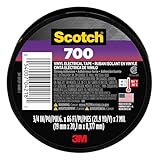
I remember staring at a mess of wires behind my old amplifier, a bird’s nest of black and red. I needed to tidy it up, and in my toolbox sat a roll of that ubiquitous black tape. ‘Perfect,’ I thought. Fast forward a week, and my stereo was making this awful buzzing noise. Could that cheap electrical tape be the culprit? It’s a question many tinkerers ask: can electrical tape make wires not work? The answer, frustratingly, is a complicated ‘yes,’ and it boils down to understanding what that tape is actually for and what it isn’t.
It’s not some magical cure-all for dodgy connections. I learned that the hard way, spending more money on replacement parts than the original unit cost. We’re going to cut through the fluff and talk about what really happens when you rely on electrical tape for more than its intended purpose.
When Does Electrical Tape Fail Wires?
Let’s get this straight from the jump: electrical tape is NOT designed to be a permanent fix for damaged wire insulation. Its primary job is to provide temporary insulation for connections that are already sound, like those made with wire nuts or crimp connectors. Think of it as a secondary layer of protection, not the primary one.
If you’ve got a wire that’s frayed, nicked, or completely split, wrapping it with electrical tape is like putting a Band-Aid on a broken bone. It might hold for a bit, but it’s going to fail. I learned this when I tried to ‘fix’ a frayed cord on my beloved ancient toaster oven.
I wrapped it up good and tight, feeling pretty proud of my DIY skills. A few days later, the toaster just… died. No smoke, no sparks, just a silent, dead appliance. Turns out the fraying was worse than I thought, and the tape couldn’t handle the flexing and heat.
It’s about understanding its limitations. Electrical tape degrades over time, especially when exposed to heat, UV light, or certain chemicals. What looks secure today might be brittle and cracked in a year, leaving your wires exposed and vulnerable.
For true repairs, you need proper wire connectors, heat shrink tubing, or even a full replacement of the damaged section.
The common advice you’ll find everywhere is to use it for ‘insulating’ wire splices. And yeah, it does that. But the devil is in the details. If the splice itself is weak, the tape won’t magically make it strong.
It’s all about the underlying connection. If you’re making a new connection, say, adding an extension to a low-voltage lighting circuit, you’ll typically use wire nuts or Wago connectors.
After securing those, a wrap of electrical tape can add an extra layer of physical protection and prevent stray strands from escaping. But if the wire nut is loose or the connection is otherwise poor, the tape is just masking a problem that will eventually surface. This is where the confusion happens. People see tape, they think ‘insulation,’ and they assume it fixes everything.
It doesn’t.
What Electrical Tape actually Does (and Doesn’t Do)
So, what’s the deal with this sticky stuff? Electrical tape is usually made from vinyl, and it’s designed to be flexible and somewhat resistant to abrasion and moisture. Its dielectric strength – that’s its ability to withstand voltage without conducting electricity – is decent for low-voltage applications. A good quality tape, like 3M Super 33+ or Temflex 1500, can handle up to 600 volts.
That’s plenty for most household wiring jobs. The trick is how you apply it. (See Also: Can I Use Electrical Tape To Connect Wires )
You want to stretch it slightly as you wrap, creating a tight, smooth layer. Overlapping by at least half the tape’s width helps prevent moisture ingress and makes sure a snug fit. This is how it provides protection against short circuits and minor electrical shocks from exposed conductors in certain situations.
However, here’s the contrarian take: I’ve seen guys use electrical tape as a primary insulator for wire ends that are literally falling apart. They wrap it on thick, thinking more tape equals more protection. That’s just wrong.
It’s like trying to patch a leaky boat with more duct tape without fixing the hole. It gives a false sense of security. If the copper wire is damaged underneath, the tape is basically a thin plastic barrier over a failing connection.
It can’t magically fuse broken strands or repair insulation that’s been chewed by a rodent. In those cases, you’re just delaying the inevitable, and potentially creating a bigger fire hazard down the line.
For any repair that involves actual damage to the wire’s core structure or significant insulation degradation, you need to cut out the bad part and splice in new wire, or replace the entire cable. Electrical tape is for clean, secure connections that need a little extra protection, not for holding together wires that are falling apart.
My Mistake: Thinking Tape Was a Fix-All
I’ll confess, I once spent an entire Saturday trying to fix a power cord for my old lawnmower. The insulation was cracked in a few places, and I was on a budget. My brilliant idea? Wrap the hell out of it with electrical tape.
I used a whole roll, stretching it tight, layering it on thick, making it look almost factory-new. I fired up the mower, and it ran for about ten minutes before it sputtered and died.
I checked the connection again, and sure enough, the tape had worked its way loose, exposing a frayed wire underneath. It wasn’t just loose; it was actually starting to melt the tape around it from the heat generated by the poor connection. That experience taught me a valuable, albeit expensive, lesson.
Electrical tape is a temporary insulator and protective wrap, NOT a structural repair material. When a wire’s insulation is compromised beyond simple nicks, the underlying conductors are often stressed, and the tape can’t bear that load or the heat generated by the failing connection.
It was a cheap fix, but the cost of replacing the mower’s motor because of that faulty cord was a different story entirely. I ended up buying a new cord for $45, and the old mower was toast.
The key takeaway here is that the ‘work’ electrical tape does is limited to the integrity of the connection beneath it. If you have a solid mechanical and electrical connection, and the wire insulation is merely nicked or you need an extra layer of protection in a damp environment, then tape can serve its purpose.
But if the wire itself is breaking, corroding, or the insulation is brittle and flaking off, no amount of tape will magically restore its functionality or safety. You’re basically papering over a hole in the wall. It looks better for a minute, but the structural problem remains, and it will eventually cause bigger issues. (See Also: Can Electrica Tape Catch On Fire )
Always inspect the wire itself for damage before reaching for the tape. If the copper is corroded, frayed, or the insulation is crumbling, tape is not your solution.
When Electrical Tape can Work (and How to Use It Right)
Okay, so when is electrical tape a good idea? It shines when you’re working with low-voltage DC systems, like those in cars, boats, or model trains, where the voltage is low and the potential for arcing is minimal. For instance, if you’re adding a new accessory to your car’s wiring harness, you might use a butt connector or a T-tap to join wires. After you’ve made that secure connection, wrapping the splice with high-quality electrical tape provides a barrier against moisture, vibration, and accidental shorts if something brushes against it. This is where it’s doing its job effectively: protecting a good connection from the elements and physical stress.
Here’s a process for using it effectively:
- Inspect the Connection: Make sure the wires are properly joined with a suitable connector (wire nut, crimp, Wago, etc.). The connection should be mechanically sound and electrically continuous.
- Clean the Area: Make sure the wires and the area around the splice are clean and dry.
- Stretch and Wrap: Begin wrapping the tape about an inch before the splice and continue about an inch past it. Stretch the tape slightly as you wrap to make sure it adheres well and creates a smooth, layered surface. Overlap each layer by at least half.
- Secure the Ends: For added security, you can wrap a small piece of tape around the very ends of the wrapped section to prevent peeling.
- Test: After wrapping, gently tug on the wires to make sure the connection is secure and the tape hasn’t shifted.
It’s also useful for bundling loose wires together to keep things tidy, or for adding a bit of grip to tool handles. But again, this is about its physical properties, not about fixing failing electrical integrity. Think of it as a temporary protective coating for things that are already structurally sound. I use it regularly on my bike’s wiring for exactly this reason – to keep moisture out of connector points. It’s not holding failing wires together; it’s just adding a protective layer to solid junctions.
Common Mistakes That Make Tape Fail
The biggest mistake people make, and one I’ve been guilty of, is using the wrong type of tape. Not all tapes are created equal. That cheap, generic tape you grabbed from a discount store is likely to dry out, crack, and lose its adhesion much faster than a good quality vinyl electrical tape from a reputable brand. I once used some off-brand stuff on an outdoor lighting project, and within six months, it was brittle and peeling away, leaving the connections exposed to the elements. I ended up having to replace the entire fixture.
Another huge error is using it on wires that are too hot. Standard electrical tape has a temperature rating.
If the wires you’re working with generate heat beyond that rating, the tape will soften, melt, and fail. This is common in high-amperage circuits or in applications near heat sources, like engines or heating elements. For high-temperature applications, you need specialized tapes like high-temperature vinyl tape or even silicone tape.
Also, as mentioned before, using it as a primary repair for damaged insulation is a recipe for disaster. It’s like using a flimsy patch on a gaping hole. The tape will eventually fail, and you’ll be left with exposed conductors, potentially causing shorts, shocks, or fires.
The common advice of just wrapping it until it feels secure is often insufficient. It needs to be a proper, well-executed wrap with good overlap and tension, applied to a wire that doesn’t have underlying structural damage.
Here’s a quick rundown of mistakes to avoid:
| Mistake | Why It Fails | Verdict |
|---|---|---|
| Using cheap, generic tape | Dries out, cracks, poor adhesion | Avoid. Invest in good quality. |
| Using on high-heat applications | Melts, softens, loses insulation | Very dangerous. Use specialized tape. |
| Taping over damaged wire insulation | Doesn’t fix underlying problem, weak | Major safety hazard. Repair properly. |
| Insufficient stretching/wrapping | Poor adhesion, gaps, moisture ingress | Weak connection, premature failure. |
What to Use Instead for Real Repairs
When electrical tape falls short – which it often does for actual repairs – you need to reach for the right tools. For splicing wires, my go-to is always a solid mechanical connector.
Wire nuts are the classic choice for household AC wiring, but for a more solid and vibration-resistant connection, especially in automotive or outdoor applications, I prefer crimp connectors. You get a nice, tight electrical bond, and then you can use heat shrink tubing over the top. Heat shrink tubing, when properly applied with a heat gun, creates a sealed, insulated, and often waterproof barrier that’s far more durable and reliable than tape. I’ve used heat shrink on everything from trailer wiring to speaker cables, and it’s never let me down. (See Also: Can I Substitute Duct Tape For Electrical Tape )
It makes for a clean, professional-looking finish too.
Another excellent option for quick, reliable connections is Wago lever nuts. You just strip the wire, pop it into the terminal, and flip the lever. Done.
They’re incredibly fast and secure, and they’re rated for significant voltage and current. While you can wrap them with tape for extra protection, the connection itself is solid without it. For repairing a damaged cable that’s beyond simple splicing, like the power cord on an appliance, replacement is usually the safest and most effective route. Trying to patch a heavily damaged cord with tape or even heat shrink is generally not advisable from a safety perspective.
It’s better to buy a new cord or have a qualified technician repair it. Think of electrical tape as a finishing touch for good connections, not a foundational fix for bad ones. For anything more substantial, consider heat shrink tubing, proper connectors, or simply replacing the faulty component.
People Also Ask:
Will Electrical Tape Stop a Short Circuit?
Electrical tape can offer temporary protection against accidental short circuits by providing an insulating barrier, but it’s not a reliable long-term solution for a damaged wire. If a wire is significantly frayed or its insulation is compromised, the tape can only offer a very limited buffer. The underlying issue of the exposed conductor remains, and if the tape fails or is subjected to enough stress, a short circuit can still occur. For permanent protection against short circuits, proper insulation, secure connections, and wire repair or replacement are necessary.
Can I Use Electrical Tape on a Hot Wire?
You can use electrical tape on a wire that is carrying voltage, provided the tape is rated for that voltage and the temperature. However, you should never work on a ‘hot’ wire without de-energizing the circuit first. Electrical tape’s primary function is to insulate connections after they are made and the circuit is off, or to provide an extra layer of protection to already sound wiring. Attempting to wrap a live, exposed ‘hot’ wire with tape is extremely dangerous and can lead to severe shocks or electrocution. Always turn off the power at the breaker before performing any electrical work.
How Long Does Electrical Tape Last?
The lifespan of electrical tape varies significantly depending on the quality of the tape, environmental conditions, and how it’s applied. High-quality tapes from reputable brands, when applied correctly in a protected environment, can last for many years. However, in harsh conditions like exposure to direct sunlight, extreme temperatures, moisture, or chemicals, the tape can degrade much faster, becoming brittle, cracking, or losing its adhesion within months or a couple of years. It’s always a good idea to periodically inspect any taped electrical connections, especially those in exposed or demanding locations.
Is Electrical Tape Waterproof?
Most standard vinyl electrical tapes offer a degree of water resistance due to their plastic composition and the tight, layered wrapping technique used. However, they are not typically considered fully waterproof in submersion or prolonged exposure to heavy moisture. Gaps in the wrapping, poor adhesion, or damage to the tape can allow water to penetrate. For truly waterproof applications, specialized waterproof electrical tapes or sealing compounds are usually required. While it can help protect connections from incidental splashes or humidity, relying on it for complete submersion protection is not recommended.
Final Verdict
So, to bring it back to the initial question: can electrical tape make wires not work? Absolutely, if you misuse it. It’s a tool with a specific purpose, not a magic wand for electrical problems. Relying on it to fix frayed wires or hold together failing connections is a gamble with your safety and your equipment’s longevity.
When in doubt, always opt for proper connectors, heat shrink tubing, or replace the damaged wire entirely. Don’t let a cheap roll of tape lull you into a false sense of security. Your time, money, and safety are worth more than a quick, flimsy fix. Remember, good electrical work is about solid connections and reliable insulation, and tape is just the small, often temporary, finishing touch.
If you’re faced with a wire that looks suspect, take the extra time to do it right. It’s the honest way to make sure things don’t stop working unexpectedly.