I remember staring at a leaky garden hose fitting, the water spitting out like a tiny, angry geyser. My toolbox was a disaster zone, a graveyard of good intentions and forgotten gadgets.
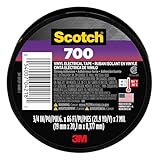
I desperately needed to fix it, and my mind immediately went to the roll of black electrical tape sitting on a shelf. It’s stretchy, sticky… surely it could do the job, right? Well, that’s the million-dollar question some folks ask: can electrical tape replace Teflon tape? I’ve been wrestling with plumbing issues, both big and small, for years, and I’ve learned a thing or two about what works and what’s just a waste of time and money.
And honestly? The answer to whether electrical tape can step in for Teflon tape is a resounding ‘it depends,’ and usually, ‘not really.’
I’ve seen more than my fair share of DIY disasters, and a lot of them stem from using the wrong material for the job. You’d be surprised how many people reach for the nearest roll of tape when faced with a leaky pipe. It’s a common thought process, especially when you’re in a pinch and don’t have the specific plumbing tape handy. But trust me, I’ve been there, and I’ve paid the price for those shortcuts. Let’s get down to brass tacks about whether electrical tape is a viable substitute for plumber’s tape.
The Real Deal with Thread Sealant Tape
Alright, let’s talk about the OG: Teflon tape, or more accurately, PTFE (polytetrafluoroethylene) tape. Its real job is to act as a lubricant and a sealant on threaded pipe connections.
When you screw two pipes together, especially metal ones, there are microscopic imperfections on the threads. Even if they look smooth, they’re not perfectly flat. PTFE tape fills those tiny gaps.
As you tighten the fitting, the tape is compressed, creating a seal that prevents leaks. It’s not just about blocking the hole; it’s about deforming to the contours of the threads. It’s also slick, which helps you tighten the fitting down more easily without galling the threads (that’s when the metal rubs and binds). I’ve always kept a few rolls in my plumbing kit, and for standard water lines, it’s usually my go-to.
It’s cheap, readily available, and generally does exactly what it’s supposed to do. I’ve probably used it on hundreds, if not thousands, of connections over the years, from simple faucet repairs to more involved pipework in my old house. The key is applying it correctly – wrapping it in the direction of the threads, usually three to four wraps, not too tight, not too loose.
Now, here’s where things get interesting. People think because electrical tape is sticky and stretchy, it can do the same thing. Electrical tape’s primary function is, well, electrical insulation.
It’s designed to prevent electrical current from passing through, and it’s made of vinyl, which is a good insulator. It’s also stretchy and adheres well to itself and other surfaces. This elasticity is what tricks people into thinking it can conform to threads like PTFE tape.
I once had a buddy who swore he fixed a leaky shower valve with electrical tape. He was so proud of his ingenuity. A week later, the same fitting was spraying water like a sprinkler. He’d just managed to temporarily dam the flow, not actually seal the threads.
The water pressure eventually won. The tape itself isn’t designed to compress and fill those microscopic voids the way PTFE does; it just squishes and can let water find its way past. It’s more of a patch than a seal in this context.
Plus, depending on the type of tape, it might degrade over time when exposed to constant moisture and temperature fluctuations, which are common in plumbing scenarios. It’s designed for dry, electrical environments, not wet, pressurized ones.
Why Electrical Tape Fails Where Teflon Tape Succeeds
Let’s get specific about the differences. PTFE tape is thin and flexible, allowing it to be wound tightly around threads and compressed effectively. When you tighten a fitting sealed with PTFE tape, the tape’s material is forced into the imperfections of the threads, creating a barrier against the liquid or gas.
It’s a physical deformation that seals. Electrical tape, on the other hand, is thicker and more rubbery.
While it stretches, it doesn’t compress in the same way to create a tight, void-filling seal. Instead, it tends to bunch up or tear under the pressure needed for a proper seal.
I learned this the hard way when I tried to use electrical tape on a gas line fitting. I thought, ‘It’s sealed, it’s tight, what could go wrong?’ The gas company had to come out and re-do it because, surprise, surprise, there was a slow leak. The instructor at the plumbing workshop I took later explained that gas requires a much more solid seal, and that flimsy electrical tape just wasn’t up to the task. He even mentioned that some electrical tapes, especially older ones, can actually break down when exposed to certain chemicals or solvents that might be present in some plumbing systems, creating an even worse situation. (See Also: Can I Use Electrical Tape To Connect Wires )
PTFE is chemically inert, which is a big plus.
Think about the environments. PTFE tape is designed to handle a range of temperatures and pressures commonly found in water and even some gas lines (specific types, of course).
Electrical tape is designed to insulate wires. Its operating temperature range and resistance to moisture and pressure are usually much lower. I once had a roll of electrical tape, left in the back of my truck over a hot summer, turn into a sticky, gooey mess. Imagine that kind of material under pressure and heat in a plumbing line.
It’s a recipe for disaster. While some modern electrical tapes might be more resilient, their core purpose isn’t thread sealing. It’s like using a screwdriver as a hammer – you might get it to work once, but it’s not what it was made for, and you’ll probably damage both the tool and the job.
I’ve spent over $50 on various rolls of electrical tape over the years, only to find it brittle or sticky when I actually needed it for its intended purpose. That $2 roll of PTFE tape, however, has consistently done its job for pennies on the dollar when used for plumbing.
When Electrical Tape Might seem Like a Fix (and Why It’s Still a Bad Idea)
Okay, let’s be brutally honest. In an absolute, screaming, dire emergency, where you have NO plumber’s tape and you need to stop a minor drip immediately for a few hours until you can get to the store, maybe, just maybe, you could wrap electrical tape around a faucet aerator or a very low-pressure garden hose connection. I’m talking about a situation where failure isn’t going to cause a flood or a fire.
I tried this once on a garden hose that was just weeping a bit at the spigot. I wrapped it tight, and for a day or two, it seemed to hold. I was smug. Then, on day three, when I went to water my tomatoes, it blew off, spraying water everywhere and soaking my shoes.
It was a pathetic attempt at a seal. The tape just stretched and lost its adhesion under the constant water flow and slight pressure. It created a temporary barrier, nothing more. It’s a band-aid on a bullet wound, and it’s not even a very good band-aid.
The problem is that “temporary” rarely stays temporary. What seems like a quick fix can lead to a much bigger problem down the line. You might think you’ve saved yourself a trip to the hardware store, but you’re more likely to end up with a bigger mess, potentially water damage, or even a safety hazard if it’s a gas line (which, again, you should NEVER use electrical tape on). I’ve heard stories of people using electrical tape on things like toilet tank connections or even under sinks, only to come home to a soggy mess.
The vibration from the water, the constant dampness, the temperature changes – these all conspire against the tape’s adhesive properties and structural integrity. So, while you might be able to get a few hours of ‘dry’ out of it in a pinch, it’s never a replacement. It’s like using a paperclip to hold your car’s exhaust system together. It might work for a block, but you’re asking for trouble.
What to Actually Look for in Thread Sealant
When you’re actually in the plumbing aisle, looking for the right stuff, you’ll see a few options. The most common is the white PTFE tape, often called plumber’s tape.
This is your everyday, do-it-all option for water lines. Then there’s the pink PTFE tape, which is usually thicker and designed for natural gas lines. Don’t mix them up. For gas, always use the tape specifically rated for gas.
It’s a different formulation and color for a reason. Beyond tape, you also have pipe dope, which is a paste-like sealant.
It comes in different formulations – some for water, some for gas, some for high temperatures. I personally find pipe dope a bit messier to work with than tape, especially on smaller fittings, but for certain applications, like those on larger pipes or where I want extra assurance, it’s a solid choice.
I once had a stubborn leak on a well pump connection, and after tape and then more tape failed, a good quality pipe dope finally sealed it up tight. It’s all about matching the sealant to the application.
You can find good quality PTFE tape for under $3 a roll, and a tub of pipe dope might set you back around $10-$15, but it lasts ages. (See Also: Can Electrica Tape Catch On Fire )
When buying PTFE tape, look for brands that are specifically designed for plumbing. Some generic tapes might be too thin or too brittle.
For standard water connections, any reputable brand of white PTFE tape will do. If you’re dealing with anything more specialized, like hot water heaters, high-pressure lines, or specific types of plastic piping, it’s always worth checking the manufacturer’s recommendations for thread sealant. They’ll often specify if a particular type of tape or dope is required.
For instance, on some plastic pipe fittings, especially those with O-ring seals, you might not need any tape at all, or just a light coating of a silicone-based lubricant. Over-tightening with excessive tape on plastic can actually damage the threads.
My rule of thumb is to always check the manual or consult a pro if I’m unsure. It’s much cheaper than replacing a cracked pipe or a damaged fitting.
The cost savings from using the right product upfront far outweigh the minor savings of a cheap imitation.
| Product | Pros | Cons | Verdict |
|---|---|---|---|
| PTFE Tape (White) | Inexpensive, easy to apply, effective for water lines, chemically inert. | Can be tricky to apply perfectly, not ideal for all materials. | My Go-To for most water connections. Reliable and cheap. |
| PTFE Tape (Pink/Yellow) | Specifically formulated for gas lines, thicker than white PTFE. | More expensive than white PTFE, requires careful application for gas safety. | Key for gas lines. Never substitute. |
| Pipe Dope | Can provide a very solid seal, good for larger pipes or damaged threads, versatile formulas available. | Messy, can be difficult to clean up, requires specific types for different applications. | Reliable Backup when tape isn’t enough or for specific heavy-duty jobs. |
| Electrical Tape | Stretchy, sticky, good electrical insulator. | Poor thread sealant, degrades with moisture/pressure, can fail unexpectedly. | Absolutely Not for plumbing. Use only for its intended electrical purpose. |
Common Mistakes and How to Avoid Them
The most common mistake, obviously, is thinking electrical tape can replace PTFE tape. But there are other pitfalls even with the right materials.
One big one is applying too much or too little tape. Too little, and you won’t get a seal. Too much, and it can bunch up, prevent the fitting from seating properly, and even blow out the back of the fitting when you tighten it, making the leak worse.
I learned this when I was trying to seal a shower arm into the wall pipe. I wrapped the tape about ten times, thinking ‘more is better.’ When I screwed it in, it felt too loose, then all of a sudden it got really tight, and I worried I’d stripped the threads. Lo and behold, it leaked. I had to take it apart, clean off the excess tape, and reapply just three good wraps.
Another mistake is wrapping the tape in the wrong direction. If you wrap it counter-clockwise on a fitting that tightens clockwise, the tape will just unwind as you screw the fitting on. Always wrap in the same direction the fitting will turn to tighten. It seems obvious, but in the heat of the moment, it’s an easy slip-up.
I remember doing this on a garden faucet once, and it just wouldn’t seal. Took me ages to figure out why.
Another mistake I’ve seen, and admittedly made myself early on, is using the wrong type of tape for the job. Using white PTFE tape on a natural gas line is a huge no-no. The formulations are different, and the gas-rated tape is designed to withstand the specific properties of natural gas and the pressures involved. Similarly, using tape on fittings that don’t require it can cause problems.
Some compression fittings, for example, rely on the metal-to-metal seal of the compression ring, not on thread sealant. Applying tape there can interfere with the compression mechanism. Always read the instructions for the specific fitting you’re using.
When I was installing a new dishwasher, the instructions explicitly said not to use any thread sealant on the water inlet connection because it used a rubber gasket. I almost put tape on it out of habit. Thankfully, I double-checked. That would have been another costly mistake, potentially leading to a leak and water damage.
It’s about understanding the mechanism of the fitting itself, not just the threads.
A Few Practical Tips From the Trenches
Here are a few things I’ve picked up that make working with thread sealant tape a lot less frustrating. First, make sure the threads are clean and dry before you start. Any dirt, debris, or old sealant will prevent a good seal. Give them a quick wipe-down.
Second, don’t over-tighten. PTFE tape creates a seal that allows you to tighten fittings firmly, but you don’t need to crank on them like you’re trying to break them loose. (See Also: Can I Substitute Duct Tape For Electrical Tape )
Overtightening can damage the threads or the fitting itself. For most standard pipe fittings, tighten it hand-tight, then give it about a quarter to a half turn with a wrench. If it’s still leaking after that, you might need to take it apart and reapply.
Third, if a joint leaks slightly after assembly, don’t immediately panic and start ripping it apart. Sometimes, especially with water, the tape needs a little bit of time and pressure to fully seat. Give it a few minutes. If it’s still dripping, then it’s time for a repair.
I’ve had a few connections that wept a tiny bit initially and then sealed themselves up as the water pressure worked its magic on the compressed tape. It’s a bit of a gamble, but it sometimes pays off.
One last tip that saved me a lot of headaches: when wrapping the tape, pull it taut. You want it to stretch slightly and conform to the threads. Don’t just lay it on loosely.
As you wrap, try to keep the tape flat and avoid bunching. For metal pipes, three to four wraps is usually plenty. For plastic pipes, you might get away with two to three.
Again, check the fitting manufacturer’s specs. And if you’re really struggling with a leak that just won’t quit, consider using a thread sealant compound (pipe dope) in conjunction with the tape, or even instead of it, depending on the fitting. I’ve found that for really stubborn connections, a combination of tape and a bit of dope can provide that extra bit of insurance. I learned this from an old-timer plumber who said, ‘Tape helps it go on smooth, dope seals it up tight.’
He wasn’t wrong.
Faq: Your Burning Questions Answered
Can Electrical Tape Be Used for Plumbing at All?
No, electrical tape is not suitable for plumbing applications. Its primary purpose is electrical insulation, not sealing threads against water or gas pressure. While it’s stretchy and sticky, it lacks the specific properties required to form a durable and reliable seal on pipe threads, often leading to leaks and potential damage.
Is Teflon Tape Waterproof?
Yes, Teflon tape (PTFE tape) is waterproof and designed to create a watertight seal on threaded pipe connections. Its material is chemically inert and resistant to moisture, making it an effective sealant for water lines and many other fluid systems.
How Many Wraps of Teflon Tape Should I Use?
For most standard water connections, three to four wraps of PTFE tape are generally sufficient. The exact number can vary slightly depending on the tape thickness and the thread type. The goal is to fill the gaps without overdoing it, which can cause the fitting to not seat properly or even damage the threads.
Can I Use Electrical Tape on a Gas Line?
Absolutely not. Using electrical tape on a gas line is extremely dangerous and can lead to leaks and potentially a fire or explosion. Gas lines require specialized thread sealant tape (often pink or yellow PTFE) or pipe dope specifically rated for gas applications.
What’s the Difference Between White and Pink Teflon Tape?
White PTFE tape is typically used for general water supply lines. Pink or yellow PTFE tape is usually thicker and specifically formulated for use on natural gas and propane lines, offering a more solid seal required for these applications. Always use the correct color-coded tape for gas lines.
Conclusion
So, to circle back to that leaky hose fitting and the tempting roll of black tape: no, electrical tape is not a replacement for Teflon tape in plumbing. I’ve wasted enough time and money on failed DIY fixes to know the difference. While it might seem like a quick fix in a desperate moment, it’s a gamble that rarely pays off. You’re far better off making a quick trip to the store and getting the right tool for the job, which in this case is PTFE tape. It’s cheap, it’s effective, and it’s designed for exactly this purpose.
Sticking to the right materials saves you headaches, potential water damage, and the embarrassment of having to call a plumber for a problem you tried to patch up with the wrong stuff. Next time you’re faced with a leaky connection, resist the urge to grab the electrical tape. Reach for the plumber’s tape instead. Your pipes, and your wallet, will thank you.
If you’re in a real bind and can’t get to the store immediately, sometimes a temporary clamp or a strategically placed bucket can buy you time. But when it comes to sealing threads, there’s no substitute for the proper product. Can electrical tape replace teflon tape? My honest, experience-tested answer is a hard no. Go get the right stuff.