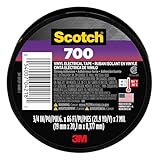
I remember staring at a frayed lamp cord, the copper strands looking like a tiny, angry hedgehog. My buddy Dave, ever the pragmatist, just shrugged and said, “Grab the electrical tape, man. It’ll hold.” It was a moment of truth: can I connect 2 wires using electrical tape and actually have it be safe? This isn’t about fancy jargon or corporate speak; it’s about whether you can make a quick fix without setting your house on fire or creating a whole new problem. I’ve been there, staring at a DIY job gone slightly sideways, wondering if the easy way out is actually the right way.
So, Can You Actually Connect Wires with Electrical Tape?
Let’s cut to the chase. The short, blunt answer is: sometimes, for very specific, temporary situations, and only if you’re really careful. But if you’re asking if it’s a permanent, code-compliant, or even remotely solid solution for anything beyond a low-voltage, low-current, completely inaccessible fix, then the answer is a resounding NO. I learned this the hard way, trying to repair a garden light that kept shorting out. I wrapped it up with what I thought was good quality electrical tape, feeling pretty smug about my DIY skills. A week later, after a good rain, it sparked again and fried the entire low-voltage transformer. Lesson learned: electrical tape is NOT a substitute for proper connectors.
Electrical tape, at its core, is made of vinyl. It’s designed to be stretchy, insulate against minor shocks, and resist abrasion to a degree.
It’s great for bundling wires, protecting them from getting nicked, or adding an extra layer of insulation over an existing, intact wire jacket. It’s also fantastic for temporary fixes on things like appliance cords that have a small nick, where the power is off and you’re just trying to keep the exposed wire from being touched before you can replace the cord. But joining two bare wires together? That’s a different ballgame entirely.
It’s like trying to patch a leaky roof with cling film – it might work for a minute, but don’t expect it to last through a storm.
The real issue is mechanical integrity and long-term electrical insulation. When you tape two wires together, you’re relying on the tape to hold them securely in place and to keep any exposed metal from touching each other or anything else. Over time, tape can dry out, crack, lose its stickiness, and become brittle, especially when exposed to temperature fluctuations, sunlight, or moisture. This leaves the wires vulnerable. Plus, a taped connection isn’t mechanically sound; it can easily come apart under tension or vibration, leading to intermittent connections or, worse, a complete short circuit.
I’ve seen folks use it to connect speaker wires in a pinch, or to temporarily fix a battery terminal connection. For things like that, where the voltage is low and the stakes are relatively low, it might hold for a while.
But even then, it’s a hack, not a fix. If you’re dealing with mains voltage (your house wiring), or anything that carries significant current, or anything that will be exposed to the elements or significant movement, you are playing with fire. Literally.
My first electrical disaster involved a cheap power strip and a jury-rigged extension cord. The tape held for about three days before it all went up in a puff of smoke. The smell of burning plastic is something you don’t forget.
Why Your “electrical Tape Job” Is Probably a Bad Idea
The common advice you’ll find online, often from people who’ve never actually done serious electrical work, is that electrical tape is a miracle cure for any loose wire. I’m here to tell you that’s mostly garbage. While it has its uses, it’s often vastly overrated for anything that involves actually joining two conductors. Think about it: the tape is sticky vinyl. It’s not designed to hold metal conductors together under load. That’s the job of wire nuts, Wago connectors, crimp sleeves, or solder. These methods create a secure, reliable, and electrically sound connection. Tape just… sticks things together.
One of the biggest myths is that any electrical tape is good enough. Not true. There’s cheap, flimsy stuff that feels like it’ll peel off your fingers before you even get it on the wire. Then there’s decent quality tape, like 3M Super 33+ or 88.
These are thicker, more flexible, and have better adhesive and dielectric properties. But even the best electrical tape has limits.
It’s not rated for high-voltage applications, and its insulating properties degrade over time. I once tried to use some generic brand tape on a car headlight connector that had a loose wire. Within a month, the heat from the bulb had melted the adhesive, and the wire was dangling free, causing the light to flicker like a strobe. (See Also: Can I Use Electrical Tape To Connect Wires )
The good stuff might last longer, but it’s still a temporary patch.
Here’s a contrarian opinion for you: Most DIYers who think electrical tape is a viable connector are actually making their electrical systems less safe. They might get away with it for a while, especially on low-voltage or low-demand circuits, but they’re creating a ticking time bomb. It’s like using duct tape to fix a brake line. Sure, it might hold for a bit, but when it fails, the consequences are severe. The danger isn’t just about electrocution; it’s about fire. Frayed wires, loose connections, and exposed conductors are a leading cause of house fires. Relying on tape for a proper connection is a gamble I’m not willing to take with my home or my family’s safety.
The fundamental problem is that electrical tape doesn’t create a continuous, conductive path in the way a proper connector does. It’s an insulator, yes, but it’s a flimsy one when trying to join things. If you’re just wrapping a bundle of wires to keep them tidy, fine. If you’re covering a tiny nick in a wire’s insulation, okay, as a temporary fix. But if you’re trying to make two bare wires touch each other and have electricity flow reliably and safely through that junction? You’re asking for trouble. The metal-to-metal contact is most important for good conductivity and preventing resistance buildup, which leads to heat.
When Electrical Tape might Be Okay (and When It’s a Hard No)
Let’s get this straight: I’m not saying electrical tape is completely useless. It has its place. If you’ve got a frayed wire on a lamp cord that’s barely carrying any load, and you’re just trying to prevent the strands from spreading further until you can replace the cord, a few tight wraps of good quality electrical tape can be a temporary stop-gap.
Or, if you need to insulate a small nick in a wire that’s not going to be flexed or exposed to moisture, it can work for a while. I used it once to secure a loose wire loom in my car, just to stop it from rattling. That’s the kind of thing it’s good for: minor protection, bundling, and insulation of existing, intact wires.
However, there are lines you absolutely should not cross. Connecting two bare wires together, especially in any permanent or high-demand application, is a massive NO. This includes anything in your main house wiring, appliances that draw significant power (like ovens, microwaves, washing machines), car engine compartments where heat and vibration are constant, or anything exposed to outdoor elements like rain, sun, or extreme temperatures. Think of the classic image of a spliced wire in an old extension cord – that’s often where tape goes wrong. The insulation breaks down, the connection loosens, and bad things happen.
Here’s a breakdown of what’s generally a bad idea versus what might be acceptable:
| Application | Verdict | Why |
|---|---|---|
| Joining two bare mains voltage wires (e.g., from a wall outlet) | Hard No | Fire hazard, electrocution risk, unstable connection. Use proper connectors. |
| Temporary fix for a small nick on a low-voltage appliance cord (power off) | Maybe (Temporary) | Can protect exposed wire from accidental contact. Replace cord ASAP. |
| Bundling wires for neatness | Yes | Protects existing insulation, keeps wires tidy. |
| Securing a loose wire loom in a car (not a important circuit) | Maybe | Can stop rattling. Make sure it’s not pulling on connections. |
| Joining speaker wires for a temporary setup | Risky (Low Voltage Only) | Better options exist. Can fail over time, affecting sound or causing shorts. |
| Permanent repair of a damaged power cord | No | Cords are designed to be replaced, not spliced with tape. |
The key phrase here is ‘temporary’ and ‘low-voltage’ for the ‘maybe’ scenarios. If you’re ever in doubt, the safest bet is always to use the correct connector for the job. It might cost a few bucks and take an extra five minutes, but it’s worth it for peace of mind and safety. I once spent a good hour trying to tape up a rodent-chewed wire in my attic. It seemed to work, but then I kept hearing weird pops and crackles. Turns out the tape wasn’t holding the exposed wires apart, and they were arcing. Pulled the whole mess out and replaced the section of wire with a proper splice. No more crackling, no more fires.
The Right Way: Proper Wire Connections
Since we’ve established that using electrical tape as a primary connector is generally a bad idea, let’s talk about what you should be doing. The goal of any wire connection is to create a secure, continuous, and electrically sound pathway for electricity to flow. This means good mechanical contact between the conductors and solid insulation over the connection.
The most common and generally accepted method for joining household wires is using wire nuts. These are plastic caps with internal threads that you twist onto the ends of stripped wires. They hold the wires together mechanically and provide insulation. Make sure you get the right size for the number and gauge of wires you’re joining. Too small, and they won’t grip. Too big, and they won’t provide enough insulation or may not hold securely.
Another excellent option, especially for ease of use and security, are Wago connectors (often called lever nuts or push-in connectors). You strip the wire to the recommended length, push it into the corresponding slot, and a lever locks it in place. They’re incredibly fast, reliable, and can be reused. I’ve been using these on a recent renovation project, and they’ve saved me a ton of time compared to wire nuts, especially when dealing with multiple wires in a tight junction box. They feel rock-solid.
For certain applications, like automotive wiring or electronics, crimp connectors are the way to go. These are metal sleeves that you slide over the stripped ends of wires and then crimp down using a special tool. This creates a very strong mechanical and electrical connection. They then need to be insulated, often with heat-shrink tubing or, yes, a bit of electrical tape over the heat shrink for added protection. I’ve used these to repair trailer wiring harnesses, and they hold up incredibly well to vibration and moisture. (See Also: Can Electrica Tape Catch On Fire )
Soldering is another method, often used by electronics enthusiasts. It creates a very strong, low-resistance connection, but it requires skill and the right tools. After soldering, the connection must be insulated, typically with heat-shrink tubing. While it’s a superior connection in many ways, it’s often overkill for household wiring and can be more time-consuming.
Finally, let’s talk about the ‘maker’ solution: terminal blocks. These are strips of connection points where you can screw down wires. They’re great for organizing multiple circuits and making connections that are easy to access and change. I use these in my workbench area to distribute power from a single source to various tools and charging stations.
The key takeaway is that these methods are designed specifically for joining wires. They create a solid, reliable connection that’s meant to last. They don’t degrade over time due to UV exposure, temperature, or simple aging in the same way tape does. When you’re dealing with electricity, especially the kind that powers your home, using the right tool for the job isn’t just about convenience; it’s about safety. I remember a time I had to fix a dryer cord that had partially melted. I used Wago connectors and heat shrink. It was a bit fiddly, but it felt so much more secure than any tape job ever could.
Common Mistakes and How to Avoid Them
The biggest mistake, as we’ve hammered home, is thinking electrical tape is a proper wire connector. But there are other pitfalls to watch out for, even when you’re trying to do things the right way. One common error is using the wrong size wire nut or connector for the wire gauge and number of wires. If it’s too big, it won’t hold securely. If it’s too small, you might crush the wires or not get a good connection. Always check the packaging for the manufacturer’s recommendations.
Another mistake is not stripping enough insulation off the wire, or stripping too much. Not enough means the metal conductor won’t make good contact with the connector. Too much means you’ll have exposed copper beyond the connector, which is a potential hazard. Aim for just enough insulation removed so that the bare wire is fully enclosed by the connector. For Wago connectors, the packaging usually has markings indicating the correct strip length. For wire nuts, it’s a bit more visual – you want to see a bit of the copper from each wire peeking out from under the wire nut’s skirt, but not so much that it’s loose.
Improper termination in screw terminals is also a frequent issue. Wires can slip out, or the screw might not be tightened enough, leading to a loose connection and arcing. Always give the wire a gentle tug after tightening a screw terminal to make sure it’s secure. And when using crimp connectors, using the wrong crimping tool or not crimping firmly enough can result in a weak connection that fails under vibration or stress. I once had a trailer light flicker on and off for weeks because one of the crimped connections wasn’t done right. Took me ages to find the culprit!
Moisture is the enemy of many electrical connections. Even with proper connectors, if the junction is exposed to water, it can lead to corrosion and short circuits. This is why outdoor connections or connections in damp areas need extra care, often involving waterproof connectors or junction boxes. Don’t assume that just because you’ve used a wire nut, it’s automatically protected from the elements. For outdoor wiring, I always opt for purpose-built waterproof connectors or enclosures.
Finally, never, ever work on live circuits if you can avoid it. Always turn off the power at the breaker or fuse box before you start any electrical work. Double-check with a non-contact voltage tester if you’re unsure. I learned this the hard way when I was younger, trying to replace a light switch. I thought I’d flicked the breaker off, but I was mistaken. That jolt taught me a very quick and painful lesson about the importance of verifying power is off. A few seconds of checking can save you a serious injury.
Real-World Scenarios: When Tape Fails (and What to Use Instead)
Let’s talk about some specific situations where people try to use electrical tape, and why it’s a terrible idea. Picture this: your car’s windshield wiper motor is acting up, and one of the wires in the harness is frayed. You can’t get to the connector easily, so you wrap it with electrical tape.
What happens? The engine bay is hot, it vibrates constantly, and moisture can get in. The tape will dry out, crack, and peel. The frayed wires will become exposed again, or worse, they might touch each other, causing the fuse to blow or even damaging the wiper motor’s control module.
The correct fix? You’d ideally replace the entire wire harness or, if it’s just a small break, use a proper crimp connector with heat shrink tubing for insulation and strain relief.
Or how about that old garden hose splitter that’s sprung a leak? Someone might think, “I’ll wrap it tight with electrical tape!” That’s a recipe for disaster. Water pressure will quickly overcome the tape’s adhesive, and it’ll blow off, making a mess. Plus, water and electricity are a terrible combination. Even low-voltage garden lights can be susceptible to shorts if their wiring is compromised and exposed to moisture. For garden hoses, you need proper hose repair kits or replacement parts. For low-voltage outdoor lighting, you need waterproof splice kits specifically designed for that purpose. (See Also: Can I Substitute Duct Tape For Electrical Tape )
I had a friend who tried to repair a broken power cord for his portable saw using only electrical tape. He figured it was a temporary fix. He was cutting wood, sparks were flying (from the saw, not the cord, thankfully), and the tape, stressed by the movement and potential heat, failed. The saw died mid-cut, and he was left with a hazardous cord. He should have replaced the cord entirely or used a heavy-duty cord repair kit with proper strain relief and insulation.
Even something as seemingly simple as a frayed wire on a vacuum cleaner can become a problem with tape. The constant flexing and movement of the cord as you vacuum can stress the tape. It can become brittle, crack, and expose the live wires. This is a safety hazard, especially if the cord is plugged in. A proper repair would involve cutting out the damaged section and splicing in a new piece of cord using wire nuts (if the junction box is accessible and safe) or, more practically, replacing the entire cord assembly.
Here’s a table showing some common scenarios and the recommended (proper) solution:
| Problem | Tape as Fix? | Recommended Solution |
|---|---|---|
| Frayed automotive wire harness | NO | Crimp connector with heat shrink tubing. |
| Leaking garden hose | NO | Hose repair kit or replacement. |
| Damaged vacuum cleaner cord | NO | Replace cord or use a heavy-duty cord repair kit. |
| Loose wire on a fence charger | NO | Dedicated fence charger connectors or splices. |
| Bundling loose wires in an appliance | YES (for bundling only) | Electrical tape can keep them neat and prevent chafing. |
The common thread here is that tape is an insulator, but it’s not a mechanical fastener or a solid long-term repair for anything that carries significant load, experiences movement, or is exposed to harsh environments. Always prioritize safety and use the materials and methods designed for the specific job.
People Also Ask: Electrical Tape Myths Busted
Can I Use Electrical Tape to Join Two Wires Permanently?
No, you absolutely should not use electrical tape to join two wires permanently. Electrical tape is designed for temporary insulation and protection, not for creating a secure, long-lasting electrical connection. Permanent connections require methods like wire nuts, Wago connectors, or crimp splices, which provide mechanical strength and reliable electrical conductivity. Tape degrades over time, losing its adhesion and insulating properties, leading to potential hazards.
Is Electrical Tape Safe for All Voltages?
No, electrical tape is not safe for all voltages. Standard electrical tape has a specific dielectric strength rating, meaning it can only withstand a certain amount of voltage before it breaks down. While it might be adequate for very low-voltage applications, it is not suitable for mains voltage or high-voltage situations where a more solid and specialized insulating material is required.
What Is the Proper Way to Join Two Wires?
The proper way to join two wires depends on the application, but generally involves creating a secure mechanical and electrical connection followed by proper insulation. Common methods include using wire nuts (for household wiring), Wago lever connectors (for quick and secure connections), crimp connectors (for automotive and heavy-duty applications), or soldering (for electronics). All these methods are designed to make sure a stable electrical path and prevent short circuits.
Can Electrical Tape Be Used as a Substitute for Wire Nuts?
No, electrical tape cannot be used as a substitute for wire nuts. Wire nuts are specifically designed to mechanically twist and hold wire ends together, creating a secure electrical connection and providing insulation. Electrical tape, while an insulator, does not offer the mechanical strength or reliability needed for a permanent wire connection and can fail over time, posing a significant safety risk.
Final Verdict
So, after all this, can I connect 2 wires using electrical tape? The honest answer is: for a quick, temporary, low-stakes fix on something non-important, maybe. But for anything else? Absolutely not. It’s a tempting shortcut, but the risks – fire, shock, and more damage – far outweigh any perceived convenience. Always reach for the proper connectors, whether it’s wire nuts, Wago connectors, or crimp sleeves.
My own mishaps have taught me that cutting corners on electrical work is a gamble you don’t want to lose. Invest a few extra dollars and minutes in doing it right. Your future self, and your home, will thank you. Don’t be the person who causes a fire because they thought tape was a magic fix.
If you’re faced with a frayed wire or a loose connection, take a breath, turn off the power, and assess the situation realistically. Is this a job for tape, or a job for a proper connector and a bit of actual know-how? The answer is almost always the latter.