I remember staring at that frayed cord under my desk, a tangled mess of wires threatening to spark. My immediate thought, like many others, was, “Can I put duct tape on electrical wires?” It’s right there, sticky, strong, and readily available. It feels like the quick fix for a problem that’s just annoying enough to want to solve instantly, but not so dire you’re running to the hardware store in a panic. Yet, the nagging doubt persists. Is this really a good idea, or just a recipe for a bigger disaster down the line?
For years, duct tape has been the go-to for almost everything, from fixing a leaky hose to holding a broken car bumper together. Its versatility is legendary. But when it comes to electricity, the stakes are a whole lot higher than a bit of water or a cosmetic repair. We’re talking about fire hazards, shock risks, and potentially costly damage.
Why Your First Instinct Might Be Wrong About Duct Tape
Look, I get it. Duct tape is the Swiss Army knife of adhesives. It’s cheap, it’s everywhere, and it feels like it can fix anything. I’ve personally used it to reattach a car mirror that got knocked off in a parking lot, patch a hole in a rain boot so I could finish a hike, and even temporarily fix a ripped tent. It’s strong, it’s tough, and that silver sheen just screams ‘I’ve got this.’ So, when you see a bit of insulation flaking off an electrical cord, it’s natural to think, ‘Why wouldn’t duct tape work here?’ It holds things together, right?
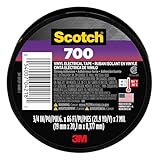
The truth is, while duct tape can physically hold two pieces of a wire together, it’s not designed for the specific demands of electrical insulation. Electrical tape, on the other hand, is engineered with that exact purpose in mind. It’s made from PVC, which is a fantastic insulator. It’s also stretchy, allowing it to conform tightly to irregular shapes and create a smooth barrier. This stretchiness is key; it prevents air pockets where moisture or conductive particles could sneak in, which is a big no-no around electricity.
My own “aha!” moment with this came a few years back.
I was helping a buddy rewire an old lamp. We had a small nick in a wire, and he, bless his heart, grabbed the trusty silver roll. I cringed. We went through the whole rigmarole of disconnecting power, stripping a tiny bit more wire, and carefully wrapping it.
He kept saying, ‘This duct tape is good enough, man!’ I finally had to explain, in no uncertain terms, that while it might look okay, the risk was huge. The heat generated by the lamp, combined with the poor insulating properties of duct tape, could have easily led to a short circuit or worse.
He eventually relented and we used proper electrical tape, and the lamp still works fine, smoke-free.
The problem isn’t just about insulation. Duct tape adhesive is often rubber-based and can degrade over time, especially when exposed to heat, UV light, or even just the natural aging process. This means that ‘secure’ fix you made could loosen up, leaving the wire exposed. Electrical tape’s adhesive is designed to be durable and long-lasting under a wider range of conditions. So, while your duct tape might seem like a quick and easy solution, it’s really a gamble with your safety and the integrity of your electrical system.
The Real Deal: What Electrical Tape Actually Does
Let’s get down to brass tacks. When you’re asking ‘can i put duct tape on electrical wires,’ you’re really asking if you can safely repair damaged electrical insulation. The short, blunt answer is: no, you can’t, not if you want to do it right and avoid trouble. The proper tool for this job is electrical tape, and there’s a solid reason why it exists.
Electrical tape is specifically formulated to be an insulator. The primary material is typically polyvinyl chloride (PVC), which has excellent dielectric strength. In simpler terms, it’s really, really good at stopping electricity from flowing where it shouldn’t. Think of it as a rubber glove for your wires. It’s designed to withstand the voltages and temperatures that electrical cords are subjected to. Plus, it’s flexible. When you wrap electrical tape, it stretches and conforms snugly around the wire, creating a smooth, continuous layer of protection. This lack of gaps or voids is important for preventing electrical current from finding a path where it’s not supposed to go. (See Also: Can I Use Electrical Tape To Connect Wires )
Beyond insulation, electrical tape offers other benefits. It’s generally resistant to moisture, chemicals, and abrasion. This means it can hold up better in various environments, not just tucked away in a dry, cool spot. The adhesive on electrical tape is also designed to be strong and long-lasting, sticking well without leaving a sticky, gummy residue when you eventually remove it (which you should, eventually). This is a stark contrast to duct tape, whose adhesive can become brittle, melt, or lose its stickiness when exposed to heat or age, potentially leaving your wires exposed again.
I’ve seen folks try to get fancy with it, layering on multiple colors of electrical tape for ‘identification’ or using it to bundle wires like a pro. While that’s not its primary job, it highlights its flexibility and how well it can adhere. It’s not just about sticking things together; it’s about creating a safe, reliable barrier. The difference in feel and performance between a wrap of electrical tape and a wrap of duct tape on a wire is palpable. Electrical tape feels like it’s truly ‘bonding’ with the wire, creating a unified, protected surface. Duct tape just feels like… well, tape stuck on a wire.
When Duct Tape Fails (and It Will)
Let’s talk about the disaster scenarios, because that’s where the real danger lies when you bypass proper materials. Using duct tape on electrical wires isn’t just a ‘might fail’ situation; it’s a ‘when it fails’ situation. The primary issue is insulation breakdown. Electrical cords generate heat as electricity flows through them. Duct tape, particularly the common silver-gray variety, is not designed to withstand this heat. The adhesive can melt, causing the tape to sag, peel, or slide off. This exposes the wire underneath, creating a direct path for electrical current.
Imagine this: you’ve taped up a frayed cord on your space heater with duct tape. It’s cold, you need the heat. The heater kicks on, and the cord starts to warm up. The duct tape adhesive softens, and the tape loosens. A small spark jumps from the exposed wire to the metal casing of the heater. Boom. Fire. Or worse, imagine touching the heater casing, which is now live because the insulation failed. You get a nasty shock. This isn’t theoretical; these are the real risks.
Another common failure point is the adhesive itself. Duct tape uses a strong, often rubber-based adhesive. While great for sticking to, say, a piece of cardboard, it’s not ideal for long-term electrical applications. Over time, especially with exposure to temperature fluctuations, sunlight, or even just the natural aging process, this adhesive can degrade. It can become brittle and crack, or it can become gooey and less effective. Either way, the ‘seal’ you thought you had is compromised. This is why you often see old duct tape jobs looking stringy and degraded.
I once had a situation where a friend used duct tape on a power strip that had a few wires showing. He was proud of his ‘fix.’ A few months later, I was over, and the strip was completely dead. He had to replace the whole thing. Turns out, the duct tape had completely failed, shorted out the strip, and fried it. That’s a relatively minor outcome; it could have been a fire. It’s a stark reminder that cutting corners with electrical repairs, especially with something as fundamentally unsuited as duct tape, can lead to expensive damage or, more importantly, serious safety hazards.
It’s also worth mentioning that duct tape isn’t designed to be particularly resistant to the chemicals or solvents that might be present in certain environments. If the tape gets exposed to something that weakens its adhesive or the material itself, it’s game over. Electrical tape, especially higher-quality versions, is often formulated to resist these things, offering a more solid and reliable solution.
Comparing the Contenders: Duct Tape vs. Electrical Tape
When you’re in a pinch, and you’re staring at that frayed wire, the temptation to grab the nearest roll of duct tape is immense. It’s the universal quick-fix tool for a reason. But when it comes to electricity, ‘quick-fix’ often translates to ‘potential disaster.’ To make it crystal clear, let’s put them side-by-side.
Here’s a breakdown of what you’re getting with each:
| Feature | Duct Tape | Electrical Tape | Verdict |
|---|---|---|---|
| Primary Material | Cloth-backed, plastic-coated | Vinyl (PVC) | Electrical tape is specifically designed for insulation. |
| Insulating Properties | Very Poor | Excellent | This is the most important difference. |
| Flexibility & Conformability | Stiff, tears easily | Very flexible, stretches to form a tight seal | Electrical tape wraps smoothly, reducing voids. |
| Adhesive Type & Durability | Rubber-based, degrades with heat/age | Acrylic or rubber-based, designed for longevity | Electrical tape’s adhesive is far more reliable. |
| Heat Resistance | Low (adhesive melts) | Good to excellent, depending on grade | Important for wires that generate heat. |
| Moisture/Chemical Resistance | Moderate to Poor | Good to Excellent | Electrical tape offers better protection in varied conditions. |
| Cost (Approx.) | $5 – $15 for a roll | $3 – $10 for a roll | Very similar in price, making duct tape an illogical choice. |
| Best Use Case | Temporary patch for non-important items (e.g., toolbox handle) | Insulating and protecting electrical wires and splices | Duct tape is simply the wrong tool for electrical work. |
The table doesn’t lie. The ‘Verdict’ column hammers home the point: duct tape is simply not built for this. Its primary strength – its sheer stickiness and toughness for general repairs – is irrelevant when the core requirement is electrical insulation. That cloth backing on duct tape? It’s a conductor, or at least it can become one if it gets damp. The adhesive can fail, the plastic coating can crack, and the whole thing can turn into a sticky, hazardous mess. (See Also: Can Electrica Tape Catch On Fire )
Now, I’m not saying duct tape is useless. I’ve used it to seal up a drafty window frame in a rental property I couldn’t permanently fix, and it worked fine for that. I’ve used it to hold a broken broom handle together temporarily. But electricity is different. It demands respect and the right tools. Trying to save a buck or a minute by using duct tape on wires is like trying to stop a flood with a sieve. It just doesn’t do the job it’s intended for, and the consequences can be severe.
The Real-World Use Case: When and How to Use Electrical Tape
So, if duct tape is out, what’s the proper way to handle those nicks and fraying wires? This is where electrical tape shines, and it’s not as complicated as some might make it out to be. The primary use case for electrical tape is to provide insulation and protection for electrical connections and wiring. This includes repairing damaged insulation on cords, covering wire splices, and bundling wires together for a cleaner look or to prevent abrasion.
Let’s walk through a common scenario: repairing a small nick in the insulation of a lamp cord. First and foremost, safety. Always, always, always unplug the appliance or turn off the circuit breaker before you even think about touching the wire. Seriously, do not skip this. I once saw a guy get a nasty jolt because he thought he could just be ‘quick’ about it while the power was still on. It’s not worth it.
Once you’re sure the power is off:
- Inspect the Damage: Carefully examine the nick or fray. You want to see how deep it is and if the copper wire underneath is exposed. If the copper is damaged, you might need more than just tape – a splice might be necessary.
- Clean the Area: Gently clean the area around the damage. Remove any dirt, grease, or loose insulation bits.
- Prepare the Tape: Cut a piece of electrical tape that’s long enough to wrap around the wire a few times, with a little overlap.
- Apply the Tape: Starting a little before the damaged section, begin wrapping the tape. Stretch it slightly as you wrap, overlapping each layer by about half the width of the tape. This creates a strong, smooth insulating layer. Wrap at least an inch or two beyond the damaged area on both sides.
- Smooth it Out: Press down firmly on the tape to make sure it adheres well and that there are no air bubbles.
This process, when done correctly with proper electrical tape, provides a safe, durable, and reliable repair. It restores the insulation, protects the wire from further damage, and significantly reduces the risk of shock or fire. For wire splices, where two wires are joined together, electrical tape is used after the splice is made (usually with a wire nut or connector) to insulate the connection itself. You’re not just covering the wire; you’re securing and insulating a potential weak point.
Beyond simple repairs, electrical tape is fantastic for tidying up. If you have a bundle of wires behind your TV or computer, a few wraps of electrical tape can keep them neatly organized and prevent them from tangling or rubbing against each other, which can cause further damage over time. It’s a simple, effective way to manage your wiring.
The Contrarian View: When Might Duct Tape seem Okay?
Alright, let’s stir the pot a bit. Everyone says duct tape is a no-go for electrical wires, and for the most part, they are absolutely correct. But I’m going to play devil’s advocate for a second. There’s a tiny, minuscule, incredibly niche scenario where duct tape might be used, but it’s not for actual insulation.
I’m talking about situations where you have a perfectly intact wire, but maybe the outer protective sheath of a cord is coming loose, and you just need to secure it temporarily. Think of a heavy-duty extension cord where the plastic casing has started to peel back near the plug, and you just want to keep it from getting worse until you can get it replaced.
Here’s the catch: the wire itself is perfectly fine and insulated. You’re not relying on the duct tape to prevent shocks or shorts. You’re using it purely as a mechanical fastener to hold a loose outer layer in place. It’s like using a band-aid to hold a ripped piece of fabric on a backpack strap – the band-aid isn’t providing the structural integrity; it’s just keeping the torn bits together temporarily.
I’ve seen this in workshops where a cord might be getting a lot of abuse, and a small section of the outer jacket gets snagged and starts to unravel. If the underlying insulated wires are completely untouched, a few strategic wraps of duct tape might prevent further unraveling. But this is a stop-gap measure, a temporary fix. (See Also: Can I Substitute Duct Tape For Electrical Tape )
You absolutely MUST be aware that the duct tape is NOT acting as an insulator. If there’s any doubt whatsoever about the integrity of the actual wire insulation beneath, duct tape is off the table.
Period. And even in these cases, a few wraps of actual electrical tape would be a far superior, and safer, choice because it’s designed to adhere better and last longer than duct tape.
My personal experience with this involved a rather expensive cord for a professional tool. The outer sheath got a tear from being dragged over concrete. The actual wires inside were pristine. My first instinct was electrical tape, but the tear was right at the plug end, making it awkward to get a good seal.
I grabbed the duct tape, thinking purely about holding the sheath closed. It worked, for about three weeks. Then, the heat from the motor caused the adhesive to fail, and the tape started to peel. I was lucky; it didn’t cause any issues, but it reinforced that even in the ‘mechanical holding’ scenario, electrical tape is the better, more reliable option.
So, my contrarian take is this: duct tape might appear to work in a very limited, non-insulating capacity, but it’s a weak crutch and electrical tape is always the real solution.
Faq: Your Burning Questions Answered
Is Electrical Tape the Same as Duct Tape?
No, absolutely not. Electrical tape is made from vinyl (PVC) and is designed to be an insulator, offering flexibility and resistance to heat and moisture. Duct tape is typically cloth-backed and coated with a rubber-based adhesive; it’s for general-purpose repairs and lacks the necessary insulating properties for electrical work.
Can I Use Regular Clear Tape on Wires?
No, regular clear tape (like Scotch tape) is not suitable for electrical wires. It offers very little insulation, has poor adhesion under stress or heat, and degrades quickly. It’s designed for paper and light-duty sealing, not for the demands of electrical current and potential heat generation.
What Happens If I Use Duct Tape on an Electrical Wire?
Using duct tape on electrical wires is dangerous. The tape can melt from heat, lose its adhesion, and peel off, exposing the wire. This significantly increases the risk of electric shock, short circuits, and fire. Duct tape does not provide adequate electrical insulation.
How Long Does Electrical Tape Last?
High-quality electrical tape can last for many years, often a decade or more, when applied correctly and stored in reasonable conditions. Its vinyl material and specialized adhesive are designed for durability and resistance to environmental factors, though extreme heat or prolonged UV exposure can eventually degrade it.
Conclusion
So, after all that, can I put duct tape on electrical wires? The answer remains a resounding no. While its sticky reputation precedes it, duct tape is simply not engineered for the job. It’s like using a hammer to screw in a nail – it might technically make contact, but it’s the wrong tool and bound to cause problems.
The real danger isn’t just about a failed repair; it’s about the potential for fire, shock, and damage to your appliances or home. Electrical tape is inexpensive, readily available, and specifically designed to do the job safely and effectively. Invest a few dollars in the right material; it’s a small price to pay for peace of mind and safety.
Next time you spot a frayed cord, reach for the proper electrical tape. If the damage is extensive, or if you’re not comfortable with the repair, don’t hesitate to call a qualified electrician. Your safety is worth more than a few minutes saved or a dollar spared.