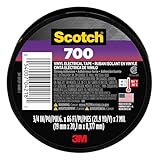
I’ve stood there, elbow-deep in a DIY plumbing disaster, staring at a leaky joint. The pressure’s on, time’s ticking, and I’ve got a roll of electrical tape sitting right there. It’s black, it’s sticky, it’s… tape. The question pops into my head: ‘Can I use electrical tape instead of plumbers tape?’ It seems like a quick fix, right? Wrong. My first instinct was to grab it, but a little voice – or maybe just the sheer memory of past leaks – stopped me. Let me tell you, that voice was saving me a world of hurt.
We’ve all been there. Faced with a minor plumbing headache and a toolbox that suddenly feels woefully inadequate. Electrical tape, with its ubiquity and adhesive charm, whispers sweet nothings of a quick, easy fix. But in the world of water pressure and threaded fittings, this temptation is a trap.
Why That Black Roll Isn’t Your Friend for Pipes
Let’s get this out of the way: electrical tape is fantastic for its intended purpose – insulating wires, bundling cables, and keeping your shoelaces tied when they snap mid-hike. It’s stretchy, it grips well on smooth surfaces, and it can handle a decent amount of abrasion. I’ve used it for countless quick repairs around the house, from fixing a cracked garden hose temporarily to securing a loose handle on a tool.
It’s the duct tape of the electrical world, and that’s high praise. But when it comes to plumbing threads, its properties are actually its downfall.
Plumbers tape, also known as PTFE tape or Teflon tape, is designed specifically to fill microscopic gaps in the threads of pipes. It’s thin, non-adhesive (mostly), and it lubricates the threads so you can tighten them properly.
When you tighten a fitting wrapped in plumbers tape, the tape compresses and deforms, creating a watertight seal. Electrical tape, on the other hand, is thick and rubbery.
If you were to wrap it around pipe threads, it would likely bunch up, not compress evenly, and could even prevent the fitting from seating correctly. Imagine trying to screw a nut onto a bolt that’s been wrapped in a rubber band – it just doesn’t work. The tape would shred, get pushed into the fitting, and create more problems than it solves.
I once saw a buddy try to use duct tape on a shower head connection. It looked like a mummy’s leg after five minutes, and water was spraying everywhere, misting the entire bathroom. That’s the kind of mess electrical tape would make, only less sticky and more prone to shredding. The heat and moisture a plumbing connection can be subjected to, especially on hot water lines, would also degrade electrical tape over time, leading to a failure.
The Real Deal: What Makes Plumbers Tape Work
So, if electrical tape is a no-go, what is plumbers tape and why does it do the job? It’s typically made from polytetrafluoroethylene (PTFE), a synthetic fluoropolymer of tetrafluoroethylene. Yeah, I know, fancy name.
But what that means in plain English is it’s slick, non-reactive, and can withstand a wide range of temperatures and pressures. It’s basically a very thin, flexible plastic film. When you wrap it around the male threads of a pipe fitting – and always in the direction the threads turn when you tighten it – you’re basically filling in all the tiny imperfections and air gaps between the threads. As you screw the fitting together, the PTFE tape is compressed.
This compression does two things: it creates a seal and it acts as a lubricant, allowing you to tighten the fitting snugly without damaging the threads. A good seal prevents water or gas from escaping. Think of it like putting a thin layer of plastic wrap on a jar lid before screwing it on – it helps create a better seal. But the tape is designed to be very thin so it doesn’t interfere with the mechanical connection of the threads. (See Also: Can I Use Electrical Tape To Connect Wires )
Electrical tape is way too thick and has adhesives that would just gum up the works. I learned this the hard way trying to fix a leaky faucet under the sink.
I was out of PTFE tape, had a roll of electrical tape handy, and thought, ‘What’s the harm?’ The harm was a persistent drip, a slightly cross-threaded fitting, and an extra trip to the hardware store. The plumbers tape I bought that day cost about $3, and the peace of mind it brought was priceless.
It’s one of those few things that’s worth buying the actual tool for. The common advice to wrap it clockwise is important – wrap it against the threads and it’ll just unwind as you tighten. You want that tape to get tucked into the threads, not peeled off.
When the ‘quick Fix’ Becomes a Long-Term Problem
The urge to use what you have on hand is strong, especially when you’re in the middle of a project and can’t just pop to the store. But using electrical tape on plumbing threads is a classic example of a ‘false economy.’ You save a few minutes and maybe a couple of bucks in the short term, only to pay for it later.
Water damage, mold growth, and the need for more extensive repairs can quickly turn a minor leak into a major headache and a costly mess. I remember a buddy who tried to seal a small leak on a pipe under his kitchen sink with electrical tape.
He figured it was just a low-pressure drip. For about a week, it seemed to hold. Then, while he was out of town, the tape failed. The kitchen floor, the cabinets, and a good chunk of the subfloor all got soaked.
The mold remediation alone cost him over $2,000, not to mention the cabinet replacements. He still curses that roll of electrical tape. The problem with electrical tape is its adhesive.
While it sticks well to itself and many surfaces, it’s not designed for the constant presence of water, especially varying temperatures. The adhesive can break down, lose its tackiness, and allow water to seep through. Furthermore, the tape itself can degrade. It’s typically made of PVC, which can become brittle over time when exposed to moisture and temperature fluctuations, or it can become sticky and gummy.
Neither of those outcomes is good for a watertight seal. The common advice you’ll find everywhere is to use PTFE tape for threaded connections, and there’s a very good reason for that. It’s specifically engineered for the job.
Trying to substitute it with something else is like using a screwdriver to hammer a nail – it might make a dent, but it’s not the right tool and you’re likely to damage both the fastener and the material. (See Also: Can Electrica Tape Catch On Fire )
Common Mistakes When Using Plumbers Tape
People often make a few key errors when using actual plumbers tape, which might make them think any tape is a bad idea. First off, not cleaning the threads. Gunk and debris on the threads can prevent a good seal, no matter what tape you use. Give them a quick wipe with a clean rag.
Second, wrapping the tape in the wrong direction. Always wrap it clockwise on the male threads so that as you screw the fitting together, the tape gets pulled into the threads and seals, rather than being pushed off and unraveled.
Third, using too much or too little tape. Too little, and you won’t get a good seal. Too much, and you can make it difficult to screw the fitting together, potentially damaging the threads or not getting the joint tight enough. Generally, 2-3 wraps are sufficient for most fittings.
Finally, over-tightening. Plumbers tape lubricates the threads, allowing you to get a snug fit. You don’t need to crank on it with all your might, which can strip the threads or crack the fitting.
A firm, snug tightening is usually all that’s needed. People also sometimes confuse plumbers tape with pipe dope (thread sealant paste).
While both seal threads, they are different products with different applications. Pipe dope is a thicker paste that fills gaps and lubricates threads. It’s often used in conjunction with PTFE tape on certain types of fittings or for gas lines. But for standard water pipe threads, PTFE tape is the go-to, and it’s much cleaner to work with than some pipe dopes.
Real-World Applications: Where Ptfe Tape Shines
I’ve personally used plumbers tape on everything from simple faucet replacements under the sink to more involved projects like hooking up a new washing machine or even installing a bidet attachment. The peace of mind knowing that those threaded connections are sealed tight is invaluable. When I was redoing my shower last year, I had to replace a few elbows and nipples. I meticulously cleaned each thread, applied 3 wraps of PTFE tape clockwise, and tightened each fitting with a wrench until it felt snug.
Not a single drip. That project involved about a dozen threaded connections, and the cost of the tape was negligible – maybe $5 for a roll that I’ll likely use for years.
It’s one of those small expenses that prevents massive potential costs down the line. You’ll find PTFE tape used in a wide variety of plumbing scenarios: connecting shower heads to shower arms, attaching supply lines to toilets and faucets, joining pipes in water heater installations, and sealing threaded gas lines (though specific gas-rated tape is often recommended for those). It’s also sometimes used in pneumatic (air) systems where a seal is required. The key is that all these applications involve threaded fittings where a leak could cause damage or loss of function.
The tape’s ability to withstand pressure and temperature variations makes it suitable for both hot and cold water lines. A common question I get from folks is about using it on plastic threads. For most plastic threaded fittings, especially those used in irrigation or some PVC applications, PTFE tape is still the recommended thread sealant. (See Also: Can I Substitute Duct Tape For Electrical Tape )
Just be gentle when tightening, as plastic threads can strip more easily than metal ones. I’ve seen people try to use silicone sealant or even epoxy on threads, which is just overkill and makes future disassembly a nightmare. PTFE tape is the elegant, simple solution.
A Quick Comparison: Tape vs. Tape
When you’re in a pinch, it’s natural to look for alternatives, but some alternatives are just plain bad ideas. Electrical tape and plumbers tape are fundamentally different in their composition, properties, and intended use, even though they are both ‘tapes’ and are often found in the same toolbox. Here’s a breakdown:
| Feature | Electrical Tape | Plumbers Tape (PTFE) | Verdict |
|---|---|---|---|
| Material | PVC, rubber-based adhesive | Polytetrafluoroethylene (PTFE) | PTFE is inert and slick; PVC is flexible but can degrade. |
| Adhesive | Aggressive, designed to stick | Minimal to no inherent adhesive; relies on compression | Electrical tape’s adhesive is a liability on threads. |
| Thickness | Relatively thick and stretchy | Very thin and compressible | Electrical tape’s thickness prevents proper thread engagement. |
| Temperature Resistance | Moderate, can degrade in heat/cold extremes | Excellent, wide temperature range | Plumbing often involves temperature fluctuations electrical tape can’t handle. |
| Water/Chemical Resistance | Fair, can degrade | Excellent | Water is the main enemy here; PTFE wins. |
| Lubrication | None | Provides thread lubrication | Lubrication is key for tight, leak-free connections. |
| Intended Use | Electrical insulation and bundling | Sealing threaded pipe connections | Completely different jobs. |
| Effectiveness on Threads | Poor – bunches, shreds, leaks | Excellent – compresses to seal | This is the main point. PTFE is designed for this. |
The table clearly shows why electrical tape is a non-starter for plumbing. It’s like trying to use a butter knife to cut through a thick rope.
It might tear at it a bit, but it’s not going to do the job cleanly or effectively. Plumbers tape, on the other hand, is a simple, inexpensive material that does exactly what it’s supposed to do, reliably, time after time. I learned this lesson years ago when I was trying to fix a leaking garden hose spigot.
I used some generic ‘all-purpose’ tape I had, thinking it would work. It failed within hours. I went and bought actual plumbers tape, wrapped it properly, and it’s been leak-free for the last five years. That $3 roll saved me a lot of hassle.
People Also Ask: Electrical Tape vs. Plumbers Tape
Can electrical tape be used for plumbing? Absolutely not for threaded connections. While it might hold for a very temporary, low-pressure fix on something like a cracked hose that isn’t under constant pressure, it’s not designed for plumbing. The materials, thickness, and adhesive properties are all wrong for creating a reliable, watertight seal on threaded pipes. It will likely fail quickly, potentially causing leaks and water damage. Stick to products designed for plumbing.
What happens if you use electrical tape on pipe threads? If you use electrical tape on pipe threads, you’re almost guaranteed to get a leak. The tape is too thick and the adhesive isn’t designed to create a seal against water pressure and temperature changes. It will likely bunch up, shred, and fail, allowing water to escape. You could also damage the threads if the tape prevents proper seating of the fitting, leading to more complex repair issues.
Is PTFE tape waterproof? Yes, PTFE (plumbers tape) is inherently waterproof and resistant to most chemicals and solvents. This is one of its primary advantages as a thread sealant. It creates a barrier that prevents water from passing through the threads. Its inert nature means it won’t degrade when exposed to water over long periods, which is why it’s so effective in plumbing applications.
How many wraps of plumbers tape do you need? For most standard threaded fittings, 2 to 3 wraps of PTFE tape are usually sufficient. The goal is to fill the gaps in the threads without creating too much bulk that would prevent the fitting from screwing together properly. Too few wraps won’t seal, and too many can cause problems. Always wrap in the direction of the threads (clockwise on male threads).
Final Verdict
So, to answer the burning question directly: can I use electrical tape instead of plumbers tape? No, you really can’t. It’s a recipe for leaks and frustration. It might seem like a clever shortcut, but it’s a shortcut that leads straight to more work and potential water damage. Think of plumbers tape as a specialized tool. You wouldn’t use a screwdriver as a hammer, and you shouldn’t use electrical tape as a thread sealant.
Save yourself the headache. For about $3-$5, you can get a roll of proper PTFE tape that will do the job right the first time. It’s one of those small, cheap materials that punches way above its weight in terms of effectiveness and preventing future problems. I keep a few rolls in my toolbox at all times, and I’ve never regretted having it on hand.
Next time you’re facing a leaky pipe fitting, resist the urge to grab that black roll. Reach for the white roll of PTFE tape instead. Your wallet, your home, and your sanity will thank you.