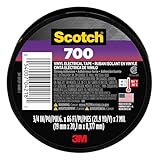
I remember staring at a mess of wires behind my old TV. It was a rat’s nest of cables, some frayed, one looking particularly gnarly. My first thought? ‘Can I put electrical tape on wire to fix this?’ It felt like the quick, dirty solution. I grabbed the roll of black tape I always kept in my toolbox, convinced I was a DIY genius.
Spoiler alert: It worked, sort of. But it also taught me a brutal lesson about shortcuts. Electrical tape isn’t magic, and using it willy-nilly can cause more headaches than it solves. So, let’s cut the fluff. Can you, in a pinch, put electrical tape on wire? Yes. Should you rely on it for anything important? Absolutely not. We’ll get into why.
When the “quick Fix” Isn’t So Quick
Look, we’ve all been there. You’re trying to get something done, a wire is looking a little sad – maybe it’s rubbed against something, or the insulation is just cracked from age. Your brain immediately jumps to the easiest solution: electrical tape. It’s cheap, it’s everywhere, and it’s black, so it looks professional, right?
I’ve wasted more than my fair share of evenings trying to patch up dodgy wiring with standard electrical tape, only to have it unravel or, worse, start a fire hazard down the line. I once tried to secure a loose wire on an old lamp with it.
It held for about three days before the heat from the bulb softened it, and it started oozing. Not exactly a confidence builder.
The truth is, while electrical tape is designed for electrical insulation, it’s a temporary band-aid, not a permanent fix. Think of it like using chewing gum to fix a leaky tire. It might hold for a bit, but you’re not going to trust it on the highway.
The common advice I’ve heard from a lot of folks is that it’s fine for low-voltage stuff or temporary jobs. And yeah, for a quick, non-important fix on, say, a speaker wire that’s lost a millimeter of its plastic coating, it might do the trick for a while. But anything carrying significant current or exposed to heat, vibration, or moisture? You’re asking for trouble.
The adhesive can degrade, the tape can stretch and lose its insulating properties, and you’re left with a sticky, unreliable mess that’s harder to fix properly later.
What Electrical Tape Actually Is (and Isn’t)
Let’s talk about what makes electrical tape… well, electrical tape. Most of the stuff you find in the hardware store is made of PVC (polyvinyl chloride). It’s stretchy, it’s got some inherent insulating properties, and it’s resistant to abrasion and chemicals. The magic, supposedly, is in the adhesive, which is designed to stick to itself and to wires, forming a protective layer. The idea is that this layer prevents electrical current from escaping the conductor (the metal wire) and causing a short circuit or a shock. The stretchiness is key, allowing you to wrap it tightly around irregular shapes. (See Also: Can I Use Electrical Tape To Connect Wires )
However, here’s the kicker: not all electrical tape is created equal. You’ve got your cheap, no-name brands that feel thin and sticky, and then you’ve got the reputable ones like 3M Super 33+.
The latter is what most electricians swear by, and for good reason. It’s thicker, more durable, and holds its elasticity much better. I learned this the hard way when I bought a bargain-pack of electrical tape for a home project. It felt like wrapping the wires in cling film; it stretched too much, the adhesive was weak, and it left a gummy residue when I tried to remove it.
I ended up having to scrape off goo before I could even start the real repair. So, if you’re going to use it, even for a temporary fix, invest in decent quality tape. It makes a world of difference.
The “everyone Says So” Fallacy: When Common Advice Leads You Astray
Here’s where I ruffle some feathers. A lot of DIY advice online and even from friends goes something like this: “Oh, just wrap it with electrical tape, it’s totally fine for low voltage.” I disagree, and here’s why: it perpetuates the idea that electrical tape is a universal solution. It’s like saying you can use duct tape for everything – sure, you can, but should you? The problem is that “low voltage” is a huge spectrum. A doorbell transformer is low voltage, but the wiring inside your phone charger is also low voltage, and the consequences of failure are vastly different.
My contrarian take is this: if a wire’s insulation is damaged enough to warrant wrapping, it’s damaged enough that it should be repaired properly or replaced. Relying on electrical tape, even for low-voltage applications, is a gamble. You’re gambling with fire safety, with appliance longevity, and with your own well-being. I’ve seen perfectly good appliances fail prematurely because of jury-rigged wiring repairs that involved electrical tape.
The vibration of the motor, the heat generated by the electronics – these things break down the tape over time. So, while technically you can put electrical tape on wire, the real question is should you, and for how long? My answer for anything other than a very temporary, non-important fix is a resounding no. It’s better to spend an extra $20 on a proper connector or a few feet of wire than to risk a much larger repair bill or worse.
Real-World Uses: When It’s Actually Okay (kind Of)
So, if electrical tape isn’t the universal fixer-upper I initially thought, when is it actually useful? Think of it as a last resort, a temporary shield, or for very specific, low-stress situations. For instance, if the outer sheath of a multi-conductor cable has a small nick, and you need to prevent moisture from getting in just until you can replace the whole cable next weekend, electrical tape can serve that purpose. It’s about containment, not permanent insulation. I’ve also seen it used to bundle wires together for neatness, especially in entertainment centers or computer setups. This isn’t about insulation; it’s about organization. A few wraps can keep a spaghetti junction of cables from becoming a tangled nightmare.
Another common use is in automotive applications, particularly for temporary repairs to headlight or taillight wiring harnesses where the insulation might have rubbed off slightly. Again, the key is temporary. The engine bay is a harsh environment – heat, oil, vibration. (See Also: Can Electrica Tape Catch On Fire )
Electrical tape will degrade. A better solution is heat-shrink tubing or proper wire connectors.
I did a quick patch job on a car antenna cable that had a small split in the insulation using decent quality electrical tape. It kept water out for about six months until I could get it to a mechanic for a proper fix. The tape itself had started to get brittle and lose its stickiness, but it had done its job of protecting the conductor from the elements in the interim.
It’s also handy for marking wires; different colors can help you keep track of circuits, though dedicated wire markers are better for complex systems.
Common Mistakes and How to Avoid Them
The biggest mistake people make? Assuming electrical tape is a substitute for proper connectors or insulation. You see it all the time: a wire is exposed, and someone just wraps it in tape and calls it a day. This is incredibly dangerous.
The tape can slip, the adhesive can fail, and you’ve still got a live wire that could cause a fire or electrocution. Another common error is using too little tape. You need multiple layers, wrapped with significant overlap, to create a decent barrier. A single thin layer isn’t going to cut it.
I learned this when I tried to repair a frayed cord on a power tool. I did one or two wraps, thinking it was enough. A few weeks later, during a heavy-duty job, the tape snagged and pulled off, exposing the wire and causing a momentary power surge that tripped my breaker. Lesson learned: if you’re going to do it, do it right, with plenty of overlap.
People also often forget that electrical tape degrades over time, especially when exposed to sunlight, heat, or chemicals. That perfectly good wrap job you did last year might be a sticky, brittle mess this year. So, regular inspection is key if you’ve used it for anything other than a very short-term fix. And never, ever use it on high-voltage circuits like your main electrical panel.
For those situations, you need proper connectors, wire nuts, or terminal blocks, and often a qualified electrician. One more mistake: using the wrong kind of tape. There are specialized tapes for high-temperature applications or for situations where oil resistance is needed. (See Also: Can I Substitute Duct Tape For Electrical Tape )
Standard PVC electrical tape won’t cut it in those environments. Always read the packaging and understand the limitations.
Electrical Tape vs. Other Options
Here’s a quick rundown of how electrical tape stacks up against other common wire repair methods:
| Method | Pros | Cons | Verdict |
|---|---|---|---|
| Electrical Tape | Cheap, flexible, readily available. Good for minor insulation nicks (temporary). | Degrades over time, adhesive can fail, not a permanent fix, can look messy. | Temporary, non-important fixes only. Invest in better quality if you must use it. |
| Heat Shrink Tubing | Provides a durable, insulated, and often waterproof seal when shrunk with heat. Looks clean. | Requires a heat source (heat gun or lighter), specific sizes needed. | Excellent for permanent, professional-looking repairs. Highly recommended. |
| Wire Nuts/Connectors | Secure, reliable connection for joining wires. Different types for different applications (e.g., crimp connectors, Wago connectors). | Requires specific tools for crimping, can be bulky. | The standard for joining wires permanently and safely. Key for most electrical work. |
| Splicing Connectors (e.g., Butt Splices) | Permanent, secure join for wires, often used in automotive or appliance repair. | Requires crimping tools, less flexible than tape. | Great for making permanent splices that need to be solid and insulated. |
The Faq: Answering Your Burning Questions
Can I Put Electrical Tape on Wire That’s Completely Broken?
No, absolutely not. Electrical tape is for insulating the conductor, not for rejoining broken wires. If a wire is completely severed, you need to use proper splicing connectors, wire nuts, or solder the wires together and then insulate the splice with heat shrink tubing or, as a last resort, multiple layers of high-quality electrical tape. Relying on just electrical tape to hold a broken wire together is incredibly dangerous and will not create a reliable electrical connection.
Is Electrical Tape Safe for Permanent Wire Repairs?
Generally, no. While some high-quality electrical tapes are rated for certain applications, they are best considered a temporary solution or a way to add an extra layer of protection. Over time, the adhesive can degrade, the tape can become brittle or gummy, and its insulating properties can diminish, especially when exposed to heat, sunlight, or chemicals. For permanent repairs, it’s always better to use methods like heat shrink tubing, wire nuts, or proper connectors designed for long-term electrical insulation and connection.
Can I Use Electrical Tape on Extension Cords?
You can use it as a very temporary fix for a minor nick or abrasion on an extension cord’s outer insulation, but it’s not recommended for permanent repairs. Extension cords are often subjected to rough handling, bending, and outdoor elements, all of which can degrade electrical tape quickly. If an extension cord shows significant damage, especially exposed wires or a compromised plug, it’s safest to replace the entire cord. For minor issues, use multiple layers of good quality electrical tape and inspect it frequently.
What’s the Difference Between Electrical Tape and Duct Tape?
Electrical tape is specifically designed with insulating properties and a non-conductive adhesive to safely insulate wires. It’s typically made of PVC and is somewhat stretchy. Duct tape, on the other hand, is designed for adhesion to a wide variety of surfaces and for providing a strong, waterproof seal. It is NOT electrically insulating and should never be used for electrical repairs. Using duct tape on wires is a serious fire and shock hazard.
How Many Layers of Electrical Tape Should I Use?
For a temporary fix where you’re covering a small nick or abrasion, at least three to four layers are recommended, with each layer overlapping the previous one by at least half the width of the tape. This makes sure good coverage and creates a more solid barrier. For more important (though still temporary) applications, or if the tape is the only option available, you might need five or more layers. The goal is to create a thick, continuous insulating sheath. Always make sure the tape is applied snugly and without gaps.
Final Verdict
So, can I put electrical tape on wire? Yes, you can. But the real question is for how long and why. I’ve learned through my own fumbles and a few close calls that it’s a tool for quick, temporary fixes when nothing else is available, and even then, only for non-important applications. Think of it as a temporary dam for a tiny leak – it might hold back the water for a bit, but you’re still going to call a plumber.
For anything important, anything that carries significant power, or anything that needs to last, reach for heat shrink tubing, proper wire connectors, or if you’re unsure, call a qualified electrician. Wires are the arteries of your home or devices; treat them with respect. Don’t let a cheap roll of black tape lull you into a false sense of security. It’s better to spend a little more time and money on a proper repair now than to deal with a much bigger, more dangerous problem later.