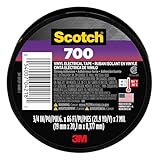
I remember the first time I saw someone slap a strip of black electrical tape over a nasty cut. My initial thought? ‘What in the world are they doing?’ It looked like a hasty, last-ditch effort, something you’d do if you were stranded on a desert island and all you had was a roll of it. Now, years later, after my own fair share of DIY disasters and weird fixes, I’ve got a much clearer picture. So, can I use electrical tape on my skin? Let’s cut to the chase: it’s usually a terrible idea, and here’s why it might seem tempting but ultimately isn’t worth the trouble.
We’ve all been there – a small injury, no bandages in sight, and that roll of black tape sitting in the junk drawer. It feels strong, it’s sticky, and it’s readily available. But does that mean it’s safe or even effective for skin? The short answer is no, and I learned that the hard way with a splinter that refused to budge, leading me to try all sorts of odd things.
Why Your First Instinct Might Be Wrong
Look, I get the impulse. You’ve got a scrape, a blister, or maybe even a small cut that’s stubbornly refusing to stop bleeding. You’re rummaging through that catch-all drawer where screws, old batteries, and random bits of string live, and your eyes land on it: the roll of electrical tape. It’s black, it’s thick, and the adhesive feels pretty darn strong. Compared to those flimsy little fabric bandages that never seem to stick after five minutes, electrical tape looks like a superhero. It’s designed to hold wires together under all sorts of conditions, so surely it can hold a bandage or a piece of gauze in place, right?
I’ve been in situations where I’ve seriously considered it. Picture this: I’m out camping, helping a buddy fix a leaky tent pole.
I managed to slice my finger open on a jagged bit of metal. No first-aid kit in sight, just the emergency repair bag with duct tape and, lo and behold, electrical tape.
My brain, in its panic-induced state, started calculating. It’s flexible, it’s waterproof-ish, and it’s strong.
It felt like a viable, if unconventional, solution. I almost went for it. (See Also: Can I Use Electrical Tape To Connect Wires )
But then I remembered something my old mechanic friend, Sal, once told me about working on car interiors: ‘That sticky stuff on electrical tape? It ain’t designed for your pores, kid. It’ll pull out hairs, leave residue, and might even give you a rash you’ll regret.’
Sal was usually right about these things, so I held back, and thankfully, we found a dusty old handkerchief that worked in a pinch.
The core issue here is what electrical tape is actually made for. It’s designed for insulating electrical wires, protecting them from moisture, abrasion, and minor chemical exposure. The adhesive is engineered for a strong bond on smooth, often non-porous surfaces like plastic, rubber, and metal. It’s not designed to be breathable, it’s not designed to be hypoallergenic, and it’s definitely not designed to be in prolonged contact with human skin.
The plasticizers in the tape can leach out, and the adhesive itself can be harsh. So, while it might seem like a quick fix for keeping a dressing in place, the potential downsides are significant. It’s a classic case of using the wrong tool for the job, and when it comes to your skin, the stakes are higher than just a dodgy wire connection.
The Skin vs. The Tape: A Poorly Matched Partnership
Let’s get down to brass tacks: your skin is a living, breathing organ. It needs to flex, it needs to breathe, and it’s sensitive. Electrical tape, on the other hand, is basically a strip of PVC plastic with a rubber-based adhesive.
When you apply it to your skin, you’re basically creating a non-breathable barrier. This is the opposite of what you want for a wound that needs to heal. (See Also: Can Electrica Tape Catch On Fire )
Moisture gets trapped underneath, creating a warm, damp environment that’s a breeding ground for bacteria. This can lead to infection, delayed healing, and a generally miserable experience.
I’ve seen people try it for blisters, thinking the tape would protect them, only to end up with a worse, inflamed mess underneath after a day. The lack of breathability is a major red flag.
Then there’s the adhesive. This stuff is strong.
It’s meant to hold fast on wires, often in challenging environments. When you peel it off your skin, it doesn’t just lift gently.
It pulls. It pulls skin cells, it pulls fine hairs (and not-so-fine hairs), and it can leave behind a sticky residue that’s a nightmare to remove. This sticky residue can attract dirt and grime, further increasing the risk of infection.
I once had to use a sticky label remover to get the gunk off my arm after trying some generic vinyl tape for a temporary fix on a garden hose – it was awful. I can only imagine electrical tape being worse. The process of removing it can also cause micro-tears in the skin, which are then open invitations for pathogens. (See Also: Can I Substitute Duct Tape For Electrical Tape )
So, while it sticks well initially, the cost of removal is often painful and counterproductive.
Beyond the immediate physical issues, there’s the chemical aspect. The plasticizers and other chemicals in PVC tape can irritate sensitive skin. Some people might have a direct allergic reaction to the adhesive or the plastic itself. This can manifest as redness, itching, burning, or even blistering.
It’s not just about the stickiness; it’s about what’s in the tape. Medical tapes, on the other hand, are specifically formulated to be gentle on the skin, to allow for breathability, and to adhere securely without causing damage upon removal. They use medical-grade adhesives that are designed for human tissue, not for insulating copper. It’s a world of difference.
The common advice here, and it’s good advice, is to stick to products designed for medical use. Don’t experiment with your hardware store goodies on your body.
Common Mistakes People Make
The biggest mistake is assuming that because it’s a tape, it’s a tape that’s safe for skin. People see it as a generic adhesive. Another common error is thinking that just because it’s a small cut or a minor abrasion, it won’t cause problems. Even small wounds can get infected if they’re not cared for properly. People also underestimate the residue left behind and the potential for skin irritation or allergic reactions. They think, ‘It’s just for a few hours.’ But even a few hours of trapped moisture and harsh chemicals can be enough to cause issues, especially if you have sensitive skin.
Verdict
So, to directly answer if you can use electrical tape on your skin: the honest answer is you probably shouldn’t. While in a dire, no-other-option emergency you might be able to use it to secure a clean dressing for a very short period, it’s a gamble. The risks of infection, irritation, and damage upon removal generally outweigh any perceived immediate benefit. My own experiences and observations have taught me that when it comes to your health, it’s always better to use products designed for their intended purpose, especially when that purpose involves contact with your body.
When you’re faced with a cut, scrape, or blister, reach for proper bandages, gauze, and medical tape. They’re designed to be safe, breathable, and effective. They might cost a few bucks more than a roll of electrical tape, but trust me, the peace of mind and the reduced risk of complications are well worth it. Don’t let that roll of electrical tape in your toolbox tempt you into a bad decision; save it for the wires where it belongs.
My advice? Keep a small, basic first-aid kit stocked with actual medical supplies. It’s not about being overly cautious; it’s about being smart and practical. If you’re ever in a bind and wonder, ‘can i use electrical tape on my skin?’, remember this: there are better, safer options readily available that won’t leave you with a bigger problem than you started with.