So, your car’s wiring harness looks like a squirrel’s buffet, or maybe a curious puppy decided your extension cord was a chew toy. You’re staring at frayed insulation, sparks are a real possibility, and you’re wondering, ‘Can I use electrical tape on chewed wires?’ I’ve been there, staring at a mess of wires after a rodent decided to redecorate my engine bay. It’s a panicked moment, thinking about the potential fire hazard and the cost of a professional fix.
Let’s cut to the chase. Electrical tape is designed for one thing: insulating exposed electrical conductors. It’s not a structural repair. But in a pinch, or for a temporary fix on minor damage, it might be your go-to. I’ve used it, and sometimes it works, sometimes it’s a disaster waiting to happen. It really depends on the severity of the chew marks and what you expect from it.
When a Temporary Fix Becomes a Permanent Problem
Look, I’m going to be blunt. If your wires look like they’ve been through a wood chipper, electrical tape is not the answer. I once had a rat decide my vintage amplifier’s power cord was its personal dentist’s office.
The insulation was practically gone in a few spots, exposing bare copper. My first thought was, ‘Easy fix, grab the electrical tape!’ So I wrapped it up, feeling pretty smug about my DIY prowess.
About two weeks later, during a particularly humid evening, I heard a crackle and saw a faint blue arc dancing around the tape. Turns out, even though it looked ‘fixed,’ the underlying damage was too severe for the tape to provide a reliable barrier.
The moisture got in, and the tape, while insulating, wasn’t structurally sound enough to keep everything apart. That little stunt cost me a new power cord and a healthy dose of humility. Electrical tape’s stretchy nature makes it seem like it can conform to any shape, but it doesn’t magically rebuild missing insulation.
The common advice is often to just wrap it up tight. And yeah, for a nick or a small abrasion where the plastic is just scuffed but not gone, it can hold. But ‘holding’ for electrical tape often means delaying the inevitable. It’s a band-aid, not a cure.
Think about it: the tape itself is a vinyl material with adhesive. It’s meant to prevent electrical current from jumping from one conductor to another, or from a conductor to ground. It’s not designed to withstand vibration, heat cycles, or physical stress that chewed wires are often subjected to, especially in automotive or appliance applications. The adhesive can degrade over time, especially with heat and exposure to oils or solvents.
Then you’ve got a sticky, loose mess that’s worse than when you started.
If you’re dealing with multiple wires chewed through, or significant sections of insulation missing, you’re looking at a job that needs more than a roll of tape. You’re talking about splicing in new wire, using proper heat-shrink tubing, or even replacing the entire harness. Electrical tape can buy you a few hours to get to a repair shop or to the hardware store for the right supplies, but it’s a gamble. The real question isn’t just ‘can I,’ but ‘should I,’ and ‘for how long?’ Most of the time, the answer to the latter is ‘not long enough to be safe.’
What to Look for (and What to Avoid) When You’re in a Bind
Alright, so you’re in a bind, and the chewed wire situation is staring you down. What kind of electrical tape are we even talking about here? Not all tape is created equal. You want the good stuff, the kind that’s actually rated for electrical work. I learned this the hard way, grabbing whatever was cheapest at the dollar store, which turned out to be more like packing tape with a faint rubbery smell. That stuff offered zero actual insulation and melted into a sticky goo within minutes of the circuit powering up.
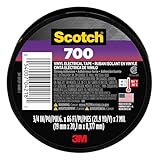
Here’s the lowdown on what you should be looking for: high-quality vinyl electrical tape. Brands like 3M Temflex or Scotch Super 33+ are the gold standard for a reason. They’re designed to be stretchy, conformable, and resistant to abrasion, moisture, and UV rays (though UV is less of a concern inside a car or appliance). They also have a good temperature rating, which is important. Wires get hot, especially under load. Cheap tape will soften, ooze, and lose its adhesion. Good electrical tape will maintain its integrity within a reasonable temperature range, typically up to around 176°F (80°C) or even higher for specialized tapes. You need that resilience.
When you’re assessing the damage, be honest with yourself. Is it a tiny pinprick in the insulation? A small scrape where the conductor is barely visible? (See Also: Can I Use Electrical Tape To Connect Wires )
Or is it a section of wire that’s completely exposed, perhaps with several strands of copper showing? If it’s the latter, tape is a very temporary fix, if it’s a fix at all. The tape needs something to adhere to and something to insulate around. If there’s no intact insulation left, the tape is just clinging to itself and the wire, offering minimal protection.
I’ve seen people try to build up layers and layers of tape, hoping to create a thick enough barrier. That just adds bulk and, frankly, looks like a hack job.
It also can obscure the actual damage, making future repairs more difficult.
Another thing to watch out for is how the wire is routed. Is it in a high-vibration area, like an engine bay? Is it rubbing against a sharp metal edge? Electrical tape alone won’t solve those problems. You might need to use a conduit, a loom, or a more solid sleeving material in conjunction with, or instead of, tape. The tape will get abraded away quickly in those situations. So, while you might be able to use electrical tape on chewed wires for a quick fix, make sure you’re using good quality tape and that the damage is minor enough for it to actually offer some semblance of safety.
The Real-World Consequences: Safety First, Always
Let’s talk about the elephant in the room: safety. When you’re asking, ‘Can I use electrical tape on chewed wires?’, the implied question is also about whether it’s safe to do so. And the honest answer is: it depends, but usually not for long.
My first real scare with this was years ago, working on an old lawnmower. The cord that ran from the engine to the ignition coil had a few gnawed spots. I slapped some tape on it and mowed my lawn for another year without issue.
Then, one afternoon, the mower sputtered and died. I went to pull the starter cord, and felt a nasty jolt. The tape had degraded, and a bit of moisture from a recent rain had gotten in.
It wasn’t a full-on electrocution, but it was enough to make me jump and reconsider my life choices. That experience taught me that “working” doesn’t always mean “safe.” What seems fine today can become a hazard tomorrow, especially with electrical components that are constantly exposed to the elements, heat, vibration, and, well, more critters.
The primary function of insulation is to prevent short circuits. A short circuit occurs when an unintended path is created for electricity to flow, bypassing the intended circuit. This can cause sparks, overheating, component damage, and, in the worst-case scenario, fires. Electrical tape is an insulator, yes, but it’s not a structural repair. If the insulation is compromised to the point where the conductive material (the copper wire) is exposed, and the tape is old, stretched, or damaged itself, it might not provide enough dielectric strength to prevent current from arcing to another wire, a metal chassis, or even a person.
This is where the ‘People Also Ask’ question about using electrical tape for high-voltage applications comes into play. While standard electrical tape might have a decent voltage rating for its thickness, it’s not designed for anything truly high-voltage (think mains power or industrial machinery). For those, you need specialized, thicker insulation, often coupled with solid physical protection like conduit or heat shrink. Even for lower voltages, like those in a car, the environment is harsh.
You’ve got temperature swings from freezing to scorching, constant vibration, exposure to oil, gasoline, and road salt. Electrical tape, especially the cheap stuff, will degrade rapidly in such conditions. The adhesive can fail, the tape can crack, and you’re left with a dangerous situation. So, while it can be used, you’re playing with fire (literally, potentially) if you rely on it for anything more than a very temporary, supervised fix.
The Contrarian View: Why I Still Keep It Around (for Specific Uses)
Now, here’s where I might go against the grain. Everyone says electrical tape is a hack, a temporary fix, a sign of a shoddy repair. And for the most part, they’re right. But I still keep a roll of good quality electrical tape in my toolbox, and here’s why: it has its niche, and sometimes, that niche is all you have. (See Also: Can Electrica Tape Catch On Fire )
My contrarian opinion? Electrical tape can be a perfectly acceptable, even long-term, solution for very minor insulation damage on low-voltage, non-important circuits, provided it’s applied correctly. I know, I know. But hear me out.
Think about those tiny little wires on a low-voltage landscape lighting system, or the thin wires in a toy that suddenly stops working. If one of those wires has a small nick, where the copper is barely peeking out, and it’s not a wire that carries significant current or is in a high-stress area, a carefully applied wrap of good electrical tape can absolutely do the job and last for years.
I’ve had landscape lights working fine for five years after a quick tape job on a slightly abraded wire.
The key here is “minor damage” and “low-voltage, non-important.” If the wire insulation is completely gone, or if it’s a main power feed to your house or your car’s ECU, then no, tape is not the answer. But for something like a sensor wire that’s gotten a small scrape, or the insulation on a headphone cable that’s frayed near the plug, proper application can work wonders. The trick is to clean the wire first, make sure it’s dry, and then wrap the tape tightly, overlapping each layer by at least half, stretching it slightly as you go to create a smooth, non-adhesive outer surface.
You want to build up several layers, making sure there are no gaps or air bubbles. The goal is to create a smooth, continuous insulating sheath.
I’ve seen perfectly good automotive wiring harnesses that have had small nicks in their outer wrap (not the individual wire insulation) repaired with electrical tape. The main insulation on each wire was intact, but the overall protective loom had a tear. In those cases, a few wraps of quality electrical tape prevented further damage and kept dirt and moisture out. It’s about understanding the function of the wire and the severity of the damage.
Electrical tape is an insulator. If the primary insulation is compromised and the tape is the only barrier, its limitations become apparent. But if it’s reinforcing existing insulation or protecting a minor flaw on a low-demand circuit, it’s a valid tool in the DIY arsenal.
It’s not always the best tool, but sometimes it’s the only tool readily available, and that counts for something.
Practical Tips for Using Electrical Tape on Chewed Wires
If you’ve decided that, for your specific situation, using electrical tape on chewed wires is your only immediate option, let’s make sure you do it as safely and effectively as possible. This isn’t about making it a permanent fix, but about mitigating immediate risk until you can do a proper repair.
Here’s a step-by-step approach:
- Safety First: Disconnect Power! This is a must. Before you even think about touching a wire, shut off the power source. For automotive applications, disconnect the battery. For household appliances, unplug them. For anything else, find the breaker or fuse and turn it off. Seriously. Don’t be a statistic.
- Assess the Damage Honestly: Look closely. How much insulation is gone? Is it just a scrape, or is the copper exposed? Are multiple wires damaged? If the copper is significantly exposed or multiple wires are affected, electrical tape is a very short-term, risky band-aid.
- Clean the Area: If there’s any dirt, grease, or oil on the wire, clean it off with a bit of isopropyl alcohol and a clean cloth. The tape needs a clean surface to adhere properly. Make sure the wire is completely dry.
- Choose Quality Tape: As mentioned, use a good quality vinyl electrical tape from a reputable brand. Don’t use duct tape, masking tape, or any other kind of tape. It needs to be specifically designed for electrical insulation.
- Wrap Tightly and Overlap: Start wrapping the tape a good inch or so before the damaged area and extend it an inch or so past it. Stretch the tape slightly as you wrap, overlapping each new layer by at least half of the tape’s width. This creates a smooth, smooth, and durable layer of insulation.
- Build Layers: For anything more than a minor nick, apply multiple layers of tape. Aim for a total thickness of at least 1/8 inch (about 3mm) if possible. This gives you a better insulating barrier.
- Check for Adhesion: Once you’re done, gently tug on the tape to make sure it’s adhered well and not peeling.
- Plan for a Real Repair: This is the most important tip. Electrical tape is a temporary fix. Schedule a proper repair as soon as possible. This might involve splicing in new wire, using heat-shrink tubing, or replacing the entire cable or harness.
I’ve also found that for slightly larger or more complex damage, using a piece of heat-shrink tubing over the properly taped section can add an extra layer of protection and a much cleaner look. You’d tape the wire first, then slide on a piece of heat-shrink tubing that’s large enough to cover the taped area, and then heat it with a heat gun until it shrinks down snugly. It’s a bit more work, but it’s a much more solid temporary (or even semi-permanent) solution.
Common Mistakes and What to Do Instead
Let’s talk about the screw-ups I’ve seen, and frankly, some I’ve made myself. When it comes to fixing chewed wires with electrical tape, there are a few classic blunders that turn a quick fix into a ticking time bomb. (See Also: Can I Substitute Duct Tape For Electrical Tape )
The biggest mistake? Using the wrong kind of tape. I’ve already hammered this home, but it bears repeating. Duct tape, packing tape, even cloth tape – they’re not designed for electrical insulation. They can melt, lose adhesion, conduct electricity (especially if wet), or just fall apart. Stick to proper vinyl electrical tape. It’s cheap enough that there’s no excuse not to have it if you’re tinkering with anything electrical.
Another common mistake is not disconnecting the power source. I mentioned it in the practical tips, but it’s worth calling out as a major blunder. Working on live wires, even low-voltage ones, is just asking for trouble. A shock, a short circuit, a fire – it’s not worth the few minutes you save by not flipping a breaker or disconnecting a battery. Treat every wire as if it’s live until you’ve personally confirmed otherwise.
Then there’s the ‘just wrap it’ mentality. People often don’t assess the damage properly. They see a bit of frayed wire and slap some tape on it without understanding how much insulation is actually gone. If the copper is exposed, and you’re just covering it with a thin layer of tape, you’re not really insulating it; you’re just covering it. The tape needs to bridge the gap and provide a dielectric barrier. This means for anything beyond a superficial nick, you need multiple layers, applied tightly and with good overlap, as I described. Trying to make one thin layer do the job is a recipe for failure.
I’ve also seen people use electrical tape as a structural fix. They’ll use it to hold wires together, to secure them to a surface, or to replace a broken plastic clip. Electrical tape is flexible and sticky; it’s not meant to bear mechanical load. It will stretch, deform, and eventually fail under stress. If a wire needs to be secured, use zip ties, grommets, or proper wiring clips. If a connector is broken, it needs to be replaced or repaired with a proper connector, not just wrapped in tape. The wire itself needs to be insulated, but its position and protection from physical stress require different solutions.
Finally, the ultimate mistake is thinking the tape job is a permanent repair. It’s not. It’s a temporary measure. The adhesive degrades, the tape can dry out and crack, and the underlying damage remains. If you’ve used electrical tape on chewed wires, you must plan to replace the damaged section of wire or the entire cable or harness as soon as possible. Relying on tape long-term is a gamble you’ll eventually lose.
Faq: Can I Use Electrical Tape on Chewed Wires?
Can I Use Electrical Tape for a Permanent Fix on Chewed Wires?
No, electrical tape is generally not considered a permanent fix for chewed wires. Its adhesive can degrade over time, and it doesn’t restore the structural integrity of the wire’s insulation. It’s best suited for temporary repairs until a proper splice or replacement can be performed.
What Kind of Electrical Tape Is Best for Chewed Wires?
High-quality vinyl electrical tape from reputable brands like 3M or Scotch is best. These tapes are designed to be stretchy, conformable, and offer good insulation and resistance to temperature and moisture. Avoid generic or cheap alternatives.
How Long Can Electrical Tape Last on a Chewed Wire?
The lifespan of electrical tape on a chewed wire can vary significantly, from a few days to several years. Factors like the severity of the damage, the quality of the tape, environmental conditions (heat, moisture, vibration), and the voltage/current of the circuit all play a role. It should always be considered temporary.
Can Electrical Tape Be Used on Automotive Wires?
Yes, electrical tape can be used on automotive wires for temporary repairs of minor damage. However, the harsh automotive environment (heat, vibration, oil, salt) can degrade the tape faster than in other applications. A proper repair involving splicing or replacing the wire is always recommended for automotive wiring.
What Are the Risks of Using Electrical Tape on Chewed Wires?
The main risks include short circuits, electrical fires, and electric shock. If the tape fails, the exposed copper can arc, overheat, or come into contact with other conductive surfaces or people. The adhesive can also fail, leading to a loose and ineffective repair.
Final Thoughts
So, to circle back to the original question: can I use electrical tape on chewed wires? Yes, you can, but with serious caveats. It’s a tool for emergencies and very minor damage on low-voltage circuits, intended to get you out of a jam temporarily until a proper repair can be made. I’ve used it, and sometimes it’s the only thing between you and a bigger problem right then and there. But never, ever think of it as a permanent solution.
The real takeaway is that chewed wires are a hazard. Whether it’s a rodent, a pet, or just plain old wear and tear, compromised insulation is a risk. Relying on electrical tape to fix it long-term is like putting a sticker over a crack in your windshield – it might look okay for a bit, but it doesn’t address the underlying issue and can lead to bigger problems down the road.
My advice? If you’ve got chewed wires, get the right materials to splice them properly or replace the affected section of cable. Keep good quality electrical tape in your kit for actual electrical jobs, or for that absolute last resort, but always have a plan to fix it right. Don’t let a cheap fix become an expensive, or dangerous, problem.