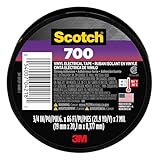
I’ve stood in my garage more times than I care to admit, staring at a tangle of wires, a slightly-too-big connector, and a roll of electrical tape in one hand, heat shrink tubing in the other. The question, ‘Can I use electrical tape instead of heat shrink?’ has echoed in my mind, usually at 10 PM when the hardware store is long closed. For years, I’d just grab the tape, figure it’d hold, and move on. Sometimes it worked, sometimes… well, let’s just say some repairs ended up looking like a mummy’s bandage after a minor scuffle.
The truth is, while electrical tape is a go-to for quick fixes, it’s not always a straight swap for heat shrink tubing. They’re different beasts, and knowing when to use which can save you a world of headaches – and potentially prevent some embarrassing electrical failures down the line. So, let’s cut to the chase: can you use electrical tape instead of heat shrink? The short answer is: sometimes, but it’s rarely the best idea.
Electrical Tape vs. Heat Shrink: The Core Differences
Look, I get it. You’re in a pinch. You need to insulate a wire joint, maybe secure a loose connection, and there’s a roll of electrical tape sitting right there. It’s cheap, readily available, and you probably know how to wrap it without getting your fingers stuck together. Heat shrink, on the other hand, might be in a drawer somewhere, looking like a collection of colorful, shriveled straws. It feels like more effort. But here’s the deal: electrical tape is basically a glorified stretchy plastic wrap, while heat shrink is engineered to do a specific job, and do it well.
Electrical tape, typically made from PVC (polyvinyl chloride), is designed for its insulating properties and its ability to stick to itself and other surfaces. It offers a decent level of electrical insulation for low-voltage applications and provides some basic protection against moisture and abrasion. It’s flexible and can conform to irregular shapes, which is why it’s so tempting for all sorts of jobs. However, its adhesive can degrade over time, especially when exposed to heat or UV light. It can also become brittle and crack, leaving your wires exposed. I’ve pulled off old electrical tape that felt like dried-out chewing gum, leaving a sticky mess and zero protection.
Heat shrink tubing, conversely, is made from thermoplastic materials, usually polymers like polyolefin, PVC, or Teflon. The magic happens during its manufacturing process: it’s heated and then expanded, holding that expanded size when cooled. When you apply heat (from a heat gun, lighter, or even a soldering iron tip if you’re careful), the tubing shrinks back to its original, smaller size, creating a tight, snug fit around the wire or connection. This forms a solid, protective seal that’s far superior to electrical tape in terms of durability and long-term performance.
The primary advantage of heat shrink is its permanent, tight seal. It locks out moisture, dust, and contaminants far more effectively than tape. It also provides excellent mechanical protection, preventing chafing and vibration damage. Plus, when you get the right size, it looks incredibly clean and professional. My first few attempts with heat shrink were messy – I’d use a torch lighter and scorch the ends, or I’d use a piece that was too big and it just sagged. But once you get the hang of it, it’s a big deal for making reliable connections. It’s the difference between a temporary patch and a proper repair.
Here’s a quick breakdown:
| Feature | Electrical Tape | Heat Shrink Tubing | Verdict |
|---|---|---|---|
| Insulation | Good for low voltage. Can degrade. | Excellent, consistent. | Heat shrink is superior. |
| Durability | Moderate. Adhesive degrades, can crack. | Excellent. Resists heat, abrasion, moisture. | Heat shrink wins hands down. |
| Seal Quality | Can leave gaps, not fully waterproof. | Tight, often waterproof seal. | Heat shrink provides a much better seal. |
| Ease of Use | Very easy, no special tools needed. | Requires heat source, can be tricky to size. | Tape is easier for quick fixes. |
| Appearance | Can look messy, sticky residue. | Clean, professional, permanent look. | Heat shrink looks far better. |
So, while you can technically use electrical tape to cover a wire, it’s like using chewing gum to patch a leaky tire. It might work for a mile, but it’s not a long-term solution.
When Electrical Tape might Be Okay (but Still Not Ideal)
Alright, let’s get real. I’ve been in situations where my only option was electrical tape, and the project was low-stakes. Think about a simple DIY project where aesthetics and extreme durability aren’t top priorities, and the electrical current is minimal. For instance, if you’re wiring up some low-voltage LED strip lights for mood lighting under a shelf in your garage, and a joint needs a quick cover-up, electrical tape can serve the purpose.
It’ll provide basic insulation and keep things from shorting out, and if it falls apart in a year, it’s not the end of the world. I once used some on a garden light that kept getting waterlogged, just to keep the terminals from corroding for a season. It held up okay for about 8 months before the sun beat it into submission.
Another scenario where electrical tape might be grudgingly acceptable is as a temporary fix. Maybe you’ve got a wire that’s frayed a bit, and you need to get a device running right now before you can properly repair it with heat shrink or a crimp connector. In this case, wrapping it tightly with good quality electrical tape (I’m talking about the thick, stretchy kind, not the cheap, brittle stuff) can buy you some time.
The key here is ‘temporary’. This is not a permanent solution, and you should plan to go back and do it right as soon as possible. Relying on tape for anything more than a short-term, low-risk cover-up is asking for trouble. I learned this the hard way after a fancy remote-controlled boat I built fried its receiver because the ‘temporary’ tape job on the battery leads failed during a particularly wet race.
Oops. (See Also: Can I Use Electrical Tape To Connect Wires )
The biggest problem with electrical tape, even in these ‘less important’ situations, is its adhesive. Over time, especially with temperature fluctuations, the adhesive breaks down. It becomes gummy, loses its tackiness, and can slide off. This leaves the wire exposed, and worse, the sticky residue can be a nightmare to clean up. I’ve spent hours trying to get that goo off wires, and it never comes off clean. Plus, the tape itself can dry out and become brittle, cracking and peeling away. It’s not designed to withstand the kind of environmental stresses that even basic wiring can encounter.
People also ask: ‘Is electrical tape waterproof?’ Generally, no. While it offers some resistance to moisture, it’s not truly waterproof. The adhesive isn’t designed to create a watertight seal, and over time, moisture can seep under the tape, leading to corrosion and electrical problems. If you’re working anywhere near water, or in a damp environment, electrical tape is a terrible choice. This is where heat shrink truly shines. Its impermeable, shrunk-down barrier effectively seals out moisture, making it ideal for outdoor applications, automotive repairs, or anywhere where water exposure is a concern.
So, while you can use it in a pinch for very minor, temporary, low-voltage applications, it’s always a compromise. You’re trading long-term reliability and protection for immediate convenience. And honestly, most of the time, the extra few minutes it takes to find or buy some heat shrink tubing is well worth the effort.
The Downsides of Using Tape Over Heat Shrink
Let’s not sugarcoat it: using electrical tape instead of heat shrink is usually a bad idea, and here’s why. The biggest issue is longevity. Electrical tape, no matter how good the brand, isn’t built to last. The adhesive, as I’ve mentioned, is temperamental. It can get soft and gooey in the heat, or brittle and cracked in the cold. I’ve seen tape jobs that looked perfectly fine on a Monday morning completely unravel by Friday afternoon if the temperature swung wildly. This means your wire is exposed, vulnerable, and a potential short-circuit waiting to happen. It’s like wearing a raincoat in a hurricane – it might offer some protection for a bit, but it’s not going to hold up.
Then there’s the physical protection aspect. Heat shrink, once applied correctly, forms a hard, protective shell. It resists abrasion, crushing, and general wear and tear much better than a layer of vinyl tape. Think about automotive applications, or anything that might vibrate or rub against something else. Tape will eventually fray, peel, or get cut. I’ve had wires rub through tape layers in my car’s engine bay in less than a year, exposing the conductor. Heat shrink, on the other hand, provides a much more solid defense against these physical stresses. It’s like comparing a flimsy paper shield to a solid metal one.
One of the most frustrating aspects of using electrical tape as a substitute is the mess it leaves behind. When it degrades, it doesn’t just disappear; it turns into a sticky, stretchy goo that’s incredibly difficult to clean. You end up spending more time trying to de-gunk the wires than you would have spent doing the job correctly in the first place. I once had to rework some wiring on a vintage amplifier, and the previous ‘fix’ was layers upon layers of old electrical tape. It took me half a day to peel it all off and clean the terminals. Heat shrink, when removed (which is rare), usually comes off cleanly, or at least leaves a much more manageable residue.
And let’s talk about sealing. People often ask, ‘Does electrical tape seal connections?’ It offers a basic barrier, but it’s rarely a true seal. It doesn’t shrink down to encapsulate the connection tightly, meaning moisture, dust, and other contaminants can still find their way in. This can lead to corrosion on the metal contacts, increasing resistance and causing performance issues or outright failure. For anything exposed to the elements, or even just a dusty workshop, this is a major drawback. Heat shrink, by design, shrinks tightly and forms a barrier that’s far more effective at keeping out the gunk.
Finally, there’s the factor of reliability and safety. In important applications – like in a car, an appliance, or any situation where a failure could be dangerous or costly – using a subpar method like tape is just asking for trouble. Heat shrink is a professional, reliable solution for a reason. It’s designed to provide a secure, long-lasting, and protective finish to wire connections. While electrical tape has its place for very basic, non-important insulation tasks, it’s a poor substitute when proper protection and durability are needed. It’s the difference between a repair you can trust and one you’re always second-guessing.
When Heat Shrink Is Key: Real-World Examples
There are certain jobs where you just flat-out shouldn’t even consider electrical tape, and heat shrink is the only real answer if you want it done right. Automotive wiring is a prime example.
The engine bay is a hostile environment: extreme temperature swings, vibration, exposure to oil, fuel, and moisture. I’ve spent countless hours troubleshooting car electrical issues that turned out to be caused by degraded electrical tape insulation, leading to intermittent shorts or open circuits.
For example, repairing a wiring harness connector that’s seen better days? You absolutely need heat shrink. It seals out the engine grime and moisture, and the tough outer layer resists abrasion from engine components. Trying to do that with tape is just setting yourself up for a future breakdown.
Another area where heat shrink is a must is in any application involving marine environments or anything outdoors that experiences significant moisture. Think about wiring on boats, RVs, or even outdoor lighting systems. Water ingress is a killer for electrical connections. (See Also: Can Electrica Tape Catch On Fire )
Electrical tape might keep the worst of the rain off for a while, but it will eventually fail, allowing water to seep in, corrode terminals, and cause shorts. Heat shrink tubing, especially the marine-grade types that have an adhesive lining, creates a virtually waterproof seal.
I used some on the trailer wiring harness for my boat after a particularly nasty saltwater incident. The old tape job was useless, but the heat shrink held perfectly, keeping the connections clean and dry through every trip.
For electronics repair, especially on circuit boards or sensitive equipment, heat shrink is also often the preferred choice. While you might use solder for the actual connection, heat shrink provides the necessary mechanical support and insulation for the wire leading to that connection. It prevents strain on the solder joint and protects the wire from shorting against other components. Trying to wrap a delicate connection with bulky electrical tape can easily lead to accidental shorts or damage to surrounding components. I’ve seen hobbyists ruin expensive circuit boards by trying to use tape where heat shrink was clearly needed.
Even in more mundane applications, if you want a connection that looks professional and will last, heat shrink is the way to go. For instance, making custom cable looms for audio equipment, guitar pedals, or computer builds. Using different colored heat shrink to identify different wires or bundles not only looks incredibly neat but also adds a layer of protection that tape simply can’t match. It secures the wires, prevents fraying, and makes the whole assembly look like it came straight from a factory. The difference in appearance and perceived quality is night and day.
People also ask: ‘How long does electrical tape last?’ This is highly variable, but it’s rarely more than a few years, and often much less, depending on conditions. Heat shrink, when applied correctly and of good quality, can last decades. It’s not just about covering a wire; it’s about creating a durable, reliable junction that can withstand real-world conditions. When the stakes are high – whether for safety, performance, or just a clean, lasting job – heat shrink is the undisputed champion.
Practical Tips for Using Heat Shrink (and When to Avoid Tape)
Okay, so we’ve established that heat shrink is generally superior, but let’s talk about actually using it, and when you might still reach for tape (even if it’s just for a really temporary fix). First off, sizing is everything with heat shrink.
Too small, and it won’t fit over the connector or wire bundle. Too big, and it won’t shrink down tightly enough to create a good seal. The general rule of thumb is to choose tubing that, when un-shrunk, is about 50-100% larger in diameter than the object it needs to cover.
When heated, it should shrink down to about half its original diameter, providing a snug fit. I learned this the hard way, buying a giant roll of 1/2-inch tubing for some speaker wire, only to find it sagged around the connection like a loose sock. Buy a variety pack if you’re unsure, or measure your wires carefully.
When it comes to applying heat, a heat gun is ideal. It provides consistent, controllable heat. Hold it at a safe distance (usually a few inches) and keep it moving. You’ll see the tubing shrink evenly around the wire.
Avoid using a direct flame from a lighter or torch if you can, as it can easily scorch or melt the tubing, weakening it or leaving burn marks. If you must use a lighter, keep the flame moving rapidly and at a distance, focusing on heating the tubing, not burning it. I’ve accidentally melted the insulation off wires with a hasty lighter application. Not good.
A lower heat setting on a soldering iron can work for very small tubing, but be careful not to melt the wire itself.
Now, about that electrical tape. If you’re in a genuine bind and have to use it, here are some tips to make it slightly less terrible. (See Also: Can I Substitute Duct Tape For Electrical Tape )
Use good quality tape – the thick, stretchy stuff (like 3M Super 33+ or equivalent) is better than cheap, brittle tape. Wrap it tightly, overlapping each layer by at least half the width of the tape.
Stretch the tape as you wrap it; this helps it conform and creates a stronger bond. For added protection, especially if you can’t get heat shrink, consider wrapping the tape, and then maybe applying a coat of liquid electrical tape over the top. This adds an extra layer of sealing and insulation. This is still not a great solution, mind you, but it’s a step up from just plain tape.
People often ask: ‘Can you use electrical tape for grounding wires?’ Technically, yes, it can insulate a grounding wire, but it’s a very poor choice for the long term. Grounding is important for safety, and a failing ground connection can be dangerous. Heat shrink or proper crimp connectors are far more reliable. If you’re dealing with exposed wires on a grounding circuit, you want a connection that’s bombproof. Electrical tape is anything but.
Here’s a quick guide to some common wire termination scenarios:
- Simple wire splice (low voltage, non-important): Electrical tape might work temporarily. Heat shrink is better for a lasting solution.
- Automotive wiring: Heat shrink is mandatory. Tape will fail.
- Marine or outdoor wiring: Heat shrink with adhesive lining is key for waterproofing. Tape is a recipe for disaster.
- High-current connections: Heat shrink provides superior insulation and mechanical protection. Tape is inadequate.
- Appearance matters (custom builds, clean installs): Heat shrink offers a professional, tidy finish. Tape looks amateurish.
Ultimately, the best approach is to have a selection of heat shrink tubing sizes on hand. It doesn’t cost much, and it will save you the frustration and potential failures that come with relying on electrical tape for jobs it’s simply not suited for.
Faq: Electrical Tape vs. Heat Shrink Tubing
Is Electrical Tape Waterproof?
No, electrical tape is not generally considered waterproof. While it offers some resistance to moisture, its adhesive is not designed to create a hermetic seal. Water can eventually seep under the tape, leading to corrosion and electrical issues. For waterproofing, heat shrink tubing, especially types with an adhesive lining, is a far superior choice.
Can I Use Electrical Tape to Join Two Wires Permanently?
It’s highly discouraged to use electrical tape for permanent wire joining. Electrical tape’s adhesive degrades over time, especially with temperature fluctuations and exposure to elements, causing it to peel or crack. This leaves the wires exposed and can lead to short circuits or connection failures. Heat shrink tubing or proper crimp connectors provide a much more durable and reliable permanent solution.
How Do I Choose the Right Size Heat Shrink Tubing?
To choose the right size heat shrink tubing, you need to consider the diameter of the wire or connection it will cover. Select tubing that, in its un-shrunk state, is approximately 50-100% larger in diameter than the item to be covered. When heated, it should shrink down to about half its original diameter, creating a snug and secure fit.
Will Electrical Tape Hold Up in Hot Conditions?
Electrical tape typically does not hold up well in hot conditions. High temperatures can cause the adhesive to soften and become gooey, leading to the tape sliding or peeling off. It can also become brittle and crack when exposed to repeated heat cycles. Heat shrink tubing is designed to withstand a much wider range of temperatures and maintains its integrity.
Final Verdict
So, after all is said and done, can I use electrical tape instead of heat shrink? The honest answer is that you can, but you really shouldn’t if you want a job done right and to last. Electrical tape is a quick fix, a temporary bandage. Heat shrink tubing is the proper tool for creating a durable, protective, and reliable seal for wire connections. It’s the difference between a repair that might get you by for a little while and a solution you can trust for years to come.
My advice? Spend the few extra bucks on a decent assortment of heat shrink. It’s a small investment that pays off big time in reliability and preventing future headaches. Don’t be like me, a few years back, having to re-do a wiring job because the cheap tape I used failed spectacularly. Get the right stuff, and do it once.
Next time you’re faced with a wiring job, ask yourself: is this a quick, non-important fix, or a connection that needs to be reliable and protected? Your answer will tell you whether that roll of electrical tape is your friend, or a ticking time bomb.