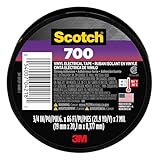
I remember staring at that mess of wires behind the old workbench, a bird’s nest of connections that looked like a squirrel had a caffeine overdose. The ground wire was frayed, looking sad and pathetic. My first instinct? Grab the roll of black electrical tape sitting right there. It’s tape, right? It’ll hold stuff together. But then I paused. Can I actually use electrical tape on a ground wire? It’s a question I’ve heard a lot, and one that’s surprisingly important to get right. For something that’s supposed to keep you safe, you don’t want to guess.
Look, I’ve been doing this DIY electrical stuff for years, and I’ve learned the hard way that some shortcuts are just plain dangerous. Spending a few extra bucks on the right material or taking the time to do it properly saves you a massive headache, or worse, down the line. So, let’s cut through the noise and get a straight answer on whether that roll of black tape is the solution you think it is.
Why You’re Probably Asking: The Frayed Ground Wire Dilemma
So, you’ve found yourself staring at a ground wire that’s seen better days. Maybe it’s frayed from years of vibration, or perhaps a clumsy moment with a tool has nicked the insulation. Whatever the reason, it looks… not good.
Your brain immediately goes to the nearest fix-it tool: electrical tape. It’s ubiquitous, cheap, and sticks to itself. It seems like the perfect quick-and-dirty solution for a ground wire that’s lost a bit of its protective jacket. You think, ‘It’s just insulation, and tape is insulation, right?’
Wrong. Dangerously wrong, in many cases. The common advice you’ll find floating around the internet, often from people who clearly haven’t spent years elbow-deep in wiring, is to just wrap it up. But here’s the blunt truth: electrical tape is not designed for the important role a ground wire plays, especially when it’s damaged.
The primary function of a ground wire is safety. It provides a path for electricity to flow to the earth in the event of a fault, like a short circuit.
This prevents the metal casing of an appliance or fixture from becoming energized, which could shock you if you touch it. It’s a last line of defense. Electrical tape, while it offers some insulation and is designed to be used on wires, has limitations. It’s not mechanically strong, it degrades over time with heat and UV exposure, and it’s not rated for the kind of protection a ground wire needs, especially if that ground wire is exposed or compromised.
Think of it like this: would you use a band-aid to fix a hole in a dam? No, because it’s not built for that kind of pressure or exposure. Electrical tape on a damaged ground wire is a similar mismatch of purpose and capability.
It might look like it’s fixed, but it’s a ticking time bomb waiting for the wrong conditions to create a serious hazard. This is why understanding the limitations of materials is so vital when dealing with anything involving electricity.
The Real Deal with Electrical Tape: What It Is (and Isn’t)
Let’s get down to brass tacks about electrical tape. Most of what you find in the hardware store, that stretchy black stuff, is made from vinyl. Vinyl tape has its uses, mind you. It’s great for bundling wires, providing temporary insulation for low-voltage connections, and color-coding. The better quality ones are designed to stretch and conform to odd shapes, and they create a decent waterproof seal when wrapped properly. Some even boast high dielectric strength, meaning they can withstand a certain amount of electrical voltage before breaking down. But and this is a big BUT – they are not a permanent fix for damaged insulation on a grounding conductor, especially if that damage is significant or the wire is exposed. (See Also: Can I Use Electrical Tape To Connect Wires )
The problem isn’t just about the voltage rating, though that’s part of it. It’s also about durability and the specific stresses a ground wire might endure. A ground wire is meant to carry fault current, which can be substantial. It’s also often routed in places where it might be subject to abrasion, moisture, or temperature fluctuations.
Electrical tape, particularly standard vinyl tape, can become brittle and crack over time, especially in less-than-ideal environments. It can also stretch and lose its adhesion. If that tape comes loose, your ground wire is exposed, and your safety net is gone. I learned this the hard way when a temporary fix I’d done on a garden shed’s outdoor outlet wiring using electrical tape gave out after about two years.
The sun and rain had turned it into a gummy, cracked mess. Luckily, no one got hurt, but it was a stark reminder that ‘good enough’ isn’t good enough when it comes to electrical safety. It’s not a matter of if it will fail, but when and under what circumstances.
Here’s a little table to show you where it generally falls short for ground wire repair:
| Application | Electrical Tape (Standard Vinyl) | Verdict |
|---|---|---|
| Bundling Wires | Good | Yes, works fine. |
| Temporary Insulation (Low Voltage) | Fair to Good | Depends on conditions, use cautiously. |
| Permanent Repair of Damaged Ground Wire Insulation | Poor | NO. Not durable or reliable enough. |
| High-Temperature Environments | Poor | Degrades quickly, loses adhesion. |
| Moisture/UV Exposure | Poor | Becomes brittle, cracks, or gummy. |
Contrarian View: But What About ‘proper’ Electrical Tape?
Now, I know what some of you might be thinking. ‘Hold on a second, there’s different kinds of electrical tape, right? What about the really good, high-voltage stuff?’ And you’re not wrong. There are specialized tapes, often made of rubber or silicone, that offer much higher dielectric strength and better resistance to heat, cold, and chemicals. These are what electricians might use for certain specialized splices or sealing applications. They’re often self-fusing, meaning they vulcanize (chemically bond) to themselves to create a solid, waterproof, and electrically stable joint. You can often find these in thicker rolls and they feel different – more like rubber than vinyl.
However, even with these high-performance tapes, the question of permanence and mechanical protection for a damaged ground wire remains. While a self-fusing rubber tape might provide excellent insulation and a watertight seal, it doesn’t offer much in the way of physical protection against abrasion or crushing. If the ground wire is in a location where it could get physically damaged again, the tape, no matter how good, is just a soft layer of protection. The National Electrical Code (NEC) is pretty specific about how conductors should be protected.
While it doesn’t explicitly ban tape for all ground wire repairs, it emphasizes methods that provide solid and permanent protection. For a frayed or exposed ground wire, the NEC generally requires that the conductor be repaired using approved methods, which typically means replacing the damaged section of wire or the entire cable, or using appropriate wire connectors and junction boxes to make sure a secure and protected connection. Relying solely on tape, even high-end tape, for a compromised ground wire is usually not considered a code-compliant or safe permanent repair by professionals. It’s a temporary patch, at best, and often not even that.
When to Just Replace It (spoiler: It’s Usually This)
This is where I get to be that blunt friend. Most of the time, if you’re asking ‘can I use electrical tape on ground wire’ because the wire is actually damaged (frayed, nicked, cut), the answer is a resounding NO. The correct, safe, and code-compliant solution is almost always to replace the damaged section of the wire or the entire cable. I know, I know. It sounds like more work, and it might be. But think about the cost of a new length of wire versus the cost of a fire, an electrical shock, or a hefty fine from an inspector if you ever sell your house and it gets flagged.
Replacing a section of wire isn’t as daunting as it sounds for many common situations. If it’s a simple run within a junction box or from a device to a box, you can often splice in a new piece using approved wire nuts or lever connectors (like Wago connectors, which I love for their ease of use and reliability). (See Also: Can Electrica Tape Catch On Fire )
Make sure you’re using connectors rated for the wire gauge and the number of wires you’re joining. For exposed wires, like those on an appliance cord or an extension cord, it’s often best to replace the entire cord or, for more permanent installations, call a qualified electrician to assess and repair the wiring.
My first time replacing an appliance cord, I was intimidated. It took me about 45 minutes, a bit of head-scratching, and maybe $15 for a new cord and connector. Compared to the peace of mind and the fact that I knew it was done right, it was a bargain.
Trying to ‘fix’ a damaged ground wire with tape is like putting a smiley-face sticker on a gaping hole in your car’s radiator – it might look better for a minute, but it’s not going to stop the leak or prevent catastrophic failure.
Practical Tips for Ground Wire Health & Safety
Alright, so we’ve established that duct tape and electrical tape are generally not your go-to for actual ground wire damage. But that doesn’t mean you’re left helpless. Here’s what you should be doing to keep your ground wires happy and make sure your electrical system is safe. First off, regular inspection is key. If you’re doing any work around electrical outlets, switches, or appliances, take a moment to look at the wiring. Are the ground wires intact? Is the insulation on all wires looking good? If you see anything suspicious – fraying, nicks, or signs of overheating (discoloration, brittle insulation) – address it immediately.
When you are making connections, always use the right tools and materials. Wire nuts are the classic choice for joining wires. Make sure you’re using the correct size for the number and gauge of wires.
Newer lever connectors, like the aforementioned Wago connectors, are also fantastic options. They’re color-coded, make a secure connection, and are generally easier to use than wire nuts for many people.
For very specific applications, like sealing a splice against moisture, there are specialized heat-shrink tubing and tapes designed for electrical work, but these are usually used in conjunction with proper connectors, not as a replacement for them. Another thing to consider is physical protection.
If a ground wire is in a location where it could be easily damaged, use conduit or wire loom to protect it. This is especially important in garages, workshops, or any area with potential for mechanical impact.
Think of it as giving your electrical system a little armor plating where it needs it. (See Also: Can I Substitute Duct Tape For Electrical Tape )
When Is It Okay to Use any Tape on a Ground Wire?
Honestly? Almost never for actual damage. If a ground wire is perfectly intact and you just need to tidy up a bundle of wires in a place where it won’t be disturbed, a small amount of high-quality electrical tape could be used to keep the bundle neat. But this is cosmetic, not a repair. If the ground wire itself is frayed, cut, or showing any signs of damage to its insulation, tape is NOT the solution. The risk of shock or fire is too high.
What’s the Best Way to Repair a Frayed Ground Wire?
The safest and most recommended way to repair a frayed ground wire is to replace the damaged section entirely. This typically involves cutting out the damaged part and splicing in a new piece of wire of the same gauge using an approved wire connector (like a wire nut or lever connector). If the damage is extensive or on a flexible cord, replacing the entire cord is often the best option. Consult a qualified electrician if you’re unsure about any electrical repair.
Can I Just Wrap a Ground Wire with Electrical Tape If It’s Slightly Damaged?
No. While electrical tape provides some insulation, it is not a reliable or safe long-term solution for repairing damaged ground wire insulation. The tape can degrade, loosen, or fail, leaving the ground wire exposed and compromising your electrical safety. It’s important to address any damage to ground wires with proper repair methods, which usually means replacement of the damaged section.
What Are the Risks of Using Electrical Tape on a Ground Wire?
The primary risks include electric shock if the tape fails and the ground wire becomes exposed, leading to a metal enclosure becoming energized. There’s also an increased risk of electrical fires if the fault current can’t be safely directed to ground due to a compromised connection or insulation. Furthermore, it’s often not code-compliant, which can cause issues during home inspections or insurance claims.
Are There Any Special Types of Tape That are Safe for Ground Wires?
While some high-performance tapes (like self-fusing rubber or silicone tapes) offer excellent insulation and sealing properties, they are generally not considered a permanent or sole solution for repairing damaged ground wire insulation according to electrical codes and best practices. They might be used in conjunction with other approved methods for specific sealing purposes, but they don’t replace the need for proper mechanical and electrical integrity of the conductor itself. Always refer to local electrical codes and manufacturer specifications for appropriate repair methods.
When to Call a Pro: Knowing Your Limits
Look, I’m all for DIY. I’ve saved a ton of money and learned a lot by tackling projects around the house myself. But there’s a line, and for electrical work, that line is often about safety and complexity. If you’ve found a damaged ground wire, and after reading this you’re still picturing yourself wrestling with wire nuts and trying to decipher wiring diagrams, it’s probably time to call in a professional. Electricians have the training, the tools, and the experience to diagnose problems correctly and make repairs that are not only safe but also code-compliant.
There are certain situations where DIY electrical work can be particularly risky. If the damage is extensive, if it involves your main service panel, or if you’re dealing with older wiring systems that have outdated insulation or components, it’s best to leave it to the experts.
The cost of an electrician for a repair might seem high, but it’s a small price to pay for peace of mind and making sure your home is safe from electrical hazards. Don’t be the person who tried to save a few bucks and ended up with a much bigger, more dangerous problem.
Knowing when to admit you’re out of your depth is a sign of intelligence, not failure. It’s better to pay a pro than to risk your safety or your home. Sometimes, the smartest DIY move is knowing when to outsource.
Verdict
So, to wrap this up and give you a straight answer: can I use electrical tape on a ground wire? For any actual damage – fraying, nicks, cuts – the answer is a firm no. Electrical tape is simply not designed for the important safety role a ground wire plays, and relying on it is asking for trouble. It’s a temporary fix that can have permanent, dangerous consequences.
Your best bet is always to replace the damaged section of wire or the entire cable if it’s compromised. Use approved connectors and techniques. If you’re not comfortable with that, or if the situation seems complex, don’t hesitate to call a qualified electrician. Safety first, always. That frayed ground wire isn’t a cosmetic issue; it’s a safety hazard that needs a proper repair, not a sticky bandage.