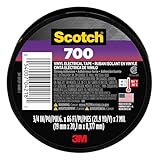
I remember standing in my kitchen, a fresh coat of wax gleaming on the hardwood, feeling pretty smug about my DIY floor care. Then, disaster. A rogue screwdriver slipped from my hand, and instead of a tiny scratch, I got a gouge that went right through the wax. My first thought? Electrical tape. It’s black, it’s sticky, it’s everywhere. But can I use electrical tape on waxed floor? The answer, as with many things, isn’t a simple yes or no.
For years, I’ve been wrestling with floor maintenance, trying every trick in the book, and sometimes, the book is just plain wrong. I’ve wasted a decent chunk of change on miracle polishes and tapes that promised the moon and delivered dust bunnies. So, when a situation calls for a quick fix on a delicate surface like waxed flooring, the temptation to grab the easiest solution is real.
So, Can I Use Electrical Tape on Waxed Floor? Let’s Get Real.
Look, the short, blunt answer is: probably not, and definitely not if you care about your floor’s longevity or appearance. Electrical tape is designed for one thing: insulating electrical wires. Its adhesive is strong, sometimes too strong, and it’s made to withstand a certain amount of heat and moisture, but it’s not designed for delicate, porous surfaces like waxed wood floors. When you try to pull it off, you’re not just peeling tape; you’re likely peeling off layers of your precious wax coating.
And that, my friends, is a mess nobody wants to deal with. I learned this the hard way after attempting to tape down a temporary rug edge on a freshly waxed hallway.
The tape held the rug, sure, but when I removed it a week later, it left behind sticky residue and, worse, patches where the wax was visibly thinned or completely gone. It looked like my floor had developed a patchy beard. My immediate thought was, ‘Well, this looks terrible.’ The repair involved stripping and rewaxing a significant portion of the hall, a job that took me a solid afternoon and cost me more in time and materials than a proper floor repair kit would have.
The adhesive on electrical tape, especially the cheaper stuff, can be aggressive. It’s formulated to stick to smooth, non-porous surfaces like plastic and rubber insulation, and also to metal. When you apply it to a waxed floor, that wax layer acts as a barrier, but the adhesive can still bond with it. Over time, or with temperature fluctuations, this bond can weaken the wax or even pull it up. Think of it like trying to stick a powerful magnet to a thin piece of paper that’s already glued to a surface – eventually, the paper (your wax) is going to tear or lift.
People often confuse electrical tape with painter’s tape or masking tape. Painter’s tape is formulated with a low-tack adhesive specifically designed to be removed cleanly from most surfaces, including painted walls, without damaging the finish. Electrical tape, on the other hand, has a much stronger, more permanent adhesive. It’s built to last, which is the opposite of what you want when you need to remove it later without leaving a mark. This distinction is important, and it’s where many DIYers, myself included in my younger, more impulsive days, make a costly mistake. The very properties that make electrical tape good for its intended job make it terrible for your beautiful, waxed floor.
What Happens When Electrical Tape Meets Waxed Floors? The Nitty-Gritty.
Let’s break down the science, or at least the practical application, of why this is a bad idea. Electrical tape, like most vinyl electrical tapes, uses an acrylic or rubber-based adhesive. Acrylic adhesives are generally good for a broad temperature range and resist UV light well, but they can be quite aggressive. Rubber-based adhesives are often stickier and can leave a residue, especially on surfaces that aren’t perfectly smooth. Waxed floors, by their nature, are smooth and have a low surface energy due to the wax coating. This means that adhesives tend to stick very well to them, but also that the wax itself can be disturbed or removed by strong adhesives.
When you apply electrical tape, the adhesive makes direct contact with the wax layer. Over time, especially if the area experiences any foot traffic, temperature changes (think sunlight streaming through a window, or heat from a nearby appliance), or even just prolonged contact, the adhesive can begin to break down the wax or bond to it so strongly that removal is problematic. You might find a sticky, gummy residue left behind. This residue is often a nightmare to clean.
Standard cleaners might not cut through it, and using harsh solvents can further damage the wax or the wood beneath. I once spent hours with a plastic scraper and a specialized adhesive remover trying to get the gunk off a small section of floor where I’d used some generic ‘heavy-duty’ tape. (See Also: Can I Use Electrical Tape To Connect Wires )
It was a sweaty, frustrating experience, and I ended up having to reapply wax anyway.
The physical act of peeling the tape also poses a risk. If the adhesive has bonded too strongly, pulling the tape can cause the wax to peel away in sheets or chunks. This leaves behind an uneven surface where the original wax is gone, and the underlying wood might be exposed or damaged.
This is particularly true for older wax finishes or if the wax application wasn’t perfectly even to begin with. The goal with flooring is to protect it, not to create new problems. Electrical tape is a shortcut that almost always leads to a longer, more expensive detour. It’s like trying to fix a leaky faucet with duct tape – it might stop the drip for a minute, but it’s not a proper solution and can make the eventual repair harder.
Common Mistakes and Why They Happen
One of the biggest mistakes people make is assuming all tapes are created equal. They look at a roll of tape and think, ‘It sticks, it’s black, what’s the harm?’ This thinking is particularly prevalent when a quick fix is needed. You’ve got a spill, a scuff, or a need to temporarily secure something, and electrical tape is right there in the junk drawer. The problem is, the convenience factor often outweighs the potential damage in that split-second decision.
Another common pitfall is underestimating the power of the adhesive. We’ve all experienced those cheap tapes that barely stick to anything, and conversely, those that are practically impossible to remove. Electrical tape often falls into the latter category when it comes to sensitive surfaces. It’s designed to be durable and long-lasting, which means its adhesive is formulated to maintain its grip under various conditions. This is great for wiring, but terrible for a waxed floor that you want to keep looking pristine. I’ve seen people use it to mark boundaries on floors for parties or events, only to regret it the next morning when they’re scrubbing stubborn black marks and sticky patches.
The ‘contrarian’ opinion here? Some folks might argue that if you’re extremely careful and only leaving it on for a very short period, it might be okay. I disagree vehemently.
The risk-reward is completely out of whack. The minuscule chance of success is not worth the high probability of damaging your floor. Why gamble with your beautiful hardwood when there are proper solutions available?
It’s like saying you can use sandpaper to polish a mirror – sure, you can do it, but you’ll ruin the mirror in the process. The common advice is to avoid strong adhesives on waxed surfaces, and for good reason.
It’s not just about preventing damage; it’s about preserving the integrity of the finish. Anyone who tells you otherwise likely hasn’t dealt with the aftermath of a bad tape job on a waxed floor. (See Also: Can Electrica Tape Catch On Fire )
| Tape Type | Adhesive Strength | Likelihood of Floor Damage (Waxed) | Verdict |
|---|---|---|---|
| Electrical Tape | High | Very High | Avoid. Aggressive adhesive will pull wax and leave residue. |
| Standard Masking Tape | Medium | Medium | Risky. Can still pull wax, especially if left on too long. |
| Low-Tack Painter’s Tape (e.g., blue tape) | Low | Low | Best of the bad options for temporary use, but still test first. |
| Specialty Floor Tape (e.g., for events) | Variable (designed for specific surfaces) | Low to Medium (depending on product) | Consider if you need a strong temporary hold; follow instructions meticulously. |
Real-World Uses (and Abuses) of Electrical Tape on Floors
I’ve seen people try to use electrical tape on floors for all sorts of reasons, most of them not ideal. For instance, someone might try to tape down a cable running across the floor to prevent tripping. While it seems practical, that cable is going to get stepped on, and the tape will bear the brunt of that pressure.
Over time, this friction and pressure can grind the tape’s adhesive into the wax, creating a difficult-to-remove stain or sticky patch. I once saw a friend try to create a temporary ‘lane’ for kids during a party using electrical tape. By the end of the night, the floor looked like a crime scene with scuff marks and torn pieces of tape everywhere. Cleaning it up took longer than the party itself.
Another common, and equally ill-advised, use is for marking temporary boundaries or areas. Maybe you’re rearranging furniture and want to mark where things go, or you’re setting up for a temporary display. Electrical tape sticks well to itself, which can be a tempting feature, but its bond to the floor is the real issue. If you’re thinking of using it to cover a scuff mark or a minor imperfection, stop right there. You’re only masking the problem and likely creating a bigger one for yourself later. It’s like putting a Band-Aid on a broken bone – it covers it up, but it does nothing to fix the underlying issue and might even cause more harm.
The temptation is strong, I get it. You’ve got a roll of black tape sitting there, and the floor needs a quick fix. But let’s talk about what works, and what doesn’t. If you absolutely must tape something to a waxed floor temporarily, your best bet is a low-tack painter’s tape, like the blue kind.
You should always test it on an inconspicuous area first – tuck it away in a corner or under a rug. Leave it for a day or two, then peel it off carefully. If it comes off cleanly without damaging the wax, you might be okay for a very short-term application. But even then, I’d approach with extreme caution.
It’s a risk, and I generally advise against it entirely for waxed surfaces.
Alternatives to Electrical Tape for Your Waxed Floor
So, if electrical tape is out, what should you use? The best approach depends entirely on why you’re thinking of using tape in the first place. If you need to temporarily secure a rug or runner, consider using rug grippers designed for hard floors. These are often made of silicone or a similar material that provides grip without adhesive that damages finishes. They sit under the rug and prevent it from sliding. I’ve found the silicone ones work wonders on my hardwood, and they don’t leave a trace.
If you need to mark an area temporarily, perhaps for furniture placement or a DIY project, use painter’s tape on a very small scale, and always test first. For longer-term marking or to prevent scuffs from furniture legs, invest in felt pads.
These are cheap, effective, and specifically designed to protect floor surfaces. You can get them in various shapes and sizes to fit almost any furniture leg. Applying felt pads to the bottom of chair legs, sofa feet, and any other furniture that might be moved is one of the best preventative measures you can take to keep your waxed floor looking good. I learned this lesson after noticing my dining chairs were leaving faint scuff marks, even with careful use. (See Also: Can I Substitute Duct Tape For Electrical Tape )
Adding felt pads was a big deal, and it took maybe ten minutes to do the whole set.
For actual repairs, like that gouge I mentioned earlier, you can’t beat good old-fashioned floor wax. For minor scratches, a touch-up with matching wax can often make them disappear. For deeper scratches or gouges, you might need to do a more involved repair, which could involve filling the scratch with a wood filler and then reapplying wax. There are also specialized floor repair kits available, but they are usually for more serious damage and often involve sanding or refinishing. Avoid any temporary fix that involves strong adhesives. The goal is to maintain the integrity of the waxed finish, not to cover it up with something that will cause more problems down the line. Think long-term preservation, not quick-and-dirty fixes.
People Also Ask:
Will Tape Damage Waxed Wood Floors?
Yes, most types of tape, especially electrical tape, can damage waxed wood floors. The strong adhesives can bond to the wax, pulling it off when the tape is removed, leaving sticky residue, or even damaging the wood finish itself. Some tapes are formulated to be low-tack, but even these should be tested in an inconspicuous area first.
What Kind of Tape Can I Use on a Waxed Floor?
Ideally, you should avoid using tape on a waxed floor altogether. If a temporary fix is absolutely necessary, use a low-tack painter’s tape (like blue tape) and always test it in a hidden spot first. Even then, remove it as soon as possible to minimize the risk of damage. Consider alternatives like rug grippers or felt pads for furniture.
How Do I Remove Sticky Residue From Tape on a Waxed Floor?
Removing sticky residue can be challenging. Start with gentle methods like rubbing alcohol or a specialized adhesive remover, applied to a soft cloth. Be very careful not to scrub too hard or use harsh chemicals, as these can further damage the wax or wood. You may need to reapply wax to the affected area after cleaning.
Can I Use Duct Tape on Waxed Floors?
Absolutely not. Duct tape has a very aggressive adhesive designed for strong, long-term bonding. It will almost certainly pull off wax, leave a significant residue, and potentially damage the finish of your waxed floor. It’s far too strong for this delicate surface.
Final Verdict
So, to cut to the chase: can I use electrical tape on waxed floor? My honest advice is a resounding no. It’s a recipe for sticky messes and damaged finishes that will cost you more time and money to fix than any perceived convenience is worth. The risks far outweigh any potential benefits, and there are always better, safer alternatives available for whatever job you’re trying to do.
When it comes to your floors, especially a beautiful waxed finish, it’s always better to err on the side of caution. Invest in the right tools and materials for the job. That means rug grippers for your mats, felt pads for your furniture, and the correct type of floor wax for maintenance. These simple steps will protect your investment and keep your floors looking great for years to come.
Next time you’re tempted to grab that roll of electrical tape for a floor-related issue, take a deep breath, step away, and find a solution that won’t leave you with a sticky regret. Your floors will thank you for it.