I remember the first time I tried to mask off a section of my old Civic for a quick touch-up. I grabbed the roll of blue tape from the garage, figuring it was all the same. Spoiler alert: it wasn’t. That cheap stuff bubbled, bled, and left a gummy residue that took hours to scrub off. It was a mess, a costly one, and a lesson learned the hard way. So, can I use painters tape on my car? The simple answer is maybe, but you need to know exactly what you’re dealing with, or you’re just asking for trouble.
It’s a question a lot of DIYers grapple with, especially when looking to save a few bucks. But the reality is, your car’s paint is delicate, and the wrong tape can do more damage than good. Let’s break down what actually works and what’s just going to leave you with a headache and a bill from the body shop.
Blue Tape, Green Tape, Orange Tape: What’s the Actual Difference?
Walk into any auto parts store or even a big box retailer, and you’re hit with a wall of tape. Blue, green, yellow, sometimes even purple. They all look pretty similar, right?
Wrong. This is where the first big pitfall lies when you’re wondering ‘can I use painters tape on my car?’. The color isn’t just for show; it often signifies the tape’s intended use, its adhesion level, and its resistance to heat and solvents.
Most generic blue painters tape, the kind you use for your living room walls, is designed for interior, dry-wall applications. It’s meant to come off easily and not leave a sticky mess on most surfaces. That sounds good, but car paint is a whole different beast. It’s baked on, exposed to UV rays, and can be sensitive to heat, especially during the warmer months or if you’re working in direct sunlight.
The problem with standard blue painters tape is its adhesive. It’s usually a bit too aggressive for delicate automotive finishes.
When you pull it off, especially after it’s been exposed to sun or heat, it can lift paint, leave behind a sticky residue, or even pull off clear coat. I once tried to tape off a trim piece on my truck, left it on for about three hours on a moderately warm day, and when I pulled it off, I found a faint outline of the tape edge in the paint.
It wasn’t a deep gouge, but it was definitely noticeable and took some serious buffing to even out. That was about a $5 roll of tape costing me hours of work and a lot of cursing.
Then there’s the issue of bleed-through. The paper backing on cheap tape isn’t very dense.
If you’re spraying anything – primer, base coat, clear coat, even some detailing sprays – the liquid can seep through the paper and contaminate areas you didn’t want it to touch. This means more overspray cleanup, more potential for mistakes, and a less crisp line than you were hoping for.
The edges will look fuzzy, not sharp and clean, which defeats the whole purpose of masking in the first place. You end up with a painted line that looks like it was done by a toddler, not a pro.
This is why knowing the difference between tape for drywall and tape for your car is so important.
The green tapes, often labeled as ‘delicate surface’ or ‘low adhesion,’ can sometimes be a better starting point for very sensitive areas, but they still might not offer the heat resistance or the sharp line definition you need for automotive painting. They are designed for things like freshly painted walls or wallpaper, which, again, are not subjected to the same environmental stresses as car paint. So, while the intention behind the color coding is good, relying on the generic ‘blue’ or ‘green’ for automotive work is a gamble. (See Also: Does Painters Tape Pull Off Paint )
My personal rule? If it doesn’t explicitly say ‘automotive masking tape’ or ‘for automotive paint,’ I’m usually very hesitant. I’ve seen too many DIY jobs go sideways because someone just grabbed what was handy. It’s not worth the risk of damaging your car’s finish. The cost of fixing paint mistakes far outweighs the few extra dollars for proper masking tape.
What to Look for: The Real Deal in Automotive Masking Tape
Alright, so generic painters tape is mostly out. What should you be looking for instead when you’re asking yourself, ‘can I use painters tape on my car?’ You need tape specifically designed for automotive use. These aren’t your typical hardware store rolls. Automotive masking tapes are engineered with several key features that set them apart. First and foremost is the adhesive. It’s formulated to offer excellent adhesion to a variety of automotive surfaces – paint, rubber, glass, plastic trim – without damaging them. This means it sticks well enough to create a barrier but releases cleanly without residue or lifting paint, even after extended periods or exposure to heat.
The backing material is another important factor. Automotive tapes typically use a crepe paper that is more densely constructed and treated to resist penetration by solvents and moisture. This is vital for painting. When you’re spraying, you want a tape that acts as a solid barrier. You don’t want your primer or clear coat seeping through to ruin your perfectly masked lines. The best ones will offer a very sharp, clean edge, which is what separates a professional-looking job from a DIY disaster. I’ve found that tapes with slightly stiffer, more refined paper backing tend to perform best here. They hold their shape and create a more defined barrier against overspray.
Heat resistance is also a big deal. Cars sit in the sun. Garages can get hot. Paint booths (even DIY ones) use heat lamps. Standard painters tape can start to degrade, lose adhesion, or leave residue when it gets too warm. Automotive masking tapes are designed to withstand higher temperatures, often rated for specific temperature ranges. This is especially important if you’re doing any kind of spray painting where heat guns or infrared lamps might be used for drying or curing. I learned this lesson when I was trying to repair a bumper and used a heat gun to help cure some filler; the cheap tape I’d used melted and bonded itself to the paint. Nightmare fuel.
There are different types even within automotive masking tapes. You’ll see tapes labeled for general masking, high-temperature applications, and even specific ones for masking trim or rubber seals. For most general touch-ups or masking off sections for a panel repaint, a good quality ‘automotive masking tape’ will suffice. If you’re doing a full respray or working with sensitive plastics, you might want to look for specialized tapes. Some are designed with a stiffer edge that helps guide your spray gun for a perfect line. Others might be slightly more forgiving on textured surfaces.
Price is often a good indicator. If a roll of tape is only a couple of bucks, it’s probably not going to cut it for automotive work. You’re looking at something in the $8-$20 range for a decent roll, depending on width and length. Brands that specialize in automotive refinishing supplies are usually a safe bet. They understand the demands of the environment. Always check the product description or packaging for terms like ‘automotive grade,’ ‘paintable surface,’ ‘no residue,’ and ‘solvent resistant.’ These are your keywords to avoid disappointment. Investing in the right tape upfront will save you significant time, money, and frustration down the line. Trust me on this one.
Common Mistakes People Make (and How to Avoid Them)
So, you’ve decided to take the plunge and are ready to mask your car. Fantastic! But before you start slapping tape on, let’s talk about the landmines. People asking ‘can I use painters tape on my car?’ often fall into a few traps. The first is obvious: using the wrong tape, which we’ve covered. But even with the right tape, there are mistakes that can ruin your day.
One of the biggest errors is poor surface preparation. Your car’s surface needs to be clean and dry. If you try to tape over dirt, grease, wax, or even just dust, the tape won’t adhere properly. This leads to lifting, bleeding, and fuzzy lines.
Before you even think about masking, give the area a thorough wash and dry. If you’re painting, you’ll likely need to degrease the area with a dedicated automotive degreaser or wax and grease remover. I once tried to mask over a spot that I thought was clean, but there was a faint film of wax.
When I removed the tape, the wax had smeared under the edge, creating a terrible feathered line that looked awful. Wiping it down with a tack cloth afterwards is also a good habit for removing any lingering dust.
Another common mistake is applying the tape too soon or leaving it on too long. If you’re doing a multi-stage paint job, you need to let each coat cure sufficiently before masking for the next. Taping over wet or even partially cured paint is a recipe for disaster. The tape can pull paint off, create dents in the soft finish, or leave an imprint of the tape’s edge. Conversely, leaving tape on for days after the paint has fully cured can make it difficult to remove. The adhesive can bond more aggressively, and the edges can get brittle. Always check the paint manufacturer’s recommendations for recoat times and curing times.
People also often pull tape too aggressively or at the wrong angle. The best practice is to pull the tape slowly and steadily at a sharp angle (around 45 degrees) away from the freshly painted area. This helps to break the seal cleanly and prevents lifting. Yanking it off quickly or pulling it straight up can snag the paint. I’ve seen folks rip off tape like they’re removing a band-aid, and the results are always ugly. A slow, controlled pull is key. (See Also: Does Painters Tape Rip Paint Off Walls )
Another pitfall is not using a squeegee or a smooth, hard plastic edge to firmly press down the tape. This is especially important on curved surfaces or edges where air can get trapped. Pressing down the tape makes sure a good seal, preventing paint from getting underneath.
However, be careful not to press so hard that you damage the paint if it’s delicate or freshly applied. A smooth, firm pass is all you need.
Some pros even use a very fine grit sandpaper (like 600 grit or higher) to lightly scuff the edge of the tape where it meets the paint line before spraying. This creates a tiny ‘mechanical lock’ that helps prevent any bleed-through and can lead to an incredibly sharp line. I’ve done this a few times, and the results are noticeably better, but it requires a steady hand.
Finally, not planning your tape lines is a mistake. Think about where you want your paint to stop and start. Do you need a straight line, or a curved one? Are you masking around a complex shape like a door handle? Sometimes, you need to use multiple types of tape or masking paper to achieve the desired result. Don’t just slap tape on and hope for the best. Visualize the finished product and plan your masking accordingly. A little foresight goes a long way in preventing headaches later.
Real-World Use Cases: When Is Automotive Tape Your Best Friend?
Okay, we’ve established that generic painters tape is a no-go for most automotive paint jobs. But where does proper automotive masking tape shine? It’s your best friend in a surprising number of situations, from minor DIY fixes to more involved projects. The most obvious use, of course, is when you’re painting a section of your car. If you’ve got a scratch on a door panel and you’re doing a spot repair, you need to mask off the surrounding area to prevent overspray. This is where a good quality automotive masking tape, perhaps 1-inch or 1.5-inch wide, is perfect for creating clean lines around the damaged area. It protects the adjacent paint, trim, and even rubber seals from any errant spray.
Beyond full panel repainting, consider these scenarios. Suppose you’re applying a vinyl wrap. While you might not be painting, you still need to secure edges, hold down corners, and sometimes create temporary guides. Automotive tape can be incredibly useful here. It sticks well enough to hold things in place during the application process but can be removed without damaging the underlying paint or the wrap itself. I’ve used it to temporarily hold down a tricky corner of a wrap while I worked on smoothing out the main panel. It’s a lifesaver when you’re working solo.
Another common need is when you’re installing aftermarket parts that might require minor paintwork. For example, if you’re installing new fender flares that need to be color-matched, you’ll likely need to mask the fender itself to prevent overspray. Or, if you’re swapping out side mirrors and the new ones come unpainted, you’ll need to mask them before spraying. These are situations where you want a tape that will give you a crisp, defined edge and won’t peel or lift the factory paint on your car.
What about detailing? While not strictly for painting, sometimes you need to protect delicate trim or even the paint itself while you’re working with harsh cleaning chemicals or polishing compounds. For instance, if you’re doing a heavy-duty wheel cleaning and you want to avoid getting brake dust remover on your paint, or if you’re polishing a specific section of a headlight and don’t want polish compound getting into the grille. A high-quality automotive tape can be used sparingly to mask off these areas. It’s a bit of overkill for everyday cleaning, but for targeted, intensive detailing, it can be a good safeguard.
I also found it invaluable when I was installing some new door sill protectors that had a slight curve. The instructions said to align them carefully and then press them down firmly. I used a strip of automotive tape to hold one end precisely in place while I smoothed the rest of the protector down. Once it was adhered, I pulled the tape off, and the sill protector was perfectly aligned. No guesswork, no sliding around. This kind of controlled application is where good tape truly earns its keep.
The key is always recognizing when the risk of overspray, contamination, or damage is high. If you’re working with anything that could splash, spray, or scrape against your paint, and you want a clean, professional result, then reaching for automotive masking tape is the smart move. It’s not just for paint shops; it’s a versatile tool for any car enthusiast who wants to do things right.
My Top Picks and What to Avoid (no Holds Barred)
Choosing the right tape can feel like navigating a minefield. So, let’s get down to brass tacks. Can I use painters tape on my car? Generally, no. But which automotive tapes are worth your hard-earned cash, and which ones should you run away from faster than a speeding ticket? Over the years, I’ve wasted money on enough sub-par tapes to fill a small dumpster. Here’s my honest take.
The Good Stuff (Brands I Trust): (See Also: Does Masking Tape Work The Same As Painters Tape )
When it comes to reliable automotive masking, I’ve found brands that specialize in body shop supplies tend to be the safest bet. My go-to is usually 3M Automotive Masking Tape. Their blue automotive tape (specifically the 10-day performance version or similar) is fantastic. It’s got a good balance of adhesion and clean removal, handles moderate heat well, and provides really sharp lines. It’s not the cheapest, but it’s consistently excellent. I’ve used it for everything from light touch-ups to masking off entire panels for spray cans, and I’ve rarely had issues with residue or paint lift.
Another brand that consistently delivers is SATA. They make high-quality masking tapes that are designed for professional use. Their tapes are known for their solvent resistance and ability to create razor-sharp paint lines. They can be a bit pricier, but if you’re doing a serious paint job, the performance is undeniable. I remember using their tape on a project where I had to spray a complex metallic flake, and the definition I got was incredible. No bleed-through at all.
For slightly more budget-conscious but still reliable options, brands like Pro-Tec or Evercoat often have decent automotive-grade tapes. You need to read the labels carefully – make sure they explicitly say ‘automotive’ or ‘for auto paint.’ I’ve had good experiences with their standard automotive masking tapes for general use. They might not have the extreme heat resistance of the top-tier stuff, but for most DIY jobs in moderate temperatures, they do the trick without breaking the bank.
The Avoid-at-All-Costs List:
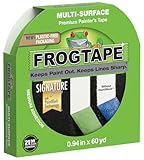
This is where I get really opinionated. Anything labeled simply ‘Painters Tape,’ ‘Blue Tape,’ ‘Frog Tape’ (unless it’s their automotive specific line, which is rare and expensive), or generic store brands from big box retailers. These are designed for drywall and interior walls. They are not built for the heat, the UV exposure, or the delicate nature of automotive finishes. I’ve seen these tapes fail spectacularly, leaving sticky goo, pulling paint, and creating fuzzy, unusable lines. My first experience with that cheap blue tape I mentioned earlier falls into this category. It was a complete waste of money and effort.
Also, be wary of tapes that feel unusually thick or waxy. Sometimes, these can leave a residue that’s a nightmare to remove. If a tape feels like it’s got a plasticky coating, it might not breathe well and could trap moisture or solvents, leading to unexpected paint reactions. The rule of thumb is: if it’s not specifically marketed for automotive use, assume it’s not suitable. It’s better to spend a bit more on a reputable automotive tape than to risk damaging your car’s paint and spending far more on repairs.
Here’s a quick comparison table of what I generally recommend versus what to steer clear of:
| Type of Tape | Intended Use | Adhesion Level | Heat Resistance | Verdict |
|---|---|---|---|---|
| Generic Blue/Green Painters Tape | Interior walls, dry surfaces | Moderate to High (on drywall) | Low | AVOID FOR CARS. Prone to residue, paint lift, bleed-through. |
| 3M Automotive Masking Tape (Blue, 10-day) | Automotive painting, masking | Good, clean removal | Moderate to High | EXCELLENT CHOICE. Reliable, sharp lines, no residue. |
| SATA Automotive Masking Tape | Professional automotive painting | Excellent, secure seal | High | TOP-TIER PERFORMANCE. For important paint jobs. |
| Pro-Tec/Evercoat Automotive Tape | General automotive masking | Good | Moderate | GOOD VALUE OPTION. Solid performance for DIY. |
| Specialty Tapes (e.g., Trim Masking) | Specific automotive tasks | Varies by type | Varies by type | USE AS DIRECTED. For specialized jobs. |
Can I Use Painters Tape on My Car? Faq
Will Cheap Blue Painters Tape Ruin My Car’s Paint?
Yes, cheap blue painters tape absolutely can ruin your car’s paint. It’s designed for interior walls, not delicate automotive finishes. The adhesive can be too aggressive, leading to paint lifting or a sticky residue left behind. It also often lacks the density to prevent overspray from bleeding through, resulting in fuzzy lines. In direct sunlight or heat, it can degrade and cause even more damage.
How Long Can I Leave Automotive Masking Tape on My Car?
This depends on the specific tape and the environmental conditions. Most good quality automotive masking tapes are rated for a certain duration, often ranging from 3 to 14 days. However, it’s always best to remove the tape as soon as the paint has cured enough to be handled. Leaving it on longer, especially in heat or direct sunlight, increases the risk of the adhesive bonding too strongly or degrading, making removal difficult and potentially damaging the paint.
What’s the Difference Between Regular Painters Tape and Automotive Tape?
The primary difference lies in the adhesive formulation, the backing material, and heat resistance. Automotive tape uses an adhesive designed for clean removal from painted surfaces without damage and often has a denser, more solvent-resistant backing to prevent bleed-through during spraying. Regular painters tape is typically less durable, has a less refined backing, and is not designed to withstand the temperatures or solvents encountered in automotive painting.
Can I Use Painters Tape to Mask Off Trim or Rubber Seals?
It’s best to use tape specifically designed for automotive trim or rubber if possible, as these may have slightly different adhesive properties or backing materials. However, if you must use standard automotive masking tape, choose a high-quality one known for clean removal. Apply it carefully and remove it promptly after painting to minimize the risk of residue or damage to the rubber or plastic.
Verdict
So, to circle back to the question: can I use painters tape on my car? The short, blunt answer is: not the cheap stuff you use for your walls. It’s a gamble that rarely pays off, and the potential for damage is too high. Stick to automotive-specific masking tapes. They are formulated for the job, offering clean removal, sharp lines, and protection for your car’s finish. Investing a few extra dollars in the right tape upfront will save you a massive headache and a potentially expensive repair bill down the line.
Think of it this way: you wouldn’t use a butter knife to cut through a steak, would you? It’s the wrong tool for the job. The same logic applies to masking your car. If you’re aiming for a professional-looking result, or even just want to avoid a DIY disaster, the proper tape is a must. It’s one of those small details that makes a world of difference.
Next time you’re prepping for a small touch-up or a larger paint project, remember this. Grab that roll of proper automotive masking tape. Your car’s paint will thank you for it, and you’ll sleep better knowing you didn’t take an unnecessary risk.