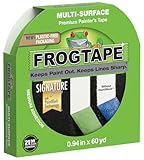
I’ve stood in my bare apartment, staring at a blank wall, clutching a rolled-up poster, and wondering, “Can I use painters tape to hang posters?” It seems simple enough, right? Grab that blue or green tape, slap it on, and call it a day. But trust me, I’ve learned the hard way that not all tape is created equal, and some ‘quick fixes’ end up costing you more in the long run. This isn’t about fancy picture hanging systems; it’s about that moment of wanting to make your space feel like yours without trashing the walls.
Over the years, I’ve wasted enough money on sticky messes and ripped paint to write a book. So, let’s cut through the noise and talk about what actually works, what’s a total waste of time, and how to get your posters up without your landlord sending you a bill for an entire repaint.
The question on everyone’s mind, especially when you’re renting or just don’t want to drill holes, is ‘can I use painters tape to hang posters?’ The short answer is: sometimes, but it’s a gamble, and you need to know what you’re doing. Painters tape, specifically the blue kind most people grab, is designed to create a clean edge for painting. It’s supposed to stick well enough to guide paint but also come off cleanly without pulling up drywall paper or leaving residue.
Sounds perfect for posters, right? Wrong. The problem is that ‘clean removal’ is heavily dependent on the surface, the age of the tape, and frankly, the specific brand you’re using.
I once tried to hang a vintage concert poster in my old place using what I thought was decent blue tape. It held for about a week before the poster decided to take a freefall onto my rug. Then, when I tried to remove the tape, it left sticky residue that took Goo Gone and a lot of elbow grease to get off.
That’s a lesson learned: not all blue tape is created equal, and its primary job isn’t poster hanging.
You see, the adhesive on painters tape is formulated for a specific purpose: to bond to a surface temporarily and then release without damage. This is great for preventing paint bleed.
However, posters are often heavier than a thin sheet of paper, and they stay on the wall for extended periods. This prolonged contact can cause the adhesive to cure or bond more strongly to the wall over time, making removal a lot less ‘clean’ than advertised. Plus, the tape itself can degrade, becoming brittle and losing its adhesion.
It’s a bit of a race against time and the wall’s paint. The surface texture also plays a huge role. Smooth, glossy paint is generally more forgiving than matte or textured finishes, which can trap more of the adhesive and are more prone to damage when the tape is removed.
So, while technically you can use painters tape, approaching it as a foolproof solution is a recipe for disappointment. Think of it as a short-term, low-stakes option for lightweight prints on very forgiving surfaces. If you’re hanging something valuable, or if your walls are anything less than pristine, you might want to reconsider. My own experience has taught me to be wary of anything that promises a simple fix for a problem that often requires a bit more thought. I’ve seen friends try it with varying degrees of success, and more often than not, the success was temporary, followed by a late-night peeling session or a damaged wall.
Why Painters Tape Is a Risky Bet for Your Artwork
Let’s be blunt: most of the time, when people ask ‘can I use painters tape to hang posters?’, they’re hoping for a simple ‘yes’ so they can avoid buying anything extra. And yeah, you can. I’ve done it. We’ve all seen those Instagram-perfect rooms with pristine walls and perfectly aligned prints, and you think, “This must be how they did it.” But here’s the dirty secret: more often than not, that look is achieved with methods that don’t involve basic blue painters tape. Why? Because it’s unreliable. It’s designed for a job that lasts a few days, maybe a week, while you paint. Posters, on the other hand, can hang around for months, even years.
The adhesive on painters tape is water-based, which sounds innocuous, but it’s also what makes it prone to drying out or becoming too sticky over time. I remember one particular disaster in my college dorm. I had a bunch of band posters up using blue tape, and after about six months, I decided to change them out. Pulling off the tape felt like I was peeling the skin off a sunburn.
It ripped off chunks of the cheap dorm paint, leaving behind a sticky, stringy mess. It looked like a snail had a rave on my wall. My roommate at the time, bless her heart, spent an entire Saturday trying to fix it, and we ended up having to buy a whole can of paint to cover the damage.
That’s easily $40 down the drain, plus hours of our lives we’ll never get back.
The common advice to “just use painters tape” often comes from people who haven’t actually left posters up for long periods or who have had good luck with specific, high-quality brands on ideal surfaces. The truth is, the formulation of that tape matters.
Some brands are stickier than others, and some are designed for more delicate surfaces. But even the best painters tape isn’t made for the long haul when it comes to hanging anything with a bit of weight or value. (See Also: Does Painters Tape Pull Off Paint )
It’s a gamble. You’re betting that the adhesive will hold, that it won’t degrade, and that it will come off clean. That’s a lot of variables, and frankly, the odds aren’t always in your favor.
If you’re hanging a kids’ drawing on a fridge, sure, go for it. But for that limited edition print you saved up for? Probably not the best idea.
What to Look for If You’re Still Going to Try
Okay, so you’re still thinking, ‘can I use painters tape to hang posters?’ and you’re ready to roll the dice.
I get it. Sometimes you just want to get that poster up now.
If you absolutely must use painters tape, here’s what you should be looking for to give yourself the best possible chance of success, and minimize the inevitable heartbreak. First and foremost, quality matters. Don’t grab the cheapest pack you can find at the dollar store. Look for reputable brands known for their painting supplies.
Scotch, 3M, and FrogTape are generally better bets. They often have different formulations, so if you can find one specifically designed for ‘delicate surfaces’ or ‘easy release,’ that’s your best bet.
These are usually lighter in adhesion.
Next, consider the type of painters tape. You’ll see blue, green, and sometimes yellow.
Blue is the most common all-rounder. Green tape is often formulated for more demanding jobs, like painting trim, and might be too strong.
Yellow is usually for very delicate surfaces and might not stick well enough. So, stick with blue if you can, but aim for a premium version. Another trick I’ve learned is to ‘de-stick’ the tape. Before applying it to your poster and the wall, press the sticky side onto a piece of fabric (like your jeans or a cotton t-shirt) a couple of times.
This reduces the tackiness slightly, making it less likely to damage the wall or the poster paper upon removal. It’s a small step, but it can make a noticeable difference in how cleanly the tape comes off.
Surface preparation is also key. Make sure the wall is clean and dry. Any dust or grease will prevent the tape from adhering properly, making it more likely to fall down. If you’re hanging the poster in a humid environment, like a bathroom, the tape’s adhesion can be compromised. Also, for lighter posters, consider using smaller strips of tape. Instead of one long strip, use a few smaller pieces strategically placed at the corners. This distributes the weight and makes removal less of a single, powerful rip. It’s about managing expectations and understanding that even with these precautions, there’s still a risk. This isn’t a foolproof method, but if you’re going to do it, do it as smartly as possible.
My Go-to Alternative: Command Strips and Other Solutions
Look, I’ve been there. You want to hang stuff, you want it to look good, and you don’t want to mess up your walls. For years, I swore by a combination of pins, thumbtacks, and yes, the occasional desperate dab of Blu-Tack.
But let’s be real, those methods have their own issues. Pins and tacks leave holes, and Blu-Tack, while great for lightweight posters, can sometimes leave oily marks on the wall or the artwork itself. So, when I discovered Command Strips, it felt like finding the Holy Grail for renters and commitment-phobes. They’re not perfect, and they’re definitely more expensive than a roll of tape, but the peace of mind they offer is, for me, worth the extra cash.
The question ‘can I use painters tape to hang posters?’ is something I rarely even consider anymore because I have a better, more reliable option. (See Also: Does Painters Tape Rip Paint Off Walls )
Here’s why I’ve largely ditched painters tape for anything I care about: Command Strips are designed for damage-free hanging. They use a specific adhesive that grips strongly but is formulated to release cleanly when you pull the tab.
I’ve hung everything from framed prints to corkboards with them, and I’ve never had a single instance of paint damage or sticky residue. My biggest scare was when I accidentally left a heavy mirror up for over a year.
When it was time to move, I pulled the tab, and it came off as smoothly as the day I put it up. It felt like magic. They come in various weight limits, so you can find strips suitable for posters, framed art, mirrors, and even shelves. You just need to follow the instructions exactly – clean the surface, press firmly, wait the recommended time before hanging anything, and pull the tab straight down when you want to remove it.
Beyond Command Strips, there are other options worth considering. If your posters are unframed and you want a really clean, minimalist look, consider poster hanging kits. These are usually two wooden or magnetic strips that clamp onto the top and bottom of your poster. They hang from a single nail or hook and are super easy to swap out.
They also protect the poster better than tape. For heavier, framed items, picture hanging wire and hooks are the classic, reliable method, though they do involve a small nail hole. For a more temporary but less wall-damaging option than tape, consider museum putty or mounting putty.
These are similar to Blu-Tack but often leave less residue. You just need to make sure it’s suitable for the weight of your poster and won’t stain porous surfaces.
Common Mistakes to Avoid with Temporary Hanging
Even when people are trying to be careful, they make mistakes. It’s easy to get impatient or assume a method will work when it’s not really designed for the task. One of the biggest blunders I see, or have made myself, is not preparing the surface properly.
When you’re trying to see ‘can I use painters tape to hang posters?’, the assumption is that you can just slap it on any wall. Wrong.
Dust, grease, and moisture are the enemies of adhesion. If you’re taping a poster to a wall that hasn’t been cleaned, or if there’s any humidity in the air, the tape simply won’t stick effectively. This leads to posters falling down, which is the first sign of trouble.
I once tried to hang a mix in my garage workshop, thinking it wouldn’t matter if it wasn’t perfect. The tape, of course, failed within hours because of the dust.
Another common mistake is using the wrong type of tape for the surface. As I’ve said, painters tape varies. Using a high-tack blue tape on freshly painted walls or wallpaper is a recipe for disaster. Conversely, using a low-tack tape on a slightly textured wall might not even hold the poster up. Think about the paint finish. Matte finishes are porous and can absorb some of the adhesive, making removal difficult and potentially damaging. Glossy or semi-gloss finishes are smoother and generally easier to deal with, but even then, the residue can be an issue. It’s like trying to stick a bandage on a greasy finger – it just doesn’t work well.
Impatience is also a killer. People are in a hurry to get their space decorated. They apply the tape, stick the poster, and expect it to stay put forever.
They don’t wait for the adhesive to fully bond, or they rush the removal process. When you remove painters tape, you need to do it slowly and at an angle, pulling it back on itself. Yanking it straight off is a sure way to rip paint or leave residue. For Command Strips, people often skip the waiting period after applying the strip to the wall, or they don’t clean the surface thoroughly.
Then, when the item falls, they blame the product, not the user error. It’s about respecting the product’s limitations and following the instructions to the letter, even if it feels like overkill.
When Painters Tape Actually Makes Sense
Alright, let’s talk about the rare occasions where using painters tape to hang posters might actually be a decent idea. If you’re dealing with incredibly lightweight items, like thin print-outs of simple graphics or children’s drawings, and you’re putting them on a surface that’s known to be forgiving, it can work in a pinch. Think about a smooth, clean, well-sealed painted wall in a high-traffic area where you might want to change things up frequently and temporarily. (See Also: Does Masking Tape Work The Same As Painters Tape )
For instance, I’ve used it to temporarily tack up a flyer or a notice on a painted door in my home office. It’s not artwork, it’s not valuable, and I expect to take it down within a few days. In those scenarios, the risk is minimal, and the convenience of having tape readily available is a plus.
Another situation where painters tape can be considered is if you’re specifically using a high-quality painters tape that is advertised for delicate surfaces and you are using it for a very short period. Some brands offer tapes that are specifically formulated to remove cleanly from wallpaper, painted walls, and trim. If you’re hanging a poster for a party or a weekend event, and you know you’ll be taking it down right after, this type of tape might be acceptable. However, even then, I’d be checking the tape’s performance on an inconspicuous spot first.
I learned this the hard way when I used a supposedly ‘delicate surface’ tape on some freshly painted walls in my last apartment. It worked fine for a week, but when I removed it, it still pulled up a tiny bit of the paint around the edges. It wasn’t a disaster, but it wasn’t perfect either. You’re still playing with fire, just a slightly smaller flame.
The absolute best-case scenario for painters tape and posters is if the poster itself is disposable or you don’t care about its condition. If it’s a promotional poster you got for free and it’s just meant to add some temporary color to a space, then sure, go ahead. But if you’ve spent money on a print, or if it has sentimental value, you’re better off investing in a proper hanging solution.
I’ve come to accept that the cost of a few dollars for specialized hanging hardware is far less than the cost of repairing a damaged wall or replacing a ruined piece of art. So, while the answer to ‘can I use painters tape to hang posters?’
is technically yes, the follow-up question should always be, ‘should I?’ And usually, the answer to that is a resounding no.
A Quick Comparison: Tape vs. Other Methods
When you’re trying to decide how to hang your posters, it’s helpful to see how different methods stack up. For a quick visual, here’s a breakdown. The goal here is to give you a clear picture so you can make the best choice for your situation, whether that involves painters tape or something else entirely.
| Method | Pros | Cons | Verdict |
|---|---|---|---|
| Painters Tape (e.g., Blue Tape) | Cheap, readily available, easy to apply. Can be removed without tools. | Unreliable adhesion, can leave residue, may damage paint/walls, posters can fall. Not for long-term. |
Avoid for valuable items or long-term use. |
| Command Strips/Strips | Damage-free removal, strong hold, wide variety for different weights. | More expensive than tape, requires careful application and removal. |
Excellent for most renters and damage-conscious individuals. |
| Poster Hanging Kits (Magnetic/Wooden) | Protects poster edges, easy to change posters, clean look, no wall damage (usually hangs from one hook). | Can be bulky, may not work for very heavy framed posters. Limited to poster size. |
Great for unframed posters, especially fabric or paper. |
| Mounting Putty/Museum Putty | Reusable, good for lightweight items, can fill small gaps. | Can leave oily residue on some surfaces, not strong enough for heavier items, can dry out. |
Good for temporary, lightweight decoration; test first. |
| Thumb Tacks/Picture Hooks | Strong hold, traditional method, inexpensive. | Leaves holes in the wall, requires tools (hammer). |
Reliable if you don’t mind small holes. |
As you can see, while painters tape is the cheapest and easiest upfront, its cons often outweigh its pros when it comes to hanging anything you care about. Command Strips, while costing a bit more, offer a much more secure and wall-friendly experience for most people. The key is to match the method to the value and permanence you desire for your artwork.
Conclusion
So, when all is said and done, can I use painters tape to hang posters? Yes, technically. But should you? My honest opinion, based on years of both success and spectacular failure, is to proceed with extreme caution. It’s a gamble, and the stakes can range from a minor annoyance to a costly repair job.
If you’re like me and you want your walls to look good without costing you your security deposit, I’d strongly recommend investing in something like Command Strips. They’re a bit more expensive upfront, but they offer a level of reliability and peace of mind that painters tape just can’t match for this particular task. Think of it as buying insurance for your walls and your artwork.
Ultimately, the decision is yours. You can try the painters tape, cross your fingers, and hope for the best. Or, you can opt for a proven method that’s designed for damage-free hanging. Whatever you choose, just make sure you’re prepared for the potential consequences. Your future self, and your landlord, will thank you.