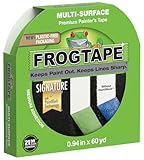
I remember the first time I looked at the underside of my RV and saw those flimsy flaps. My buddy Dave, bless his heart, swore by using regular old blue painter’s tape to secure them. He said it was a cinch and saved him a bundle. I, being young and impressionable, thought, ‘Why not?’ That was a mistake I won’t forget.
Now, years later, I’ve learned a thing or two about what actually keeps things together on a rig, and the answer to ‘can i use painters tape to skirt my rv’ isn’t as simple as Dave made it sound.
Let’s cut to the chase: while tempting, it’s usually not the magic bullet people hope for.
Why That Blue Tape Won’t Cut It for RV Skirting
Look, I get it. You’re staring at a potential repair bill that’s making your wallet sweat, and you’re looking for the cheapest, easiest fix. Painter’s tape is everywhere, it’s cheap, and it seems like it should do the job. I’ve been there. I’ve bought rolls of the stuff thinking I was a genius, only to have it peel off faster than a sunburn on a beach vacation. The truth is, painter’s tape is designed for delicate surfaces and temporary adhesion. Think walls you’re painting, not RV skirts that are constantly battling wind, road grime, and temperature swings.
The adhesive on painter’s tape is water-based and designed to release cleanly. That’s its strength for painting, but it’s a massive weakness when you need something to hold firm under duress. RV skirts, whether they’re made of vinyl, fabric, or some specialized material, need a much more solid connection. They’re not just decorative; they’re functional, keeping out critters, protecting your undercarriage, and improving insulation.
When that tape gives way, you’re not just left with a flap; you’re potentially exposing vital components to the elements, which can lead to much bigger, more expensive problems down the line. I once had a section of skirting come loose on a windy highway, and let me tell you, the flapping sound was unnerving.
It wasn’t the tape that failed first, but the material it was attached to started to tear around the weak tape bond.
There’s also the issue of temperature. RVs live outside. They get baked in the sun and frozen in the winter. Most standard painter’s tapes degrade significantly under these conditions. The adhesive can become brittle and crack in the cold or turn into a sticky mess in the heat, losing its hold entirely. So, while you might be able to get it to stick initially, its lifespan in the real world of RVing is measured in hours or days, not months or years. It’s the classic case of saving a few bucks now and costing yourself a lot more later.
What You should Be Looking for Instead
So, if blue tape is out, what’s in? You need adhesives and fasteners designed for outdoor use, flexibility, and durability.
Think about what holds your RV together in the first place – it’s not masking tape. For RV skirting, you’re generally looking at two main approaches: specialized tapes and mechanical fasteners.
Let’s break down the tapes first. You want something that’s specifically rated for outdoor use and has a reputation for holding strong. Often, this means looking for heavy-duty duct tapes, but not just any duct tape. (See Also: Does Painters Tape Pull Off Paint )
The cheap stuff from the dollar store? Forget it. You need a quality duct tape with a strong, weather-resistant adhesive.
Brands known for their industrial-grade tapes often have options that can handle the abuse. Look for terms like ‘heavy-duty,’ ‘all-weather,’ or ‘permanent adhesive’ on the packaging.
Another option in the tape category is RV-specific repair tapes. These are often made of butyl rubber or similar materials that are incredibly sticky, waterproof, and flexible. They can mold to contours and create a very strong bond. They’re pricier than painter’s tape, obviously, but they’re designed for this kind of application. I used a butyl tape to seal a leaky seam on my RV’s roof once, and that stuff is like industrial-strength chewing gum – it doesn’t let go. When it comes to securing the edges of your skirting or patching small tears, these specialized tapes are a much better bet.
Beyond tapes, you’ve got mechanical fasteners. This is often the most reliable long-term solution. Depending on your skirting material and RV construction, this could involve rivets, screws with washers, or specialized RV skirting clips. RV skirting clips are becoming more popular because they allow for some flexibility and expansion/contraction of the material without stressing the fasteners. They often attach to the RV frame or body and then clip onto the skirting. While this requires a bit more initial effort and potentially drilling into your RV, the security and longevity are unparalleled. It’s the difference between a temporary patch and a proper repair that’s going to last.
Common Mistakes with RV Skirting Fixes
One of the biggest blunders I see people make is trying to use indoor-only products outside. Adhesives that work great in your living room will turn into goo or brittle plastic when exposed to UV rays and fluctuating temperatures.
Think about it: your RV is basically a mobile home subjected to the elements 24/7. Anything you use to fix or attach something needs to be built for that. Another mistake is not cleaning the surface properly before applying anything.
Dirt, grease, old adhesive – they all create a barrier that prevents the tape or adhesive from making a good, solid bond. I learned this the hard way trying to tape a loose trim piece on my old camper. It looked clean, but there was a thin film of road dust I hadn’t scrubbed off.
The tape held for about a day.
Over-reliance on one type of fix is also a trap. People think ‘duct tape fixes everything,’ and while it’s versatile, it’s not always the best fix. For a small, temporary patch on a non-important area, maybe. But for securing the entire edge of your skirting, you need a more considered approach. And then there’s the ‘good enough’ mentality. Seeing a small gap or a loose edge and thinking, ‘Ah, it’s probably fine.’ It’s rarely fine in the long run. That small gap becomes an entry point for water, pests, and drafts, leading to rot, damage, and discomfort. Being thorough and using the right materials upfront will save you headaches and money later.
Finally, not understanding the materials you’re working with is a big one. Different skirting materials – vinyl, canvas, solid panels – have different adhesion properties and require different types of fasteners. You wouldn’t use the same glue on glass as you would on fabric, right? The same applies here. Research what your specific skirting is made of and what kinds of adhesives or fasteners are recommended for it. This little bit of homework can prevent a lot of frustration and failed attempts. (See Also: Does Painters Tape Rip Paint Off Walls )
My Own Skirting Saga: A Cautionary Tale
I’ll tell you about the time I decided to “reinforce” the bottom edge of my RV skirting with what I thought was super-strong outdoor tape. It was black, looked tough, and claimed to be waterproof. I was proud of myself, thinking I’d found the ultimate budget solution to stop the skirting from flapping at highway speeds.
I meticulously cleaned the area, pressed the tape down firmly, and drove off feeling smug. For the first hundred miles, it was glorious. Silence.
Then, it started. A faint flapping.
By the time I hit my destination, about 400 miles later, the tape had stretched, lost its adhesion on one side, and was actually holding the skirting outward more than keeping it in place. It looked terrible, like a wounded lip, and the wind was whistling through the gaps.
Worse, the sticky residue left behind was a nightmare. It attracted every bit of dust and road debris, creating a black, gooey mess that took hours of scrubbing with mineral spirits to remove. That’s when I realized that just because something looks strong and claims to be weather-resistant doesn’t mean it’s suitable for the specific stresses of RV skirting. The constant flexing, the direct sun, the dirt, the rain – it’s a beating. My cheap tape solution turned into a sticky, flapping disaster that cost me time, effort, and made my rig look like it was falling apart. It was a humbling experience that taught me to respect the materials and the forces at play.
The Real-World Performance of Tapes
Let’s get down to brass tacks regarding tapes. Not all tapes are created equal, and when you’re talking about RV skirting, you’re often talking about a battle against the elements. Painter’s tape, as we’ve established, is generally a non-starter. It’s designed for light-duty, interior jobs where clean removal is key. For RV skirting, you need something with aggressive adhesion that can withstand UV exposure, temperature fluctuations, moisture, and vibration.
Heavy-duty duct tapes, particularly those designed for construction or automotive applications, can be a step up. These often have stronger acrylic or synthetic rubber adhesives that hold better under stress. Look for brands that offer higher tack and shear strength. However, even the best duct tape can eventually fail when subjected to constant flexing and harsh UV rays. The adhesive can break down, and the backing material can become brittle. I’ve seen duct tape work for temporary fixes, holding a bumper on for a short trip, but for something as exposed and constantly stressed as RV skirting, it’s usually a short-term band-aid.
Specialty RV repair tapes are where you might find some success in the tape category. These often use materials like butyl rubber, which is highly pliable, waterproof, and incredibly sticky. They can conform to irregular surfaces and create a solid seal. Think of them as industrial-strength double-sided tape but much more durable.
They are significantly more expensive per roll than painter’s tape or even good duct tape, but their longevity and performance are usually worth the investment for important repairs or securing edges where you can’t easily use mechanical fasteners. I used a product called Eternabond tape on a seam on my RV roof, and that stuff is a beast.
It’s not cheap, but it’s designed to be a permanent, waterproof seal and it absolutely lives up to it. For skirting, you’d need to find a tape flexible enough to handle the movement, but the principle is the same: use a tape designed for this kind of abuse. (See Also: Does Masking Tape Work The Same As Painters Tape )
When Mechanical Fasteners Are Your Best Friend
Honestly, for securing RV skirting long-term, mechanical fasteners are usually the way to go. Tapes, even the good ones, are still susceptible to environmental breakdown over time. Mechanical fasteners – like screws, rivets, or specialized clips – provide a much more secure and durable attachment. The key is to use the right type of fastener for the material of your skirting and the structure of your RV.
For attaching fabric or vinyl skirting to the RV frame, stainless steel screws with large fender washers are a solid choice. The fender washer distributes the pressure over a larger area, preventing the material from tearing around the screw head. Stainless steel is important to prevent rust, which will stain your RV and weaken the fastener over time. If you’re attaching to metal framing, self-tapping screws can work well. For more permanent installations, rivets can offer a very clean and strong bond, but they require a rivet gun and proper technique.
A more modern and increasingly popular solution is RV skirting clips. These are typically made of durable plastic or metal and are designed to attach to the RV’s frame or body. The skirting material then snaps or slides into these clips. This system allows the skirting to flex and move without putting stress on the fasteners themselves.
It’s a more professional look and often easier to work with than traditional fasteners, especially if you need to remove or adjust the skirting later. Brands like RVSnaps offer various clip systems.
While they might seem like an added expense, the time saved on installation and the longevity of the fix often make them the most cost-effective solution in the long run. They are designed to withstand the constant movement and vibration of travel.
| Fix Method | Pros | Cons | Verdict |
|---|---|---|---|
| Blue Painter’s Tape | Cheap, readily available | Fails quickly outdoors, poor adhesion in temp extremes, leaves residue | Absolutely not for RV skirting |
| Heavy-Duty Duct Tape | Stronger than painter’s tape, good for temporary fixes | UV degradation, can fail under constant flexing, residue issues | Temporary, emergency use only |
| RV Specific Repair Tape (e.g., Butyl) | Excellent adhesion, waterproof, flexible, durable | Expensive, can be messy to apply if not careful | Good for patches and important seals, better than duct tape |
| Mechanical Fasteners (Screws, Rivets) | Very secure, long-lasting, reliable | Requires tools, can be more labor-intensive, potential for rust if not stainless | Best for long-term, secure attachment |
| RV Skirting Clips | Secure, allows for movement, professional look, easier installation/removal | Can be costly, requires specific attachment points | Excellent choice for modern, durable skirting installation |
People Also Ask
Can You Use Gorilla Tape on RV Skirting?
Gorilla Tape is significantly stronger than painter’s tape and many standard duct tapes. It often uses a synthetic rubber adhesive that provides excellent initial tack and good resistance to moisture and temperature changes. For a temporary patch or a quick fix on RV skirting, it might hold longer than basic duct tape. However, it’s still not an ideal long-term solution for the entire edge of your skirting. The constant flexing, UV exposure, and vibration of RV travel can still break down the adhesive and backing over time, and Gorilla Tape can leave a very stubborn residue when removed. It’s better than painter’s tape, but specialized RV tapes or mechanical fasteners are still superior for durability.
Is RV Skirting Tape Waterproof?
Many tapes marketed for RV repair or outdoor use are indeed waterproof. This includes specialized RV repair tapes like Eternabond or butyl tapes, as well as heavy-duty outdoor duct tapes. ‘Waterproof’ means they create a barrier that prevents water from penetrating. However, simply being waterproof doesn’t guarantee it will stay adhered to your RV skirting under all conditions. The adhesive needs to be able to withstand the mechanical stresses, temperature swings, and UV exposure that RV skirting endures. So, while a tape might be waterproof, you still need to consider its suitability for the specific application of RV skirting, which involves more than just repelling water.
How Do You Attach RV Skirting to the RV?
The method for attaching RV skirting depends heavily on the type of skirting material and your RV’s construction. Generally, you’ll be attaching it to the RV’s frame or chassis. Common methods include using stainless steel screws with large washers that go through the skirting material and into the frame. Alternatively, rivets can be used for a more permanent attachment. Many RVers opt for specialized RV skirting clips, which are attached to the RV’s frame and then the skirting material snaps or slides into them. This system allows for expansion and contraction of the material. Some DIY skirting solutions might involve bungee cords or straps for flexibility, but for a secure and weather-tight seal, screws, rivets, or clips are generally recommended.
What Is the Best Tape for Outdoor RV Repairs?
The ‘best’ tape for outdoor RV repairs really depends on the specific repair needed. For general-purpose, heavy-duty outdoor repairs where extreme flexibility isn’t most important, a high-quality, weather-resistant duct tape (like a construction-grade tape) can be useful for temporary fixes. However, for important applications like sealing roof seams, window seals, or reinforcing skirting where a long-lasting, waterproof, and durable bond is required, RV-specific repair tapes are superior. Products like Eternabond tape (a self-fusing laminate with a butyl adhesive) or high-quality butyl tapes are widely regarded as excellent for outdoor RV repairs because they are waterproof, UV-stable, and form an incredibly strong bond that withstands the elements and vibration. Always clean the surface thoroughly before applying any tape.
Conclusion
So, to answer the burning question: can i use painters tape to skirt my rv? The short, blunt answer is: you can, but you really, really shouldn’t if you expect it to last. It’s like trying to hold a roof down with scotch tape; it might work for an hour, but don’t expect it to survive a storm. Painter’s tape is made for gentle surfaces and clean removal, not for the constant abuse RV skirting takes from wind, sun, and road spray.
You’re far better off investing in materials actually designed for outdoor, high-stress applications. Think heavy-duty outdoor tapes, RV-specific repair tapes, or, for the most reliable fix, mechanical fasteners like screws, rivets, or specialized RV skirting clips. These might cost a bit more upfront, but they’ll save you from sticky messes, flapping panels, and costly water damage down the road.
My advice? Save your money and your sanity. Skip the painter’s tape and get the right stuff the first time.