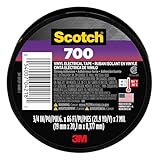
I remember standing in my garage, staring at a tangled mess of wires after a DIY project went south. Sparks were flying, literally, and my first thought was, ‘Can electrical tape be used as an insulator to just fix this mess real quick?’ It’s the go-to solution for so many of us when things get a bit dicey with exposed wires. We’ve all seen it in movies or heard the whispers: tape it up and you’re good to go. But is that really the whole story, or are we just patching up a problem that’s about to bite us back?
I’ve learned the hard way that not all tapes are created equal, especially when your safety is on the line. We’re talking about electricity here, not just holding a broken vase together. So, let’s get down to brass tacks about whether this ubiquitous roll of vinyl is actually up to the job, or if it’s a recipe for future headaches.
So, Can Electrical Tape Actually Insulate? The Short Answer
Look, the simple answer to ‘can electrical tape be used as an insulator?’ is yes, but with some pretty hefty caveats. It’s designed for low-voltage applications, and when I say low-voltage, I mean your basic household wiring, extension cords, or maybe fixing a frayed cord on a lamp. The material itself, usually vinyl, has good dielectric strength – that’s the fancy term for how much electrical voltage it can withstand before it breaks down. Different brands have different ratings, and you’ll see numbers like 600 volts or even higher on the packaging. That sounds like a lot, right?
Here’s where my personal frustration kicks in. I once had a garden light wire that got gnawed by a squirrel – a common problem in my neck of the woods. I slapped some electrical tape on it, feeling pretty smug about my quick fix.
A few weeks later, after a good rain, I got a nasty jolt walking across the lawn. The tape had degraded, let moisture in, and the insulation underneath was toast. That experience taught me that while it can insulate, it’s not a permanent, bulletproof solution.
It’s more of a temporary bandage. The reality is, it’s a barrier, and how well that barrier holds up depends on a dozen factors: the quality of the tape, the voltage you’re dealing with, environmental conditions like heat and moisture, and how well you apply it.
Think of it like this: can a plastic bag hold water? Sure, for a little while. But you wouldn’t trust it to carry your groceries across town in a downpour. Electrical tape is similar. It provides a layer of protection, but it’s not invincible. The common advice is to use it for low-voltage, dry applications, and that’s generally sound. But people get tempted to use it for bigger jobs, and that’s where things go sideways. The dielectric strength is a rating under ideal conditions, not after it’s been stretched, heated, cooled, or exposed to UV light for six months.
What to Look for: Not All Black Tape Is Created Equal
Alright, so you’ve decided to give electrical tape a whirl for a low-voltage fix. Don’t just grab the cheapest roll at the hardware store. I’ve wasted money on tape that felt gummy right out of the package, or worse, wouldn’t stick properly after a few days. You need to know what you’re actually buying. The main thing is to check the specs. Most reputable brands will clearly state the voltage rating. For general household stuff, something rated for 600V is usually sufficient, but always err on the side of caution if you can find higher.
Beyond the voltage, the material matters. Most electrical tape is PVC-based. High-quality PVC tape is flexible, elastic, and adheres well. It’s also resistant to abrasion, oils, and solvents. Cheaper tapes might be stiffer, crack easily, or lose their stickiness when exposed to even moderate temperatures. I learned this when I tried to insulate some wiring on my outdoor patio lights. The sun beat down on it all summer, and by fall, the tape was brittle and peeling off, exposing the wires underneath. That’s a big no-no. You want a tape that remains pliable and sticky under stress.
Another thing to consider is the thickness and tackiness. A good electrical tape should be thick enough to provide a decent layer of insulation without being so bulky that it’s hard to wrap.
It should have a good ‘tack’ – that sticky feeling – that allows it to adhere to itself and the wire without needing a separate adhesive. You should be able to stretch it slightly as you wrap, so it conforms to the shape of the wire and creates a smooth, layered finish with no air bubbles or gaps. When you see tape that feels thin and plasticky, or conversely, feels like it’s coated in glue you can barely touch, be wary. Here’s a quick rundown of what to look for: (See Also: Can I Use Electrical Tape To Connect Wires )
| Feature | What to Aim For | Why it Matters |
|---|---|---|
| Material | High-quality PVC | Flexibility, durability, resistance to elements |
| Voltage Rating | 600V or higher (for most common uses) | Makes sure it can handle expected electrical load |
| Thickness | Medium to slightly thick | Provides adequate insulation without excessive bulk |
| Adhesive | Tacky, self-bonding | Creates a secure, gap-free seal |
| Flexibility | Stretchy, conforms easily | Allows for smooth application and a tight wrap |
Now, here’s a contrarian opinion for you. Everyone says to wrap electrical tape with overlap. And yeah, that’s generally good advice. But I’ve found that sometimes, over-stretching the tape can actually weaken its integrity, especially on tighter bends. You want a good overlap, sure, but don’t yank it to the point where it feels like it’s about to snap. A gentle stretch as you wrap, creating a smooth, layered finish, is usually better than brute force.
Common Mistakes and Why They’re Dangerous
The biggest mistake people make, including myself early on, is assuming electrical tape is a permanent fix. It’s designed to be a temporary solution, a quick patch job until you can properly repair or replace the damaged insulation. I’ve seen people use it to ‘fix’ frayed extension cords that are constantly dragged across the floor or plugged into power-hungry appliances. That kind of abuse will break down any electrical tape way faster than you think.
Another huge no-no is using it for anything involving high voltage or high temperatures. Think appliance repair, automotive wiring that gets hot, or anything connected to your main breaker panel. Electrical tape degrades quickly under heat. It can melt, become brittle, or lose its adhesive properties, exposing the live wires. I had a friend try to insulate a heating element connection on a small appliance with electrical tape. It worked for about an hour before it started smoking. Luckily, no fire, but it was a close call that reinforced why you absolutely need specialized tape for high-temp jobs. Standard electrical tape isn’t rated for that kind of stress.
Moisture is also a killer for electrical tape. While it offers some resistance, it’s not waterproof. If water or even high humidity gets under the tape, it can corrode the wire and compromise the insulation. This is especially true for outdoor applications, like those garden lights I mentioned. The sun beats down, the tape expands and contracts, and eventually, tiny gaps form where moisture can seep in. Then you’ve got a breeding ground for corrosion and potential short circuits. You’re basically trapping the problem instead of solving it.
Finally, not applying it correctly is a recipe for disaster. Just wrapping a few strands around a wire without proper overlap, or leaving gaps, is as good as leaving the wire exposed. You need to stretch the tape slightly as you wrap, making sure each layer overlaps the previous one by at least half the tape’s width. This creates a continuous, smooth barrier. Also, making sure the area is clean and dry before you start taping is most important. Dirt and grease will prevent the tape from adhering properly.
Here’s a list of common mistakes to steer clear of:
- Using it for permanent repairs.
- Applying it to high-voltage or high-temperature applications.
- Using it in wet or humid environments without extra precautions.
- Improper application (insufficient overlap, gaps, not stretching).
- Not cleaning the surface before application.
People Also Ask: How many layers of electrical tape should I use? Generally, three to four layers are sufficient for most low-voltage repairs. The key is that each layer overlaps the previous one by at least 50% to create a solid, continuous insulating barrier with no gaps. Don’t just wrap once or twice; build it up properly.
Real-World Use Cases: Where It Actually Shines
Okay, so enough with the doom and gloom. Electrical tape does have its place, and when used correctly, it’s a handy tool. The most common and perfectly acceptable use is for insulating low-voltage wire splices. Think of joining two smaller wires together temporarily. You twist them, use a wire nut or a crimp connector, and then wrap the connection with electrical tape for an extra layer of protection and to keep everything neat and secure. I’ve done this countless times on my car’s stereo system wiring or when adding auxiliary lighting to my bike. It’s perfect for keeping those little connections from rattling loose or shorting out against the chassis.
Another good use is reinforcing existing insulation that’s slightly damaged but not completely compromised. If you have a small nick in the wire’s coating, and it’s not in a high-stress area, a few wraps of good quality electrical tape can provide a decent protective layer. This is often seen on appliance cords or lamp cords where they might get a bit of abrasion. It’s not a substitute for a full replacement, but it can extend the life of a cord that’s otherwise still functional. I’ve used it to wrap the stress-relief points on charging cables that were starting to fray near the connector. It’s a cheap and easy way to prevent further damage.
Cable management is another area where electrical tape shines. While purpose-built cable ties or sleeves are often better for neatness, electrical tape is fantastic for bundling loose wires together on your desk, behind your TV, or in your entertainment center. It’s cheap, readily available, and you can cut it to any length you need. It’s not as pretty as some other methods, but it gets the job done effectively. I also find it useful for temporarily securing wires during a project before they are permanently fastened. It’s just easier than trying to hold things in place with one hand while you’re working with the other. (See Also: Can Electrica Tape Catch On Fire )
Here are some scenarios where electrical tape is a solid choice:
- Temporarily insulating low-voltage wire splices.
- Reinforcing minor nicks or abrasion on wire insulation in dry environments.
- Bundling cables for organization.
- Quick fixes on non-important wiring that won’t be exposed to extreme conditions.
- Marking wires for identification (using colored tape).
People Also Ask: Can I use electrical tape on speaker wire? Yes, you can use electrical tape to insulate connections on speaker wire, especially if you’re joining two sections or need to secure a frayed end. Speaker wire typically carries low voltage, so standard electrical tape is usually sufficient for this purpose, as long as the connection is clean and dry.
Beyond the Basics: Practical Tips for Using Electrical Tape
When you’re wrapping wires, don’t just go willy-nilly. Think about how you’re applying it. The key is to create a smooth, uniform layer. Start wrapping a bit before the damaged area, and extend past it. Stretch the tape slightly as you go, so it adheres tightly and conforms to the wire’s shape. Overlap each subsequent layer by at least half the width of the tape. This makes sure there are no gaps for moisture or debris to penetrate.
If you’re dealing with a slightly larger or irregularly shaped area, you might need to apply multiple layers. Don’t be afraid to build it up. Two or three layers are often better than one, especially if the tape is thin or the conditions are less than ideal. Press down firmly as you wrap to make sure good adhesion. Once you’re done, you can give the wrapped area a gentle tug to make sure it’s secure. Some high-quality electrical tapes have a self-bonding property, meaning the layers fuse together over time, creating a more solid seal.
Colored electrical tape is your friend for organization. I’ve used red tape to mark hot wires, black for ground, and green for ground in various projects. It makes troubleshooting much easier down the line. You can also use it to color-code different circuits or components. It’s a small detail, but it can save you a lot of headaches when you or someone else has to work on the wiring later.
Here’s a little trick I learned: if the tape doesn’t seem to be sticking well, or if you’re working in a slightly cooler environment, you can sometimes warm the tape slightly with a hairdryer (on a low setting!) before applying. This makes it more pliable and helps the adhesive bond better. Just don’t overheat it, or you’ll compromise the material. The goal is to make it a little more receptive to sticking, not to melt it.
And remember the original question: can electrical tape be used as an insulator? Yes, but it’s a temporary, low-voltage solution. For anything more permanent or demanding, you need to step up to specialized tapes like vulcanized rubber tape or heat-shrink tubing. They offer superior insulation, heat resistance, and durability. Electrical tape is for quick fixes and non-important applications, not for the main arteries of your electrical system.
How to Properly Insulate a Wire Splice with Electrical Tape
- Make sure the wires are clean, dry, and free of any grease or dirt.
- Twist the wires together securely, or use a wire nut/crimp connector.
- Start wrapping the tape a little before the splice, extending past the end.
- Stretch the tape slightly as you wrap, overlapping each layer by at least 50%.
- Apply 3-4 layers, making sure a smooth, uniform finish with no gaps.
- Press down firmly on each layer to make sure good adhesion.
- Test the connection for security (gentle tug).
When to Absolutely Avoid Electrical Tape
Let’s be blunt. There are times when reaching for that roll of electrical tape is a spectacularly bad idea. If you’re dealing with anything that generates significant heat – like the wiring in an engine bay, connections on a high-wattage appliance, or even some power tool cords that get warm during use – you need to use heat-resistant tape.
Standard PVC electrical tape will degrade, melt, or become brittle, creating a fire hazard or a short circuit. I once saw a technician try to fix a power supply fan that was overheating by wrapping the wires in electrical tape. Within an hour, the tape had melted into a gooey mess, and the fan shorted out, taking the power supply with it. That was an expensive lesson for the customer.
High-voltage applications are another absolute no-go. We’re talking about anything over 600 volts, or circuits that carry a lot of amperage. While the tape might have a 600V rating on paper, that’s under ideal laboratory conditions. Real-world conditions – vibration, temperature fluctuations, and minor abrasion – will compromise that rating. Using it on main power lines, industrial machinery, or even the wiring in your home’s breaker box is playing with fire, literally. For these situations, you need specialized insulation materials like heat-shrink tubing, high-voltage splicing kits, or specialized tapes like vulcanized rubber tape, which actually bonds to itself to create a solid, waterproof insulation. (See Also: Can I Substitute Duct Tape For Electrical Tape )
Outdoor applications, especially those exposed to direct sunlight or significant moisture, are also highly suspect for standard electrical tape. UV radiation degrades the plastic, making it brittle and prone to cracking. Moisture ingress, as I’ve learned firsthand, can lead to corrosion and failure. If you need to insulate something outdoors, it’s best to use weather-resistant materials, often a combination of a sealant and a more solid tape designed for exterior use, or proper junction boxes. Don’t just slap electrical tape on a garden light or an outdoor outlet and expect it to last.
Finally, if the wire insulation is severely damaged, meaning large chunks are missing or the wire is heavily frayed, electrical tape is just a band-aid. It’s not going to restore the integrity of the insulation. In such cases, the wire needs to be replaced or properly repaired with a more substantial method, like using a splice kit with heat-shrink tubing. Relying on electrical tape for significant damage is a gamble with potentially serious consequences, including electric shock or fire. Always prioritize safety and use the right material for the job, even if it takes a little more effort or costs a bit more.
Can Electrical Tape Be Used as a Substitute for Plumbing Tape?
No, absolutely not. Plumbing tape (like PTFE tape) is designed to seal threads and prevent leaks in water or gas lines. Electrical tape is an electrical insulator and has no sealing or thread-gripping properties. Using it on plumbing would lead to leaks and potentially water damage or gas leaks, which are extremely dangerous.
Is Electrical Tape Waterproof?
Standard electrical tape offers some water resistance, but it is not fully waterproof. Moisture can seep under the edges or through the tape itself over time, especially in humid conditions or when submerged. For truly waterproof insulation, you would need specialized tapes like vulcanized rubber tape or products designed specifically for wet environments.
How Long Does Electrical Tape Last?
The lifespan of electrical tape varies greatly depending on its quality, application, and environmental conditions. In ideal indoor, low-voltage, dry conditions, good quality tape might last for several years. However, exposure to sunlight, heat, cold, moisture, or abrasion can significantly shorten its lifespan, potentially to just a few months or even weeks.
Can I Use Electrical Tape on a Hot Wire?
No, you should never use standard electrical tape on wires that get hot. Most electrical tapes are made from PVC, which can melt, degrade, or become brittle at high temperatures. This compromise in insulation can lead to short circuits or fire hazards. For hot wires, you need to use specialized high-temperature electrical tape.
Verdict
So, to circle back: can electrical tape be used as an insulator? Yes, it can, but with serious limitations that you absolutely must respect. It’s a handy tool for temporary fixes on low-voltage, dry applications, like tidying up wire splices or reinforcing minor damage. But thinking it’s a permanent or universal solution will land you in trouble, probably with a jolt or a worse repair bill down the line.
My advice? Keep a roll of good quality electrical tape in your toolbox for those quick, low-risk jobs. But for anything involving heat, moisture, significant voltage, or permanent repairs, reach for the right specialized materials. Your safety and the longevity of your projects depend on it. Don’t be the person who learned the hard way.
If you’re unsure about a specific application, it’s always better to over-engineer your insulation solution than to cut corners. When in doubt, consult a qualified electrician. That’s my honest take on this ubiquitous roll of vinyl.