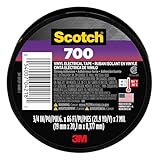
I’ve seen some truly bizarre DIY solutions out there, and one that pops up surprisingly often involves electrical tape and soda bottles. People get creative, right? Especially when they’re trying to fix something on the cheap or jury-rig a temporary solution for a leaky hose, a broken tool handle, or even a makeshift siphon. But it got me thinking, especially after seeing a few questionable attempts online: are electrical taped soda bottles dangerous? It sounds like something out of a ‘what not to do’ manual, but sometimes the line between genius and disaster is thinner than you think. Let’s get real about whether this is a hack or a hazard.
Why People Even Bother with This Mess
Look, I get it. You’ve got a problem, and you’ve got a roll of electrical tape and a half-empty soda bottle sitting right there. Maybe the garden hose sprung a leak just as you were about to water the tomatoes, and you’re miles from the hardware store. Or perhaps a handle on a garden tool snapped clean off, and you need to get some work done now.
Electrical tape, bless its stretchy, sticky heart, is the go-to for so many of us when we need a quick fix. It’s cheap, readily available, and it sticks to pretty much anything. Combine that with the sturdy plastic of a soda bottle – which is surprisingly tough, especially the thicker ones – and you can see the appeal for some truly desperate situations. I once saw a guy use it to temporarily seal a crack in a plastic bird feeder that a squirrel had vandalized.
He wrapped it so tightly the bottle almost looked like part of the feeder. It held for a few days, which was all he needed. It’s that ‘good enough for now’ mentality that drives these kinds of improvisations.
The thinking is usually straightforward: the tape provides a barrier, and the bottle offers structural integrity or a reservoir. For something like a leaky pipe under low pressure, a few wraps of tape might actually stop the drip for a short while.
Or for creating a rudimentary funnel or scooper, cutting a bottle and reinforcing the edge with tape can work. The plastic itself is pretty inert, and electrical tape is designed to insulate, so the immediate thought isn’t necessarily about chemical leaching or structural collapse. It’s more about whether the tape will hold, and whether the bottle will split under any applied stress.
I’ve definitely used electrical tape for things it was never intended for, like holding a loose battery cover on a remote control or reinforcing the frayed edge of a power cord. It’s not always pretty, but sometimes it’s the only thing you have to hand.
The real allure is the sheer accessibility. Think about it: most households have soda bottles, and many have electrical tape tucked away in a junk drawer.
This makes it an ‘on-demand’ repair kit for minor annoyances. The bottle’s rigidity, especially at the base, can provide a solid anchor point or a surface to build upon.
And electrical tape, with its flexibility and strong adhesive, can mold itself around curves and create a seal. It’s the classic ‘duct tape solution’ but with a plastic container thrown in. I remember a time I needed a temporary handle for a bucket that had lost its original. I ended up cutting a section of a 2-liter bottle and then wrapping it with electrical tape to create a grip.
It was awkward, but it stopped the sharp plastic edge from digging into my hand while I carried water. It wasn’t a permanent fix by any stretch, but it served its purpose until I could buy a proper replacement.
What Can Actually Go Wrong? It’s Not Just About Leaks
Okay, so the ‘why’ is clear. Now, let’s talk about why this whole idea can go sideways.
The most obvious issue is pressure. If you’re thinking of using an electrical-taped soda bottle to, say, patch a pressurized hose or a radiator, you’re playing with fire. Those bottles are designed to hold a certain amount of internal pressure, sure, but they’re not engineered for external repairs under constant force.
Electrical tape, while strong, isn’t going to magically reinforce a stressed plastic bottle to the point where it can withstand significant, sustained pressure. I learned this the hard way trying to make a temporary seal on a garden sprinkler head that had a hairline crack. I wrapped it with electrical tape, thinking the rubbery material would hold. Within an hour, the water pressure found its weak spot, the tape peeled away in a gooey mess, and I ended up soaked and back to square one.
It wasn’t dangerous in the ‘explosion’ sense, but it was a complete failure. (See Also: Can I Use Electrical Tape To Connect Wires )
Then there’s the ‘food safety’ angle, which is often overlooked. While soda bottles are made from PET (polyethylene terephthalate) or similar plastics that are generally considered safe for their intended use (holding beverages), electrical tape is a different story. It’s made from PVC (polyvinyl chloride) and various plasticizers, adhesives, and stabilizers.
These aren’t meant to be in prolonged contact with anything you might intend to drink or eat from, especially if that liquid or food is warm or acidic. You might be creating a situation where chemicals can leach into whatever you’re trying to contain or transfer.
I’ve seen people use these contraptions for makeshift water filters or even to siphon fuel, and that’s where the real danger kicks in. You’re introducing non-food-grade materials into the equation, and that’s a big no-no for anything involving consumption.
Structural integrity is another major concern. Electrical tape degrades over time, especially when exposed to sunlight (UV radiation), heat, or moisture. What starts as a strong, tight wrap can become brittle, gummy, or simply lose its adhesion. This means your ‘fix’ could fail unexpectedly.
Imagine using this to reinforce a handle that’s holding something heavy. The tape could slip, the bottle could break, and you could drop the load, potentially causing injury or damage. I’ve had rolls of electrical tape that I’d kept in the garage for years become completely useless – they’d either dried out and cracked or turned into a sticky, unmanageable goo. This unreliability is a key reason why these jury-rigged solutions are so risky for anything beyond the most trivial, temporary applications.
It’s not about whether it works today, but whether it will fail catastrophically tomorrow.
| Application Idea | Potential Risk | My Verdict |
|---|---|---|
| Temporary low-pressure water pipe patch | Tape failure, water damage, mold growth | Risky. Better options exist. |
| Makeshift handle for light tools/buckets | Slipping tape, sudden breakage, dropping item | Use with extreme caution; temporary only. |
| ‘Filter’ for drinking water | Chemical leaching from tape, contamination | Absolutely not. Dangerous for health. |
| Siphoning fuel or other liquids | Chemical contamination, fire hazard (fuel), ingestion | Never. High risk of poisoning or fire. |
| Reinforcing a cracked plastic container (non-food) | Container failure, spilling contents | Feasible for non-important items if pressure is zero. |
Common Mistakes and What to Look For
One of the biggest mistakes I see people make is overestimating the strength and durability of electrical tape, especially in combination with plastic. They think because it’s stretchy and sticks well, it can hold back significant force or pressure.
That’s just not how it works. Electrical tape is primarily for insulation and bundling wires; its strength is in its tensile properties when stretched, not in its adhesive power to counteract bulk forces over time.
When people try to use it on something like a garden hose under pressure, they often don’t wrap it tightly enough or in enough layers, assuming one good wrap will do the trick. I’ve seen folks wrap it around a leaky pipe, and within minutes, the water finds a way to seep under the tape, weakening the adhesive and starting to bulge the tape outward. It’s a visual cue that it’s about to fail.
Another common pitfall is using the wrong kind of bottle or tape. Not all soda bottles are created equal. Thicker, sturdy PET bottles (like those used for carbonated drinks) are generally more solid than thinner ones used for water or juice.
And while most electrical tape is made of PVC, the quality can vary wildly. Cheaper brands might have weaker adhesive or become brittle faster. People also often fail to clean the surface properly before applying the tape. Grease, dirt, or moisture will severely compromise the tape’s ability to stick, leading to premature failure.
I learned this lesson when trying to tape a loose plastic trim piece back onto my car. I thought a quick wrap would do, but it kept peeling off at the edges until I finally took the time to clean the plastic thoroughly with rubbing alcohol. That made all the difference.
The ‘common advice’ often shared online is to just wrap it super tight and hope for the best. This is terrible advice for anything beyond a superficial, non-important repair. What you should be looking for is a solution that addresses the root cause. Is the bottle degrading?
Is the tape losing its stickiness? Is there pressure involved? If the answer is yes to any of those, then this DIY method is likely not the right path. Instead of looking for ways to make the electrical tape stick better, you should be asking if electrical tape is the right tool for the job at all. (See Also: Can Electrica Tape Catch On Fire )
For example, if you need to join two sections of a hose, purpose-built hose clamps and connectors are far superior and safer. If you need to repair a plastic container, plastic welding or epoxy designed for plastics are the way to go.
Relying on electrical tape for anything structural or pressurized is a gamble you’re likely to lose.
Real-World Applications (and When to Avoid Them)
Let’s be honest, there are some very niche, low-stakes scenarios where an electrical-taped soda bottle might actually serve a temporary purpose. For instance, if you need a makeshift scoop for something dry and non-food-related, like potting soil or loose gravel, cutting a soda bottle and reinforcing the cut edge with a single layer of electrical tape to prevent snagging could work.
The tape adds a bit of abrasion resistance and smooths out a potentially sharp edge. I’ve done this for garden tasks, and it’s held up fine for a few hours of digging. Similarly, if you have a small, non-pressurized leak in a garden watering can (not a hose), and you need to keep using it for a day before you can get a new one, a few wraps of electrical tape might slow the drip enough to make it usable.
It’s about managing expectations here: ‘temporary’ and ‘low-stakes’ are the keywords.
However, the line gets blurry very quickly. One area where people try this is with minor repairs on appliances or electronics.
For example, using a cut bottle and tape to create a temporary shield for a loose wire. This is incredibly risky. Electrical tape is meant to insulate wires from each other, but it’s not a structural component. If the tape or bottle piece shifts, you could expose live wires, leading to shocks or short circuits.
I once saw a repair on a fan where someone had taped a piece of a soda bottle over a frayed power cord. It looked like a quick fix, but the heat from the motor could have easily degraded the tape and tape adhesive, creating a fire hazard. That’s the kind of situation where the ‘why not?’ thinking becomes a ‘why did I do that?’
regret.
Another common DIY suggestion involves using these taped bottles for plumbing. This is almost always a bad idea. Even low-pressure water systems can exert significant force. The plastic bottle can become brittle, the tape adhesive can fail when wet, and the whole thing can burst, leading to water damage.
I recall a friend telling me about a desperate attempt to fix a leaky pipe under their sink with this exact method. It held for about an hour before it blew out, flooding their cabinet.
The repair cost him way more in water damage than a proper plumbing patch would have. My rule of thumb: if it involves water pressure, flammable liquids, or anything that could cause injury or significant property damage if it fails, steer clear of electrical-taped soda bottles entirely. There are specific products for these jobs, and they are worth the small investment.
When Convenience Backfires: Practical Tips
Let’s talk practicalities. If you are in an absolute pinch and need a temporary, non-important fix using an electrical-taped soda bottle, here’s what you should keep in mind. First, always clean the surface of the bottle thoroughly.
Any residue from the original beverage or any dirt will compromise the tape’s adhesion. Use soap and water, and make sure it’s completely dry. Second, use the thickest part of the bottle, usually the base or the main cylindrical section, as it offers the most structural rigidity. (See Also: Can I Substitute Duct Tape For Electrical Tape )
Avoid the thinner neck or cap area. Third, when applying the electrical tape, overlap each layer generously. Don’t just wrap it once; build up several layers, making sure each layer is pulled taut. This provides a bit more tensile strength and creates a denser barrier.
Think of it like building up layers of skin for protection.
However, and this is a huge ‘however,’ always ask yourself: ‘Is there a better way?’ For almost every situation where someone might consider using an electrical-taped soda bottle, there’s a more appropriate, safer, and more durable solution available. For a leaky hose, buy a hose repair kit or a proper hose clamp.
For a broken tool handle, look for replacement parts or a suitable adhesive like epoxy. Even for temporary needs, specialized tapes like heavy-duty duct tape (for non-electrical uses) or pipe repair tape are significantly more reliable.
I once tried to jury-rig a temporary seal on a garden trowel handle that had cracked. I considered the tape-and-bottle trick but remembered I had a roll of Gorilla Tape in the car. A few wraps of that did the job perfectly and it’s still holding a year later.
The key is recognizing when a quick hack is just delaying a proper fix and potentially creating a bigger problem.
Also, be mindful of the environment. Electrical tape residue can be sticky and difficult to remove, leaving a gummy mess on surfaces. If you’re using it on something that will be exposed to the elements, like garden tools, the tape will degrade and can leave unsightly marks. Proper repair products are designed to be more resilient and cleaner to remove when the time comes. The temptation to grab what’s at hand is strong, especially when you’re in the middle of a task and frustration is mounting. But those few minutes spent finding the right tool or material can save you hours of cleanup, potential damage, or even injury down the line. It’s about being smart, not just resourceful.
People Also Ask
Can Electrical Tape Be Used on Plastic Bottles?
Yes, electrical tape can adhere to plastic bottles, as it’s designed to stick to a variety of surfaces. However, the bond strength and durability will depend heavily on the type of plastic, the condition of the surface (cleanliness is key), and the environmental factors like temperature and UV exposure. It’s more of a temporary adhesion rather than a permanent or structural fix.
What Is Electrical Tape Made of?
Electrical tape is typically made from a PVC (polyvinyl chloride) backing coated with a rubber-based adhesive. Some formulations may include plasticizers, stabilizers, and other chemicals to enhance its flexibility, adhesion, and resistance to heat, cold, and abrasion. Its primary purpose is electrical insulation.
Is It Safe to Drink From a Bottle Repaired with Electrical Tape?
Absolutely not. Electrical tape contains chemicals and plasticizers that are not food-grade and can leach into liquids. Drinking from a bottle repaired with electrical tape poses a significant health risk due to potential contamination. This method should never be used for food or beverage containers.
How Long Does Electrical Tape Last on a Soda Bottle?
The lifespan of electrical tape on a soda bottle is highly variable and generally short for any application involving stress or exposure. It might hold for a few hours or days for a very minor, non-pressurized use, but factors like sunlight, heat, moisture, and any tension can cause it to degrade, lose adhesion, and fail within a short period.
Conclusion
So, to cut to the chase: are electrical taped soda bottles dangerous? For anything involving pressure, heat, or potential contact with food or drink, the answer is a resounding YES. While the idea of a cheap, readily available fix might seem appealing in a pinch, the risks of chemical leaching, structural failure, and causing more damage than you solve are very real. It’s a hack that often backfires, turning a minor inconvenience into a potentially hazardous situation.
I’ve certainly been tempted by the ‘use what you have’ mentality, but I’ve learned the hard way that some shortcuts aren’t worth the gamble. For a truly safe and effective repair, it’s almost always better to invest a few dollars in the right tool or material designed for the job. Don’t let the allure of a quick fix lead to a bigger problem or, worse, a health risk.
Next time you’re faced with a minor breakage, take a moment to consider if this jury-rigged solution is truly your best bet. Often, a few minutes spent finding a proper fix will save you a lot of headaches, and potential danger, down the road.