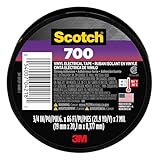
I remember one particularly frantic evening, a tangled mess of extension cords behind the TV started sparking. My first instinct, fueled by a thousand DIY videos and a desperate need for a quick fix, was to reach for the trusty roll of silver duct tape. It’s the stuff of legends, right? Fixes everything from leaky pipes to broken umbrellas. So, naturally, I wondered: can duct tape be used on electrical wires? It feels like it should work, but the reality is a bit more complicated, and frankly, a lot more dangerous if you get it wrong.
I’ve spent years wrestling with wiring projects, from minor household repairs to more involved installations, and I’ve definitely learned a thing or two – often the hard way. My toolbox is a graveyard of overhyped gadgets and products that promised the moon but delivered… well, disappointment. This duct tape question is one that comes up a lot, especially when you’re in a pinch and that bright orange roll is staring you down.
Duct Tape vs. Electrical Tape: What’s the Real Difference?
Let’s cut to the chase: Can duct tape be used on electrical wires? Technically, yes, you can wrap it around them. But should you? Absolutely not, if you want any semblance of safety or a repair that lasts longer than a wet Tuesday. The core issue boils down to material properties. Duct tape, bless its sticky heart, is designed for adhesion, waterproofing, and general structural reinforcement. It’s made of a fabric mesh coated with a strong adhesive and usually a polyethylene layer. It’s tough, it’s flexible, and it sticks to pretty much anything. That’s what makes it so darn useful for so many things. But when it comes to electricity, that’s where its strengths become its fatal flaws.
Electrical tape, on the other hand, is a whole different beast. It’s typically made of vinyl (PVC) or a similar flexible plastic that’s specifically engineered to be an electrical insulator. This isn’t just a random piece of plastic; it has specific dielectric strength ratings, meaning it can withstand a certain voltage without breaking down and allowing current to pass through. It’s also designed to be self-amalgamating to some extent, meaning it can fuse to itself, creating a more smooth and protective layer. Furthermore, electrical tape is designed to be resistant to oil, moisture, and UV light, which are all factors that can degrade standard duct tape over time, especially if it’s exposed to the elements or heat generated by the wires.
My own experience with this came a few years back when I was trying to temporarily patch up a frayed cord on an old, but still functional, lawnmower. I was in a hurry, the store was closed, and duct tape was all I had. I wrapped it around the exposed copper, feeling pretty smug about my resourcefulness. Within about fifteen minutes of mowing, the heat generated by the motor and the vibration caused the adhesive to soften and the tape to peel away, exposing the wires again.
Worse, a small piece of the softened adhesive actually dripped onto a metal part of the mower deck, creating a minor, but alarming, short circuit that made the whole thing shudder. That was my wake-up call. Duct tape simply isn’t built for the heat, potential flex, and precise insulating properties needed for electrical work.
The fabric backing in duct tape is also a significant problem. While it adds strength for general repairs, it can absorb moisture over time, which, as we know, conducts electricity.
This is the opposite of what you want in an electrical repair. The adhesive itself, while strong for holding things together, isn’t designed to maintain its insulating properties under electrical load or prolonged exposure to varying temperatures. So, while it might seem like a quick fix, using duct tape on electrical wires is a gamble with your safety and the integrity of your electrical system. It’s like using a spoon to hammer a nail – it’s the wrong tool for the job, and you’re likely to cause more problems than you solve.
Why Standard Duct Tape Fails Miserably for Wiring
The common advice you’ll hear, often from people who haven’t actually tried it for anything serious, is that duct tape is “strong” and “sticks well,” so it must be good for electrical wires. I call BS on that. It’s a prime example of a product being so versatile for everything else that people assume it’s a universal fix. But electricity isn’t like a leaky garden hose or a broken shelf.
It’s a force that demands respect and the right materials. Duct tape’s primary failure point when it comes to wiring is its insulation capability, or rather, its lack thereof. Standard duct tape isn’t rated for electrical insulation. You can buy special ‘heavy-duty’ or ‘gorilla’ tapes that are incredibly strong, but that strength doesn’t translate to electrical safety.
They are still primarily adhesives and structural tapes, not insulators.
Think about the physics involved. Wires carry current, and if that current escapes its intended path, it can cause shocks, fires, or damage to appliances. Electrical tape is designed with a high dielectric strength, meaning it can resist the flow of electricity. Duct tape, on the other hand, has a very low dielectric strength. Wrap some duct tape around a live wire (don’t do this, obviously, but imagine the principle), and the electricity can easily find a path through the tape’s adhesive, the fabric mesh, or even just seep through microscopic imperfections. It’s a temporary barrier at best, and a dangerous one at worst.
I remember a friend of mine, bless his optimistic heart, who tried to fix a frayed cord on his Christmas lights with duct tape one year. He figured it would be fine because they weren’t high-voltage lights. Well, a few days into the festive season, one of the lights started to smoke.
The duct tape had melted, and the adhesive had conducted enough heat to ignite the plastic casing of the wire. Luckily, it was a small fire and he caught it quickly, but it was a stark reminder that even low-voltage applications can become hazardous with the wrong materials. The heat generated by the electrical current, even a small amount, can break down the adhesive in duct tape, causing it to fail spectacularly.
This is something you just don’t see with proper electrical tape, which is designed to handle these thermal stresses.
Another important factor is the adhesive itself. Duct tape adhesive is designed to stick to a wide variety of surfaces, but it’s not designed to maintain its insulating properties or its integrity when exposed to the heat generated by electrical current. It can soften, become sticky, and lose its ability to form a protective barrier. This is why you often see it peeling or looking gooey after a while, especially in warmer environments or near heat sources. (See Also: Can I Use Electrical Tape To Connect Wires )
Electrical tape adhesives are formulated differently, often with rubber-based compounds that maintain their grip and insulating properties across a wider temperature range. The fabric backing of duct tape is also a problem. It can absorb moisture, and moisture is a conductor. So, instead of protecting the wire, the duct tape can actually create a wick for water or humidity to reach the exposed conductor.
This is a failure mode that electrical tape, with its smooth plastic surface, largely avoids.
What You should Be Using Instead (and Why It Matters)
So, if duct tape is a no-go, what’s the right tool for the job? It’s called electrical tape, and despite its less glamorous appearance compared to the silver roll of infinite possibilities, it’s indispensable.
I’ve probably bought more rolls of electrical tape than I can count over the years, and honestly, it’s one of those things you don’t appreciate until you really need it. The common advice here is actually good advice, for once: use electrical tape. It’s designed for this exact purpose, and the difference in performance and safety is night and day. You can find it in almost any hardware store, and it’s relatively inexpensive.
I usually grab a few rolls at a time because, inevitably, I’ll misplace one or use it up faster than I expected.
When you’re buying electrical tape, don’t be tempted by the cheapest, off-brand stuff if you can avoid it. I made that mistake once, buying a pack of brightly colored tapes that looked fun.
They were thin, didn’t stretch well, and the adhesive was weak. They felt flimsy and untrustworthy from the get-go. I ended up having to re-do the job with a proper roll of 3M Super 33+ tape, which is my go-to.
It’s pliable, stretches nicely to conform to wires, and the adhesive is strong and reliable. It’s worth spending a few extra bucks for quality here.
A good roll of electrical tape will have a clear rating on the packaging, indicating its voltage rating and temperature range. This is information you just won’t find on a roll of duct tape, because it’s irrelevant to its intended purpose.
Let’s talk about the ‘how-to’ for a second, because even with the right tape, technique matters. You want to start wrapping the tape a little before the damaged area and extend it a little beyond it, overlapping each layer by at least half the width of the tape.
This creates a smooth, continuous barrier. You should also stretch the tape as you wrap it. This helps activate the adhesive and makes the tape conform tightly to the wire, creating a more durable and protective layer. It’s not just slapping tape on; it’s a deliberate process.
I once watched an old electrician wrap a wire, and he was so precise, stretching and overlapping each turn like he was performing surgery. He told me, ‘It’s not just about keeping the electricity in, kid. It’s about keeping everything else out – dirt, moisture, and accidental touches.’ That stuck with me.
Here’s a quick comparison table I put together based on my own experiences and what I look for:
| Feature | Duct Tape | Electrical Tape | Verdict |
|---|---|---|---|
| Insulation Capability | Poor/None | Excellent (rated) | Electrical tape wins, hands down. |
| Adhesive Durability | Can degrade with heat/age | Designed for electrical use, better temp/voltage resistance | Electrical tape is far more reliable. |
| Moisture Resistance | Fabric backing can absorb | Smooth plastic repels | Electrical tape offers better protection. |
| Flexibility/Conformity | Decent, but can be bulky | Excellent, stretches to conform | Electrical tape creates a smoother, safer finish. |
| Durability (long term) | Poor for electrical applications | Good to excellent, depending on quality and application | Stick with electrical tape for longevity. |
The takeaway is simple: for any electrical wiring repair, permanent or temporary, you need tape designed for the job. It’s not a marketing gimmick; it’s a safety requirement. Using duct tape is like wearing flip-flops to go rock climbing – you might get away with it once, but the odds are stacked against you.
When a Temporary Fix Might Seem Tempting (but Still Isn’t Worth It)
I get it. Sometimes you’re miles from anywhere, or it’s 10 PM on a Sunday, and the only thing you have is duct tape. You’ve got a frayed cord on your camping lantern, a broken wire on your portable fridge, or a similar low-stakes situation. The temptation to just wrap it up with that ever-reliable silver stuff is immense. I’ve been there. I’ve stared at that frayed cord, felt the danger, and then looked at the duct tape and thought, ‘Just this once, for a few hours…’ (See Also: Can Electrica Tape Catch On Fire )
One time, I was on a camping trip, and the wire leading to the battery of our camp shower pump frayed badly. We needed that pump to have water. I used duct tape, a generous amount, to cover the exposed wires. It worked.
For about two hours. Then, as the pump vibrated and the day heated up, the tape started to loosen. The adhesive became gummy, and I could see the wires peeking through. We were lucky it didn’t short out the battery or cause a bigger issue.
The solution? We had to rig up a different way to get water, foregoing the pump for the rest of the trip. That was a lesson in respecting the limitations of materials, even the mighty duct tape.
The argument that ‘it’s only a temporary fix’ often falls apart when you consider what ‘temporary’ means in the context of electricity. A temporary fix can quickly become a permanent problem if it fails unexpectedly. Fires don’t start because of permanent issues; they start from failures, often small ones that escalate. Electrical fires are incredibly dangerous and can spread with alarming speed. The heat generated by a short circuit or arcing caused by inadequate insulation is more than enough to ignite surrounding materials, and duct tape offers minimal resistance to this heat.
Furthermore, even if it doesn’t cause an immediate fire or shock, a failed duct tape repair can lead to intermittent power issues, appliance damage, or a complete failure of the device. You might spend more time and money fixing the secondary problems caused by the failed duct tape than you would have spent buying the correct electrical tape in the first place. Think about the cost of a new appliance, or worse, the cost of repairing fire damage to your home. A $5 roll of electrical tape suddenly seems like the bargain of the century.
The real danger isn’t just about direct contact with electricity; it’s about the potential for overheating, arcing, and ignition. Duct tape just doesn’t have the specifications to handle these risks, no matter how temporary you intend the fix to be.
Real-World Scenarios and My Own Screw-Ups
Let’s talk practical application. When might someone even consider duct tape for wires, and what usually happens? Beyond the camping shower incident, I’ve seen people use it to secure loose wires on old appliances, to tape over minor nicks in extension cords that are only used outdoors for a few hours, or even on speaker wire in a pinch. In most of these scenarios, the outcome is the same: the tape eventually fails.
It might last a day, a week, or maybe even a month if the conditions are perfect – cool, dry, no vibration, no flexing. But eventually, the adhesive breaks down, the fabric gets brittle, or moisture gets in, and you’re back to square one, potentially with a bigger problem.
I’ve also seen people try to use it as a quick patch on the casing of a power tool that’s gotten a little dinged up, thinking they’re just reinforcing the plastic. But often, these dings can compromise the internal wiring. Covering it with duct tape might make it look ‘fixed,’ but it doesn’t address the underlying risk.
I once tried to tape up a cracked casing on an old drill. I was more worried about dust getting inside than the wires, but a few weeks later, while drilling into concrete, the drill started to stutter and smoke.
Turns out the casing crack had been right next to a bundle of wires, and the vibration had loosened the duct tape enough for dust and debris to get in, causing a short. The drill was toast, and I ended up buying a new one for about $180, all because I tried to save a few bucks and a few minutes with duct tape.
My contrarian opinion? Some people will tell you that for very low-voltage, very temporary situations, duct tape is ‘fine.’
They’ll point to old-school repairs or scenarios where the risk seems minimal. I disagree. The problem with ‘minimal risk’ is that it’s unpredictable.
Electricity doesn’t care if you think the risk is minimal; it behaves according to physics. The potential consequences – fire, shock, damage – are too severe to rely on a material that isn’t designed for the task. It’s like saying you can use a fork to jump-start a car.
It might technically allow a connection, but it’s a terrible idea with a high chance of spectacular failure. The common advice is to use electrical tape, and for once, that advice is spot-on. It’s not just corporate speak; it’s about basic safety and making sure your repairs actually last and don’t become hazards. (See Also: Can I Substitute Duct Tape For Electrical Tape )
The key is to understand the intended purpose of each product. Duct tape is a marvel of adhesive technology for general repairs. Electrical tape is a specialized tool for electrical insulation and protection. They are not interchangeable, despite the tempting similarities in their function as ‘sticky stuff.’ When you’re dealing with anything that carries current, the stakes are simply too high to compromise on materials. My motto has become: ‘If in doubt, use the right tool.’ And for electrical wires, that tool is always electrical tape.
Can Duct Tape Insulate Electrical Wires?
No, standard duct tape cannot effectively insulate electrical wires. While it can physically cover exposed wires, it lacks the necessary dielectric strength to prevent electrical current from passing through. Its adhesive and fabric backing are not designed for electrical insulation and can degrade with heat and age, posing a significant safety risk.
Is It Safe to Use Duct Tape for Temporary Electrical Repairs?
It is not safe to use duct tape for any electrical repair, temporary or otherwise. Even for low-voltage applications or short durations, the risk of shock, fire, or appliance damage is high. Duct tape can overheat, degrade, and fail, leading to dangerous situations that proper electrical tape is designed to prevent.
What Type of Tape Should I Use on Electrical Wires?
You should always use tape specifically designed for electrical applications, commonly known as electrical tape. This tape is made from materials like PVC or vinyl, which have excellent insulating properties and are rated to withstand specific voltages and temperatures. Brands like 3M offer reliable options.
Will Duct Tape Catch Fire on Electrical Wires?
Yes, there is a risk that duct tape could catch fire when used on electrical wires, especially if the wires are carrying significant current or are frayed. The adhesive can overheat and melt, and the fabric backing can become a fuel source. Electrical fires can be started by inadequate insulation and arcing, which duct tape cannot prevent.
The Long-Term Consequences of Using the Wrong Tape
We’ve established that duct tape isn’t the right material for electrical wires, but let’s hammer home why this really, truly matters beyond the immediate fix. The long-term consequences of using duct tape on electrical wiring can range from minor annoyances to catastrophic failures. First off, the adhesive on duct tape isn’t formulated for long-term exposure to heat generated by electrical current. Over time, this heat will break down the adhesive, causing it to lose its stickiness. The tape will start to peel, curl, or even ooze, exposing the wires it was supposed to protect. This is a ticking time bomb for a shock hazard or a short circuit.
Then there’s the issue of moisture. Duct tape’s fabric backing can absorb moisture from the air. Water is a conductor, and if that moisture seeps through the tape and reaches the exposed copper wire, you’ve effectively created a path for electricity to travel where it shouldn’t. This is particularly problematic for outdoor wiring or in damp environments like garages or basements. Electrical tape, with its smooth, non-porous plastic surface, is designed to repel moisture, offering a much more solid barrier against the elements.
I learned this the hard way with an outdoor lighting setup. I had a few minor frays on some low-voltage landscape lights, and I thought duct tape would be an easy fix to keep the rain out. Within a single rainy season, the tape had degraded, looked like a soggy mess, and the connections were failing. I had to replace not only the tape but also some of the connectors that had corroded due to water ingress. It cost me more time and money than if I’d just bought the proper waterproof connectors and electrical tape from the start. That $20 repair turned into a $70 repair plus a whole afternoon of fiddling.
The integrity of the electrical system itself is also at stake. Using an improper insulator like duct tape can lead to intermittent connections, voltage drops, and increased resistance at the repair site. This can cause appliances to malfunction, motors to run hotter, and lights to flicker. In more severe cases, it can damage sensitive electronic components.
Furthermore, if an electrical fire does start due to a failed duct tape repair, the fire can spread rapidly. Many home fires are caused by faulty wiring, and using inappropriate materials like duct tape significantly increases that risk.
The National Fire Protection Association (NFPA) consistently highlights electrical failures as a leading cause of home fires, and proper insulation is a key preventative measure they emphasize.
The sheer unpredictteness of duct tape’s failure is what makes it so dangerous. It might hold for a while, giving you a false sense of security, only to fail at the most inconvenient or dangerous moment. When you’re dealing with electricity, you want predictable, reliable performance. That’s what electrical tape provides. It’s designed to perform under the stresses of electrical current, temperature fluctuations, and environmental exposure. It’s not a ‘hack’ or a ‘workaround’; it’s the correct tool, and using anything else is just asking for trouble down the line.
Final Verdict
So, to answer the burning question: can duct tape be used on electrical wires? The short, blunt answer is no. While it might seem like a quick and dirty solution in a pinch, the risks far outweigh any perceived benefits. Duct tape simply isn’t designed to be an electrical insulator, and relying on it can lead to shocks, fires, and damage to your devices. I learned this the hard way, and I’ve seen enough close calls to know it’s not a gamble worth taking.
My advice? Keep a roll of proper electrical tape in your toolbox. It’s cheap, readily available, and it’s the only thing you should be using to insulate electrical wires. Think of it as the difference between using a Bandaid on a deep cut versus proper medical tape and gauze. One might cover it, but only the other will actually protect and heal.
If you’re ever in doubt about a wiring issue, don’t guess or improvise. Always err on the side of caution and use materials specifically designed for electrical work. For the sake of your safety, your home, and your sanity, keep the duct tape for its intended purposes and reach for the electrical tape when wires are involved. It’s a small change that makes a massive difference in safety and reliability.