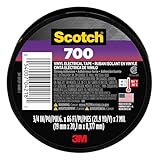
Look, we’ve all been there. You’re in the middle of a DIY project, maybe wiring up a new light fixture or fixing a loose connection, and you’ve run out of wire nuts. Panic starts to set in. Your mind races: what can I use in a pinch? This is where the question pops up: can electrical tape be used instead of wire nuts? I’ve definitely stared down that roll of black tape, contemplating a shortcut. But let me tell you, the answer isn’t a simple yes or no. It’s complicated, and frankly, often a bad idea.
I’ve been elbow-deep in wiring for years, and I’ve seen plenty of home-brewed solutions that looked… well, questionable. Electrical tape is great for its intended purpose, but it’s not designed to be a permanent connector. Let’s get real about this.
Why That Roll of Black Tape Isn’t Your Wire Nut Savior
Alright, let’s cut to the chase. Electrical tape is fantastic for what it’s designed for: insulating exposed wires AFTER they’ve been properly joined. Think of it as a protective bandage, not the actual stitch holding things together. When you’re connecting two wires, you need a secure mechanical and electrical bond. That’s where wire nuts, those little plastic cone-shaped marvels, come in. They twist onto the wires, creating a tight, secure connection that prevents them from pulling apart and keeps them insulated.
Electrical tape, on the other hand, relies on its adhesive to stick. While it’s designed to be stretchy and insulating, it’s not built to handle the constant tension or the possibility of vibrations that can loosen a wire connection. Over time, the adhesive can dry out, the tape can stretch and slip, and that supposedly “secure” connection can become a loose, dangerous mess. I remember a time I was helping a buddy troubleshoot some flickering lights in his garage.
We traced it back to a junction box where someone, in a moment of desperation, had just twisted wires together and wrapped them haphazardly with electrical tape. The tape had dried, cracked, and one of the wires had completely pulled out. Sparks were flying – literally.
It was a stark reminder that while tape insulates, it doesn’t connect in a way that’s safe for the long haul.
So, when someone asks ‘can electrical tape be used instead of wire nuts’, the immediate, gut reaction for anyone who’s seen the aftermath of a bad connection is a resounding ‘no’. It’s like asking if you can use duct tape to fix a broken bone. Sure, it might hold it in place for a minute, but it’s not the right tool for the job, and the consequences can be severe. We’re talking about potential fire hazards and electrical shocks here. This isn’t a place to get creative or cut corners. Safety has to be the absolute priority, and electrical tape just doesn’t provide the reliable, long-term mechanical connection that wire nuts do.
The Science (or Lack Thereof) Behind Using Tape as a Connector
Let’s get a bit technical for a second, but keep it simple. Wire nuts work by creating a cage-like grip on the ends of wires. When you twist a wire nut onto stripped wires, the internal spring or threads within the nut bite into the copper, holding them tightly together. This mechanical connection is key. It makes sure that the electrical current flows smoothly from one wire to the other without interruption or significant resistance. Think of it like a handshake – firm and secure. Plus, the plastic shell of the wire nut provides a layer of insulation, protecting you and others from accidental contact with live wires.
Electrical tape, however, is basically a plastic film coated with a pressure-sensitive adhesive. When you wrap it around wires, you’re relying solely on the stickiness of that adhesive to keep the wires pressed together. This adhesive isn’t designed to create a permanent, high-pressure bond. It’s meant to hold insulation in place. Over time, heat generated by electrical current can soften the adhesive, and the natural springiness of the wires might try to pull apart. This can lead to increased resistance at the connection point. Higher resistance means more heat, which can further degrade the tape and adhesive, creating a vicious cycle. Eventually, the connection can loosen, causing intermittent power, arcing, or a complete failure. (See Also: Can I Use Electrical Tape To Connect Wires )
I’ve seen DIYers try to compensate by wrapping the tape super tightly or using multiple layers. While this might seem like a good idea, it’s still just tape. It doesn’t magically transform into a secure mechanical connector. In fact, wrapping tape too tightly can sometimes damage the wire strands or create pressure points that weaken the wire over time. It’s a fundamentally different mechanism of joining wires, and tape’s mechanism is simply insufficient for this application. This is why electrical codes and best practices strictly dictate the use of proper connectors like wire nuts for joining electrical conductors. They are specifically designed, tested, and approved for this purpose, unlike any household tape.
When ‘a Little Bit’ of Tape Might Be Okay (and When It’s Not)
Okay, I need to be clear here: for joining wires together, tape is a NO-GO. Period. But electrical tape does have its place in the electrical world, and it’s important to understand that distinction. Its primary job is to provide secondary insulation or to secure connections that are already made by proper connectors. For instance, if you’ve used a wire nut and you want an extra layer of protection, or if you need to tidy up a bundle of wires after they’ve been connected, wrapping electrical tape around the outside of the wire nut and the insulated wires leading into it can be a good practice. It adds a bit more protection against moisture or accidental abrasion.
I’ve also seen situations where a wire nut itself has a small crack or imperfection, and a careful wrap of electrical tape over the wire nut can temporarily reinforce it. But this is a temporary fix, a patch job. The wire nut is still the primary connector, and it should really be replaced as soon as possible. The danger comes when people try to use the tape as the connector, instead of a supplement or a temporary band-aid for a proper connector.
Here’s a prime example of the confusion: someone might have a very loose connection that’s sparking, and they grab electrical tape. They wrap it around the exposed wires, hoping to hold them tight.
This is where the danger is. You’re not creating a secure electrical path, and you’re not creating a safe mechanical bond. The tape might insulate the spark for a few seconds, giving a false sense of security, but the underlying problem of a loose connection remains.
My own experience taught me this; I once used electrical tape to hold a slightly loose wire in a lamp socket. It seemed fine for a week, then I noticed a burning smell. The tape had melted, and the wire was exposed again. Thankfully, I caught it before it caused a fire, but it was a wake-up call.
The rule of thumb should always be: if the connection isn’t mechanically sound and electrically stable on its own, tape isn’t the answer. It’s like putting a fancy sticker on a leaky pipe – it might look better for a bit, but the leak is still there.
Common Mistakes and Why They Lead to Trouble
The biggest mistake, hands down, is thinking that electrical tape can replace a wire nut’s function as a connector. People see it as an insulator, and they wrongly assume that if it insulates, it must be able to hold wires together. They might be in a situation where they don’t have wire nuts handy, or they might be trying to save a few bucks. Whatever the reason, it’s a dangerous assumption. This leads to loose connections, arcing, and the potential for electrical fires. I’ve heard stories of people using electrical tape to splice wires in extension cords or in appliance repairs, and the results are almost always bad news down the line. (See Also: Can Electrica Tape Catch On Fire )
Another common mistake is not preparing the wires properly before applying any kind of connector, tape or otherwise. Wires need to be stripped to the correct length, with no nicked strands. If you’re trying to tape wires together, you’re already starting from a point of compromise. If the wires aren’t making good contact to begin with, tape won’t magically fix that. It’s like trying to glue two broken pieces of wood together without cleaning the surfaces first – the bond won’t be strong.
Here’s a little table that sums up some of the key differences and common pitfalls:
| Feature | Wire Nut | Electrical Tape (as a connector) | My Verdict |
|---|---|---|---|
| Primary Function | Mechanical & Electrical Connection, Insulation | Insulation only (when used properly) | Wire nuts are the only safe option for joining. |
| Connection Method | Twisting/Gripping action | Adhesive bond | Adhesive is temporary and unreliable for connections. |
| Durability | Long-lasting, secure | Degrades, loses adhesion, can loosen | Tape fails over time under electrical stress. |
| Safety Rating | UL Listed, meets electrical codes | Not rated for wire joining | Using tape for joining is a code violation and unsafe. |
| Common Mistake | Using the wrong size, not twisting tight enough | Using it instead of a wire nut | The biggest mistake is treating tape as a substitute connector. |
The reality is, electrical work isn’t the place for guesswork. When you’re dealing with electricity, every connection needs to be sound, secure, and safe. Cutting corners with tape is a recipe for disaster. I’ve seen it happen, and the repair bills and safety risks are never worth the few minutes saved or the cost of a proper wire nut.
The Right Way: What to Do Instead of Using Tape
So, you’ve run out of wire nuts, or maybe you’re facing a situation where you’re tempted to use electrical tape as a connector. What’s the proper course of action? First and foremost, STOP. Take a breath. Don’t improvise with the wrong materials. The safest and most correct approach is to get the right tools for the job. If you’re in the middle of a project and realize you’re short on wire nuts, the best thing to do is put everything on hold. Go to the nearest hardware store or home improvement center and buy the correct size and type of wire nuts for the wires you’re joining. They are incredibly inexpensive, usually costing mere pennies each.
When you’re at the store, pay attention to the packaging. Wire nuts are color-coded and specify the gauge and number of wires they are designed to connect. Using the wrong size can lead to a connection that’s too loose or too tight, both of which are problematic. A connection that’s too loose won’t have good electrical contact and can overheat. A connection that’s too tight can damage the wires or the wire nut itself.
If, and I mean if, you find yourself in an absolute emergency where you need to make a temporary, low-power connection safe for a very short period, and only if it’s absolutely unavoidable, you might use electrical tape to secure a connection made by another proper method. For example, if a wire nut connection is slightly loose and you can’t immediately replace it, you could wrap electrical tape around the outside of the wire nut and the connected wires to provide extra stability. However, this should be treated as a temporary measure, and the wire nut should be replaced with a properly sized one as soon as possible. This is a far cry from using the tape as the connector itself.
My rule is: never use tape to join wires. Use it to wrap around a proper connection if absolutely necessary for temporary reinforcement.
I once had to do a temporary fix on a garden shed wiring after a storm. A branch had torn some wires loose. I had wire nuts, but I also had some seriously damp conditions and it was getting dark. I made sure the connections were solid with the right wire nuts, then I wrapped them extra well with electrical tape to keep moisture out. It held perfectly until I could properly re-route and secure the wiring the next day. That’s the intended use – reinforcing a good connection, not creating one. (See Also: Can I Substitute Duct Tape For Electrical Tape )
People Also Ask: Your Questions Answered
Can Electrical Tape Hold Wires Together?
Electrically speaking, no. While electrical tape can hold wires in proximity due to its adhesive, it does not create a secure mechanical or electrical connection. The adhesive is not designed for the constant stress and heat generated by electrical currents. For a safe and reliable connection, you need a proper connector like a wire nut.
Is Electrical Tape Safe for Electrical Connections?
No, electrical tape is not safe to use as the primary method for making electrical connections. Its purpose is to provide insulation for wires after they have been properly joined by a connector. Using it as a connector is a fire hazard and can lead to shocks.
What Can I Use If I Don’t Have Wire Nuts?
If you don’t have wire nuts, the safest and most recommended action is to stop the project and go buy the correct wire nuts. There are other approved electrical connectors, like lever nuts or crimp connectors, but electrical tape is never an approved alternative for joining wires.
How Long Does Electrical Tape Last on Wires?
Electrical tape is designed to be a durable insulator, but its adhesive can degrade over time, especially when exposed to heat, UV light, or environmental factors. While it might last for years in some applications as an insulator, its ability to maintain a secure connection diminishes significantly over time, making it unsuitable for joining wires long-term.
Can I Use Electrical Tape to Insulate a Wire Nut?
Yes, you can use electrical tape to provide an extra layer of insulation or to secure a wire nut connection, especially in damp environments or if the wire nut is slightly damaged. However, this is a secondary measure. The wire nut itself must be the primary, secure connection. Make sure the wire nut is properly sized and has made a good mechanical and electrical connection before applying tape.
Conclusion
So, to put it bluntly: no, you absolutely should not use electrical tape as a substitute for wire nuts. It’s a recipe for disaster, plain and simple. I’ve seen too many shortcuts end in sparks or worse. Wire nuts are cheap, effective, and designed for the job. Don’t play Russian roulette with your wiring.
If you find yourself in a bind, the only real answer is to go get the right supplies. Electrical tape has its place, but it’s for insulating after a proper connection is made, not for making the connection itself. Stick to what works and what’s safe when dealing with electricity. Seriously, just buy the wire nuts.