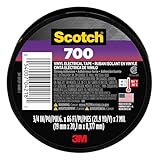
I remember the first time I tried to fix a leaky garden hose. Grabbed the roll of electrical tape, figured it was the universal fix-all for anything rubber or plastic that sputtered. Turns out, some jobs are a bit more nuanced than a quick wrap. It got me thinking about all the weird corners of DIY where people might wonder if electrical tape is the answer. Like, can electrical tape be under the cone of a speaker, or in some other sensitive spot? The internet is full of “hacks,” but not all hacks are created equal, and some can cost you dearly.
I’ve spent more hours than I care to admit wrestling with dodgy repairs, using the wrong tape for the job, and ending up with a bigger mess than I started with. This isn’t about theory; it’s about what actually works, what doesn’t, and what you should probably avoid.
So, let’s cut through the noise and talk turkey about where electrical tape truly belongs, and where it absolutely doesn’t.
Electrical Tape vs. The World: What It’s Actually For
Look, electrical tape. It’s black, it stretches, it sticks. Seems simple, right?
Well, yes and no. Its primary gig, the one it’s designed and built for, is insulating electrical wires. Think about it: wires carry current.
If they touch each other, or something they shouldn’t, sparks fly, things short out, and sometimes, things catch fire. Electrical tape has a specific dielectric strength – basically, how much voltage it can withstand before it breaks down and lets electricity through. Most good quality electrical tapes, the ones made by reputable brands, can handle up to 600 volts.
That’s plenty for most household wiring, car electronics, and general low-voltage stuff. It’s also pretty good at resisting moisture and abrasion, which is handy when you’re tucking wires away in tight, potentially rough spots.
But here’s where the confusion starts: people see “tape” and “insulation” and their brain goes, “Okay, it insulates, therefore it can fix anything that needs insulating or sealing.” And that’s where you get into trouble. The adhesive on electrical tape is designed to stick to itself and to clean, dry surfaces, but it’s not necessarily meant to be a permanent, weather-proof, or high-pressure seal.
It can degrade over time, especially when exposed to UV rays, extreme temperatures, or certain chemicals. I learned this the hard way trying to seal a leaky kayak hatch. Wrapped it up real tight, felt good about it.
Two weeks later, after a hot day at the lake, the tape had peeled, and the hatch was still leaking, only now with a sticky residue mess to clean up.
The stretchiness is also a double-edged sword. It allows you to wrap it tightly around irregular shapes, conforming to contours. But if you stretch it too much while applying it, it can start to lose its insulating properties and its adhesive can become less effective. It might feel like you’re getting a super-tight bond, but you could be compromising its integrity. So, while it’s a champ in its lane, don’t assume it’s the golden ticket for every single sticky situation you encounter. Understanding its core purpose is step one.
The ‘cone’ Conundrum: When Tape Meets Audio
Alright, let’s talk about that specific question: can electrical tape be under the cone? This usually pops up when someone’s dealing with speaker repair, especially older speakers where the paper cones can get damaged. If you’ve got a small tear or a rip in a speaker cone, the instinct might be to grab some tape to patch it up. And, yes, you can physically stick electrical tape onto a speaker cone. It’ll cover the hole, and it’ll probably stop the air from escaping right there. But is it a good idea? In my experience, and from seeing the results of others’ attempts, it’s generally a bad idea if you care about sound quality. (See Also: Can I Use Electrical Tape To Connect Wires )
The problem is that speaker cones are delicate, precisely engineered components. They vibrate thousands of times a minute to produce sound. Anything you add to the cone, especially something relatively heavy and inflexible like a strip of electrical tape, will alter its mass and its damping characteristics. This means the cone won’t vibrate as it was designed to.
You’ll likely get a duller sound, some distortion, maybe a loss of high frequencies. It’s like putting a small, dead weight on a trampoline – it’s not going to bounce the same way.
I once tried it on a cheap bookshelf speaker I was just fiddling with. Covered a tiny tear, and while it stopped the rattling, the clarity of the music vanished.
It sounded… muffled. Like listening through a pillow.
The speaker went from ‘okay’ to ‘barely usable’ in my book.
The adhesive on electrical tape, while not super aggressive, can also be a pain to remove if you later decide to try a more proper repair. It leaves residue, and that residue can be tough to clean off the delicate cone material without causing further damage. For speaker cones, you really want specialized cone repair kits that use lightweight glues and patches designed to minimally impact the cone’s movement and acoustic properties. So, to answer directly: can you? Yes. Should you if you want good sound? Absolutely not.
When ‘good Enough’ Isn’t: Common Tape Fails
We’ve all been there. You’re in a pinch, you need to fix something now, and the nearest thing is that roll of electrical tape. You slap it on, and for a while, it seems to do the trick. This is where the “good enough for now” mentality can lead you down a rabbit hole of repeated fixes that ultimately fail.
I’ve had projects where I used electrical tape on outdoor electrical connections, thinking the black color would blend in and the weather resistance would be enough. Big mistake. After a few months, especially through a hot summer or a wet winter, the tape would get brittle, the adhesive would loosen, and those connections would be exposed to the elements.
It’s not just about the immediate fix; it’s about the long-term integrity.
Another common pitfall is using electrical tape for high-temperature applications. While it has some heat resistance, it’s not designed for engine bays or near hot exhaust pipes. The heat will cause it to soften, melt, and lose its adhesion, potentially creating a worse problem than you started with. I had a friend who tried to temporarily secure a loose exhaust heat shield with electrical tape. The result was a melted, gummy mess that stuck to everything and didn’t hold the shield for more than an hour. It ended up costing him more to clean the mess than the repair would have originally.
Then there’s the expectation of waterproofing. Electrical tape can offer some water resistance when applied correctly, meaning it can keep some moisture out for a time. But it’s not a substitute for proper waterproof sealing tape or grommets. If you’re sealing a junction box exposed to rain, or a boat repair, electrical tape will likely fail. The seams will eventually let water in. I learned this with a leaky birdhouse I tried to “waterproof” with electrical tape after a storm. The birds were fine, but the wood underneath started to rot much faster than I expected because the tape held the moisture in against the wood. (See Also: Can Electrica Tape Catch On Fire )
Common Electrical Tape Mistakes
- Using it for high-temperature applications.
- Expecting it to be a permanent waterproof seal.
- Applying it too thinly or not overlapping enough for insulation.
- Using it on surfaces that are dirty, oily, or wet.
- Stretching it too much during application, weakening its properties.
Real-World Applications: Where Electrical Tape Shines
Okay, so we’ve established where electrical tape isn’t ideal. But it’s not a useless product; it just has its niche. When it comes to its intended purpose – insulating electrical wires – it’s pretty darn good. For tidying up bundles of wires in your computer setup, behind your TV, or in a car dashboard, it’s fantastic. It adds a layer of protection, keeps conductors from touching, and makes the whole bundle look cleaner. The pliability means you can wrap it around connectors and splices neatly, creating a secure, insulated joint.
I’ve also found it incredibly useful for temporary fixes on non-important items. For instance, a torn handle grip on a garden tool that you’re not going to replace immediately. A few wraps of electrical tape can give you a decent, if not perfectly comfortable, grip until you can get a new one. Or, if a button on a remote control is loose and you want to keep it from falling off, a small piece of electrical tape strategically placed can hold it in place.
It’s also handy for marking things. You can use different colored electrical tapes to label wires, pipes, or even different sections of a complex setup. It’s cheap, readily available, and does the job for these minor, non-stressful applications.
Another area where it’s surprisingly useful is for creating non-slip surfaces on handles. Think about the handle of a wrench that’s a bit too smooth, or the shaft of a broom. Wrapping a few layers of electrical tape can provide a surprisingly effective grip. It’s not as durable as specialized grip tape, but it works in a pinch and it’s readily available. It’s also great for bundling things that aren’t electrical. For example, keeping that loose cable tied together when you’re packing it away, or securing a rolled-up poster for transport. It’s the kind of thing that makes life just a little bit easier in small ways.
The Difference Between Tapes: It’s Not All Black and White
This is where things get really confusing for people: the sheer variety of tapes out there. When you just say “tape,” you could be talking about anything from masking tape to duct tape to that fancy UV-resistant tape. Electrical tape itself comes in different grades and materials. You’ve got your standard vinyl, which is what most people picture. Then there’s vulcanized rubber tape, which is more expensive but offers better insulation and a more permanent, self-fusing seal when stretched properly. Cloth-backed tapes, often called friction tape, are also used in electrical applications but are more for mechanical protection and grip than pure insulation.
Comparing electrical tape to other common tapes really highlights its limitations. Duct tape, for instance, is incredibly strong and versatile for general repairs, but it leaves a sticky residue, it’s not a good insulator, and it can degrade in sunlight. Packing tape is for sealing boxes.
Masking tape is for painting. Gorilla tape is strong but overkill and leaves residue. When you need to insulate electrical wires, none of these other tapes are suitable. The specific properties of electrical tape – its dielectric strength, its elasticity, its resistance to chemicals and UV (to a degree) – are what make it the right choice for its intended job.
It’s like using a hammer for nails versus trying to use a screwdriver. Both are tools, but for different tasks.
My go-to for anything that needs real weather-proofing and adhesion is often a good quality silicone tape or a heavy-duty butyl tape. These are pricier, sure, but they don’t degrade in the sun, they form a tenacious, waterproof bond, and they actually last. For speaker cone repair, I’ve found thin, flexible fabric patches with specific speaker repair adhesive to be far superior. They add minimal weight and integrate much better with the cone’s natural flex. It’s about matching the tool – in this case, the tape – to the specific demands of the job.
| Tape Type | Primary Use | Pros | Cons | Verdict |
|---|---|---|---|---|
| Standard Vinyl Electrical Tape | Insulating electrical wires | Good dielectric strength, flexible, readily available | Degrades in UV/heat, not fully waterproof, can leave residue | Excellent for its intended electrical purpose; avoid for other sealing/repair jobs. |
| Duct Tape | General repairs, bundling | Strong adhesion, versatile, cheap | Leaves residue, not an insulator, poor UV/heat resistance | Good for quick, temporary fixes where adhesion is key, but not for electrical or long-term weather sealing. |
| Silicone Tape | Waterproofing, high-temp sealing, cable bundling | Self-fusing, excellent waterproofing, high-temp resistant, no residue | More expensive, can be tricky to apply neatly | Top-tier for demanding sealing and insulation tasks where electrical tape would fail. |
| Speaker Cone Repair Kit (Adhesive & Patch) | Repairing tears in speaker cones | Lightweight, designed for acoustic properties, durable | Specific product, requires careful application | The ONLY way to properly repair speaker cones. |
Practical Tips for Using Electrical Tape Wisely
So, you’ve got a roll of electrical tape and you need to use it for its intended purpose. Here are a few pointers that have saved me headaches over the years. First, clean your surface. Whether it’s wires or something else, make sure it’s free of dust, oil, or moisture. This helps the adhesive bond properly. Second, apply it with moderate tension. Don’t just wrap it loosely, but don’t stretch it to the breaking point either. You want it to conform snugly without losing its elasticity or insulating capability. Overlapping by at least half the width of the tape with each revolution is a good rule of thumb for electrical insulation.
When you’re insulating wires, make sure you cover the entire splice or connection, extending a bit beyond both ends. This creates a protective sleeve. If you’re bundling cables, you don’t need to be as meticulous, but still aim for a secure wrap that won’t come undone. And for goodness sake, store it properly. Keep it out of direct sunlight and extreme heat. Heat will make the adhesive gummy and the tape brittle. A cool, dry place is best. (See Also: Can I Substitute Duct Tape For Electrical Tape )
If you’re dealing with a situation where the tape might be exposed to the elements, consider using a tape specifically designed for outdoor use or a UV-resistant tape. Many brands offer specialized tapes that perform better under harsh conditions than standard vinyl electrical tape. And if you’re ever in doubt, don’t guess.
Look up the specific tape’s datasheet or manufacturer’s recommendations. It might seem overkill for a simple roll of tape, but it can save you from a failed repair down the line.
I’ve wasted money on cheap, no-name electrical tape that felt stiff and had weak adhesion right out of the package. Stick with reputable brands for important electrical work; the few extra dollars are worth the peace of mind.
Can You Use Electrical Tape to Fix a Hole in a Speaker Cone?
While you can physically place electrical tape over a hole in a speaker cone, it’s highly discouraged. The added weight and stiffness will negatively impact the cone’s ability to vibrate freely, leading to distorted sound quality, loss of clarity, and reduced performance. Specialized speaker cone repair kits are the proper solution for such issues.
Is Electrical Tape Waterproof?
Standard vinyl electrical tape offers some resistance to moisture when applied correctly, but it is not truly waterproof. It can prevent water ingress for a limited time, especially if the application isn’t exposed to direct water or pressure. For genuine waterproofing, you need tapes specifically designed for that purpose, like silicone or butyl tapes.
What Is the Best Tape for Insulating Electrical Wires?
High-quality vinyl electrical tape from a reputable brand is generally the best and most common choice for insulating electrical wires in residential and low-voltage applications. For higher voltage or more demanding environments, vulcanized rubber tape offers superior insulation and a more permanent seal when applied correctly.
Can Electrical Tape Be Used Outdoors?
Standard vinyl electrical tape is not ideal for long-term outdoor use. Prolonged exposure to UV rays and temperature fluctuations can cause it to degrade, become brittle, lose adhesion, and its insulating properties can be compromised. There are specialized UV-resistant tapes available for outdoor electrical applications.
Conclusion
So, to circle back to the heart of the matter: can electrical tape be under the cone? Technically, yes, you can stick it there. But will it perform well, sound good, or last? Almost certainly not. It’s like trying to build a house with only a hammer; you might get it standing, but it won’t be up to code. Stick to what electrical tape is good for – insulating wires. For anything else, especially delicate components like speaker cones, look for the specialized tools designed for the job. You’ll save yourself time, money, and a whole lot of frustration in the long run.
My advice? Keep a good quality electrical tape for its intended use, and invest in a few other types of tape for different tasks. A roll of good duct tape, a waterproof tape, and maybe a fabric repair tape will cover most common household needs without resorting to a fix that’s destined to fail. It’s about having the right tool for the right job, and understanding when a hack is just a recipe for future headaches.
What other tape myths have you encountered? Drop me a line and let me know what didn’t work for you!