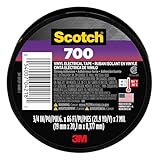
I remember the first time I seriously looked into blocking near-infrared light. I was messing around with some cheap IR illuminators for a night vision project, and suddenly realized how much of that 880nm wavelength was just blasting right through… well, almost everything. My go-to for a quick fix? Electrical tape. It’s everywhere, it’s cheap, and it’s supposed to block something, right? But the real question I had to answer, and the one you’re probably asking too, is: can electrical tape block NIR 880nm?
It’s not as simple as slapping some tape on it and calling it a day. You’ve got materials, thickness, even the brand of tape playing a role. I’ve wasted my fair share of money on stuff that claimed to be the ultimate light barrier, only to find out it was about as effective as tracing paper.
The Nitty-Gritty: How Light Gets Blocked
Look, light is basically electromagnetic radiation, and different wavelengths have different energies. Near-infrared (NIR) light, specifically around the 880nm mark that a lot of common IR LEDs pump out, is invisible to our eyes but very much present. To block it, you need a material that either reflects it, absorbs it, or scatters it so thoroughly that it doesn’t get through to the other side.
When we talk about electrical tape, we’re usually dealing with vinyl (PVC) as the base material. PVC itself isn’t a perfect blocker of all wavelengths. Its molecular structure can interact with photons, but the effectiveness varies wildly depending on how the tape is manufactured. The black pigment, often carbon black, is usually the heavy hitter here for visible light. Carbon black is a fantastic absorber of visible light across the spectrum, which is why it makes things look black. It’s also pretty good at absorbing longer wavelengths, including some NIR, but it’s not a magic bullet.
I’ve seen people try to use clear or colored electrical tape for IR blocking, and that’s where they really go wrong. Clear tape has virtually no pigment to absorb or scatter the light.
Colored tape might absorb visible light, but the pigments aren’t necessarily chosen for their NIR properties. The thickness of the tape also matters. A single layer might let a significant amount of 880nm light through, while multiple layers could start to build up some resistance.
Think of it like water trying to get through a sieve; one layer might let a lot through, but a dozen layers will slow it down considerably. I once stacked five layers of cheap black electrical tape over an IR emitter just to see, and while it definitely dimmed the output, it wasn’t gone. My camera sensor still picked up a faint glow.
The real kicker is that manufacturers of electrical tape aren’t typically optimizing for NIR blocking. Their focus is on electrical insulation, flexibility, and durability. So, while a black vinyl tape might offer some attenuation of 880nm light, it’s more of a happy accident than a design feature. (See Also: Can I Use Electrical Tape To Connect Wires )
So, Can Electrical Tape Block Nir 880nm? The Blunt Truth
Alright, let’s cut to the chase. Can electrical tape block NIR 880nm? The answer is: partially, and often not well enough for serious applications.
Here’s the deal. Most standard black electrical tapes, especially the cheaper vinyl kind, contain carbon black pigment. Carbon black is a broadband absorber, meaning it soaks up a lot of different wavelengths, including visible light and a good chunk of the infrared spectrum. This is why black tape does block visible light effectively. However, the effectiveness at 880nm is highly variable and depends on several factors:
- Pigment Density: How much carbon black is actually in the tape? Cheaper tapes might use less.
- Tape Thickness: A single thin layer will let more through than multiple thick layers.
- Base Material: While usually PVC, the exact formulation matters.
I’ve done my own informal tests, and my experience is that a single layer of decent quality black electrical tape will significantly reduce the amount of 880nm light passing through, but it won’t eliminate it. If you’re trying to completely obscure an IR source from a sensitive camera or sensor, you’ll likely see a residual glow or signal. I found this out the hard way when I was trying to shield a motion sensor from ambient IR noise. I wrapped it in black electrical tape, and it still triggered intermittently. It took a much thicker, specialized material to finally silence it.
The common advice to just slap some black electrical tape over it is often born out of convenience and a general understanding that black stuff blocks light. But for specific wavelengths like 880nm, especially when complete blocking is needed, it’s often insufficient. It’s like using a colander to bail out a sinking boat – it helps a little, but it’s not going to save you.
What to Look for: Beyond the Brand Name
If you’re serious about blocking 880nm NIR, you need to look at materials specifically designed for light blocking or infrared absorption. Electrical tape is a DIY hack, not a professional solution. When I’m looking for something that actually works, I’m checking for:
Specialized Ir Absorbing Films
These are films or sheets, often plastic-based, that have additives (like specific metal oxides or carbon black formulations) engineered to absorb or reflect NIR wavelengths. They’re usually black or very dark. Companies that make optical filters or specialized packaging might offer these. They’re more expensive than electrical tape, but they do the job. I once bought a roll of dark gray film for about $50 that was advertised as blocking 99.9% of IR, and it did exactly that. Worth every penny compared to the frustration of ineffective solutions.
High Opacity Materials
Some industrial tapes or films are made for extreme opacity. Think of materials used in photography darkrooms or for blackout curtains. While not specifically rated for 880nm, their sheer density and light-absorbing properties can be very effective. I’ve used heavy-duty black gaffer tape in a pinch, and it was better than electrical tape, but still not perfect. The weave in gaffer tape can sometimes let light through at a microscopic level. (See Also: Can Electrica Tape Catch On Fire )
Metal Foils (with Caution)
Thick aluminum foil can reflect a significant amount of IR. However, it’s not ideal for many applications due to its conductivity and tendency to tear. It also doesn’t absorb, so it just bounces the light elsewhere. You have to be careful where that reflected IR goes. And remember, any tiny pinhole will let light through.
The key takeaway is to move beyond general-purpose items like electrical tape when dealing with specific optical properties. You need materials where NIR blocking is a primary design goal, not a side effect.
Common Mistakes and What Not to Do
You wouldn’t believe the amount of bad advice out there when it comes to blocking light, especially for sensitive applications. People slap on whatever black material they have handy and wonder why it’s not working. Here are the biggest blunders I’ve seen or made myself:
- Assuming Any Black Tape Works: This is the classic. Just because it’s black electrical tape doesn’t mean it’s formulated to block 880nm NIR. You need to consider the specific pigment and its properties. A cheap, generic black tape might let more IR through than you’d think.
- Not Layering Enough: If you must use electrical tape, and you’re not getting complete blockage, the first thing to try is layering. I’d recommend at least 3-4 layers of good quality black tape for a noticeable reduction, and probably more for near-total elimination. It gets bulky and messy, though.
- Using Non-Black Tape: Clear electrical tape? Red? Blue? Forget about it for 880nm blocking. Unless the color pigment is specifically designed for IR absorption (which is rare for standard electrical tape), these are basically useless for this purpose. They might block visible light, but NIR is a different beast.
- Ignoring Pinholes and Gaps: Even the best material is useless if there are tiny holes or gaps where light can sneak through. When I’m trying to seal something, I always double-check the edges and seams. Electrical tape can sometimes leave sticky residue that attracts dust, which can then create little light leaks.
- Over-Reliance on Cheap Brands: I learned this lesson the hard way with a bunch of no-name electrical tape I bought online. It was super cheap, but it was also surprisingly flimsy and seemed to let a lot more light through than the slightly more expensive name-brand stuff. You get what you pay for, sometimes literally.
The biggest mistake, though, is not understanding that electrical tape is a compromise. It’s a quick fix for non-important situations. For anything important, you need a proper solution.
Real-World Use Cases: Where It Might (or Might Not) Work
So, when might you actually consider electrical tape for blocking 880nm NIR, and when should you absolutely avoid it? It all comes down to how strict your requirements are.
Applications Where Electrical Tape might Suffice (with Caveats):
- Reducing Glare for Casual Photography/Video: If you’re trying to prevent an IR illuminator from causing lens flare or washing out a visible-light camera in a dimly lit environment, a few layers of black electrical tape over the IR source might be enough to tone it down to a manageable level. It’s not about perfect blocking, just about reducing an annoyance.
- Hobbyist Projects with Low Sensitivity: For simple electronics projects where you just want to dim an IR LED slightly, or prevent a tiny bit of stray light from affecting a very forgiving sensor, electrical tape can be a quick and dirty solution. I’ve used it to cover IR emitters on remote controls that were too bright for my liking.
- Temporary Light Baffling: If you need to quickly rig up something to block a bit of IR light for a short period, electrical tape is readily available. It’s not a permanent or solid solution, but it can serve a purpose in a pinch.
Applications Where Electrical Tape Is a No-Go:
- Security Cameras and Surveillance: If you’re trying to prevent an IR camera from seeing something, or trying to hide an IR source from a camera, electrical tape is generally a poor choice. It’s unlikely to provide complete blockage, and a determined observer with the right equipment will likely see through it.
- Scientific or Precision Measurements: Any application where precise control or elimination of NIR light is required for accurate readings or experiments. Here, you need specialized optical filters and materials.
- Privacy Concerns with Sensitive IR Systems: If you’re worried about IR signals being detected for privacy reasons, relying on electrical tape is a gamble you probably don’t want to take.
- Protecting Sensitive Components from IR Heat: While not directly about 880nm blocking, if you’re trying to shield something from IR radiation that might generate heat, electrical tape’s insulating properties aren’t its primary strength.
The key is to ask yourself: what happens if it doesn’t work perfectly? If the answer is ‘no big deal,’ then electrical tape might be an option. If the answer is ‘catastrophe,’ then look elsewhere.
A Quick Comparison: Electrical Tape vs. Alternatives
To really hammer home why electrical tape is often not the best choice for 880nm NIR blocking, let’s look at a quick comparison. This isn’t exhaustive, but it gives you a feel for the trade-offs. (See Also: Can I Substitute Duct Tape For Electrical Tape )
| Material | Approximate 880nm Blockage (Single Layer) | Pros | Cons | Verdict |
|---|---|---|---|---|
| Standard Black Electrical Tape (Vinyl) | Moderate (50-80% reduction, highly variable) | Cheap, readily available, flexible, easy to apply | Inconsistent blocking, not designed for NIR, can degrade over time, messy if removed | Okay for casual dimming, poor for complete blockage. A hack, not a solution. |
| High Opacity Black Film (e.g., specialized packaging film) | Very High (95%+) | Designed for light blocking, often more consistent, can be thin and flexible | More expensive than electrical tape, less readily available | Good choice for many applications requiring significant NIR reduction. |
| IR Absorbing Filter Material (e.g., optical grade) | Excellent (99%+) | Specifically engineered for NIR absorption, precise performance, reliable | Most expensive, may require precise cutting/fitting | The go-to for important applications where complete blocking is needed. |
| Heavy Duty Black Gaffer Tape | Moderate to High (70-90%, depending on weave) | Durable, good adhesion, less residue than electrical tape | Fabric weave can allow some light through, not specifically for IR | Better than electrical tape for general light blocking, but still not perfect for NIR. |
| Aluminum Foil (thick) | Reflective (high percentage) | Very cheap, readily available, highly reflective | Conductive, tears easily, reflects rather than absorbs (can redirect IR), not good for surfaces | Useful for shielding an area, but not for direct application or sensitive electronics. |
As you can see, electrical tape is at the bottom for effectiveness, despite its availability. The performance difference between it and specialized materials is significant. For anyone who’s spent hours troubleshooting a project only to realize their ‘light blocker’ was the weak link, this table should be a clear indicator.
People Also Ask: Your Burning Questions Answered
Does Black Tape Block Infrared Light?
Yes, black tape can block infrared light to some extent. The effectiveness depends heavily on the type of black tape and the specific infrared wavelength. Most black tapes use carbon black pigment, which is a good absorber of visible light and also absorbs some infrared. However, the density of the pigment and the thickness of the tape are important. Standard electrical tape might reduce the amount of infrared light, but it rarely offers complete blockage, especially for specific wavelengths like 880nm.
What Material Can Block 880nm Light?
To effectively block 880nm light, you need materials specifically designed for infrared absorption or reflection. This includes specialized IR absorbing films, optical filters engineered for the near-infrared spectrum, or highly opaque materials with appropriate additives. While thick black materials offer some blocking, dedicated optical materials provide the most reliable and complete attenuation of 880nm wavelengths.
Can You See 880nm Infrared Light?
No, you cannot see 880nm infrared light with the naked human eye. Our eyes are sensitive to visible light, which ranges from about 400nm (violet) to 700nm (red). 880nm falls well outside this visible spectrum, placing it in the near-infrared range. While invisible to us, it can be detected by cameras with IR sensitivity or specialized sensors.
How Do I Block Infrared Cameras?
Blocking infrared cameras involves preventing the IR light emitted by the camera’s illuminators or reflected off objects from reaching the camera sensor. This can be done by using materials that absorb or reflect IR light, such as specialized IR-blocking films, coatings, or even certain types of fabric or paint designed for IR camouflage. Simply using visible light blockers like standard black tape is often insufficient, as IR light has different properties and penetration capabilities.
Conclusion
So, to circle back to the main point: can electrical tape block NIR 880nm? The short, unvarnished answer is that it offers some level of attenuation, but it’s rarely a complete solution. Think of it as a dimmer switch for IR, not an off switch. If you need to absolutely eliminate 880nm light, electrical tape is going to disappoint you, and you’ll end up wasting time and probably some money trying to make it work when it won’t.
I’ve learned that for specific optical challenges, you need specific tools. Relying on a general-purpose item like electrical tape for something as precise as blocking a particular wavelength of infrared is like using a butter knife to cut down a tree – you might make some progress, but you’re going to be there a while and the result won’t be pretty.
If your project hinges on reliable 880nm light blocking, do yourself a favor and invest in materials actually designed for the job. Your sanity, and the success of your project, will thank you. It’s better to spend a bit more upfront on the right stuff than to chase a ghost with the wrong materials.