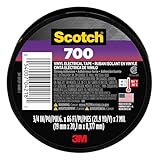
I’ve been elbow-deep in wires, fixing everything from my kid’s RC car to the ancient toaster oven that’s somehow still kicking, for longer than I care to admit. And let me tell you, there’s one question that pops up more than you’d think: can electrical tape fix exposed wire?
It’s tempting, isn’t it? That roll of black, stretchy stuff just sitting there, practically begging to be used as a quick-and-dirty fix.
But before you reach for it, let’s have a real chat. I’ve seen too many ‘fixes’ turn into bigger headaches.
When ‘good Enough’ Becomes ‘dangerous’: My First Electrical Tape Debacle
My first real ‘aha!’ moment with electrical tape, or rather, the lack thereof, happened years ago.
I was trying to fix the cord on a lamp that had a nasty fray right near the plug. It looked bad, sparks weren’t flying (yet), and I figured, ‘What’s the harm?’ So, I wrapped it up, nice and tight. Looked pretty decent, actually.
The lamp worked! For about three days.
Then, one evening, while I was reading, I smelled that acrid, burning plastic odor. The tape had melted, slagged off, and the exposed wires were practically kissing each other. Thankfully, it was just the lamp cord, but that was a stark reminder: electrical tape is not a permanent solution for seriously damaged wires. It’s a temporary band-aid, and sometimes, not even a good one.
I’ve since learned that while it has its place, it’s often misunderstood and misused, leading people to believe it’s a magic bullet when it’s really just a stopgap.
The Real Deal: How Electrical Tape Works (and Where It Fails)
Let’s break down what electrical tape actually is. It’s typically made from vinyl (PVC) and has a special adhesive designed to stretch and conform. This elasticity is key.
When you wrap it tightly around a wire, it creates a barrier that’s supposed to insulate against electrical current and protect the wire from minor abrasion. The stretching action helps it cling to itself, forming a pretty solid, if temporary, seal. It’s great for sealing low-voltage connections, like those on holiday lights or in car stereos, where the stakes are lower and the environment is relatively controlled.
It’s also good for bundling wires together to keep things tidy. The stretchiness is also why it’s useful for temporary repairs on things like garden hoses or even securing a loose handle on a tool – it can provide a decent grip and a bit of protection.
However, here’s the kicker: it’s not meant for high-heat situations. Many standard electrical tapes have a low-temperature rating, usually around 170°F (77°C). Appliance cords, especially those near motors or heating elements, can easily exceed this.
When the tape gets too hot, it loses its adhesion, becomes brittle, or, as I learned the hard way, melts into a gooey mess. Beyond heat, it offers minimal mechanical protection. If a wire is severely nicked, crushed, or otherwise compromised, a few wraps of tape won’t magically restore its structural integrity. It’s like putting a sticker over a gaping hole in a tire – it looks like it’s covered, but it’s not actually holding air pressure. (See Also: Can I Use Electrical Tape To Connect Wires )
I’ve seen people use it on frayed extension cords that are constantly being dragged across rough surfaces, and it’s a disaster waiting to happen. For anything carrying significant current or likely to experience physical stress, you need something more solid.
What to Look for: If You Must Use Tape, Make It the Right Kind
Okay, so you’re in a pinch, and you need to use tape. Fine. But not all electrical tape is created equal.
Forget that generic, sticky stuff you might find in a dollar store bin; it’s likely to be useless. You need to look for tape that explicitly states it’s for electrical applications and, ideally, has some specific ratings. High-quality electrical tape will often be rated for higher temperatures and offer better UV resistance, which is important if the repair is anywhere near sunlight.
Brands like 3M Temflex™ or Scotch® Super 33+™ are generally reliable. These tapes are engineered to maintain flexibility over a wider temperature range and have a strong, reliable adhesive. They are designed to provide a good level of insulation for common electrical work.
When you’re buying, check the packaging. It should mention voltage ratings, temperature limits, and resistance to things like oil, chemicals, and abrasion. If it just says ‘insulating tape,’ be suspicious. For more demanding applications, like automotive wiring or heavy-duty industrial use, you might even need specialized tapes such as self-fusing silicone tape or vinyl-backed tapes with higher temperature ratings (like 3M’s Super 88™). These are thicker, more durable, and offer superior protection. But even with the best tape, remember the limitations. It’s still a temporary fix for exposed wires. Think of it as a temporary patch, not a permanent repair. You’re buying yourself time to get the proper fix done.
Here’s a quick rundown of what I look for, and my personal verdict:
| Type of Tape | Pros | Cons | My Verdict |
|---|---|---|---|
| Standard Vinyl Electrical Tape (e.g., Scotch 33+) | Stretchy, conforms well, decent insulation for low voltage. | Low-temp rating, minimal abrasion resistance, melts in heat. | Okay for temporary low-voltage joins or bundling. Not for frayed cords. |
| High-Temp Vinyl Electrical Tape (e.g., Scotch 88+) | Better temp range, more durable than standard. | Still vinyl, can be nicked, not for extreme conditions. | Better choice than standard for slightly warmer environments. |
| Self-Fusing Silicone Tape | Bonds to itself creating a waterproof, insulating layer. High temp resistance. | Can be tricky to apply evenly, a bit more expensive. | Excellent for sealing, good for outdoor or high-moisture areas. |
| Cloth/Friction Tape (rarely used alone for insulation) | Rugged, adds mechanical protection. | Not insulating on its own; usually needs rubber tape layered on top. | Good for physical protection over proper insulation, not as a primary fix. |
Common Mistakes and Why They’re So Darn Costly
The most common mistake? Believing electrical tape is a permanent repair.
I’ve seen people wrap a frayed appliance cord, a damaged lamp wire, or even a car battery cable with electrical tape and consider the job done. This is incredibly dangerous. Electrical tape is designed to insulate, yes, but it’s also designed to be a temporary measure.
It degrades over time, especially when exposed to heat, UV light, or physical stress. That seemingly neat wrap can become brittle, crack, or melt, exposing the wires again, often worse than before. Another mistake is not applying enough tape.
A couple of wimpy wraps are not going to provide adequate insulation or protection. You need to overlap generously, extending well beyond the damaged area onto the intact insulation. Think at least an inch or two on either side of the exposed wire.
Using the wrong type of tape is another big one. As mentioned, standard vinyl tape melts. If you’re dealing with anything that gets warm – a motor, a power adapter, even a frequently used extension cord – you’re asking for trouble if you use tape not rated for those temperatures. I once saw a guy use regular black tape (not even electrical tape) to fix a minor tear in a lawnmower’s starter cord.
It worked for about five minutes before it dissolved into a sticky mess that gummed up the starter mechanism. It’s these kinds of DIY fails that give all quick fixes a bad name. (See Also: Can Electrica Tape Catch On Fire )
People also forget about the environment. If the repair is outdoors, exposed to rain, sun, or extreme temperatures, standard electrical tape will fail prematurely. You need tape designed for those conditions.
My own blunder involved trying to patch a wire on a garden pump that sat outside. I used my go-to household electrical tape, and within a month, it had warped and cracked, allowing water ingress.
That cost me a new pump, not just a few feet of tape.
Real-World Scenarios: Where Electrical Tape Actually Shines
So, if it’s not a permanent fix for damaged cords, where does electrical tape actually prove its worth? Think low-voltage, low-stress situations. For example, repairing the tiny wires on Christmas lights that have a minor nick in the insulation. Wrapping those delicate strands with a good quality electrical tape can prevent further damage and keep the whole string working.
I’ve also used it extensively when installing car audio equipment. Connecting speaker wires or power leads often involves splicing and insulating connections, and electrical tape provides a clean, flexible way to do that, especially in tight spaces where heat isn’t a major concern and the wires aren’t being flexed constantly. It’s also fantastic for bundling loose wires together, whether it’s behind your TV, in your computer’s wiring closet, or in the engine bay of your car.
It keeps things neat, prevents tangles, and stops wires from rubbing against each other.
Another area where it’s surprisingly useful is for temporary repairs on non-electrical items that need a bit of grip or insulation. Think about a tool handle that’s gotten slippery, or a bike handlebar that’s lost its grip tape. A few wraps of electrical tape can provide a surprisingly effective, comfortable grip. It’s also been used for years to secure the ends of a rope or cord to prevent fraying.
It’s a common trick in sailing and camping. I even used it once to create a makeshift gasket on a leaky faucet housing – not ideal, but it stopped the drip until I could get a proper replacement part.
The key in all these scenarios is understanding that you’re using its flexibility, its adhesive quality for light duty, or its basic insulating properties for low risks. It’s not about mending a broken conductor or replacing heavy-duty insulation.
When to Call It Quits: The Hard Truth About Exposed Wires
Let’s be blunt: if you can see exposed copper wire, especially on anything plugged into the mains (like your home appliances, computers, or power tools), and it’s more than just a tiny superficial scuff, electrical tape is probably not going to cut it. The common advice is often to just wrap it up, but that’s generally bad advice if the damage is significant.
If the insulation is cracked, melted, or a significant portion of the wire is exposed, you need a proper repair. This usually means replacing the entire cord or, in some cases, the component itself. For example, if the power cord on your vacuum cleaner has a deep gouge exposing the wires, trying to tape it is a fire hazard and frankly, a waste of tape.
You’re better off buying a new cord or a new vacuum. Similarly, if you’re dealing with wiring inside a junction box or behind a wall, that’s not a DIY tape job. That requires understanding electrical codes, using proper connectors, and making sure a permanent, safe fix. (See Also: Can I Substitute Duct Tape For Electrical Tape )
My own moment of clarity came when a friend’s old desk lamp started flickering. The cord looked worn, and he’d wrapped a section with tape. I cautiously unwrapped it, and sure enough, the copper was blackened and corroded from moisture ingress. The tape had failed completely.
We ended up replacing the entire cord, which took maybe ten minutes and cost about $15. That was infinitely safer and more reliable than the tape fix. If the wire is frayed (meaning individual strands are broken), tape won’t magically rejoin them or restore the original conductivity.
It just holds the broken bits together. For anything that carries significant current, a frayed wire means reduced conductivity, which leads to overheating.
That’s a serious fire risk.
Can Electrical Tape Be Used to Fix a Damaged Extension Cord?
For minor nicks or abrasions on an extension cord where the insulation is slightly scuffed but no copper is exposed, high-quality electrical tape can provide a temporary protective layer. However, if the cord is significantly frayed, if a substantial amount of copper is exposed, or if it’s been cut or crushed, electrical tape is NOT a safe or permanent fix. Such damage poses a serious fire and shock hazard, and the cord should be replaced entirely.
Is Electrical Tape Waterproof?
Standard vinyl electrical tape is water-resistant to a degree, meaning it can offer some protection against light moisture or splashes. However, it is not truly waterproof. Prolonged exposure to water, especially under pressure or in submerged conditions, can cause the adhesive to fail and water to seep underneath, compromising the insulation. For truly waterproof applications, self-fusing silicone tape is a much better, albeit more expensive, option.
How Many Layers of Electrical Tape Are Enough?
There’s no single magic number, but a good rule of thumb for low-voltage applications is to apply at least three to four layers, overlapping each layer by about half its width. The goal is to create a thick, continuous insulating barrier that extends well beyond the damaged area. If the damage is significant, you might need even more layers. Always make sure the tape is stretched taut during application to create a tight seal.
Can I Use Electrical Tape on Car Wires?
Yes, but with caution. Electrical tape is commonly used for insulating splices and bundling wires in automotive applications, especially for low-voltage circuits and accessories. However, automotive environments can be harsh, with significant temperature fluctuations, vibration, and exposure to oils and fuels. For important connections or areas exposed to high heat, specialized automotive-grade tapes or heat-shrink tubing are often more appropriate and durable than standard electrical tape.
Conclusion
So, to circle back to the big question: can electrical tape fix exposed wire? The short answer is: sometimes, for very specific, low-risk situations, and only as a temporary measure. My experience has taught me that it’s incredibly easy to overestimate its capabilities and underestimate the risks involved.
If you’re dealing with anything connected to mains power, or anything that experiences significant heat or physical stress, don’t rely on tape. It’s a stopgap, not a solution. Invest in proper replacement parts or call a qualified electrician. Your safety and your home are worth more than a few dollars saved on a roll of tape.
Next time you’re tempted to reach for that black roll for a serious wire repair, take a moment. Assess the damage realistically. Is this a job for a temporary patch, or a permanent fix? The answer might just save you a lot of trouble.