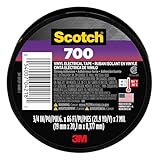
I remember the first time a important component of my DIY oven-roast chicken went sideways. The chicken itself was magnificent, golden brown and juicy. The problem? The makeshift handle I’d rigged up to lift a heavy cast-iron pan out of the scorching heat decided to melt into a sticky, black mess. Turns out, I’d grabbed what I thought was heat-resistant tape. It wasn’t. It was regular ol’ electrical tape, and it was NOT happy about being in a 400°F oven. So, can electrical tape go in the oven? Let’s just say my experience suggests a resounding ‘nope’.
This isn’t a question you often see in fancy cooking magazines, mostly because anyone who’s actually spent time in a hot kitchen has probably learned this lesson the hard way. Or maybe they’ve just been smart enough to avoid it altogether. Either way, understanding what happens when you subject this common household item to oven temperatures is pretty straightforward, and frankly, it’s not pretty.
Forget the slick marketing jargon; we’re talking about what actually works and what’s a complete waste of time and potentially your kitchen’s safety. Let’s get down to brass tacks about whether electrical tape is an oven buddy or a fire hazard.
Why You Should Rethink Duct Tape, Let Alone Electrical Tape
Look, I get it. Sometimes you need a quick fix. You’re in the middle of a bake, a recipe calls for something to be held together or sealed, and you reach for the nearest roll of tape.
For a lot of people, that’s electrical tape, right? It’s colorful, it’s versatile, and it’s supposed to be… well, electrical. But the idea that can electrical tape go in the oven without consequences is a myth I’m here to bust. I learned this lesson when I was trying to insulate a wire that ran a bit too close to a heating element in a makeshift smoker I was building.
I figured a layer or two of good old black electrical tape would do the trick for a quick test. Big mistake.
The moment the smoker heated up, that tape didn’t just peel off; it oozed. It started to smell acrid, like burning plastic, and before I knew it, there was a dark, sticky goo dripping down.
It wasn’t just messy; it was genuinely concerning. I had to shut the whole thing down and clean up a sticky, noxious mess that took forever to scrape off.
The fundamental problem is the material. Standard electrical tape is typically made from PVC (polyvinyl chloride) and plasticizers. These are petroleum-based compounds. When you heat PVC past a certain point – and your oven oven usually operates well above that point, often between 300°F and 500°F (150°C to 260°C) – it begins to break down. It doesn’t melt gracefully like butter; it degrades. This degradation releases volatile organic compounds (VOCs) into the air, which is not something you want wafting around your food. Plus, the plasticizers, which give PVC its flexibility, can leach out, leaving the tape brittle and basically useless.
Beyond the chemical breakdown, there’s the simple physical reality. The adhesive on electrical tape is designed for sticking to dry, clean surfaces at room temperature or slightly lifted temperatures. It’s not formulated to withstand the intense, sustained heat of an oven, nor the grease and moisture that are often present. So, that sticky mess I encountered?
That’s the adhesive failing, along with the PVC itself charring and melting. It’s a recipe for a sticky, potentially toxic disaster, not a solution.
The common advice you might find online about using it for temporary fixes in non-food-contact areas of an oven is still sketchy at best. If it’s in your oven, it’s potentially exposing your food to fumes or residue. It’s just not worth the risk.
The Science of Tape Meltdown: What Actually Happens
Let’s get a little more specific about why electrical tape is a terrible idea for oven use. When you ask can electrical tape go in the oven, you’re really asking about its material properties under thermal stress. Most common electrical tape, the black vinyl kind you probably have in a drawer, is designed to insulate wires and resist abrasion, but at temperatures far below what an oven dishes out. We’re talking maybe up to 176°F (80°C) for many types, and even the high-performance ones might only go to 220°F (105°C) or so. Your oven regularly hits 350°F, 400°F, or even 500°F for broiling. That’s a massive difference.
At these lifted temperatures, the PVC begins to degrade. This process is called thermal decomposition. The long polymer chains in the PVC start to break apart. As they break, they release smaller, volatile molecules. This is what causes that awful burning plastic smell. These fumes can contain hydrochloric acid (HCl) if the PVC breaks down significantly, and other harmful byproducts. This is definitely not food-grade material. The plasticizers, which are usually phthalates or similar chemicals, can also evaporate or break down, leaving the tape brittle and chalky. What was once a flexible, sticky strip becomes a crumbly mess that can flake off and contaminate whatever is in the oven. (See Also: Can I Use Electrical Tape To Connect Wires )
The adhesive, usually an acrylic or rubber-based compound, also fails. It’s not designed for extreme heat. It will soften, lose its tackiness, and then likely char or burn. This is how you end up with that incredibly stubborn, sticky residue. I once had a piece of electrical tape adhere to the bottom of a baking sheet after a minor mishap involving a runaway pizza. Trying to get that melted, burnt-on goo off took hours of scrubbing with Goo Gone and a razor blade. It was a stark reminder that tape meant for wires and pipes just doesn’t play well with baking temperatures. The risk of toxic fumes and food contamination makes it a non-starter.
Real-World Oven Fixes: What Actually Works (and What Doesn’t)
Okay, so we’ve established that electrical tape is a hard no. But what if you genuinely need a temporary fix near an oven component, or you’re trying to seal something that will be exposed to moderate heat (but not direct oven heat)? People often ask, ‘What tape can withstand heat?’
This is where you need to be specific. If you’re talking about fixing a loose wire on an appliance that gets hot but isn’t inside the oven itself, you might look at high-temperature electrical tape. Brands like 3M make tapes rated for much higher temperatures, sometimes up to 180°C (356°F) or even higher for specialized applications.
These are still primarily for electrical insulation, not for sealing food containers or touching food.
Another common misconception is that duct tape is oven-safe. Absolutely not. Duct tape uses a rubber-based adhesive and a cloth backing.
While it’s tougher than electrical tape, it will still melt, smoke, and leave a gummy residue at oven temperatures. I tried using duct tape once to secure a loose gasket on an old toaster oven door, thinking it would hold temporarily. Within a few uses, the adhesive started to ooze, and the tape itself began to discolor and peel.
The smell was… unpleasant. It’s just not built for that kind of heat.
So, if you’re wondering can electrical tape go in the oven, remember that most other common tapes, like duct tape, are in the same boat: a definite no-go.
For actual oven use, if you need to seal something, you’re generally looking at food-safe silicone wraps, parchment paper, or specially designed oven-safe containers. If you’re talking about a repair inside the oven, you need a proper replacement part. Trying to improvise with tape is asking for trouble. I once saw someone try to use tape to temporarily seal a small crack in a pizza stone.
The tape burned off, leaving a dark mark and a weird smell. It ruined that pizza. The best advice I can give is to use materials designed for the job.
For anything involving significant heat, especially in a food environment, don’t guess. Look for heat-rated materials specifically designed for high temperatures and, importantly, for food contact if that’s a possibility.
| Tape Type | Typical Max Temp (Approx.) | Suitability for Oven Use | Notes |
|---|---|---|---|
| Standard Electrical Tape (PVC) | ~176°F (80°C) | No | Melts, chars, releases toxic fumes, leaves sticky residue. |
| High-Temperature Electrical Tape | ~350°F (177°C) | No (for direct food contact/interior) | For electrical insulation on appliance exteriors or wiring near heat, NOT for oven interior. |
| Duct Tape | ~200°F (93°C) | No | Adhesive softens, melts, chars, leaves residue. Not food safe. |
| Masking Tape | ~150°F (65°C) | No | Paper backing burns, adhesive melts and chars. |
| Packing Tape (Plastic) | ~140°F (60°C) | No | Melts, sticks, contaminates. |
| Teflon Tape (PTFE) | ~500°F (260°C) | Maybe (with extreme caution, specific use) | Can withstand heat, but adhesive is usually not high-temp rated. Use only for plumbing threads or specific industrial applications where heat is the primary concern, and NOT for food contact. |
Common Mistakes When Tackling Oven-Related Heat Challenges
One of the biggest blunders I see people make, and one I’ve stumbled into myself, is assuming that because something is near heat, it can handle it. This is particularly true with electrical repairs or temporary fixes around kitchen appliances. People think, ‘My oven gets to 400°F, but this wire is just next to the heating element, so a little bit of heat-resistant tape should be fine.’
Wrong. Heat radiates, and proximity is often enough to push materials past their breaking point. I remember a friend who was trying to rig up a way to keep a thermostat wire from sagging onto a heating element in a commercial oven he was refurbishing. (See Also: Can Electrica Tape Catch On Fire )
He used what he thought was high-heat tape. Within a few hours of the oven running, the tape started to bubble and smoke. It didn’t catch fire, thankfully, but it left a gooey, black mess that was a nightmare to clean and made the whole kitchen smell like a tire fire.
Another frequent error is confusing ‘heat resistant’ with ‘oven safe.’ These are not the same. A material might resist melting or igniting up to a certain temperature, but that doesn’t mean it’s safe to be in direct contact with food, nor that its fumes are benign. Electrical tape is a prime example. It might not instantly burst into flames at 350°F, but it will degrade, off-gas harmful chemicals, and leave a sticky, contaminated residue. The common advice about using it for temporary fixes in non-food-contact areas is still a gamble. What constitutes ‘non-food-contact’ in a convection oven environment where air circulates constantly? It’s a risky game to play with your health and your appliances.
People also tend to underestimate the duration of heat exposure. Oven use isn’t a quick zap; it’s sustained heat for minutes or hours.
The materials that might tolerate a brief burst of heat will often fail under prolonged exposure. The adhesives on tapes are particularly vulnerable.
They can soften, lose their grip, and then char or burn. This is why even if you find a tape that claims to be ‘heat resistant’ up to a certain temperature, you need to check its specifications for continuous use. For example, if a tape is rated for 300°F intermittent use, it might not survive being stuck inside a 400°F oven for an hour. Always read the fine print and, when in doubt, err on the side of caution.
If the application involves your oven, it’s almost always better to buy the correct part or use a purpose-built oven-safe material rather than improvising with tape.
The Lowdown on High-Temperature Tapes (and When to Use Them)
So, if standard electrical tape is out, what about its beefier cousins? There are tapes specifically designed for high-temperature applications, and they’re often what people think of when they ask if tape can go in the oven. These are usually made from materials like fiberglass, silicone, PTFE (Teflon), or specialized ceramics. For instance, fiberglass tapes coated with silicone can handle temperatures well above oven extremes, often reaching 500°F (260°C) or more. PTFE tapes, like plumber’s tape, can withstand even higher temperatures, often up to 500°F (260°C) or 600°F (315°C) depending on the specific formulation.
However, here’s the important distinction: these are not for general-purpose kitchen use or direct food contact unless explicitly stated. Think about it: why would you need to tape something inside your oven?
Usually, it’s for a repair or a temporary fix. If it’s for a plumbing repair on pipes near the oven, PTFE tape is standard. If you’re sealing a ventilation duct that gets hot, a fiberglass tape might be appropriate.
But the adhesive is often the weak link. Even with high-temperature tapes, the adhesive might have a lower temperature limit than the backing material, or it might become gummy and leave residue at extreme heat.
I once used a high-temperature fiberglass tape to wrap a section of exhaust tubing on a custom grill I built. It held up to the heat, but the adhesive did start to soften and creep after many hours of use at high temperatures, and it was a pain to remove cleanly.
The question of can electrical tape go in the oven is a gateway to understanding a broader principle: use the right tool for the job. For oven interiors, especially where food is involved, improvisation with tape is a bad idea. If you need to seal a leaky oven door gasket, you buy a replacement gasket. If a rack is broken, you get a new rack.
If you’re trying to insulate a wire that’s too close to a heat source outside the oven, then you might consider a high-temperature electrical tape or a heat-shrink tubing specifically rated for that temperature and environment. But even then, make sure it’s not going to drip or off-gas in a way that could contaminate anything, especially if it’s in a kitchen. (See Also: Can I Substitute Duct Tape For Electrical Tape )
Practical Tips for Heat-Related Kitchen Challenges
When you’re dealing with kitchen appliances and heat, the golden rule is: always prioritize safety and food integrity. If you’re tempted to use tape for any reason inside or on the exterior of your oven where it might reach high temperatures, stop and ask yourself why.
Is it a repair? Then you need the correct replacement part. Is it to hold something together? Find an oven-safe clip, clamp, or fastener.
I’ve seen people try to use tape to secure a loose battery cover on a digital thermometer that was going into the oven. That thermometer’s plastic housing melted, and the tape turned into a sticky, burnt mess. The thermometer was ruined, and the oven needed a good cleaning.
It would have been far cheaper and safer to buy a new battery cover or a thermometer designed for oven use in the first place.
If you’re dealing with minor heat exposure outside of the oven cavity itself – for example, a wire that runs along the outside of a toaster oven and gets warm – you might consider a high-temperature heat-shrink tubing or a specialized silicone tape. These are designed for electrical applications where heat is a factor, but they are still not meant for prolonged direct contact with surfaces exceeding their rating. Always check the specifications for temperature limits, continuous use, and any safety warnings. The general advice for these kinds of materials is that they are for electrical insulation, not for structural fixes or sealing food.
For anything directly inside your oven, assume tape is a no-go. This includes baking sheets, oven racks, the oven lining, or any part that comes into contact with food. Think about materials like parchment paper, silicone baking mats, aluminum foil (though even foil can stick if food sugars burn onto it), or specifically designed oven-safe cookware. If something in your oven breaks, the only truly safe and effective solution is to replace the broken part with an OEM (Original Equipment Manufacturer) or a certified replacement.
Trying to cut corners with tape, whether it’s electrical tape or any other kind, is a false economy that can lead to damaged appliances, contaminated food, and potentially dangerous situations. Stick to materials designed for the specific task and environment. For can electrical tape go in the oven, the answer is a clear and unequivocal no.
Faq: Your Burning Questions About Oven Tape
Can I Use Regular Tape in the Oven?
No, absolutely not. Regular tapes like Scotch tape, masking tape, packing tape, and even duct tape are not designed for the high temperatures found in an oven. They will melt, burn, release toxic fumes, and leave a sticky, difficult-to-remove residue. This can contaminate your food and damage your oven.
What Happens If Electrical Tape Melts in the Oven?
When electrical tape melts in the oven, it degrades and breaks down. This process releases harmful volatile organic compounds (VOCs) into the air, which can smell foul and be unhealthy. The tape will also turn into a sticky, black, tar-like substance that is extremely difficult to clean from oven surfaces.
Are There Any Tapes That Are Oven-Safe?
While some specialized high-temperature tapes exist (like certain PTFE or fiberglass tapes used in industrial applications), they are generally not considered ‘oven-safe’ for typical kitchen use or food contact. They might withstand high temperatures for insulation or sealing purposes in specific non-food environments, but they are not a substitute for proper oven components or food-safe materials like parchment paper or silicone.
What Should I Use Instead of Tape in the Oven?
Instead of tape, use materials specifically designed for oven use. For baking, this includes parchment paper, silicone baking mats, and oven-safe cookware. For repairs, you need to replace the broken part with an appropriate oven-safe component. Never improvise with tape for any part of your oven interior or for items that will go inside it.
Conclusion
So, to put it bluntly: no, electrical tape absolutely should not go in the oven. My own messy encounters and the clear science behind material breakdown confirm it. The fumes are nasty, the residue is a nightmare, and the risk to your food and your appliance is just not worth a few moments of convenience.
If you’re ever in a situation where you’re tempted to use tape for a fix inside your oven, whether it’s for a broken part or a makeshift seal, please, for the love of all that is holy and delicious, don’t do it. There are purpose-built materials for baking and for oven repairs. Stick to those. Your kitchen, your health, and your future meals will thank you.
The next time you’re wondering can electrical tape go in the oven, just remember: it’s a one-way ticket to a sticky, smelly, and potentially toxic mess. Opt for the right tool for the job, every single time.