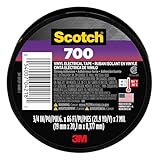
I remember a time, early in my tinkering days, when I thought electrical tape was the ultimate fix-all. Wires frayed? Slap some tape on it. Something loose? Tape it. Then I started working with sensitive electronics, and suddenly, my trusty black tape became a source of paranoia. The question that bugged me was simple, yet loaded: can electrical tape cause ESD? It felt like a betrayal from an old friend.
Honestly, the advice out there is a mess. Some folks swear by it, others warn you like you’re handling unstable nitroglycerin. I’ve wasted enough cash and time on products that talked a big game and delivered squat, so I’m going to give you the straight dope on this. Let’s cut through the noise.
The Sticky Truth: Why Standard Electrical Tape Is an Esd Risk
Look, most of the time you’re just wrapping a busted lamp cord or securing some garden lights, the risk of Electrostatic Discharge (ESD) is pretty minimal. Your average household electrical tape, the cheap stuff you grab at the hardware store, isn’t designed with ESD in mind. Its main job is insulation – keeping electricity from jumping where it shouldn’t and holding things together physically. The problem is, the materials used to achieve that stickiness and flexibility often make it a prime candidate for building up a static charge. Think of it like rubbing a balloon on your hair; you’re creating static. That’s exactly what happens when you unroll and stretch that black tape, especially in dry environments.
I’ve seen it happen. I was working on a vintage radio, trying to re-insulate a brittle wire near the chassis.
I used my go-to electrical tape, feeling pretty smug about my repair. A few days later, the damn thing started acting up intermittently. After hours of troubleshooting, I found a tiny scorch mark on a nearby capacitor, exactly where the tape was. Coincidence?
I doubt it. That tape, while holding the wire, had apparently managed to zap the sensitive component sitting right next to it.
It was a harsh lesson: not all tapes are created equal, especially when delicate electronics are involved. The common advice to just ‘use electrical tape’ for insulation in electronics repair is, frankly, often wrong and can lead to expensive mistakes.
What’s actually happening is a phenomenon called triboelectric charging. When two different materials rub against each other, electrons can be transferred from one to the other. Electrical tape, with its rubber or vinyl base and adhesive layer, is particularly adept at this. When you stretch and apply it, you’re creating friction. If the environment is dry (low humidity), these charges can easily build up and sit there, waiting for a path to discharge. And what’s a juicy path for static? Your sensitive electronic components.
The real kicker is that many people associate ‘electrical tape’ with ‘insulation’ and assume it’s safe for electronics. But it’s like using a bath towel to put out a grease fire – it’s the wrong tool for the job, even if it’s technically made of fabric. The very properties that make a standard electrical tape cheap and versatile for general wiring can make it a silent killer for sensitive circuits. You need something specifically designed to manage static, not create it.
When ‘insulation’ Isn’t Enough: The Esd-Specific Tapes
So, if your run-of-the-mill black electrical tape is a no-go for ESD-sensitive work, what’s the alternative? Thankfully, there are tapes designed specifically to prevent, not contribute to, ESD. These are often called static dissipative tapes or static shielding tapes. They look similar – usually pink, blue, or clear – but their composition is entirely different. Instead of relying on materials that readily hold a charge, they’re formulated to either dissipate static charges slowly and safely or to act as a Faraday cage, preventing charges from reaching the components underneath.
Static dissipative tapes work by having a slightly conductive surface or core. This conductivity allows any static charge that builds up to spread out evenly across the tape’s surface, rather than concentrating in one spot and waiting to jump. This slow, controlled release prevents the sudden, damaging discharge. Think of it like a controlled leak from a balloon instead of a pop. They often have a resistivity in a specific range, usually between 10^6 and 10^11 ohms per square, which is the sweet spot for safe dissipation. They feel different too; sometimes a bit ‘dry’ or less ‘grabby’ than your standard tape. (See Also: Can I Use Electrical Tape To Connect Wires )
Static shielding tapes, on the other hand, are more about blocking. They often have a metallic layer (though it’s usually so thin you can’t see it, or it’s a conductive coating) sandwiched between insulating layers. This metallic layer acts like a shield, preventing external electrostatic fields from reaching the sensitive components wrapped within. If a charge builds up on the outside of the tape, it’s contained by the shielding layer and can’t jump to your circuit board. These are generally considered the highest level of protection for very sensitive items, often used in cleanroom environments or for packaging sensitive parts.
I remember buying a roll of pink static dissipative tape for about $15 for a small spool, and at first, I grumbled about the cost compared to the $2 roll of black tape. But then I started using it on some delicate microcontroller projects, and the peace of mind was worth every penny. No more second-guessing if my tape job was about to fry a board. It’s the difference between using a hammer to screw in a nail and using the right screwdriver. They both get the job done, but only one does it without causing damage.
The key takeaway here is to look for specific labeling. If it just says ‘electrical tape’ or ‘insulating tape,’ assume it’s not ESD-safe. You need to see ‘static dissipative,’ ‘ESD safe,’ or ‘static shielding’ on the packaging. Don’t just trust the color; while pink is common for static dissipative, there are no strict universal color codes that guarantee ESD safety across all manufacturers.
Common Mistakes and Misconceptions Around Tape and Esd
The biggest mistake people make is assuming all tapes are interchangeable, especially when it comes to electronics. As I’ve hammered home, your standard black vinyl electrical tape is a prime culprit for building up static.
It’s designed for electrical insulation, not electrostatic discharge prevention. So, if you’re working on a sensitive circuit board, repairing a hard drive, or handling any component with a small static sensitivity rating, that cheap roll of tape is a gamble you don’t want to take.
I learned this the hard way, costing me a perfectly good graphics card that just started glitching out after I’d used regular electrical tape to secure a loose wire bundle inside its casing. It was a $300 lesson in tape selection.
Another common misconception is that ESD is only a problem in super sterile, high-tech cleanrooms. That’s just not true. Static electricity can build up anywhere, anytime, especially in drier climates or during winter months when humidity is low. Even shuffling your feet on a carpet can generate thousands of volts. If you’re touching sensitive electronics without proper grounding, that static charge can easily transfer and cause damage. Using the wrong tape can exacerbate this problem by either holding a charge itself or not providing adequate protection when it’s needed most. It’s easy to forget about static when you’re focused on the repair itself, but it’s a silent threat.
People also sometimes confuse static dissipative tapes with conductive tapes. While both manage static, they do it differently. Conductive tapes are designed to allow electricity to flow easily, often used for grounding connections or creating conductive pathways. Static dissipative tapes, on the other hand, are meant to slowly release static charges to prevent a sudden discharge. Using a truly conductive tape where a dissipative one is needed could potentially create its own problems by allowing unwanted current flow. It’s about choosing the right level of conductivity for the specific task.
Here’s a quick comparison table to illustrate the differences, and my general verdict on their ESD suitability:
| Tape Type | Primary Function | ESD Risk | My Verdict for Electronics |
|---|---|---|---|
| Standard Electrical Tape (Vinyl) | Electrical Insulation, Physical Securing | High (builds up charge easily) | Avoid for ESD-sensitive work |
| Static Dissipative Tape (e.g., Pink) | Slowly dissipates static charges | Low (designed to prevent charge buildup) | Excellent for general ESD protection |
| Static Shielding Tape (e.g., Metalized) | Blocks external electrostatic fields | Very Low ( Faraday cage effect) | Best for highly sensitive components or packaging |
| Conductive Tape (e.g., Copper foil) | Allows easy electrical flow, grounding | Variable (depends on application, can be too conductive for dissipation) | Use only for specific grounding/path creation needs, not general static control |
The market is flooded with products, and it’s easy to grab the cheapest option without thinking. But when it comes to protecting your electronics, that cheap roll of tape could end up costing you far more in damaged components. Always read the label and understand what the tape is designed to do. (See Also: Can Electrica Tape Catch On Fire )
Real-World Applications: Where Esd-Safe Tape Shines
While the immediate thought for many is repairing computer motherboards or replacing components, static dissipative tape has a surprisingly broad range of applications where static is a concern. I’ve used it extensively in my home workshop, and it’s proven its worth far beyond just circuit boards. For instance, when I’m assembling or disassembling anything with delicate internal components – like cameras, drones, or even high-end audio equipment – I always have a roll of static dissipative tape handy. It’s not just about the main circuit boards; even ribbon cables, sensor arrays, or delicate plastic housings can be damaged by a static zap.
One particular instance sticks out. I was working on a professional camera rig, and one of the internal flex cables had a slight tear in its insulation. The manual specifically warned about ESD. Instead of risking a standard tape job that could lead to static buildup and image sensor interference, I used a good quality static dissipative tape. The repair was clean, the camera worked perfectly afterward, and I didn’t have to worry about a phantom electrical issue cropping up later. This is where the ‘can electrical tape cause esd’ question becomes important for professionals and serious hobbyists alike.
Packaging is another huge area. If you’re shipping electronic components, especially vintage parts or custom builds, you absolutely want to use static shielding or dissipative packaging materials. This includes tapes. Imagine selling a rare vintage vacuum tube or a specialized FPGA chip online. You wouldn’t want your customer to receive a perfectly good component that’s been zapped into oblivion during transit because you used regular packing tape or, worse, standard electrical tape to secure it inside its protective wrapping. Static shielding tape applied over the static shielding bag, or even as the primary way to seal it, provides that extra layer of security. It reassures both you and the customer that the item is protected.
Even in less obvious scenarios, like working with 3D printer electronics, microcontrollers for home automation, or anything involving small servos and sensors, static can be an issue. These devices might not be as sensitive as a high-end CPU, but a static discharge can still cause erratic behavior, component failure, or shortened lifespan. For example, I was upgrading the firmware on my 3D printer’s mainboard and needed to secure some relocated wiring. Using regular tape felt like a bad idea, so I opted for static dissipative tape. It was a simple step, but it gave me confidence that I wasn’t inadvertently introducing problems while trying to improve performance. It’s a cheap insurance policy against a costly mistake.
The key is to recognize when you’re dealing with components that have a low tolerance for static electricity. If the part is small, has fine pins, or is part of a complex electronic system, err on the side of caution. The availability of these specialized tapes means there’s really no good excuse for using standard electrical tape in such situations anymore. The cost difference is negligible compared to the potential cost of component failure.
Practical Tips for Using Tape Safely Around Electronics
When you’re in the trenches, elbow-deep in wires and boards, keeping ESD in mind is most important. The first and most obvious tip is: if you’re working with sensitive electronics, ditch the standard black electrical tape. Seriously. Go get yourself a roll of pink static dissipative tape. It’s cheap insurance. You can find it online or at electronics supply stores for around $10-$20 for a decent roll. It might seem like overkill for some jobs, but trust me, you’ll sleep better knowing you’re not zapping your gear.
Second, always work on a grounded surface. This is a must. A proper anti-static mat is ideal, with a grounding cord that connects you to earth ground. If you don’t have a mat, you can often use a grounded metal object (like the metal chassis of an unplugged PC) to touch periodically to discharge any built-up static. Pairing this grounding practice with ESD-safe tape creates a solid defense against static damage. Touching a grounded object before you touch your sensitive components is the golden rule. Don’t just assume you’re not charged; check yourself.
Third, pay attention to humidity. Static electricity loves dry air. If you live in a naturally dry climate or it’s the middle of winter and your heating is blasting, humidity levels can be dangerously low. Consider using a humidifier in your workspace. Even a slight increase in humidity can significantly reduce static buildup. This isn’t always practical, but it’s a factor that professionals in controlled environments always manage. For us home tinkers, it’s something to be aware of, especially when your DIY projects start acting strangely without an obvious cause.
Fourth, don’t overdo it with the tape. Use only as much tape as necessary to secure the wire or component. Excessive tape can sometimes make things messy and potentially interfere with airflow or other connections. When using static dissipative tape, apply it smoothly without excessive stretching, which can help minimize any potential charge buildup on the tape itself, although these tapes are far less prone to it than standard ones. Make sure the tape adheres well but doesn’t leave sticky residue that can attract dust or debris over time.
Finally, store your ESD-safe tapes properly. Keep them in their original packaging or in a sealed plastic bag when not in use. This prevents them from picking up dust, moisture, or other contaminants that could compromise their static-dissipative properties. Standard electrical tape can be tossed in a toolbox, but your ESD tapes deserve a bit more care to make sure they remain effective. It’s a small effort for a significant protection. (See Also: Can I Substitute Duct Tape For Electrical Tape )
A Look at the Science: Resistivity and Esd Control
To really get why standard electrical tape is risky and ESD-specific tapes are the way to go, a little science helps. The key property we’re talking about is electrical resistivity. For static control, we’re looking at two main categories: static dissipative and conductive. Standard electrical tape generally falls into the category of insulators, with very high resistivity (think 10^14 ohms or higher). This means it’s extremely difficult for electricity to flow through it, allowing static charges to build up and remain localized.
Static dissipative materials, like the pink tape you’ll often see, have a resistivity in the range of 10^6 to 10^11 ohms per square. This range is important. It’s high enough to prevent a sudden, large flow of current (which would be damaging), but low enough to allow static charges to dissipate slowly and safely across the surface of the material. This gradual discharge prevents the high-voltage spikes associated with ESD. They basically provide a controlled pathway for static to bleed off without creating a shock hazard or damaging sensitive components.
Conductive materials have much lower resistivity, typically below 10^5 ohms per square, and often much lower. These are used when you need a clear, easy path for electricity, like in grounding straps or conductive flooring in cleanrooms. While they dissipate static quickly, they can sometimes be too conductive for direct use on sensitive components if not applied correctly, as they could theoretically allow external electrical fields to influence the component directly if not properly shielded.
This is why simply using any tape that feels slightly ‘grippy’ or ‘less smooth’ isn’t a guarantee of ESD safety. The specific resistivity range is what matters. Manufacturers of ESD-safe tapes engineer them with specific additives or surface treatments to achieve these precise resistivity values. For example, carbon black or conductive polymers might be incorporated into the material. The common advice to just use ‘electrical tape’ is often a relic from a time when ESD wasn’t as widely understood or when electronic components were far more solid. Today’s sensitive microchips simply can’t tolerate the charge buildup that standard vinyl tape can help.
According to standards like those from the Electrostatic Discharge Association (ESDA), materials used in ESD-protected areas (EPAs) must meet specific resistivity criteria. While you might not be working in a full EPA, understanding these principles helps you make informed choices. The ESDA provides guidelines for how to properly handle and protect ESD-sensitive devices. Using tape that meets these general principles – i.e., is static dissipative or shielding – aligns with best practices in electronics handling. It’s not just about slapping tape on; it’s about using materials scientifically proven to manage static electricity safely.
Frequently Asked Questions About Electrical Tape and Esd
-
Can Regular Black Electrical Tape Cause Esd Damage?
Yes, absolutely. Standard black electrical tape is often made from materials that readily build up and hold static charges. When you stretch and apply it, especially in dry conditions, it can create a significant electrostatic charge. This charge can then discharge to sensitive electronic components, causing damage or failure. It’s a common, albeit often unnoticed, source of ESD for hobbyists and even some professionals who aren’t aware of its properties.
-
What Kind of Tape Is Safe to Use on Electronics?
For electronics, you should use tape specifically labeled as “static dissipative,” “ESD safe,” or “static shielding.” These tapes are designed with materials that either slowly dissipate charges or block them entirely. Pink static dissipative tape is a common and effective option for most electronics repair and handling needs. Static shielding tape offers an even higher level of protection.
-
Is Pink Tape Always Esd Safe?
While pink tape is very commonly used for static dissipative applications, the color alone isn’t a guarantee. Manufacturers use pink as a visual indicator for their ESD-safe products, but you should always check the packaging for explicit labeling like “static dissipative,” “ESD safe,” or the resistivity range. Never assume a color indicates safety without confirmation from the product’s specifications.
-
How Can I Tell If My Tape Is Building Up Static?
You might notice a slight crackling sound when unrolling or applying the tape, or a faint spark when the tape touches a surface. In very dry conditions, you might even feel a small shock when touching the tape after it’s been applied and then touching a grounded object. However, the absence of these obvious signs doesn’t mean static isn’t building up; subtle charges can still be present and damaging to sensitive electronics.
Verdict
So, can electrical tape cause ESD? The short answer is a resounding yes, especially the standard stuff. My own blunders taught me that lesson the hard way, turning a simple repair into a frustrating investigation. The convenience of a cheap roll of black tape is tempting, but when it comes to anything with a circuit board or sensitive components, it’s a gamble that just isn’t worth the risk.
The good news is that the solutions are readily available and not prohibitively expensive. Investing in a roll of static dissipative tape might seem like an unnecessary expense at first, but consider it an investment in the longevity of your electronics and your peace of mind. It’s the right tool for the job, and using the right tool is what separates a hack job from a solid repair.
If you’re still on the fence, think about the cost of a replacement component versus the price of a roll of specialized tape. It’s a no-brainer. Next time you reach for tape around sensitive gear, pause and ask yourself: is this standard electrical tape, or is it actually ESD-safe? Your electronics will thank you.