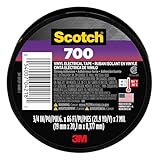
I remember the first time I tried to rig up a makeshift antenna for my Bluetooth speaker. I was at a campsite, miles from anywhere, and the signal kept cutting out. In my desperation, I grabbed the roll of black electrical tape from my toolkit, figuring it couldn’t hurt. It did, or at least I thought it did. That whole episode got me wondering: can electrical tape interfere with Bluetooth signal?
Honestly, for years I just assumed anything wrapped in tape was a potential signal killer. We’ve all been there, right? You’ve got a gadget, it’s acting up, and your brain immediately jumps to the most obvious physical culprit.
But the reality is a bit more nuanced than a simple ‘yes’ or ‘no’. Let’s break down what’s actually going on.
The Physics of Tape and Tiny Waves
So, you’re fiddling with some electronics, maybe trying to shield something, or perhaps you’re just doing a quick repair, and you slather on some electrical tape. The burning question is always:
Now, electrical tape itself is primarily made of PVC (polyvinyl chloride) with a rubber-based adhesive. PVC is a plastic, and plastics are generally insulators. This means they don’t conduct electricity well, which is why they’re great for, you know, insulating wires. But when it comes to radio waves, it’s a bit different. Radio waves are electromagnetic radiation, and their interaction with materials depends on the material’s dielectric properties and conductivity. Most common insulating materials, like the plastics in electrical tape, have low dielectric constants and are poor conductors. This means they don’t inherently absorb or reflect radio waves very effectively.
The real issue arises not from the tape itself being a dedicated signal jammer, but from how it can affect the design of the device. Many Bluetooth devices, especially smaller ones like earbuds or dongles, have tiny, integrated antennas. These antennas are precisely shaped and positioned to capture and transmit those delicate 2.4 GHz signals. When you wrap electrical tape around an area that houses or is near the antenna, you can change the impedance of that area. This is a fancy way of saying you alter how easily the radio waves can flow. It’s like putting a slightly damp blanket over a small speaker – the sound might still come out, but it’s muffled and distorted.
I learned this the hard way when I tried to improve the Wi-Fi signal on an old USB dongle. I wrapped some foil around it, then layered on electrical tape to keep the foil in place. Instead of getting better reception, my internet speed dropped to dial-up levels. The foil was the main culprit, but the tape just made it worse by adding another layer of material where the antenna was trying to breathe. It wasn’t a direct interference like jamming, but a disruption of the antenna’s intended function.
Consider this: if electrical tape were a significant blocker, every device wrapped in it would have problems. That’s not the case. The key is proximity to the antenna and the thickness of the material. A thin layer might do nothing, but a thick, multi-wrap job directly over the antenna could certainly cause issues. It’s not about the tape being conductive or magnetic; it’s about it changing the electrical environment around the antenna.
The common advice to just “avoid covering antennas” is generally good, but for things like electrical tape, it’s more about how you cover it. For instance, if you’re taping a wire bundle that happens to have a Bluetooth antenna running nearby, but the tape isn’t directly pressed against it or significantly changing its shape, you’re probably fine. It’s the direct contact and alteration of the antenna’s physical space that’s the concern.
What to Look for: Antenna Placement Is Key
When you’re troubleshooting a Bluetooth connection that’s suddenly gone flaky, and you’ve got electrical tape involved somewhere in the equation, the first thing you need to do is locate the antenna. This sounds simple, but it’s often the trickiest part. Devices don’t always have a big, obvious antenna sticking out like the old Wi-Fi routers used to. For most modern Bluetooth devices – think earbuds, smartwatches, wireless mice, and those small USB dongles – the antenna is usually a small, often black, stubby wire or a coiled trace etched onto the circuit board itself.
Sometimes it’s a thin, flat strip of metal. These are usually tucked away inside the casing, often near the edge or a specific corner, designed for optimal signal transmission and reception.
Here’s where the electrical tape comes into play. If you’ve wrapped tape around the entire casing of a device, especially if it’s a tight fit or multiple layers thick, there’s a good chance you’ve covered or are at least very close to the antenna. In my own tinkering, I once tried to reinforce a slightly loose battery compartment on a wireless keyboard using electrical tape.
I ended up wrapping it right around the bottom edge where the internal Bluetooth antenna was located. The keyboard’s connection started dropping like a stone. It wasn’t the tape’s material properties directly blocking the signal like lead blocks X-rays, but rather its presence physically altering the antenna’s resonant frequency and radiating efficiency. (See Also: Can I Use Electrical Tape To Connect Wires )
It’s like putting a slightly too-tight glove on your hand – you can still move it, but it’s not as nimble or effective.
You need to be aware of the device’s design. Small, compact devices are the most vulnerable. If you can’t see the antenna, assume it’s in a sensitive spot. Manufacturers spend a lot of time and money engineering these antennas for peak performance. Messing with that delicate balance, even with something as seemingly innocuous as electrical tape, can have unintended consequences. The dielectric properties of the tape (how it interacts with electric fields) and its physical presence can detune the antenna, meaning it’s no longer operating at its intended frequency. This results in weaker signals, more interference, and frustrating dropouts.
Sometimes, the issue isn’t the tape directly on the antenna, but the tape creating a situation where other conductive materials are brought too close. For example, if you’re using electrical tape to secure a piece of foil as a makeshift reflector (don’t do this, by the way, unless you really know what you’re doing), and that foil gets too close to the antenna, the tape is indirectly causing the problem by holding the foil in place. The foil is the real signal disruptor, but the tape is the enabler.
So, my advice here is practical: if you’ve used electrical tape on a Bluetooth device, and you’re experiencing issues, the first troubleshooting step should be to carefully examine where that tape is. Can you see any part of the antenna? Is the tape pressing directly against it? Is it creating a thick bundle of material right where the signal needs to escape? If the answer is yes to any of these, try removing the tape in that specific area or relocating it entirely. Often, the problem is solved with a few seconds of careful unwrapping.
Common Mistakes and Misconceptions
One of the biggest blunders I see people make, and yes, I’ve made it myself, is assuming that if a material isn’t metal, it can’t possibly affect radio waves. Everyone thinks about foil or mesh as signal blockers or enhancers, but plastics, rubbers, and adhesives all have dielectric properties that can, under the right circumstances, influence how electromagnetic signals behave. Electrical tape is a prime example. Its primary job is insulation, but that insulation can also interfere with the delicate dance of radio frequencies used by Bluetooth.
Another common misconception is that electrical tape is inherently a strong signal blocker. It’s not.
Unlike materials specifically designed for electromagnetic shielding (like mu-metal or specialized conductive fabrics), the PVC in electrical tape has a relatively low dielectric constant. This means it doesn’t readily absorb or reflect radio waves.
The interference it causes is usually more indirect. It’s not actively jamming the signal; it’s more like throwing a wrench into the finely tuned machinery of the antenna. This happens when the tape alters the antenna’s physical dimensions or its electrical environment. Think of it like trying to tune a guitar with a damp cloth pressed against the strings – it’s not that the cloth is playing a different note, it’s just making it harder for the string to vibrate correctly.
I remember trying to fix a cracked casing on a Bluetooth mouse a few years back. I used a generous amount of electrical tape to hold the two pieces together. Suddenly, my cursor was jumping around erratically, and the connection would drop for seconds at a time.
I spent ages updating drivers, reinstalling the mouse, and even swapping out the batteries, all while the tape sat there, silently sabotaging my connection. The tape, wrapped around the lower half of the mouse where the internal antenna was located, was causing enough of a disruption that the mouse was effectively becoming a paperweight. Once I peeled off the excess tape and re-taped it more sparingly, just holding the pieces together without pressing down on the antenna area, the problem vanished.
A lot of people also mistakenly believe that any tape is bad. That’s not necessarily true. The type of tape matters. Duct tape, packing tape, or even some medical tapes might have different effects due to their composition and adhesive. However, electrical tape is often the go-to for temporary fixes on electronics, which is why it gets a bad rap. Its flexibility and adhesive properties make it easy to wrap around components.
The mistake is often in the application. People apply electrical tape thickly and haphazardly, especially when they’re in a hurry. They might wrap it around a whole device or cable bundle without considering the internal components. This is the perfect recipe for creating a problem where one didn’t exist. The goal should always be to use the tape minimally and strategically, making sure it doesn’t interfere with important components like antennas. If you can avoid covering the antenna area altogether, you’re usually in the clear. It’s not magic, it’s just basic physics applied to a small, delicate piece of technology. (See Also: Can Electrica Tape Catch On Fire )
Here’s a quick rundown of common mistakes:
| Mistake | Why it’s a Problem | Verdict |
|---|---|---|
| Thick, multiple layers of tape over the entire device. | High probability of covering or pressing on the antenna. | High Risk |
| Taping directly over visible antenna components. | Direct physical alteration of the antenna’s environment. | Very High Risk |
| Using tape to secure conductive materials (foil, wire) near the antenna. | Indirect interference by positioning disruptive materials. | Medium to High Risk |
| Applying tape to small, compact devices without checking antenna location. | Antennas are often internal and in sensitive spots. | Medium Risk |
| Assuming any tape is harmless. | Different materials have different dielectric properties. | Low Risk (but can lead to other mistakes) |
Real-World Use Cases and Practical Tips
So, when would you actually use electrical tape in a way that might impact Bluetooth, and how can you avoid turning your device into a signal black hole? Think about common scenarios. You might be repairing a frayed cable on your headphones, reinforcing a loose connection on a portable speaker, or even trying to tidy up a mess of wires connected to a Bluetooth adapter. In all these cases, electrical tape is a handy tool.
Let’s say you have a pair of wired earbuds where the cable has a weak spot near the jack. You’ve got a small Bluetooth transmitter plugged into your phone, and you’re worried about jostling the transmitter and breaking the connection.
You might be tempted to use electrical tape to secure the transmitter to your phone case or to the earbud cable to prevent it from dangling. If that tape ends up pressing against the transmitter’s casing, particularly where the internal antenna might be, you could run into issues. My own experience with a Bluetooth audio receiver dongle comes to mind.
I wrapped it securely with tape to prevent it from falling out of a port, and suddenly the audio was cutting in and out. I unwrapped it, and lo and behold, the tape was directly over the part of the dongle that felt warmest during operation – a common sign of antenna activity.
Here are some practical, no-nonsense tips if you’re going to use electrical tape around Bluetooth devices:
- Locate the Antenna (If Possible): Before you even unroll the tape, try to identify where the antenna is. For many small dongles or adapters, it’s often on the end or edge that faces outward. Look for a small black strip, a specific section of the PCB, or just the part that seems to have the least amount of metal surrounding it.
- Use Minimal Amounts: Don’t go overboard. A single, snug wrap is usually enough to secure things. Resist the urge to create a thick, protective cocoon. You’re not armor-plating the device; you’re just making a small, targeted repair or reinforcement.
- Avoid Direct Contact with Antenna Areas: If you can, wrap the tape around the device or cable, not over the suspected antenna location. If you must cover it, try to make sure the tape is thin and doesn’t compress the area significantly.
- Test as You Go: If you’re doing a repair, test the Bluetooth connection after each small application of tape. If the signal degrades, you know you’ve gone too far or in the wrong direction.
- Consider Alternatives: For some repairs, a dab of super glue, a heat-shrink tube, or even a dedicated cable sleeve might be a better, less intrusive option. Electrical tape is great for insulation and bundling, but it’s not always the best choice for maintaining signal integrity.
I recently had a friend who was troubleshooting a Bluetooth keyboard that kept losing connection. He’d taped up a small crack in the casing near the battery compartment. We ended up carefully removing the tape, and it turned out that the tape had been pressing down on a small section of the circuit board that housed the antenna. Once removed, the keyboard worked perfectly. It’s a classic example of how subtle physical changes can disrupt wireless signals. So, while electrical tape is a fantastic tool for many electrical tasks, it’s not foolproof when it comes to maintaining optimal Bluetooth performance.
When Does It actually Matter?
Let’s cut to the chase: when does electrical tape actually become a problem for your Bluetooth connection? It’s not every time you use it. If you’re using electrical tape to, say, wrap the handle of a drill that happens to have a Bluetooth-enabled remote, the tape on the handle is almost certainly not going to affect the signal. The antenna is likely located elsewhere in the drill or the remote, and the tape is far removed from it. The key factor, as we’ve hammered home, is proximity and direct interaction with the antenna itself.
My own little experiment with a Bluetooth audio transmitter for my car stereo highlighted this perfectly. The transmitter was a small USB stick-like device that plugged into the cigarette lighter adapter. It had a thin wire antenna extending from its side. I noticed the wire was a bit loose, so I used a small piece of electrical tape to secure it to the main body of the transmitter.
Within minutes, my audio was stuttering like a broken record. The tape was holding the antenna in a slightly different position, and that tiny change was enough to disrupt the signal. It wasn’t that the tape blocked the radio waves, but rather that it prevented the antenna from resonating correctly at the 2.4 GHz frequency.
It’s like trying to listen to a specific radio station, but your antenna is bent at a weird angle – you might still pick up something, but it’ll be full of static.
Here’s the general rule of thumb: If the electrical tape is directly covering, pressing against, or significantly altering the shape of the antenna, then yes, it can interfere. This is especially true for devices with small, integrated antennas or those where the antenna is an external component that you’ve modified. Devices like Bluetooth earbuds, dongles, wireless mice, and compact speakers are the most susceptible because their antennas are often packed into tight spaces, and any external modification, even with a seemingly inert material like electrical tape, can have an outsized effect. (See Also: Can I Substitute Duct Tape For Electrical Tape )
Conversely, if the tape is used on a cable run that’s far away from the antenna, or on a part of the device that is not related to signal transmission or reception, you’re likely in the clear. For instance, using electrical tape to bundle power cables for a computer that also has a Bluetooth adapter is usually fine, as long as the tape isn’t coiled directly around the adapter’s antenna. The signal is already being transmitted and received by the adapter; the power cables are not part of that transmission path in a way that tape would disrupt.
It’s also worth remembering that Bluetooth is designed to be relatively solid. It uses frequency hopping to mitigate interference. So, a minor disruption from a thin layer of tape might not always cause a complete dropout. It might just result in slightly lower data rates, occasional audio glitches, or a bit less range. However, if you’re experiencing significant problems and you’ve recently applied electrical tape to a Bluetooth device, it’s a prime suspect worth investigating.
Can Electrical Tape Interfere with Bluetooth?
Yes, electrical tape can interfere with Bluetooth signals, but it’s not a guaranteed outcome. The interference isn’t usually due to the tape actively blocking radio waves like a Faraday cage. Instead, it happens when the tape physically alters the antenna’s environment or dimensions, affecting its ability to transmit and receive signals efficiently. This is most likely to occur if the tape is applied directly over or very close to the device’s antenna, especially on small, compact gadgets where antennas are often integrated into tight spaces.
What Part of a Bluetooth Device Is the Antenna?
The antenna in a Bluetooth device is typically a small component, often a stubby wire, a coiled trace on a circuit board, or a thin metallic strip. Its exact location varies by device, but it’s designed to efficiently radiate and receive the 2.4 GHz radio waves used by Bluetooth. In many small devices, it’s integrated into the internal circuitry and can be hard to spot without disassembly.
Does Foil Block Bluetooth?
Yes, foil can significantly block or interfere with Bluetooth signals. Because foil is conductive, it acts as a shield, reflecting or absorbing radio waves. Wrapping a Bluetooth device entirely in foil will almost certainly disrupt or disable its signal. This is why antennas are often designed to be clear of conductive shielding.
How Much Tape Is Too Much Tape?
When it comes to Bluetooth signals, “too much tape” means any amount that directly contacts or significantly alters the physical shape or electrical environment of the antenna. A single, thin wrap might be fine if it avoids the antenna area, while multiple thick layers directly over the antenna are almost guaranteed to cause interference. It’s less about the volume and more about the precise placement and thickness in relation to the antenna.
The Verdict: Use Tape Wisely
Here’s the blunt truth: can electrical tape interfere with Bluetooth signal? Yes, it absolutely can, but it’s not some universal signal killer. I’ve seen plenty of people, myself included, wrap a device in tape for a quick fix and then scratch their heads when the Bluetooth connection starts acting up. My first instinct, and probably yours too, is to blame the tape. And often, that’s the right call, but not for the reasons most people think.
The common belief is that electrical tape is some kind of potent signal blocker. It’s not. Its primary function is electrical insulation, meaning it prevents electricity from flowing where it shouldn’t. Radio waves, however, are electromagnetic radiation, and while certain materials can impede them, the PVC and adhesive in standard electrical tape aren’t designed for that. The interference comes from the physical presence of the tape, especially when applied thickly or directly over the device’s antenna. Think of it like putting a bit of padding around a delicate microphone – it might muffle the sound, not because the padding is actively absorbing sound waves, but because it’s changing the acoustic environment.
I once tried to reinforce a cracked casing on a portable Bluetooth speaker with a good few wraps of electrical tape. The speaker, which had always been rock-solid, started dropping connection mid-song. I spent an hour fiddling with my phone settings before I thought to peel off the tape. Lo and behold, the connection snapped back like a rubber band. The tape had been wrapped around the bottom where the internal antenna was located, and the pressure and material altered its performance. It wasn’t a dramatic block, but enough to cause consistent dropouts. It taught me to be far more judicious with my tape usage on sensitive electronics.
So, what’s the takeaway? Use electrical tape when you need it, but do it mindfully. If you’re repairing a cable or securing a loose component, try to keep the tape away from any part of the device that looks like it might be involved in wireless communication. Look for small circuit board traces, external metal stubs, or even just areas that feel warmer during operation (often indicating component activity, including antennas). If you have to tape over such an area, use the absolute minimum amount of tape necessary – a single, thin layer is usually better than multiple thick ones.
Ultimately, the concern isn’t about the tape itself being a magical signal destroyer. It’s about how our often hasty or uninformed application of it can disrupt the delicate engineering of wireless devices. By understanding where the antenna is likely to be and using tape sparingly and strategically, you can avoid turning a simple fix into a connectivity nightmare. It’s about being smart with your tools, not fearing them.
Final Verdict
So, to put it plainly, can electrical tape interfere with Bluetooth signal? Yes, it’s possible, and it’s usually due to physical interference with the antenna rather than inherent signal-blocking properties. My own blunders with taped-up gadgets have certainly taught me to be more careful.
The key takeaway is not to fear electrical tape, but to use it with awareness. If you’re patching up a device and it’s a Bluetooth-enabled gadget, take a moment to consider where the antenna might be. A little bit of caution can save you a lot of troubleshooting headaches later on.
Next time you reach for that roll of black tape to fix something electronic, just pause for a second. Ask yourself if that tape is going anywhere near a wireless antenna. It’s a simple step that can make all the difference between a working device and a frustrating paperweight.