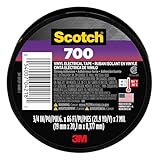
I’ve stared down more frayed wires than I care to admit. Usually, it’s in some forgotten corner of the garage, a blinking Christmas light strand, or, God forbid, the appliance that just decided to give up the ghost mid-task. The question that inevitably pops into my head, usually accompanied by a sigh and the rummaging for tools, is this: can electrical tape fix a broken wire?
It’s the go-to answer for so many quick fixes, isn’t it? Grab some black tape, wrap it around, and boom – problem solved. Or is it?
I’ve spent years tinkering, fixing, and, yes, making mistakes. Let me tell you, the reality of using electrical tape for wire repair is a bit more… nuanced. It’s not always the magic bullet everyone makes it out to be.
Is Electrical Tape Actually Good for Fixing Wires?
Let’s cut to the chase. Can electrical tape fix a broken wire? The short, blunt answer is: for a very limited time and under very specific circumstances, maybe. But if you’re looking for a permanent, safe, and reliable solution? Nope. Not even close. Think of it like putting a fancy band-aid on a severed artery. It might stop the immediate bleeding, but it’s not going to get you to the hospital, and it certainly won’t heal the wound.
The stuff itself, good quality electrical tape (and there’s a lot of garbage out there, we’ll get to that), is designed to be an insulator. It’s made of vinyl, which is a good dielectric – meaning it doesn’t conduct electricity. That’s its primary job. It’s stretchy, sticky, and can handle a decent amount of voltage and temperature, again, depending on the rating.
I remember wrestling with a frayed cord on an old power tool. The insulation was cracked, exposing copper strands. My initial thought was, ‘Electrical tape to the rescue!’
I wrapped it up, felt pretty smug, and plugged it in. It worked… for about three hours. Then I smelled ozone, saw a little flicker, and the whole thing died.
Lesson learned: insulation is one thing, structural integrity and proper connection are another.
The common advice you hear is to wrap it tightly, overlap generously, and stretch it as you go. This is supposed to create a sealed, insulated barrier. And yeah, it looks professional if you do it right. But here’s the dirty secret: that tape is only as good as the underlying wire.
If the wire is completely severed, or multiple strands are broken, tape isn’t going to magically reconnect them. It just covers up the problem. You’re basically putting a flexible plastic sleeve over a broken connection. The electricity might arc through the break, melt the tape, and start a fire.
I’ve seen it happen. Not on my own wiring, thankfully, but on a neighbor’s garden shed lights that someone had “fixed” with electrical tape. It was a small fire, but it spread fast enough to damage the whole shed.
The truth is, proper wire repair involves splicing. That means either crimping on a connector or soldering the wires together, and then sealing that connection with heat-shrink tubing or a specialized wire connector. Electrical tape might be used as a temporary cover for the sealed splice, but it’s rarely the primary repair method. The vast majority of the time, if you’re reaching for electrical tape on a wire that’s genuinely broken (meaning the copper is severed or heavily damaged), you’re delaying the inevitable and potentially making things more dangerous.
What to Actually Look for in Electrical Tape (and When to Walk Away)
Okay, so you’re in a pinch, and you’ve decided electrical tape is your only option, at least for right now. What should you even be looking for? Because let me tell you, not all electrical tape is created equal. I’ve bought rolls that felt like cheap kitchen cling film and others that felt like industrial-grade rubber. The difference is night and day.
First off, look for reputable brands. We’re talking 3M, Scotch, Klein Tools – brands that have a long history in electrical work. They might cost a dollar or two more per roll, but that’s a drop in the bucket compared to the potential cost of a fire or a fried appliance. Cheap, no-name tape is often brittle, doesn’t stick well, and its insulating properties are questionable at best. I once bought a pack of generic electrical tape for a project, thinking I was being frugal. It was awful. It wouldn’t stretch properly, leaving gaps, and the adhesive was so weak it started peeling off within a week. The wire I was trying to protect was still exposed.
Check the packaging for specs. Good electrical tape will have a voltage rating. For most household applications, you’re looking for something rated for at least 600 volts. It should also have a temperature rating. If it’s going to be in a hot engine bay or near a heat source, you need tape that can handle that. The really good stuff will also mention things like UV resistance and flame retardancy. These are not optional features if you want any semblance of safety.
Here’s the kicker, and this is where I get a bit contrarian. Most people think electrical tape is just for electrical work. (See Also: Can I Use Electrical Tape To Connect Wires )
Wrong. While its primary use is insulation for electrical splices and wire insulation, it’s often used as a temporary fix for all sorts of things.
I’ve used it to hold cracked plastic housings together, to secure loose hoses temporarily, and even to keep a bicycle grip from slipping. But when it comes to actual wire breaks, if the copper conductor is visibly broken, frayed beyond repair, or corroded, electrical tape is not the fix. It’s a cover-up.
If the insulation is just nicked or scuffed, and the copper is intact, then a good quality electrical tape can indeed act as a temporary insulator. Think of it as a localized patch, not a structural repair.
Here’s a quick rundown of what makes tape good vs. bad for this (admittedly shaky) purpose:
| Feature | Good Quality Tape | Cheap/Bad Tape | My Verdict |
|---|---|---|---|
| Adhesive | Strong, remains tacky, doesn’t dry out | Weak, dries out, leaves residue | Key for staying put |
| Flexibility | Stretches easily without tearing | Stiff, tears, doesn’t conform | Needs to mold to the wire |
| Insulation Rating | Clearly marked, 600V minimum | Vague or absent | A must for safety |
| Durability | Resists abrasion, UV, chemicals | Brittle, cracks easily | Depends on application, but better is safer |
| Brand Reputation | Known manufacturers (3M, Scotch, Klein) | Generic, unbranded | Trust the pros, avoid the gamble |
If you can’t find clear voltage and temperature ratings, or if the tape feels cheap and stiff, walk away. It’s not worth the risk.
The Real-World Use Case: When Electrical Tape might Work
Let’s be brutally honest here. The number of times I’ve seen electrical tape used to properly fix a broken wire, meaning the conductor itself was severed, is zero. Zero times. What I have seen, and what I’ve even done myself in a desperate moment, is using electrical tape to repair damaged insulation where the wire conductor is still intact.
Imagine this: you’re pulling a lamp out from behind a dresser, and the cord snags. You look down, and there’s a small nick in the plastic coating, exposing a tiny bit of the copper wire. If it’s just a superficial nick, and the copper isn’t frayed or broken, then a few good wraps of high-quality electrical tape can absolutely serve as a temporary insulator. I’ve done this on appliance cords that were just a little too short, and I needed to snake them around a corner without damaging the exposed insulation further. The key here is that the electrical continuity – the unbroken path of copper – is still there. The tape is just providing the protective outer layer.
Another scenario is when you have a slightly loose connection inside a plug or a housing. Sometimes, the wire can pull back a millimeter or two from its connection point, and the insulation isn’t quite reaching the terminal. A judicious wrap of electrical tape can sometimes be used to build up the thickness of the insulation, pushing it back into place and making sure it doesn’t touch anything it shouldn’t.
This is fiddly work, and it’s easy to mess up. I once tried this on a car headlight connector that had a bit of play. I wrapped a small bit of tape around the wire’s insulation to make it a snugger fit.
It worked, surprisingly, and lasted for about a year before the vibration eventually worked it loose again. That’s the thing with tape: it’s flexible, but it’s not rigid.
Vibration, heat, and stress will eventually degrade its hold and its integrity.
My biggest personal screw-up? I was trying to repair a frayed cord on my old electric guitar amplifier. The insulation was torn, and a few strands of copper were visible. I didn’t have any heat shrink or proper connectors handy, so I thought, “Electrical tape, baby!”
I meticulously wrapped the section, thinking I was a genius. I plugged it in, and it worked. For about an hour. Then, during a quiet moment in a song, I heard a crackle.
The tape had heated up, melted slightly, and the exposed copper wires had shorted out. The amp went dead with a puff of smoke. The tape hadn’t just failed; it had contributed to the failure by melting.
That was a hard lesson in understanding the limitations of materials. The amp ended up needing a new power cord entirely, costing me about $80 for the part and an hour of soldering. (See Also: Can Electrica Tape Catch On Fire )
The cheap electrical tape cost me maybe $2.
So, when electrical tape might work:
- Minor nicks or abrasions in the wire’s outer insulation where the conductor is still fully intact.
- As a temporary outer layer to prevent further damage to intact insulation.
- To slightly reinforce an insulation jacket that has pulled back from a terminal, making sure no stray conductors are exposed.
It’s about preserving existing insulation and preventing exposure, not about reconnecting broken wires.
Common Mistakes People Make with Electrical Tape
You see it everywhere, and it’s usually done with the best intentions, but most of the time, people are using electrical tape completely wrong when it comes to wires. It’s a recipe for disaster, and honestly, it drives me nuts. The biggest mistake, hands down, is thinking electrical tape is a permanent fix for a broken wire.
A broken wire means the copper conductor itself is severed. It’s not conducting electricity anymore. Electrical tape is an insulator, not a conductor. It can’t bridge that gap. Wrapping tape around a broken wire is like trying to fix a broken bridge by painting over the gap. It looks better for a second, but cars (or electrons, in this case) aren’t getting across.
Another huge mistake is using cheap, generic tape. I’ve already touched on this, but it bears repeating. That dollar-store roll that feels thin and brittle? It’s going to dry out, crack, lose its adhesion, and its insulating properties are probably a joke. You might as well use masking tape. Good electrical tape is designed to be flexible, stretchable, and to maintain its adhesive and insulating qualities under electrical load and environmental stress. It’s worth the extra couple of bucks.
People also often don’t use enough tape. They wrap it once or twice around the damaged area, thinking they’ve covered it. But electrical tape needs to overlap significantly. You want to build up several layers, making sure there are no gaps where moisture or contaminants can get in, or where an electrical arc can find a path. Think about wrapping it at least 50% over the previous layer, and go well beyond the damaged area on both sides. Aim for at least three to five full wraps.
Here’s a mistake I made early on: not cleaning the wire first. If the wire is dirty, greasy, or oxidized, the tape won’t adhere properly. You need a clean surface for the adhesive to grip. A quick wipe with a clean cloth, or even a little isopropyl alcohol, can make a world of difference in how long the repair lasts. Even for a temporary fix, a clean surface makes sure the tape has the best chance of sticking.
Finally, and this is important: using electrical tape in high-heat or high-vibration environments. While some good quality tapes have decent temperature ratings, they are still tape. They can soften, melt, or loosen under prolonged heat exposure. Similarly, constant vibration can work the tape loose over time, compromising the insulation. For automotive applications, engine bays, or anywhere near a heat source, you’re much better off with heat-shrink tubing, specialized automotive tape, or proper splicing methods.
So, to recap the common blunders:
- Treating tape as a permanent wire-connector.
- Buying the cheapest, off-brand tape available.
- Under-wrapping the damaged section.
- Failing to clean the wire before applying tape.
- Using tape in extreme heat or vibration.
Avoid these, and you’ll at least be using the tape for what it can do, rather than what it absolutely cannot.
The Right Way: Splicing and Proper Insulation
If your wire is genuinely broken – meaning the copper strands are severed, burnt, or heavily corroded – then electrical tape is not your friend. It’s time for proper wire repair. And the gold standard for that, in my book, is splicing. There are a few ways to do it, but they all involve reconnecting the broken copper conductors and then properly insulating the connection.
The most common and reliable method for most DIYers is using crimp connectors. These are little metal sleeves that you insert the stripped ends of your wires into, and then use a special crimping tool to mechanically squeeze the sleeve, creating a strong electrical and physical connection.
You can get butt connectors (for joining two wires end-to-end), spade connectors, ring connectors, and many others depending on the application. After crimping, you’ll typically want to insulate this connection. Your best bet here is heat-shrink tubing.
You slide a piece of the tubing over one wire before you crimp, then after crimping, you slide it over the entire splice and heat it with a heat gun or even a lighter (carefully!). The tubing shrinks down, creating a tight, insulated, and often waterproof seal. (See Also: Can I Substitute Duct Tape For Electrical Tape )
It looks professional and it’s durable.
Soldering is another method, favored by electronics enthusiasts and old-school mechanics. This involves stripping the wire ends, twisting them together (or using a jig for alignment), and then melting solder onto the joint. Solder creates a permanent electrical bond. However, it requires a soldering iron, solder, flux, and a bit of practice to get it right. A bad solder joint can be brittle and prone to failure. Like crimped connections, soldered joints need to be insulated, typically with heat-shrink tubing or sometimes a good quality rubber-based electrical tape, but only as a final overwrap.
For very low-voltage, low-amperage applications, like speaker wire or some lighting circuits, wire nuts (those plastic caps you twist onto wires) can also be a viable option for joining wires. Again, they create a mechanical connection, and their insulation is built-in. They’re quick and easy, but not suitable for high-power circuits or situations where the connection might be pulled or stressed.
Here’s a comparison of common wire repair methods:
| Method | Pros | Cons | Best For |
|---|---|---|---|
| Crimping with Connectors & Heat Shrink | Strong mechanical and electrical connection, durable, often waterproof, relatively easy to learn. | Requires specific crimping tool, connectors, and heat gun. | General household wiring, automotive, appliances. |
| Soldering | Excellent electrical conductivity, permanent bond, can be very neat. | Requires practice and skill, specialized tools (iron, solder, flux), can be brittle if done poorly, requires separate insulation. | Electronics, fine wiring, high-frequency applications. |
| Wire Nuts | Very quick and easy, inexpensive, built-in insulation. | Only for low-voltage/low-amperage, can come loose, not for high-stress environments. | Simple household branch circuits (e.g., ceiling fans, light fixtures). |
| Electrical Tape Only (as primary repair) | Cheap, readily available, quick to apply. | NOT a permanent fix, poor insulation for breaks, can melt or degrade, doesn’t secure connections, dangerous. | NEVER for broken wires. Only for minor insulation nicks as a temporary measure. |
When in doubt, or for anything important like your home’s main wiring, always consult a qualified electrician. They have the tools, knowledge, and experience to do the job safely and correctly. Trying to cut corners with tape on a vital circuit is a gamble you don’t want to take. The cost of an electrician is far less than the cost of a house fire or electrocution.
Can Electrical Tape Fix a Broken Wire? A Few Practical Tips
Alright, so we’ve established that for a genuinely broken wire, electrical tape is a terrible idea. But if you’re in a situation where you absolutely must use it for a minor insulation repair – like a small nick where the copper is still perfectly intact – here are a few practical tips to make it as effective and safe as possible. Remember, this is for damaged insulation, not severed wires. And it’s almost always temporary.
First, always use high-quality electrical tape from a reputable brand. I can’t stress this enough. Go for 3M Super 33+ or 3M Temflex 1700, or something comparable from Klein Tools or Scotch. These tapes are designed to be stretchy, conformable, and have good dielectric strength. Cheap tape will crack, lose adhesion, and likely fail much faster, potentially making the problem worse. I learned this the hard way when a roll of no-name tape I bought for $1 a roll failed spectacularly on a lawnmower cord, leaving exposed wires and a nervous moment.
Second, clean the area you’re working on. If the wire is dirty, greasy, or corroded, the tape won’t stick well. Wipe it down with a clean rag. For tougher grime, a little bit of isopropyl alcohol can work wonders. A clean surface is key for good adhesion. Don’t skip this step, even if you’re in a hurry.
Third, wrap it tight and overlap generously. As you wrap, stretch the tape slightly. This helps it conform to the wire and creates a tighter, more solid seal. Overlap each previous layer by at least half. You want to build up several layers – at least three, preferably five or more – extending well beyond the damaged area on both sides. This distributes any stress and creates a thicker insulating barrier. Imagine you’re wrapping a mummy’s arm; you don’t want any gaps.
Fourth, consider the environment. Electrical tape has temperature limitations. If the wire is in a hot engine bay or near a heat source, the tape can soften, melt, or degrade. Similarly, extreme cold can make it brittle. For these situations, dedicated automotive tape or heat-shrink tubing is a much better choice. If you must use tape, try to find one specifically rated for higher temperatures, but understand it’s still a compromise.
Fifth, and this is a big one: understand that this is almost always a temporary fix. Electrical tape is flexible and can degrade over time due to UV exposure, temperature fluctuations, and physical stress. It’s designed for insulation on splices, not for structural repair of a broken conductor. If you’ve used tape to cover a nick, plan to have it properly repaired or replaced as soon as possible. Don’t rely on it long-term, especially for anything connected to mains power or in a safety-important application.
Finally, if the wire is frayed, multiple strands are broken, or the conductor is completely severed, stop. Just stop. Electrical tape will not fix it. You need to splice, crimp, or replace the wire. Trying to tape over a broken conductor is dangerous and won’t work. Think of it this way: would you try to fix a broken bone with just a bandage? No. You need proper medical intervention. Same thing here.
My personal anecdote? I once used electrical tape to temporarily secure a loose wire connector on a trailer light. It worked for a few weeks, but then the vibrations of the road worked the tape loose, the wire shorted against the trailer frame, and I lost all my running lights halfway through a camping trip in the middle of nowhere. Had to use a flashlight and duct tape to get home. That’s when I learned duct tape is for holding things together, and electrical tape is for insulation – and even then, only under the right conditions.
Final Verdict
So, to circle back to the big question: can electrical tape fix a broken wire? The honest answer, after years of fumbling with wires and tools, is that it’s a desperate measure for a temporary situation, and even then, only for superficial damage to insulation, not for severed conductors. It’s not a repair; it’s a bandage.
If you’ve got a nick in the insulation and the wire itself is solid, good quality electrical tape applied correctly can buy you some time. But understand its limitations. If the wire is broken, frayed, or corroded, you need to splice, crimp, or replace it. Don’t gamble with fire or electrocution by relying on tape where it’s not meant to be used.
My advice? Invest in proper connectors, heat shrink, and the right tools. They aren’t that expensive, and they’ll give you a safe, reliable repair that actually lasts. Think of electrical tape as a helpful accessory for proper electrical work, not a standalone solution for broken wires.