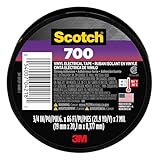
I remember staring at that leaky garden hose, a steady drip, drip, drip turning into a miniature waterfall. My toolbox was a disaster, but I knew I had a roll of electrical tape somewhere. “This has got to work,” I thought, slapping it on with more hope than skill. It held for about an hour. Then the stream started again, mocking me.
It’s a question many of us have pondered in a pinch: can electrical tape seal water? We’ve all seen it used for, well, electrical stuff, but its stretchy, sticky nature makes you wonder.
The short, blunt answer is: it depends. And usually, not for long-term, under-pressure situations.
So, Does This Stuff Actually Keep Water Out?
Let’s get this straight from the get-go: electrical tape is designed to insulate wires, not to be a submarine’s hull. Its primary job is to prevent electrical shock and short circuits. The material itself is usually vinyl, which is pretty good at resisting moisture, but the adhesive is where things get dicey for water sealing. Most standard electrical tape adhesives are rubber-based or acrylic-based, and while they stick like a champ to dry surfaces, water is a different beast entirely. It loves to seep into tiny imperfections and break that bond. Think of it like trying to stick a wet sticker to a wet surface – it’s going to slide off eventually.
I learned this the hard way with a cheap roll of tape I bought from a dollar store. I was trying to seal a small crack in a bird bath. It looked good for a day, but the constant exposure to water and sunlight just degraded the adhesive. By the second day, there was a new, tiny leak. The tape had stretched, peeled back at the edges, and the water had found its way in. It was a mess, and frankly, a waste of my time and the measly $2 I spent. That’s when I realized that not all electrical tape is created equal, and even the good stuff has its limits when it comes to water.
The stretchiness of electrical tape is a double-edged sword. It allows you to wrap it tightly around irregular shapes, conforming to the surface. This is great for sealing around wires where you have nicks or small tears.
You can stretch it, pull it taut, and get a pretty snug fit. However, that same stretchiness can work against you with water pressure. If there’s any significant force behind the water, that stretched tape might just pull away, especially at the edges where the adhesion is weakest.
It’s fine for a drip, maybe a slow trickle on a static surface, but don’t expect it to hold back a gushing pipe. I’ve seen people try to use it for temporary fixes on leaky pipes under sinks, and more often than not, they end up with a bigger puddle than they started with.
The vinyl itself offers some water resistance. It’s non-porous and can repel surface water. But the real test is how well it sticks and how long that stickiness lasts when it’s constantly being challenged by moisture. For any kind of prolonged or pressurized water exposure, you’re going to need something more solid. This tape is more of a ‘last resort’ or ‘very temporary’ fix for water issues, and even then, you’re taking a gamble.
What to Look for (if You’re Still Going to Try)
Alright, so you’re in a bind, and electrical tape is the only thing you’ve got. Before you just rip off a piece and slap it on, let’s talk about what makes some tape a slightly better bet than others for this ridiculous task. First off, brand matters. The cheap, no-name stuff you get at the dollar store or a discount grocery is usually formulated with thinner vinyl and a weaker adhesive. I’ve had rolls that felt almost brittle right out of the package, and they certainly weren’t going to stick to anything, let alone waterlogged surfaces. Stick with reputable brands like 3M, Scotch, or Gardner Bender. They’ve been around the block and generally use better quality materials.
The thickness of the tape is another factor. Thicker electrical tapes (often around 7-9 mils, sometimes labeled as heavy-duty) offer better durability and a more substantial barrier. They’re less prone to tearing when you’re stretching them, and they can provide a slightly more forgiving seal. You can usually tell the quality by how it feels in your hand – it should have a good weight and a smooth, pliable texture, not chalky or stiff. When I’m buying electrical tape, I usually go for the thicker stuff, even if it costs a dollar or two more per roll. It just feels more substantial and reliable for any application, even the ones it’s not technically designed for.
The adhesive itself is important. Some electrical tapes have a more aggressive, tackier adhesive that clings better. You can often feel this difference when you unroll the tape – it should have a nice ‘grab’ without being so sticky that it’s impossible to reposition slightly. For water applications, you want an adhesive that’s less likely to break down when wet.
High-quality tapes often use specialized compounds for their adhesive, aiming for good performance across a range of temperatures and environmental conditions. I once tried a roll of electrical tape that was advertised as ‘all-weather’. While it was overkill for insulating wires in my house, it did seem to hold up a bit better on a temporary outdoor repair I did on a leaky rain gutter. (See Also: Can I Use Electrical Tape To Connect Wires )
It didn’t last forever, but it certainly outperformed the bargain-bin tape.
Finally, consider the type of vinyl. Some electrical tapes are more flexible and elastic than others. This flexibility is what allows you to stretch the tape and conform it to curved surfaces, which is key for creating a seal. If the tape is too rigid, it will crinkle and leave gaps, which water will exploit. The best electrical tapes for this kind of makeshift repair are usually the ones that feel soft and stretchy, almost like rubber. They should be able to be pulled and stretched significantly without snapping. I’ve found that the tapes with a matte finish tend to be more flexible than those with a shiny finish, but that’s not a hard-and-fast rule.
Common Mistakes That Lead to Disaster
Okay, let’s talk about the ways people screw this up. Because, believe me, I’ve made most of them.
The biggest mistake? Thinking a single strip is enough. You wrap one layer, it looks okay, and you walk away. Nope.
For any hope of a seal, you need overlap. Think of shingles on a roof. Each layer needs to overlap the one below it by at least half its width.
With electrical tape, you need to layer it up, making sure each new strip covers at least half of the previous one, extending well beyond the damaged area on both sides. I learned this when I tried to patch a hole in a water cooler jug. I did one layer, and it leaked like a sieve.
My second attempt, with three overlapping layers, held for a couple of days before it started weeping again. Better, but still not a fix.
Another massive blunder is not cleaning and drying the surface properly. You can’t just slap tape on a grimy, wet pipe or container and expect miracles.
Grease, dirt, algae, and especially water, are the enemies of adhesion. You need to scrub the area clean with soap and water, then dry it thoroughly.
For really stubborn grime or if the surface is porous, a quick wipe-down with isopropyl alcohol can help remove residual oils and make sure a cleaner surface for the tape to stick to. I once tried to tape up a leaky bucket that had been sitting outside for months. It was covered in green slime. I just wiped off the worst of it and slapped the tape on.
Within hours, the tape had peeled off, taking a layer of gunk with it. Lesson learned: prep work is everything, even for a hack job.
Overstretching is another killer. While you need to stretch the tape to get it to conform, if you pull too hard, you’ll thin out the vinyl to the point of near transparency and weaken the adhesive. This makes it much more susceptible to tearing and failure under pressure. You want to stretch it enough to make it stick and remove air bubbles, but not so much that you’re fighting a snapping rubber band. It’s a feel thing, really. A good electrical tape will stretch smoothly; a cheap one will feel like it’s about to snap. My first few attempts at sealing a leaky showerhead connection involved way too much aggressive stretching, which made the tape brittle and useless almost immediately. (See Also: Can Electrica Tape Catch On Fire )
Finally, people underestimate the pressure. They’ll try to patch a pipe that’s under full water pressure, expecting the tape to magically hold. Electrical tape is not designed for pressure. It’s for static seals or very low-pressure situations. If you have a pipe that’s actively spraying water, electrical tape is not your friend. You need mechanical fasteners, proper sealant, or replacement parts. It’s like trying to stop a fire hose with a Band-Aid. I’ve seen folks try to use it on pinhole leaks in pressurized hoses, and the water just blasts right through the tape, often taking the tape with it. It’s a temporary band-aid at best, and often makes the situation worse by delaying a proper fix.
Real-World Use Cases (when It might Not Be a Total Disaster)
So, where can electrical tape actually be useful for water-related issues, even if it’s a temporary fix? Think low-pressure, non-important applications. A slow drip from a faucet aerator, for instance, where the water isn’t under much force.
You can wrap the tape around the threads or the base of the aerator. It might buy you a few days or weeks before you need to tighten it or replace the washer.
I’ve used it on the threaded connection of a garden hose that was weeping slightly. It wasn’t a geyser, just a slow seep. Wrapping it tightly with several layers of good quality electrical tape stopped it for about a month until I could get a new rubber washer. That felt like a win.
Another scenario is sealing a small crack or hole in something rigid that isn’t under pressure. For example, a plastic storage bin that has a tiny hairline fracture. If you can clean and dry the area thoroughly, and then apply multiple, overlapping layers of electrical tape, it might hold for a while. It’s not going to be pretty, and it’s definitely not permanent, but it could prevent water from leaking out or in for a short period.
I did this once on a cracked plastic watering can. It wasn’t holding water anymore, so I patched it from the outside with a few layers.
It worked well enough to water my plants for a few weeks until I got around to buying a new one.
You might also find it useful for temporary repairs on non-pressurized tubing, like the kind used in some aquarium setups or DIY hydroponic systems. If a section of flexible tubing has a tiny nick or a weak spot that’s just weeping water, electrical tape can sometimes create a temporary barrier. Again, the key is low pressure and thorough application. You’ll want to wrap it nice and snug, with plenty of overlap, and keep an eye on it. I’ve seen it used in a pinch to temporarily seal a small leak in a rain barrel before a storm, just to prevent most of the water from escaping. It held, but it was a nerve-wracking few days.
The trick is to think of it as a temporary patch, a way to buy yourself some time. It’s not a substitute for proper plumbing tape (like PTFE tape), waterproof sealants, or replacement parts. The actual performance of electrical tape in water sealing applications can be quite varied. A study by a materials science forum I stumbled across mentioned that while the vinyl offers good dielectric strength and water resistance, the adhesive’s integrity is the primary failure point when exposed to prolonged moisture and temperature fluctuations. It’s a common DIY hack, but it’s important to go into it with realistic expectations. You’re using the wrong tool for the job, so you’re gambling on how long it’ll hold.
A Quick Comparison Table for Your Hacking Needs
When you’re desperate, all tapes might look the same. But for this specific (and questionable) use case, here’s a rough idea of how some common tapes stack up against each other for water-related patching. Remember, none of these are ideal, but some are less bad than others.
| Tape Type | Primary Use | Water Sealing Potential (Temporary) | Opinion/Verdict |
|---|---|---|---|
| Standard Electrical Tape (Vinyl) | Insulating wires | Low to Medium | Decent stretch, but adhesive is prone to failing when wet. Good for minor drips. |
| Heavy-Duty Electrical Tape (Thicker Vinyl) | Higher voltage/more demanding electrical work | Medium | Thicker material offers better barrier, but adhesive is still the weak link. Better than standard. |
| Duct Tape | General repairs, holding things together | Medium to High | Very strong adhesive, good tack. Can repel water initially but will eventually degrade and lose adhesion when soaked. Best for quick, non-important patches. |
| Waterproof Repair Tape (Self-Fusing Silicone) | Sealing leaks, electrical insulation | Very High | Bonds to itself to create a smooth, waterproof seal. Designed for this. Expensive but effective. |
| PTFE Tape (Plumber’s Tape) | Sealing pipe threads | High (for threads only) | Specifically designed for water systems. Excellent for threaded connections but useless for patching holes. |
Here’s the deal: if you have a leak and you’ve got duct tape lying around, you might actually have better luck with that for a temporary water seal than electrical tape. Duct tape’s adhesive is generally stickier and more resilient to moisture for a short period. However, it also leaves a nasty residue when removed. For actual water sealing, the self-fusing silicone tapes are the only ones in this list that are truly designed for the job. They are pricier, but they work. Electrical tape is really a last resort, a “what-else-ya-got?” kind of solution.
When to Just Give Up and Buy the Right Thing
Look, I’m all for making do with what you have. I’ve spent hours trying to MacGyver my way out of problems with tools and materials I didn’t have. But there comes a point where you have to admit defeat and get the right tool for the job. If you’re dealing with anything more than a minor drip on a non-pressurized surface, electrical tape is probably going to fail you, and potentially make the problem worse. (See Also: Can I Substitute Duct Tape For Electrical Tape )
Think about the cost of potential water damage from a failed tape job versus the cost of a proper fix. A roll of plumber’s tape is usually under $5. A new washer for a hose is pennies.
Even a small tube of waterproof sealant can be bought for less than $10.
My buddy Dave tried to seal a leaky pipe under his kitchen sink with electrical tape. He was so proud of himself for fixing it on the cheap. About two days later, the tape gave out, and he came home to a flooded kitchen. The water damage to his cabinets and floor cost him thousands to repair. He still brings it up every time I mention DIY fixes. That was a hard lesson for him about when to bite the bullet and buy the correct materials. It’s not just about saving money; it’s about preventing bigger, more expensive problems down the line.
If the leak is in a important area – like your main water line, a gas line (don’t even think about using electrical tape for gas!), or anywhere that could cause significant structural damage or safety hazards – just stop. Don’t even try the electrical tape. Call a professional. Or, at the very least, go to the hardware store and buy the appropriate sealant, pipe patch, or replacement part. There are specialized tapes, epoxies, and compounds out there for virtually every plumbing or sealing need. Using electrical tape for these situations is not just ineffective; it’s irresponsible.
For those of you who are still determined to try the electrical tape method, my advice is to use it as a temporary measure, only when you absolutely have no other options, and only on low-risk, low-pressure situations. And even then, keep a bucket handy. You’re basically playing a game of chance. It’s better to use a product designed for the job, even if it costs a bit more upfront, than to risk a much larger repair bill later. The main takeaway here is that while electrical tape can offer a very temporary water resistance, it’s not a reliable or long-term solution for sealing water. It’s a hack, and like most hacks, it has its severe limitations.
Can Electrical Tape Be Used for Plumbing Leaks?
While you might see it used as a quick, temporary fix for minor, low-pressure drips on things like garden hoses or non-important tubing, standard electrical tape is not designed for plumbing. Its adhesive can break down when exposed to water over time, and it won’t hold up under any significant water pressure, leading to leaks and potential water damage.
Is Electrical Tape Waterproof?
The vinyl material of electrical tape itself is water-resistant, meaning it won’t readily absorb water. However, the adhesive used is often not fully waterproof and can lose its tackiness and bonding strength when submerged or constantly exposed to moisture. Therefore, the tape as a whole is not considered truly waterproof for long-term or pressurized applications.
What Is the Best Tape to Seal a Water Leak?
For reliable water leak sealing, it’s best to use products specifically designed for the task. Options include plumber’s tape (PTFE tape) for threaded pipe connections, waterproof repair tapes (like self-fusing silicone tape), epoxy putties formulated for wet surfaces, or specialized pipe repair clamps and wraps. The best choice depends on the type and location of the leak.
How Long Will Electrical Tape Last on a Water Leak?
This is highly variable and generally very short-term. For minor, non-pressurized drips, a good quality electrical tape might hold for a few days to a couple of weeks. However, under any amount of water pressure, constant moisture exposure, or temperature changes, it can fail within hours. It’s not a reliable solution for any extended period.
Can I Use Electrical Tape to Fix a Leaky Hose?
You can try it for a very temporary fix on a minor leak in a garden hose, especially if it’s a slow seep rather than a spray. Wrap multiple overlapping layers of good quality tape tightly around the damaged area. However, expect this to be a short-lived solution, as the water pressure and outdoor elements will likely cause it to fail relatively quickly. It’s best to replace hose washers or the hose itself for a proper repair.
Final Thoughts
So, to circle back, can electrical tape seal water? Yes, in a pinch, for a very short time, on very low-risk situations with minimal pressure. Think of it as a desperate measure, not a solution. I’ve certainly used it when I had absolutely nothing else, and it bought me maybe a day or two. But the disappointment when it fails is usually worse than the initial leak.
My honest advice? Don’t rely on it for anything important. If you’ve got a water leak, especially one that’s under pressure or could cause damage, go buy the right stuff. It’s usually cheap, readily available, and actually works. The frustration and potential cost of a failed electrical tape repair just isn’t worth it.
Next time you’re faced with a leak, I hope you’ll remember this, and maybe, just maybe, you’ll reach for the plumber’s tape or a proper sealant instead of that roll of electrical tape. Your pipes – and your wallet – will thank you.