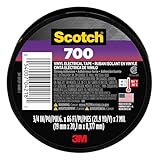
I’ve seen it. We all have. That dodgy extension cord with a patchwork of tape holding frayed wires together. It’s the kind of ‘fix’ that makes your stomach clench. The question is, can I connect electrical wires with electricians tape? Honestly, after years of messing with wires, from simple home repairs to more complex setups, my answer is a resounding and emphatic NO. It’s a dangerous shortcut that promises safety but delivers the exact opposite, and I’m going to tell you why you should steer clear.
This isn’t some corporate disclaimer; it’s hard-won experience talking. I’ve spent my fair share of cash on products that looked good on paper but failed miserably in practice. Electricians tape falls into that category when used for anything beyond its intended, very limited purpose.
Why Electricians Tape Isn’t Your Friend for Splices
Let’s get this straight right off the bat: when I talk about connecting electrical wires, I mean creating a permanent, safe, and code-compliant joint between two or more conductors. This isn’t about temporarily wrapping a wire that’s got a tiny nick in its insulation – there are nuances, sure, but for actual connections, electricians tape is a bad idea.
It’s designed for insulation, not for making a solid mechanical and electrical connection that can withstand vibration, temperature changes, and time. Think of it like using a band-aid to hold a broken bone together; it might cover it up, but it’s not doing the real job.
The sticky stuff on electrical tape isn’t designed to be a conductor and it degrades over time, becoming brittle and losing its adhesion. This leaves your wires exposed and vulnerable to shorts and other electrical hazards.
I learned this the hard way on a small outdoor lighting project where a cheap imitation of electrical tape, purchased from a discount store, started to peel away after just a few months, exposing the wire underneath to the elements. It was a real wake-up call, and I ended up redoing the entire section properly, spending more time and money than if I’d done it right the first time.
The primary function of electrical tape is to provide a layer of insulation over a wire or a splice that has already been secured by proper means. It’s a secondary protective layer, not a primary joining material. It’s made of vinyl, which is a good insulator, but the adhesive isn’t meant to hold wires together under load or stress.
When you’re dealing with current, especially AC current that fluctuates, a flimsy tape job can easily come undone. I’ve seen DIYers try to use it to connect wires in a light fixture or a thermostat. It looks ‘fixed,’ but it’s a ticking time bomb. The heat generated by the current can melt the adhesive, and any slight tugging or movement can expose the bare metal, leading to arc faults or even fires.
It’s a common misconception, likely born from seeing it used for quick fixes on non-important low-voltage applications, that it’s a universal solution for wire joining. It is not.
The Right Way to Make a Wire Connection
So, if electricians tape is a no-go for splices, what’s the proper way to connect electrical wires? This is where things get a bit more technical, but it’s important for safety. The gold standard, and what most codes require, involves using connectors specifically designed for the task.
For most household wiring, this means wire nuts, also known as connectors. These little plastic caps have a metal spring or screw inside that grips the wires securely and creates an electrical connection. (See Also: Can I Use Electrical Tape To Connect Wires )
You simply twist the wires together with a slight overlap, then screw the wire nut over the twisted ends until it’s snug. Make sure the wire nut is the correct size for the number and gauge of wires you’re joining. Too small, and it won’t fit; too big, and it won’t provide a secure grip. I’ve personally found that using a wire stripper to give the ends of the wires a clean, even twist before capping them makes for a much more reliable connection.
It’s a simple step, but it makes a difference.
Beyond wire nuts, there are other methods depending on the application. For higher current situations or where a very solid connection is needed, crimp connectors are often used. These are metal sleeves that you slide over the twisted wire ends and then use a special crimping tool to mechanically deform the sleeve, creating a very strong and electrically sound connection.
Once crimped, these are usually insulated with heat shrink tubing for protection. For permanent installations in junction boxes, lever connectors (like Wago connectors) have become incredibly popular. They’re fast, easy to use, and provide a very secure connection with a simple flick of a lever. You strip the wire, insert it into the designated opening, and flip the lever down to lock it in place.
They’re a bit pricier than wire nuts, but the time saved and the reliability are often worth the extra cost, especially when you’re dealing with a lot of connections or working in tight spaces. I used a set of Wago connectors on my latest home theater wiring project, and the ease of use was fantastic.
No more fumbling with wire nuts in awkward ceiling cavities.
When Is Electricians Tape Actually Okay?
Before we move on, let’s clarify where electricians tape does have a legitimate role. It’s not completely useless. Its primary job is to provide insulation over existing, properly made connections or to temporarily secure wires that aren’t carrying any significant current and aren’t exposed to physical stress. For example, if you have a perfectly good wire nutted splice, you might wrap a layer of electrical tape over the wire nut and the base of the wires.
This adds an extra layer of protection against dust, moisture, or accidental dislodging. It’s like putting a cap on a cap, but it can be beneficial in certain environments, especially damp or dusty ones.
I’ve seen it done in industrial settings where vibration is a constant issue, and it helps keep the wire nuts from vibrating loose. However, it’s always a secondary measure.
Another common, and acceptable, use is for bundling loose wires together. If you have a spaghetti mess of cables behind your entertainment center, you can use electrical tape to keep them organized and neat. This isn’t about making a connection; it’s about tidiness and preventing them from tangling. Just be sure that the tape isn’t the only thing holding the wires. They should already be properly terminated or plugged in. The key here is that the tape is not bearing any electrical load or mechanical strain. If the tape fails in these situations, it’s unlikely to cause a shock or fire, though it might make a mess. (See Also: Can Electrica Tape Catch On Fire )
The Dangers of Faux Connections
The temptation to use electricians tape as a quick fix for wire connections stems from a misunderstanding of its purpose and a desire for speed. It’s cheap, readily available, and easy to apply. But this ease of use is deceptive. When you use it to join wires, you’re creating a connection that is mechanically weak and electrically unreliable. The adhesive can dry out, crack, and lose its stickiness, especially when exposed to heat or UV radiation. This leads to the tape peeling away, exposing the conductors. Once those bare wires are exposed, a whole host of dangers arise.
First and foremost is the risk of electric shock. If you touch an exposed live wire, you can receive a significant jolt, which can range from painful to fatal depending on the voltage and your physical condition. Second, there’s the risk of short circuits.
If two exposed wires of different polarities (hot and neutral, or hot and ground) touch, it creates a low-resistance path for the electricity to flow. This can cause sparks, melting of insulation, and potentially ignite nearby flammable materials, leading to a fire. I remember a friend’s story about a Christmas light string that had been ‘repaired’ with electrical tape.
A squirrel chewed through the tape, exposing the wires, and the string shorted out, setting a small branch on fire right next to their house. Luckily, they noticed the smoke quickly, but it was a stark reminder of how quickly things can go wrong.
Beyond immediate dangers, these shoddy connections can lead to intermittent problems that are incredibly difficult to troubleshoot. Lights might flicker, appliances might not work consistently, or circuits might trip randomly. All of this points to a bad connection, and if you’ve used tape, it’s the likely culprit. This is why electrical codes exist – they’re based on decades of experience and tragedies, outlining safe and reliable methods for electrical work. Ignoring these codes by using inappropriate materials like electricians tape for splices is not just cutting corners; it’s actively courting disaster.
A Comparison: What You Should Use Instead
To drive home the point, let’s look at some common and reliable methods for connecting wires compared to the dubious practice of using electricians tape for splices. This table lays out why the alternatives are superior and why tape just doesn’t cut it for joining wires.
| Method | Pros | Cons | Verdict (for connecting wires) |
|---|---|---|---|
| Electricians Tape (for splices) | Cheap, readily available, flexible. | Mechanically weak, adhesive degrades, poor insulation under stress, not code-compliant for splices, unreliable. | Avoid at all costs. Only for secondary insulation over proper splices. |
| Wire Nuts (Connectors) | Inexpensive, easy to use, provides good mechanical and electrical connection, widely accepted. | Can loosen if not installed properly, may not be ideal for very high vibration environments. | Excellent for most common household wiring. Reliable and code-compliant. |
| Crimp Connectors | Very strong mechanical and electrical connection, excellent for high vibration or heavy-duty applications. | Requires a specific crimping tool, can be bulkier than wire nuts. | Great for demanding situations. Offers superior durability. |
| Lever Connectors (e.g., Wago) | Extremely fast and easy to use, secure connection, reusable, good for various wire types and sizes. | More expensive than wire nuts, can be bulkier in some configurations. | A top-tier choice for speed and reliability. Highly recommended for most DIY and professional jobs. |
As you can see, electricians tape doesn’t even register as a viable option for making an actual connection. It’s built for a different purpose entirely. Using it for splicing wires is akin to trying to hammer a nail with a screwdriver – it’s the wrong tool for the job, and you’re likely to cause more problems than you solve.
People Also Ask: Tackling Common Concerns
Can You Insulate Wires with Electricians Tape?
Yes, you can use electricians tape for insulation, but only over a properly made connection or splice. It’s designed to provide a protective outer layer to prevent accidental contact with the conductors. It’s not meant to be the sole means of insulation for a bare wire or a questionable connection. Think of it as a second skin for wires that are already safely joined.
Is Electrical Tape Waterproof?
Most electrical tapes offer some resistance to moisture, but they are not truly waterproof. Prolonged exposure to water, especially under pressure or in submerged conditions, can degrade the adhesive and the tape itself, compromising its insulating properties. For wet environments, specialized waterproof tapes or sealants are a much better choice.
How Many Layers of Electricians Tape Should I Use for Insulation?
For standard applications, one to two layers of electrical tape wrapped with a 50% overlap is typically sufficient for adding secondary insulation over a proper splice. The key is to make sure there are no gaps and that the tape is applied smoothly and securely. If you’re using it to bundle wires for neatness, the number of layers depends on how much bulk you want to create. (See Also: Can I Substitute Duct Tape For Electrical Tape )
What Is the Difference Between Electrical Tape and Duct Tape?
The difference is significant. Electrical tape is made of vinyl and designed to be a flexible insulator with a specific type of adhesive that remains somewhat pliable and doesn’t dry out as quickly as other tapes. Duct tape, on the other hand, is made of fabric coated with a strong adhesive, designed for general repairs and adhesion. Duct tape is not an electrical insulator and its adhesive can become brittle and conductive when exposed to heat or age, making it extremely dangerous to use on wires.
Can I Use Electricians Tape to Fix a Frayed Wire?
For a frayed wire that is not carrying power, you might use electricians tape to temporarily hold the strands together and prevent further damage while you prepare to make a proper repair. However, if the wire is frayed because of damage that has compromised the insulation, you must make a proper splice using appropriate connectors. Simply wrapping tape around a frayed wire is not a permanent or safe solution and leaves you vulnerable to shock and fire hazards.
The Low-Voltage Exception (and Why It’s Still Risky)
I want to touch on a common scenario where people think electricians tape might be okay: low-voltage wiring. Think doorbell wires, thermostat wires, or certain landscape lighting. These operate at much lower voltages and currents than your household mains. Because of this, the risk of a severe electric shock is significantly reduced. However, this does NOT make it safe to use electricians tape for connecting these wires.
The problems of mechanical weakness and adhesive degradation still apply. A loose connection in a thermostat wire can cause your HVAC system to malfunction, leading to expensive repairs or an uncomfortable home. A loose connection in a doorbell can mean it just stops working. In landscape lighting, especially outdoor applications, moisture ingress is a huge issue, and a poorly taped connection will fail quickly, leaving you with dead lights or, worse, a short that could trip your transformer or even become a hazard if water gets involved.
I once had a neighbor who insisted on using electrical tape for his sprinkler system’s low-voltage control wires. They were buried shallowly.
Every time it rained or he irrigated, the tape would get soaked, degrade, and the whole system would go haywire. It was a constant battle of re-taping until he finally got proper waterproof connectors. The principle remains the same: the tape isn’t designed for making the actual electrical connection.
Even for data cables or network wiring, where the voltages are minuscule, using electrical tape to join wires is a recipe for unreliable data transmission. The subtle impedance changes caused by a poor connection, or the resistance added by degraded adhesive, can wreak havoc on signal integrity. For these applications, specific connectors and techniques are designed for optimal performance. So, even if the immediate danger of electrocution is low, the risk of system failure, malfunction, and the eventual need for a proper repair remains high. It’s a false economy, plain and simple.
Final Verdict
So, to circle back to that burning question: can I connect electrical wires with electricians tape? The answer remains a firm no. It’s a tool for insulation, not for making connections. Relying on it for splicing wires is a gamble with your safety and your property. The few dollars you might save on proper connectors are insignificant compared to the potential cost of an electrical fire or injury.
If you find yourself with exposed wires or needing to join conductors, do yourself a favor and grab the right stuff. Wire nuts, crimp connectors, or lever connectors – whatever is appropriate for the job – are your best bet. They’re designed for this purpose, they’re code-compliant, and most importantly, they’re safe.
Don’t let a quick fix turn into a long-term problem. When in doubt, always consult a qualified electrician. Seriously, it’s not worth the risk to attempt to connect electrical wires with electricians tape.