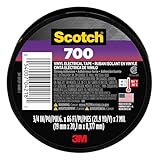
I remember a job years ago, trying to patch up some dodgy wiring in an old shed. The guy who owned it swore by this industrial-strength electrical tape he’d picked up. Said it was ‘heat-proof’. A week later, I went back to check on something else, and the whole mess looked like a melted candle. Goopy, drippy, and frankly, a fire hazard. So, can electric tape melt? The short answer is, yes, absolutely. Anyone telling you otherwise is either selling you snake oil or hasn’t pushed their gear past the lukewarm setting.
It’s a question that comes up when you’re dealing with anything that gets hot, from car engine bays to that overloaded extension cord you’ve been meaning to sort out. Understanding the limits of your electrical tape is pretty damn important for safety and for getting the job done right the first time.
So, Can Electric Tape Melt? Let’s Talk Science (the Easy Version)
Alright, let’s get down to brass tacks. Can electric tape melt? Yes. The real question is under what conditions and how much? Electrical tape isn’t some magical, indestructible material. It’s typically made of vinyl (polyvinyl chloride, or PVC) with a rubber-based adhesive. Think of it like the plastic on your charging cable – it’s designed to insulate, but it has its limits when it comes to heat.
Most standard electrical tapes are rated for temperatures up to around 176°F (80°C). That might sound pretty hot, but consider what happens in places like an engine bay, near a heat lamp, or even just in direct sunlight on a scorching summer day. Temperatures in those environments can easily climb higher. When you exceed that rating, the PVC starts to soften and degrade.
The adhesive can lose its stickiness, and the whole thing can start to sag, stretch, and eventually, melt into a sticky mess. I once saw a splice done with cheap tape in a car’s engine compartment just completely disintegrate after a few months. It dripped onto the exhaust manifold – not a good look, and a real fire risk.
The quality of the tape really matters here. The cheap stuff, the kind you grab from the bargain bin at the hardware store, is far more likely to give up the ghost when things get warm. Higher-quality tapes, often labeled as ‘high temperature’ or rated for specific industrial uses, will have a higher melt point and better resistance to UV and chemical breakdown. They might cost a bit more, but they’re less likely to turn into a gooey failure when you actually need them to hold.
When Does It Become a Problem? Real-World Scenarios
I’ve seen firsthand what happens when electrical tape gets too hot. It’s not pretty. One of the most common places I’ve encountered this issue is in automotive applications.
Think about the wiring harnesses under the hood of a car. They’re crammed in, often near the engine block or exhaust system, and they bake in the sun. Standard electrical tape just isn’t built for that kind of sustained heat. I had a customer once who’d had a aftermarket trailer brake controller installed.
The installer used standard black electrical tape to insulate some of the connections. A few months later, they were having intermittent brake light issues. Turns out, the tape had melted, exposing the wires, which then shorted out and fried the controller module. (See Also: Can I Use Electrical Tape To Connect Wires )
That’s a few hundred bucks down the drain, not to mention the frustration.
Another place to be wary is in situations involving heat-generating equipment. If you’re doing any kind of repair or modification around a furnace, an old-school incandescent light fixture (the ones that get really hot), or even some power tools, you need tape that can handle the heat. I learned this the hard way when I was trying to repair a broken cord on a soldering iron.
I used a good quality vinyl tape, but I didn’t think about how close the repair was to the heating element. The first time I fired it up, the tape softened and started to ooze. Luckily, it didn’t cause a short, but it made a sticky mess and I had to redo it with proper high-temperature tape. That was a lesson learned for about $5 worth of tape and 30 minutes of re-doing work.
You’ll also see issues with tape degrading in direct sunlight over time. UV rays are harsh. They break down the plasticizers in the PVC, making the tape brittle and eventually causing it to crack and peel. This is why you see old, faded electrical tape on outdoor fixtures or exposed wiring looking like it’s about to fall off. It’s not just the heat; it’s the combination of sun and heat that really does a number on it.
What to Look for: Beyond the ‘electrical’ Label
So, you’re at the store, staring at a wall of tape. They all say ‘electrical tape’. How do you know which one won’t turn into a sticky puddle when things get warm? The label is your friend, but you’ve got to know what you’re looking for. Forget the fancy colors for now; focus on the specs. The most important spec is the temperature rating. Most standard vinyl electrical tapes are good for about 176°F (80°C). If your application is going to get hotter than that, you need to step up.
Look for tapes that explicitly state a higher temperature rating. You’ll often see tapes rated for 220°F (105°C) or even higher. These are usually better quality vinyl tapes or might be made of different materials like rubber or silicone for more extreme applications. Another thing to check is the voltage rating. While this doesn’t directly relate to melting, a higher voltage rating generally indicates a more solid and thicker insulation, which can sometimes correlate with better heat resistance. Don’t just grab the cheapest roll; the few extra bucks for a reputable brand with clear specs is usually worth it.
Here’s a quick breakdown of what I look for:
| Tape Type/Feature | Pros | Cons | My Verdict |
|---|---|---|---|
| Standard Vinyl Electrical Tape | Cheap, readily available, good for general low-voltage insulation. | Low temperature rating (~176°F/80°C), degrades in UV. Melts easily. | Only for cool, dry, indoor, low-voltage jobs. |
| High-Temperature Vinyl Tape | Higher temp rating (~220°F/105°C+), better UV resistance. | More expensive than standard. | Good for engine bays, warmer indoor applications. Worth the upgrade. |
| Rubber Splicing Tape | Excellent stretch and conformability, good for irregular shapes, high dielectric strength. | Can be a bit fiddly to apply, may require over-wrapping with vinyl tape. Can get tacky over time if not sealed. | Ideal for sealing splices, especially in damp environments. Not always pretty. |
| Silicone Tape | Extremely high temperature rating (often 350°F/175°C+), self-fusing properties. | Very expensive, can be overkill for most jobs. May require over-wrapping for UV protection. | For important, high-heat applications where failure is not an option. Very specialized. |
When I’m doing anything remotely close to an engine, or in a hot attic, or anywhere the temperature is going to push past a warm summer day, I reach for what’s often labeled as ‘high-temperature’ vinyl tape. It’s usually a bit thicker and feels more solid. For truly important splices that need to withstand abuse, sometimes a self-fusing silicone tape is the way to go, but that’s a different beast altogether and usually not what people mean when they ask about regular electrical tape. (See Also: Can Electrica Tape Catch On Fire )
Common Mistakes People Make (and How to Avoid Them)
The biggest mistake, hands down, is using the wrong tape for the job. People see ‘electrical tape’ and assume it’s a one-size-fits-all solution. It’s not. I’ve seen folks use cheap electrical tape to insulate wires on a space heater’s power cord.
That’s a recipe for disaster. The heat generated by the heater and the cord itself will quickly cause that tape to soften, sag, and potentially melt, leading to shorts or even a fire.
It’s cheap, it’s quick, and it’s the wrong tool for the job. I once saw a DIY-er try to “fix” a frayed cord on a toaster oven using regular electrical tape. The heat from the toaster element melted the tape almost immediately, leaving a sticky, dangerous mess that smelled awful and looked like it was about to catch fire.
Another common error is not preparing the surface properly before applying the tape. Wires should be clean and dry. If there’s oil, grease, or moisture on the wires, the adhesive won’t bond well. This weak bond can allow the tape to creep or slip, exposing the wires, especially under heat or tension. Think of trying to stick a label on a greasy jar – it just doesn’t hold. Always clean your wires with a degreaser or isopropyl alcohol and let them dry completely before you start taping.
Overstretching the tape is another pitfall. When you apply electrical tape, you want it to be snug, but not so tight that you’re visibly stretching the material. Overstretching can thin out the tape, making it weaker and more prone to tearing or melting under stress. It also makes the adhesive less effective. The goal is to create a smooth, continuous layer of insulation, not to see how far you can stretch that strip of vinyl. For important applications, I usually overlap by about half the width of the tape with each turn to make sure full coverage and a good seal.
Finally, people often underestimate how hot things can get. They might think, ‘It’s just a little warm.’ But heat builds up. Wires carrying current generate heat. Components generate heat. Ambient temperature adds to it. What feels just ‘warm’ to the touch can be significantly hotter right at the source, especially inside a confined space like a junction box or an engine bay. Always err on the side of caution and choose a tape with a higher temperature rating than you think you’ll need.
DIY vs. Pro: When Does It Matter?
For most simple DIY tasks around the house – like fixing a frayed cord on a lamp that stays cool, or tidying up a bundle of low-voltage speaker wires – standard electrical tape is perfectly fine. You can buy a decent roll for a few bucks, and it’ll do the job. The risk of it melting is minimal because the operating temperatures are low. I’ve got a roll of basic black tape in my toolbox that’s probably been there for five years, and it’s great for marking tools or securing a loose garden hose temporarily.
However, when you start getting into anything involving higher voltages, more current, or proximity to heat sources, the stakes get higher, and so does the need for better tape. This is where the DIYer often cuts corners to save a few dollars, and that’s precisely when you see problems. For example, if you’re working on your car and need to re-wrap a section of the wiring harness near the engine, using cheap tape is a gamble. The heat under the hood can easily reach 200°F (93°C) or more, which is right around the limit for standard tape. (See Also: Can I Substitute Duct Tape For Electrical Tape )
A failure there could lead to anything from an intermittent electrical gremlin to a complete breakdown, or worse, a fire. In these situations, spending an extra $5-$10 on high-temperature rated tape is a no-brainer.
I learned this with my own car after a repair near the exhaust manifold failed due to heat, costing me more in the long run to fix the electrical issues it caused.
Even for professionals, the choice of tape is important. A good electrician or mechanic knows that using the right materials saves time and callbacks. They’ll have a variety of tapes for different jobs. For splicing mains voltage cables, they might use self-fusing silicone tape or specialized rubber tapes that are then over-wrapped. For general-purpose wrapping in a warm environment, they’ll use high-temp vinyl. It’s about reliability and safety. If you’re unsure, it’s always better to over-spec your tape than to under-spec it. Better safe than sorry, especially when ‘sorry’ could mean a melted mess, a fire, or a costly repair bill.
Faq: Common Questions About Electrical Tape and Heat
Will Regular Electrical Tape Melt in the Sun?
Yes, prolonged exposure to direct sunlight, especially on a hot day, can cause standard electrical tape to soften and degrade. The UV rays break down the plasticizers, making it brittle and prone to melting or cracking over time. If it’s going to be exposed to the sun, opt for a UV-resistant or high-temperature tape.
What Temperature Can Electrical Tape Withstand?
Most standard vinyl electrical tapes are rated for temperatures up to around 176°F (80°C). Higher quality tapes, often labeled as high-temperature tapes, can withstand significantly more, typically 220°F (105°C) or higher. Rubber splicing tapes and silicone tapes can handle even greater temperatures.
What Happens If Electrical Tape Gets Too Hot?
When electrical tape exceeds its temperature rating, it will begin to soften, lose its adhesive properties, and can start to sag or melt. This compromised insulation can lead to electrical shorts, exposed wires, and in severe cases, a fire hazard. The melted tape can also become a sticky, difficult-to-remove mess.
Is There Electrical Tape That Doesn’t Melt?
While no tape is completely impervious to extreme heat, there are specialized electrical tapes designed to withstand very high temperatures. Silicone splicing tapes, for example, can often handle temperatures well over 350°F (175°C). However, for most common applications, high-temperature vinyl tapes (rated for 220°F/105°C or higher) are usually sufficient and more practical.
Conclusion
So, to put it plainly: can electric tape melt? Yes, and it absolutely will if you push it beyond its limits. I’ve seen too many jobs go sideways because someone grabbed the cheapest roll or didn’t consider the heat. It’s not worth the risk, or the hassle of redoing the work later.
Always check the temperature rating, especially if you’re working in a car, near a heat source, or anywhere that gets direct sun. There are plenty of good, affordable high-temperature tapes out there that will save you a headache. Don’t be that person who ends up with a melted, sticky mess and a whole new electrical problem.
Next time you’re reaching for that roll, take a second to think about where it’s going and how hot it might get. Your future self, and your electrical system, will thank you.