I’ve stared at those dangling outlet covers more times than I care to admit. You know, the ones that look like they’re about to stage a daring escape from the wall? And my brain, in its infinite wisdom, has whispered, “Just slap some electrical tape on it, nobody will know.” But can I cover an outlet with electrical tape? That’s the million-dollar question, and the answer is usually a resounding “hell no,” but with a few extremely specific exceptions.
We’ve all been there, trying to do a quick fix with whatever’s lying around. I once tried to jury-rig a broken lamp with duct tape. It looked terrible, and frankly, it was a fire hazard waiting to happen. This outlet situation feels similar – a tempting shortcut that might just bite you.
So, let’s get down to brass tacks. Forget the fancy jargon. We’re talking about actual, practical use here, and whether this common household item is a suitable, albeit temporary, solution for covering up an outlet. The truth is often messier than the online tutorials make it seem.
Why You’re Probably Asking This (and Why It’s a Bad Idea)
Let’s be real. You’re asking if you can cover an outlet with electrical tape because something’s broken, missing, or you’re trying to do a quick, cheap, and dirty fix before guests arrive. Maybe the little plastic cover popped off, and you just want it to look less… naked. Or perhaps you’ve got a baby crawling around and a spare outlet you want to temporarily block. Whatever the reason, you’re looking for a quick solution, and electrical tape is usually the closest thing to hand that seems like it might stick.
Here’s the blunt truth: For any outlet that is still wired and could potentially receive power, covering it with electrical tape is generally a terrible idea. Electrical tape is designed to insulate wires, not to physically block access to an opening that could expose live electrical components. Think about it. If you can peel it off with your fingernail, how secure is it against a curious toddler or a stray pet’s nose? Not very.
I once lived in an old apartment where the landlord was notoriously slow to fix things. One of the outlet covers in the living room had broken off, leaving a gaping hole.
My initial thought was, “Electrical tape it is!” I slapped a few layers on, feeling pretty proud of my quick fix. A week later, during a particularly humid day, the tape started to peel at the edges. Then, a friend’s cat, notorious for its curiosity, decided to investigate. Thankfully, nothing happened, but it was a stark reminder of how flimsy that solution was.
It looked bad, felt insecure, and frankly, was an invitation for trouble. That incident taught me a valuable lesson: sometimes, the cheapest and quickest fix is the most dangerous.
The common advice is to use proper childproofing covers or to replace the outlet plate entirely. And they’re right. Electrical tape, while sticky, isn’t designed for structural integrity or tamper-proofing. Its primary job is to prevent electrical shock by covering exposed wires after a connection has been made. It’s a protective layer for wires, not a substitute for a physical barrier on an entire outlet opening.
Another common reason people consider this is when an outlet is completely dead and they just want to seal it up. This is where things get slightly less terrifying, but still not ideal. Even a dead outlet can sometimes be a conduit for drafts or pests. But even in this scenario, electrical tape isn’t the best material for the job. It degrades over time, especially when exposed to UV light or temperature fluctuations, and the adhesive can become brittle or gummy.
So, while the immediate impulse might be to reach for that roll of black tape, it’s worth pausing and understanding the risks involved. We’re talking about your safety and potentially your home’s safety here. Let’s dig into why this is the case and what you should be doing instead.
The Actual Purpose of Electrical Tape (and Why It Doesn’t Apply Here)
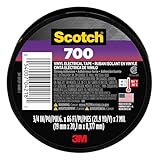
Electrical tape, or insulating tape, is a specific type of tape designed for use in electrical applications. Its primary function is to provide insulation and protection for electrical wiring. When you splice wires together, you need to cover those exposed metal conductors to prevent them from touching other conductors, which could cause a short circuit, a fire, or an electric shock. That’s where electrical tape shines.
It’s made from vinyl, which is a plastic that has good dielectric strength – meaning it resists the flow of electricity. It’s also stretchy, which allows it to conform to irregular shapes and create a tight, secure seal around wires. The adhesive is formulated to be non-conductive and to maintain its grip over time, even with temperature changes. So, when you wrap electrical tape around a newly joined wire nut and wires, you’re creating a safe, insulated connection.
Now, let’s contrast that with covering an entire outlet. An outlet, even when not in use, is a physical opening in your wall. It has slots designed to accept prongs. If the outlet is live, those slots are connected to electrical current. Electrical tape, while insulating, is not a physical barrier strong enough to prevent someone from poking something into those slots. It’s thin, and it can be punctured or peeled away relatively easily. It offers no real protection against accidental contact with live parts.
Think about the difference between wrapping a single exposed wire versus trying to seal off a whole socket. It’s like trying to fix a leaky pipe by wrapping it with a band-aid. The band-aid is designed for small cuts, not for containing pressurized water. Electrical tape is designed for insulating conductor ends, not for sealing off an entire electrical receptacle. (See Also: Can I Use Electrical Tape To Connect Wires )
I remember a time, years ago, when I was helping a buddy rewire his shed. We had a few spare outlets that weren’t going to be used immediately, and the plastic faceplates were all dirty and scratched up. We had a big roll of electrical tape, and one of us – I won’t name names, but he’s still the guy who loses his keys daily – suggested we just tape over the openings to keep dust out. It seemed like a good idea at the time.
We used thick layers, thinking more was better. Fast forward a few months, and the tape had started to get brittle. Sunlight had gotten to it through a small window, and it looked like a mess.
When we finally went to install actual faceplates, the tape was gummy and left a sticky residue that was a pain to remove. More importantly, if that shed had been in a more accessible part of the property, or if I had kids who might have wandered in, that “solution” would have been a genuine hazard.
The core issue is that electrical tape isn’t designed to be a physical barrier for an entire outlet opening, especially one that might still be live. Its properties are all about insulation for individual conductors, not about creating a solid, impenetrable seal for a larger fixture.
The Real Dangers: What Happens If You do Cover an Outlet?
So, you’re thinking, “Okay, it’s not ideal, but what’s the worst that can happen?” Let me tell you, the “worst” can be pretty damn bad. When you cover an outlet with electrical tape, you’re basically creating a false sense of security while potentially introducing several hazards.
First and foremost is the risk of shock. If the outlet is still live – and you can’t always be 100% sure, especially in older homes or after DIY electrical work – then the slots of the outlet are carrying current. Electrical tape is insulating, yes, but it’s not designed to prevent someone from poking something conductive, like a metal screwdriver or even a wet finger, through it and making contact with the live parts. Toddlers are particularly notorious for exploring with their fingers. This is a direct path to electrocution, which can cause severe burns, cardiac arrest, and death.
Then there’s the fire hazard. Over time, especially if the tape isn’t applied perfectly or if it’s exposed to heat or UV light, it can degrade.
The adhesive can become gummy, and the vinyl itself can become brittle. This can lead to the tape peeling away, exposing the outlet again. Worse, if the tape is applied over an outlet that’s drawing a small amount of current (even if it’s not actively powering anything), or if there’s a loose connection within the outlet box, the tape itself could potentially overheat.
Electrical tape has a flammability rating, and while it’s designed to resist flame propagation to some degree, it’s not fireproof. A degraded or overheated piece of tape near an electrical source is a recipe for disaster.
I learned this the hard way when I was renting a small workshop space. The previous tenant had covered a couple of unused outlets with electrical tape. I didn’t think much of it until one hot summer day when I smelled something burning.
I traced it back to one of the taped-over outlets. The tape had discolored and was bubbling slightly. It turned out there was a faulty wire connection behind that outlet, and the tape, while initially insulating, had trapped enough heat to start degrading. If I hadn’t noticed it, who knows what could have happened.
It was a terrifying wake-up call about how even a seemingly innocuous fix can hide serious danger. The tape gave me a false sense of security, masking a problem that was actively brewing.
Another issue is that electrical tape isn’t designed to be a long-term solution. It’s meant for temporary insulation on wires. The adhesive can dry out, crack, or become sticky and difficult to remove, leaving a residue. This makes future repairs or proper installations more of a hassle. Think of it as a temporary bandage – useful for a short time, but you wouldn’t wear a band-aid as a permanent piece of clothing.
Finally, consider pests and drafts. While tape might seem to seal an opening, it’s rarely a perfect seal. Pests like insects can often find their way through tiny gaps, and drafts can still come through. So, while you might be trying to block something, you might not even be doing a good job of it. (See Also: Can Electrica Tape Catch On Fire )
When might It Be Okay (and What to Look For)
Okay, so we’ve established that for a live, functional outlet, covering it with electrical tape is a big no-no. But are there any situations where it’s even remotely acceptable? The answer is a highly conditional “yes,” and even then, with significant caveats. These are the rare exceptions, not the rule.
The only time you might consider using electrical tape is on an outlet that you are absolutely, positively, 100% certain is dead and disconnected from power at the breaker box. Even then, it’s not for sealing the opening itself, but more for covering the decorative faceplate if it’s damaged or missing and you need a temporary aesthetic fix. For example, if you’re selling your house and a faceplate is missing, and you can’t get a replacement immediately, you might tape over the entire faceplate area (not just the outlet slots) with several layers of tape to make it look presentable. This is purely cosmetic and temporary. You’re not trying to block access to live parts; you’re just trying to make a damaged area look less obvious for a few days.
What to look for if you’re in this very specific scenario:
- Certainty of Power: Double and triple-check that the breaker is off. Use a non-contact voltage tester on the outlet itself to confirm there’s no power.
- Covers the Entire Faceplate Area: The tape should cover the entire decorative faceplate area, not just the outlet slots. This prevents anything from being poked into the actual receptacle.
- Multiple Layers: Apply several thick layers of high-quality electrical tape, making sure good overlap and a smooth surface.
- Temporary Only: This is not a permanent solution. It’s for a few days, maximum, until you can get a proper faceplate.
- High-Quality Tape: Don’t use old, dried-out tape. Use fresh tape from a reputable brand like 3M or Scotch.
I had a situation once where a decorative faceplate had cracked right before an open house. I didn’t have a replacement and couldn’t run to the store.
The outlet was in a low-traffic area, and I knew the breaker was off for that circuit because I’d been doing some work. I took a piece of good quality electrical tape, folded it over the cracked section of the faceplate, and smoothed it down. It wasn’t pretty, but it looked way better than the shattered plastic. It lasted the two days until the open house, and I replaced it with a new faceplate immediately after.
That was one of those rare instances where it felt justifiable, but it was still a compromise born out of necessity, not a good practice.
If you have a genuinely unused outlet that you want to permanently seal off for safety, the correct method is to remove the outlet entirely, cap off the wires individually with wire nuts, and then install a blank wall plate. This is a proper electrical fix, not a tape job.
DIY Solutions vs. Proper Fixes
This whole discussion boils down to a simple choice: the quick-and-dirty DIY fix or the proper, safe repair. And honestly, when it comes to electricity, you should always lean towards the latter, even if it costs a little more time or money upfront. My personal experience has taught me that cutting corners with electrical work is a gamble with stakes that are far too high.
Let’s look at the options:
Electrical Tape as a Cover:
| Pros | Cons | Verdict |
|---|---|---|
| Cheap (if you already have it) | Extremely unsafe for live outlets. | Avoid at all costs for live outlets. |
| Quick (to apply) | Not a physical barrier. | Temporary cosmetic use ONLY on confirmed dead outlets. |
| Slightly better than nothing for a very temporary cosmetic fix on a dead outlet. | Degrades over time, can leave residue. |
Proper Childproofing Covers:
| Pros | Cons | Verdict |
|---|---|---|
| Designed specifically to prevent children from inserting objects. | Can be a nuisance for adults needing to use the outlet. | Excellent for safety, especially with kids. |
| Relatively inexpensive ($5-$15 for a pack). | Can sometimes be pulled out by very determined toddlers. | Recommended if you have young children. |
| Easy to install and remove. | Can be bulky. |
Replacing the Outlet Faceplate:
| Pros | Cons | Verdict |
|---|---|---|
| Restores the outlet to its intended appearance and safety. | Requires basic tools and a trip to the hardware store. | The standard, correct fix for damaged or missing plates. |
| Inexpensive ($1-$5 for a basic plate). | Needs to be the correct type (e.g., standard duplex, GFCI). | Key for any outlet with a damaged or missing cover. |
| Simple DIY task. |
Sealing Off an Unused Outlet Properly:
| Pros | Cons | Verdict |
|---|---|---|
| Completely removes the hazard of an unused outlet. | Requires turning off power at the breaker, understanding basic wiring. | The only safe way to permanently disable an outlet. |
| Uses proper wire nuts and a blank plate. | If done incorrectly, can be dangerous. | Best done by a qualified electrician if you’re not comfortable. |
| Professional and safe. | Takes more time and effort. |
I remember a friend who, bless his heart, thought he was being clever by covering an unused outlet in his garage with a thick wad of paper towels and then taping over it. His reasoning? To stop dust and spiders. This went on for about a year. One day, he was looking for a tool and accidentally knocked into the wall, dislodging the paper towel wad. It turned out the outlet was still live, and the paper towel had been slowly accumulating dust and cobwebs, creating a potential fire hazard right next to a live electrical source. He was lucky it didn’t ignite. It was a perfect example of a DIY fix gone wrong, creating more danger than it solved. (See Also: Can I Substitute Duct Tape For Electrical Tape )
The takeaway here is that while tape might seem like a quick fix, it’s rarely the right one for electrical issues. The minor cost and effort of a proper repair are infinitely less than the potential consequences of a mistake.
People Also Ask Section
Can You Use Duct Tape Instead of Electrical Tape?
No, absolutely not. Duct tape is not designed for electrical insulation. It’s a strong adhesive tape, but it’s made of cloth and polyethylene, which are not electrically insulating materials. Using duct tape on electrical wires or outlets would be incredibly dangerous and could lead to short circuits, fires, or electrocution.
Is It Safe to Cover a Dead Outlet?
Covering a confirmed dead outlet with a proper blank faceplate is safe and recommended if the outlet is not being used. However, simply covering a dead outlet with electrical tape is still not ideal. While less dangerous than covering a live outlet, tape degrades, can leave residue, and doesn’t provide a secure seal against pests or drafts. The best practice is to use a blank faceplate.
How Do I Permanently Cover an Unused Outlet?
To permanently cover an unused outlet, you should turn off the power at the breaker, remove the outlet itself, cap off each wire individually with a wire nut, and then install a blank wall plate. This makes sure the opening is safely sealed and no power can reach it.
What If the Electrical Tape Is Old?
Old electrical tape can become brittle, dry, and lose its adhesive properties. It may crack, peel easily, or leave a sticky, difficult-to-remove residue. Its insulating properties may also degrade. Using old electrical tape is generally not recommended for any electrical application, and it certainly shouldn’t be relied upon for safety.
A Few Practical Tips for Outlet Safety
Alright, we’ve hammered home the point that using electrical tape to cover an outlet is mostly a bad idea. So, what should you do? Here are some practical tips that won’t involve gambling with your safety.
1. Always Turn Off Power First: If you are dealing with an outlet that is damaged, needs to be removed, or is not working correctly, the very first step is to go to your electrical panel and shut off the power to that circuit. Don’t guess; flip the breaker. Then, use a non-contact voltage tester to confirm there’s no power at the outlet before you touch anything.
2. Use Proper Faceplates: For outlets that are functional but just missing their cover, a simple, inexpensive faceplate is the correct solution. You can find them at any hardware store. Make sure you get the right type – standard duplex, GFCI, or a rocker style, depending on what was there before. Installation is usually just a couple of screws.
3. Childproof Effectively: If you have young children, use actual childproofing outlet covers. These are designed to block access to the slots. Some are simple plastic plugs, while others are covers that screw over the entire outlet. While electrical tape might seem like a quick cover, it’s not a substitute for genuine child safety devices.
4. When in Doubt, Call a Pro: If you’re unsure about any electrical work, from identifying a dead outlet to replacing a faceplate, don’t hesitate to call a qualified electrician. The cost of their service is minimal compared to the potential cost of an electrical fire or injury. I learned this lesson after a minor shock incident that could have been far worse. It wasn’t worth the few bucks I thought I was saving.
5. Don’t Cover Unused Outlets with Tape: If an outlet is truly unused and you want it sealed, remove it properly. This involves capping the wires securely with wire nuts and installing a blank faceplate. Relying on tape is a temporary, unsafe measure that can lead to problems down the line. The National Electrical Code (NEC) has specific requirements for how unused outlets should be handled, and tape is never part of the solution.
I once helped an elderly neighbor who had a loose outlet cover. She’d tried to secure it with some kind of sticky putty. It looked ridiculous and was a dust magnet. I went over, turned off the breaker, popped off the old cover, installed a new one in about three minutes, and turned the power back on. She was so relieved and kept saying how she wished she’d asked for help sooner instead of messing with it herself. It was a simple fix, but it made a big difference in her peace of mind and the safety of her home.
Final Verdict
So, to finally put this to bed: can I cover an outlet with electrical tape? In almost every scenario, the answer is a firm and unequivocal ‘no.’ Electrical tape is for insulating wires, not for creating physical barriers or covering up an entire outlet opening, especially if it’s live. The risks of shock, fire, and creating a false sense of security are far too high to justify this shortcut.
If you have a damaged outlet cover, buy a new one. If you have an unused outlet that you want sealed, do it properly by removing the outlet and capping the wires. If you have kids, invest in proper childproofing covers. Your safety, and the safety of your home, are worth more than the few minutes and few dollars you might save by using electrical tape inappropriately.
The next time you’re tempted to reach for that roll of black tape to fix an outlet issue, take a step back. Assess the situation honestly, consider the real risks, and choose the safe, correct solution. It’s not about being perfect; it’s about being smart and safe around electricity.