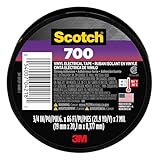
I remember staring at that frayed cord, the little copper strands looking like angry metallic worms. My buddy swore by electrical tape for quick fixes. ‘Just wrap it tight,’ he said, ‘it’ll hold.’ I was in a pinch, and the thought of dealing with the breaker box seemed like a hassle. So, I wondered, can I put electrical tape on live wire? It seemed like the fastest solution to get that lamp working again.
Turns out, that’s a recipe for a serious jolt, or worse. My experience with the cheap stuff, and even some of the supposedly ‘good’ brands, taught me a brutal lesson: when it comes to electricity, ‘good enough’ is a dangerous lie.
This isn’t about making your house look pretty; it’s about not becoming a permanent fixture in the emergency room. Let’s get real about what works and what’s a gamble you absolutely shouldn’t take.
The Flammable Myth: Why Electrical Tape Isn’t Magic
Look, I get the appeal. You’ve got a wire that’s seen better days, maybe a little nick or wear, and you’re standing there with a roll of that stretchy, rubbery stuff.
It feels substantial, right? It’s designed for electrical stuff, so why wouldn’t it work on a live wire? The common advice, often whispered by well-meaning folks who’ve never actually had a close call, is that a few good wraps will insulate it. And for a brief, terrifying moment, it might even seem to work.
I’ve been there. I once used it on a garden light where the insulation had degraded, just to get through a party.
It held for a few weeks, and I promptly forgot about it. Then, during a rainstorm, the whole light fixture started buzzing like an angry hornet’s nest, and the tape was charred and brittle. Lesson learned: it’s not a permanent fix, and it’s especially not safe on a live circuit.
The fundamental problem is that electrical tape, especially the cheaper varieties, isn’t designed to be a foolproof barrier against high voltage or arc faults when the insulation is already compromised. It’s primarily an insulator for properly terminated connections or to provide a secondary layer of protection after a repair has been made with appropriate connectors and methods. When you wrap it around a live wire that’s already damaged, you’re relying on that tape to prevent current from jumping across the gap or through the damaged insulation. Most standard electrical tapes have a voltage rating, sure, but that’s under ideal conditions.
A nicked or frayed wire is far from ideal. The electrical current can find tiny pathways, especially if there’s any moisture. And let’s not forget that many electrical tapes are made of vinyl, which, while somewhat flame retardant, can melt and become brittle when exposed to heat generated by electrical faults or even just prolonged use in a warm environment. The ‘live wire’ part is the kicker.
You’re introducing a potential point of failure right where the energy is flowing. It’s like putting a bandage on a bullet wound and expecting it to stop the bleeding. The pressure is still there, unseen, waiting to blow through.
My first real “oh crap” moment wasn’t with a live wire directly, but with a splice that I thought I’d “fixed” with tape. I was working on an old appliance cord that had a worn spot. I cut out the bad section, stripped the wires, twisted them back together, and then went to town with the electrical tape, thinking I was a genius. A week later, the appliance started smelling like burnt plastic.
I unplugged it immediately, heart pounding, and found the tape blackened and peeling away, with a tiny arc mark scorched into the wire underneath. That was a wake-up call. It wasn’t live when I did it, but it could have been a lot worse if I’d been less careful or if the fault had occurred while it was plugged in.
The Right Way: Proper Wire Repair and Protection
So, if electrical tape isn’t the go-to for a live wire problem, what is? The honest answer is: you don’t ‘fix’ a live wire with tape. You de-energize the circuit.
Period. This means finding the breaker or fuse that controls that circuit and flipping it off.
Don’t guess. If you’re not sure, turn off the main breaker. Safety glasses on, and then you can get to work. For damaged wire insulation, the goal is to restore a reliable, insulating barrier. (See Also: Can I Use Electrical Tape To Connect Wires )
This usually involves stripping back the damaged insulation to clean, undamaged wire, and then using wire nuts, crimp connectors, or heat shrink tubing to create a secure and insulated splice. Wire nuts are the classic choice for joining two wires together. You twist the stripped ends of the wires together, then screw a wire nut over the twisted ends. It’s designed to hold the wires securely and provide insulation.
For more important applications or where vibration is a concern, crimp connectors are often preferred. You insert the stripped wire ends into the connector and then use a special tool to crimp it down, creating a very strong mechanical and electrical connection.
Then, you’d typically cover that with electrical tape or, even better, heat shrink tubing. Heat shrink tubing is a plastic sleeve that you slide over the splice and then heat with a heat gun.
As it heats, it shrinks tightly around the splice, creating a very durable and waterproof seal. It’s a professional finish, and it’s far more reliable than just tape.
There’s also the option of using a junction box. If you’re making a splice in an accessible area or if it’s a permanent installation, code often requires that splices be made inside a junction box.
This provides a physical barrier, protecting the splice from damage and preventing accidental contact. You’d make your splice inside the box using wire nuts or connectors, and then secure the box to a wall or ceiling. It adds a layer of safety that’s hard to beat. When I had to replace a section of wire that was damaged behind a wall, I used heat shrink on the splice and then housed the whole thing in a junction box.
It took longer than just slapping some tape on, but the peace of mind was worth every minute. It felt right, and more importantly, it felt safe.
The key takeaway here is that a proper repair involves creating a mechanical connection and a solid electrical insulation. Tape alone doesn’t provide the mechanical strength needed for most splices, and its insulating properties degrade over time and under stress. Think about the difference between patching a tire with duct tape versus using a proper tire patch kit. One might hold for a bit, but the other is designed for the pressure and the environment.
Common Mistakes and Dangerous Shortcuts
The biggest mistake people make is thinking electrical tape is a universal fix-all for damaged wires. It’s not. It’s a tool for specific electrical insulation tasks, usually on de-energized circuits, and often as a secondary protective layer over a proper splice. Relying on it as the primary means of insulation for a compromised wire, especially a live one, is a gamble with potentially lethal consequences.
Another common error is using the wrong type of tape. Not all tapes labeled ‘electrical’ are created equal. Some are thinner, less stretchy, and have lower voltage ratings.
Buying the cheapest roll you can find at the dollar store is a prime example of a dangerous shortcut. You might save a few bucks upfront, but you’re risking a lot more down the line. I once bought a multipack of cheap electrical tape that felt almost like regular masking tape.
It stretched too easily, leaving thin spots, and the adhesive was weak. It was useless for anything more than bundling wires temporarily.
People also tend to underestimate the heat generated by electrical current, especially in areas with poor connections or damaged insulation. This heat can melt or degrade standard vinyl electrical tape, compromising its insulating properties and potentially leading to shorts or fires. Overlapping the tape inadequately is another slip-up. You need to overlap each turn by at least half, and extend the tape well beyond the damaged area on both sides, to create a good seal. If you just wrap it loosely or with gaps, you’re leaving entry points for moisture or failure. I’ve seen DIYers wrap a wire so thinly, it was almost transparent. That’s not insulation; that’s a prayer.
Here’s a table summarizing some common mistakes and what to do instead: (See Also: Can Electrica Tape Catch On Fire )
| Mistake | Why it’s Dangerous | What to Do Instead |
|---|---|---|
| Using electrical tape as the sole repair on a damaged wire. | Can melt, degrade, lead to shorts, arcs, and fires. Doesn’t provide mechanical strength. | De-energize circuit. Use wire nuts, crimp connectors, or heat shrink for splices. |
| Using cheap, low-quality electrical tape. | Poor adhesion, thin insulation, melts easily, brittle when old. | Buy reputable brands (e.g., 3M Super 35, Scotch Super 88) with appropriate voltage ratings. |
| Taping a live wire directly. | Risk of severe electrical shock, burns, or electrocution. | ALWAYS de-energize the circuit before touching any wiring. |
| Inadequate overlapping or insufficient tape layers. | Leaves gaps for moisture, weak insulation, premature failure. | Overlap each layer by at least 50%, extend tape beyond the repair area. |
The underlying issue with all these mistakes is a misunderstanding of what electrical tape’s role is. It’s a specialized tool, not a magic wand. It has limitations, especially when dealing with the raw power of electricity.
Real-World Scenarios: When Electrical Tape might Be Used (carefully)
Okay, let’s be blunt. There are very few scenarios where you should be reaching for electrical tape on anything that could be considered ‘live’ in a dangerous sense.
However, there are situations where it plays a legitimate, albeit secondary, role in electrical work, always on de-energized circuits or for non-important applications. For instance, securing wires to prevent chafing after they’ve been properly spliced and insulated within a junction box.
Imagine a bundle of wires running through a conduit; a bit of tape can help keep them tidy and prevent them from rubbing against each other or the conduit edge. Or, perhaps you’ve made a splice with a wire nut, and you want an extra layer of protection against moisture or dust ingress. Wrapping the wire nut and the ends of the wires with high-quality electrical tape can add a bit of robustness.
This is usually done on low-voltage applications or in areas where a secondary barrier is prudent, but the primary connection is already secure.
Another legitimate use, though again, not on a live wire that’s sparking, is to temporarily bundle loose wires on a non-energized circuit. Think about working on car wiring or a home appliance where multiple wires are exposed during repair. Taping them together can make the job tidier and prevent them from getting tangled or snagged.
I’ve also seen it used to temporarily hold insulation in place on a wire that’s about to be re-sheathed or repaired properly. The key here is ‘temporarily’ and ‘properly’ – it’s a placeholder, not the final solution.
The best electrical tape I’ve used for these secondary tasks is 3M’s Super 35 or Scotch Super 88. They’re stretchy, adhere well, and have a decent voltage rating (though again, not for direct use on damaged live wires).
They feel thicker and more durable than cheap alternatives, and they don’t leave that sticky, gummy residue everywhere after a year like some of the really budget options do.
My contrarian take? Some folks use electrical tape as a crutch for poor soldering or crimping. They’ll make a shoddy connection, and then try to compensate with an excessive amount of tape. It’s like putting lipstick on a pig. The connection itself is the weak point, and no amount of tape can fix a bad electrical connection that’s going to carry significant current. It just masks the problem until it fails. The common advice to ‘just use more tape’ in these situations is frankly dangerous. You need to fix the connection, not cover up the symptoms.
Understanding the Hazards: Shock, Fire, and More
Let’s talk about why this is such a big deal. Putting electrical tape on a live wire isn’t just a bad idea; it’s a direct invitation to disaster. The most immediate and obvious hazard is electric shock. Electricity seeks the path of least resistance, and if there’s a breach in insulation – which is what you’re attempting to fix with tape – your body can become that path.
If the wire is live, that means you could be completing a circuit from the hot wire, through your body, to ground. The consequences range from a painful jolt to severe burns, cardiac arrest, and death. The voltage rating on electrical tape is for ideal conditions; it’s not designed to prevent a massive arc flash or a direct current flow through a compromised conductor when the power is on. The tape itself can fail catastrophically when subjected to live current, melting, burning, or simply failing to insulate.
Fire is another major concern. Damaged wiring is a leading cause of house fires. When you try to ‘fix’ a live wire with tape, you’re creating a potential hotspot. The resistance in the damaged area, combined with the current flow, generates heat.
Electrical tape, especially lower-quality vinyl tape, can melt under this heat. As it melts, it can expose the conductor further, leading to arcing – that bright, hot flash of electricity jumping across a gap. Arcing can ignite nearby combustible materials like insulation, wood, or dust. (See Also: Can I Substitute Duct Tape For Electrical Tape )
Even if the tape doesn’t melt, if it fails to provide adequate insulation, the electricity can find its way to something flammable. The National Fire Protection Association (NFPA) consistently highlights electrical failures as a significant cause of residential fires, and shoddy wiring repairs are a major contributor to those failures.
It’s not just about a small spark; it can be a fast-moving inferno.
Beyond shock and fire, there’s also the risk of equipment damage. A short circuit caused by a failed tape repair can fry sensitive electronics, damage appliances, or even cause problems with your home’s main electrical panel. Imagine the cost of replacing a burnt-out motor or a control board because a cheap piece of tape gave out. It’s far more expensive than doing the repair correctly in the first place. So, when you think about ‘can I put electrical tape on live wire?’, the answer isn’t just ‘no’, it’s ‘absolutely not, and here’s why it’s one of the most dangerous shortcuts you can take.’
Is Electrical Tape Waterproof?
Standard electrical tape, often made of vinyl, offers some resistance to moisture and humidity, but it is not truly waterproof. Prolonged exposure to water can degrade the adhesive and the tape material itself, compromising its insulating properties. For permanent, waterproof splices, heat shrink tubing or specialized waterproof connectors are much more reliable options.
Can Electrical Tape Melt?
Yes, electrical tape can melt. The vinyl material it’s often made from has a melting point. If subjected to excessive heat, such as from an electrical fault, an overloaded circuit, or even high ambient temperatures in certain installations, the tape can soften, melt, and lose its insulating capabilities. This is a significant reason why it’s not a reliable long-term fix for compromised wiring.
How Long Does Electrical Tape Last on a Wire?
The lifespan of electrical tape on a wire varies greatly depending on the quality of the tape, the environmental conditions, and the electrical load. Cheap tape can degrade and become brittle within months. High-quality tape, used correctly on properly terminated connections in a dry environment, might last for several years. However, it’s generally considered a temporary or secondary insulation solution, not a permanent repair for damaged conductors.
What Is the Voltage Rating of Electrical Tape?
Electrical tape has voltage ratings, but these are typically for ideal laboratory conditions and are not a guarantee of safety when used on damaged wires. Common electrical tapes have ratings that can range from 2,000 volts to over 10,000 volts AC, but this is for short-term dielectric strength. The actual performance in a real-world scenario with a frayed or nicked wire is much lower and highly unpredictable.
Conclusion
Let’s cut to the chase. Can I put electrical tape on live wire? The answer from anyone who actually understands electrical safety and has seen the consequences of a bad repair is a resounding NO. It’s a dangerous shortcut that offers a false sense of security and dramatically increases the risk of electric shock, fire, and equipment damage. My own close calls and the countless stories I’ve heard from other tradespeople confirm this: when it comes to live wires and electrical repairs, you don’t improvise with the wrong tools.
Always prioritize de-energizing the circuit before attempting any work. Use proper connectors like wire nuts or crimp connectors, and consider heat shrink tubing for superior insulation and protection. If you’re not comfortable or knowledgeable about electrical work, hire a qualified electrician. It’s cheaper than a hospital bill or rebuilding your home.
The next time you see a frayed cord or a questionable splice, remember that a few seconds of proper repair will save you a lifetime of regret. Don’t gamble with your safety.
So, to be absolutely clear, the answer to ‘can I put electrical tape on live wire?’ is a definitive and emphatic no. It’s a myth that’s been perpetuated by people taking shortcuts, and it’s one of the most dangerous ones you can follow. Electrical tape has its place, but that place is not as a primary insulator for compromised or live wiring. The risks—shock, fire, and serious injury—far outweigh any perceived convenience.
Instead of reaching for that roll of tape when you encounter a damaged wire, your first step should always be to shut off the power at the breaker. Then, use appropriate materials like wire nuts, crimp connectors, or heat shrink tubing to make a safe and lasting repair. If you’re ever in doubt about how to proceed, do not hesitate to call a licensed electrician. They have the knowledge and tools to handle electrical issues safely and effectively, saving you potential heartache and danger.
Think of electrical tape as a bandage for a minor scratch on a healthy limb, not as a tourniquet for a severe wound. It’s a supplementary material, not a standalone solution for important electrical safety issues. Prioritize safety, use the right tools for the job, and never take unnecessary risks with electricity.