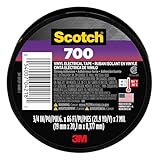
Look, we’ve all been there. That little bit of exposed wire peeking out from an outlet cover, or maybe a tiny crack that makes you wince every time you look at it. Your brain immediately jumps to a quick fix, and for many of us, that means rummaging through the junk drawer for a roll of electrical tape. It’s the go-to for “temporary” fixes, right? But when it comes to something as serious as an electrical outlet, the question ‘can I put electrical tape over an outlet?’ pops up with a healthy dose of doubt. Is it actually safe, or are you just asking for trouble down the line?
I’ve definitely been tempted. I once had a wobbly outlet cover that drove me nuts for weeks, and I kept thinking, ‘A little tape, and it’ll be fine.’ It’s a common thought process because electrical tape is designed to insulate, isn’t it? But electrical work isn’t like fixing a leaky faucet; there’s zero room for guesswork. Let’s get into the nitty-gritty of why this seemingly simple solution is a bad idea.
Why You Absolutely Should Not Cover an Outlet with Electrical Tape
Let’s cut to the chase. Can you physically put electrical tape over an outlet? Sure, you can slap a piece of black sticky stuff anywhere you want. But should you?
A resounding, unequivocal NO. My personal horror story involves a cheap, flimsy outlet cover on a kitchen counter outlet.
It had a tiny chip, and for about three days, I used electrical tape to “seal” it, thinking it was a clever stopgap. Then, during a particularly hectic morning of cooking, a splash of water hit it. The tape, already compromised, started to bubble and loosen.
Worse, it gave me this false sense of security. If a child had touched it, or if I’d been less cautious, that tiny chip could have been a direct path to live current.
It was a wake-up call that cost me nothing but a few hours of anxiety and a trip to the hardware store. This isn’t about being perfect; it’s about avoiding avoidable disasters.
The primary reason electrical tape isn’t meant for this is its limitations. While it’s designed for insulating wires where connections are made – think splicing two wires together inside a junction box – it’s not built to be a permanent or even long-term cover for a whole outlet faceplate.
Electrical outlets are exposed to more than just accidental touches; they deal with plugging and unplugging devices, potential dust ingress, and sometimes, let’s be honest, less-than-gentle treatment. Electrical tape degrades over time, especially when exposed to UV light, heat, and general wear and tear.
It can become brittle, lose its adhesive, and its insulating properties can diminish. What starts as a seemingly solid black patch can become a peeling, sticky mess that offers less and less protection.
The common advice you might hear from someone who’s done it before, or even a slightly dodgy DIY forum, is that it’s fine for a very temporary fix until you can get to the store. I’m here to tell you that ‘very temporary’ often stretches into weeks or months.
And in that time, the risks multiply. Imagine a curious toddler’s finger finding that slightly loose edge of tape. Or a pet chewing on it.
Or simply the tape failing to adhere properly, leaving a gap where dust can accumulate, which is a fire hazard in itself. The voltage running through your outlets is no joke, and treating it with anything less than proper, purpose-built materials is just begging for a problem. It’s like using duct tape to patch a hole in your car’s brake line – it might hold for a bit, but you’re playing with fire, or in this case, electricity.
The core issue is that electrical tape is designed for specific applications on individual wires, not as a broad-stroke cover for a mechanical device like an outlet. It doesn’t provide mechanical protection, and its adhesive isn’t designed for the constant stress of being on a surface that’s frequently touched and interacted with. If you’re wondering if you can put electrical tape over an outlet, the answer from anyone who understands electrical safety should be a firm no. Save it for its intended purpose: insulating electrical splices within protected areas.
What Electrical Tape Is Actually for (and What It Isn’t)
Let’s get this straight: electrical tape isn’t some magical, all-purpose fixer for anything with a cord or a socket. Its primary job is to provide electrical insulation and mechanical protection for splices on electrical wires. When you’re doing some wiring work – say, connecting two wires together inside a junction box or extending a wire – you’ll often end up with exposed copper. Electrical tape is designed to wrap around these exposed splices, creating a barrier that prevents accidental contact with other wires or conductive surfaces.
This is absolutely vital to prevent short circuits, shocks, and fires. It’s made from a stretchy vinyl material that conforms well to the shape of wires and offers decent dielectric strength, meaning it can withstand a certain amount of electrical voltage before breaking down.
However, the key phrase here is ‘splices on electrical wires’ and ‘inside a junction box’. This means it’s meant to be used in a protected environment, where it’s not constantly being handled, exposed to the elements, or subjected to mechanical stress. (See Also: Can I Use Electrical Tape To Connect Wires )
It’s not designed to be a permanent fixture on the surface of a wall, nor is it meant to cover faceplates, light switches, or entire outlets. The adhesive on electrical tape is also formulated for this specific use.
It’s designed to stick well to itself and to wire insulation, but it’s not necessarily rated for long-term adhesion to painted drywall, plastic outlet covers, or exposed screw heads. Over time, especially with temperature fluctuations and exposure to light, that adhesive can weaken, turn gummy, or even dry out and crack.
I remember a time I was helping a buddy rewire a shed. We had a bunch of wire nuts connecting different circuits, and we taped over each one. That seemed logical at the time.
But a few months later, when we went back to add another light, the tape was peeling off some of the wire nuts, and one of them had come slightly loose. It wasn’t a dangerous situation because the junction box was closed, but it showed me how electrical tape can fail when it’s not used in the way it was intended. It’s flexible and stretchy, which is great for wrapping around uneven wire splices, but that flexibility also means it’s not rigid or durable enough to hold up as a protective shield on a larger surface like an outlet face.
Think of it like this: you wouldn’t use a bandage to cover a whole wound on your arm; you’d use a proper dressing. Electrical tape is the bandage for wire splices; outlet covers are the proper dressing for outlets.
The common advice often misunderstands this. People see ‘electrical’ and think ‘for anything electrical.’ But the devil is in the details. The tape’s properties – its elasticity, its adhesive type, its UV and temperature resistance – are all optimized for insulating short lengths of wire. Trying to use it to cover a cracked outlet or a loose plate is like trying to use a Band-Aid as a shield for your entire hand. It’s the wrong tool for the job, and relying on it creates a false sense of security while introducing new risks. The proper use is specific and limited, and covering an entire outlet falls far outside that scope.
The Real Risks: Why It’s a Bad Idea
So, let’s talk about the actual dangers of slapping electrical tape over an outlet. It’s not just about it looking messy; it’s about creating hazards that weren’t there before. Firstly, and perhaps most obviously, electrical tape is not a substitute for a proper outlet cover.
Outlet covers are made of sturdy, non-conductive plastic or metal designed to protect the internal wiring from accidental contact, dust, moisture, and physical damage. They provide a solid barrier.
Electrical tape, on the other hand, is thin and flexible. If it gets nicked, peeled, or worn down – which it will – it can easily expose the live components of the outlet. This is a direct path for shock, especially for children or pets who might touch it, or if you accidentally drop something metallic onto the outlet.
My cousin, bless his heart, once tried to ‘fix’ a broken outlet cover with layers and layers of electrical tape. He thought he was being resourceful. A few weeks later, he had a friend over, and the friend’s phone charger plug snagged on the tape. It pulled a whole section off, revealing the socket. Thankfully, nothing happened, but it could have been a nasty shock. That experience taught me that even if the tape looks intact, its integrity can be compromised over time, especially in a high-traffic area like an outlet. And the visual deception is part of the danger – it looks covered, so you might be less cautious than you should be.
Another significant risk is fire. Electrical tape can degrade, especially when exposed to heat generated by the outlet itself or surrounding environmental factors. As it degrades, its insulating properties decrease. If there’s a fault or overload in the outlet, the compromised tape might not be able to withstand the heat or electrical surge, leading to ignition. Furthermore, the adhesive can become sticky and attract dust and debris. A buildup of flammable dust around an electrical outlet is a fire hazard waiting to happen. You’re basically creating a fire-prone situation where there shouldn’t be one. The common advice to use it as a temporary fix ignores the fact that ‘temporary’ can last for months, during which time these risks accumulate.
Finally, consider the mechanical aspect. Outlets are designed to be plugged into and unplugged from repeatedly. This action puts stress on the faceplate and the outlet itself. Electrical tape doesn’t offer any mechanical reinforcement. It can peel, tear, or become dislodged with regular use. This can lead to the outlet cover becoming loose, which further compromises safety by allowing more debris to enter and increasing the risk of accidental contact with live parts. The outlet itself might become damaged if the faceplate isn’t properly secured. So, while it might seem like a quick patch, putting electrical tape over an outlet is a hazardous gamble that undermines the safety features of your home’s electrical system.
When Temporary ‘fixes’ Turn Permanent (and Dangerous)
The siren song of a quick fix is powerful, especially when you’re tired, frustrated, or just trying to save a few bucks. The idea that you can just slap some electrical tape over a minor outlet issue – a crack, a loose screw, a slightly damaged cover – and be done with it is tempting. I’ve fallen for this trap more times than I care to admit, not with outlets specifically, but with other minor household repairs. You tell yourself, “I’ll fix it properly next weekend.” Next weekend becomes the weekend after, and then suddenly, it’s months later, and the ‘temporary’ solution is now a permanent fixture. This is where the real danger lies with using electrical tape on outlets.
My own ‘permanent temporary’ story involves a cracked light switch plate in my garage. I taped it up, thinking it was no big deal. It stayed that way for nearly a year.
The tape discolored, got grimy, and eventually started to peel at the edges. I’d completely forgotten about it until I was looking for a misplaced tool and saw it.
That was a stark reminder of how easily these quick fixes become the norm. If that had been an outlet, and especially if there were kids around, that peeling tape would have been a ticking time bomb. The adhesive on electrical tape isn’t designed for prolonged exposure to household conditions, light, or temperature changes. (See Also: Can Electrica Tape Catch On Fire )
It can dry out, become brittle, or lose its stickiness, leaving gaps where hazards can occur.
The problem with using electrical tape as a cover for an outlet is that it creates a false sense of security. You see the tape, and your brain registers it as “covered,” so you stop thinking about the potential hazard. But the tape itself is a weak point. It doesn’t offer the same level of protection as a solid outlet cover.
It’s not impact-resistant, it’s not a solid barrier against dust or moisture, and its insulating properties can degrade. What seems like a simple solution to an aesthetic or minor functional problem can turn into a serious safety risk if that ‘temporary’ fix is left in place for too long. The materials simply aren’t designed for that kind of long-term, exposed application.
This is where the ‘People Also Ask’ question, “Is electrical tape safe for covering outlets?” really hits home. The answer is a hard no. Safety standards and product design exist for a reason. Outlet covers are designed to be durable, to provide adequate protection against shocks and electrical faults, and to withstand the typical wear and tear of a household environment. Electrical tape is designed for insulating wire splices in protected environments. Using it for anything else is a compromise of safety, and that compromise can have serious consequences. It’s like trying to use a rain poncho as a motorcycle helmet – it’s made of fabric, but it’s the wrong kind of protection for the job.
When to Actually Use Electrical Tape (and What to Use Instead for Outlets)
Okay, so we’ve established that you absolutely should not put electrical tape over an outlet. But when is electrical tape the right tool for the job? Its intended use is for insulating electrical splices.
This typically happens when you’re joining two or more wires together, usually with a wire nut or a crimp connector, inside a junction box, an electrical box, or behind an appliance. After making the connection, you wrap the electrical tape tightly around the exposed conductors and the connector to provide an extra layer of insulation and to help secure the connection.
It’s a secondary measure, often used in conjunction with primary connectors, and it’s meant to be in a protected, enclosed space where it won’t be disturbed. I’ve used it countless times in old homes where wiring felt a bit… improvised, to add that extra bit of security to a splice before closing up a wall or fixture. It’s key for that specific task.
Now, what about those outlets that are cracked, broken, or otherwise damaged? There’s no real ‘temporary fix’ that’s safe.
The only correct solution is to replace the damaged part. For a cracked or broken outlet cover, the fix is simple and cheap: buy a new outlet cover plate.
They cost about $1-3 at any hardware store. You just unscrew the old one, screw on the new one, and you’re done. It takes less than five minutes.
For a damaged outlet receptacle itself (the part where you plug things in), that’s a bit more involved, and if you’re not comfortable working with live electrical components, you absolutely need to call a qualified electrician. But replacing just the cover plate?
That’s DIY territory for almost everyone.
Here’s a quick comparison of what to use where:
| Application | Recommended Solution | Verdict |
|---|---|---|
| Insulating a wire splice inside a junction box | Electrical tape (applied correctly) | 👍 Perfect for the job |
| Covering a cracked outlet cover plate | New outlet cover plate | ✅ The only safe and proper fix |
| Covering a loose outlet cover plate | Tighten screws or replace cover plate | ✅ Key for safety |
| Covering a damaged or sparking outlet receptacle | Call a qualified electrician to replace the receptacle | ❌ Never attempt a DIY fix |
| Securing a wobbly wire nut | Electrical tape (over the wire nut) | 👍 Good secondary measure |
| Putting over a cracked outlet faceplate | Electrical tape | ❌ Dangerously wrong |
The advice from the U.S. Consumer Product Safety Commission (CPSC) always emphasizes using products as intended and replacing damaged components. They don’t endorse makeshift repairs. So, if you’re looking at a damaged outlet, the responsible action is to fix it correctly, not to patch it with something inappropriate like electrical tape. It might seem like a small detail, but in electrical safety, those small details are what prevent major incidents. Don’t let laziness or a desire for a quick fix put your home and family at risk.
Practical Tips for Outlet Safety
Let’s be clear: electrical safety isn’t a suggestion; it’s a necessity. When it comes to your outlets, you want to do things right.
The first and most important tip is this: if you see damage, don’t patch it with tape. Replace it. For a cracked or broken outlet cover plate, this is a super simple, inexpensive fix. I bought a pack of ten white ones for less than $10 recently. (See Also: Can I Substitute Duct Tape For Electrical Tape )
Unscrew the two small screws holding the old one on, pull it off, put the new one on, and screw it back in. It takes about 2 minutes per outlet. If the outlet receptacle itself is damaged (meaning the part you plug into is cracked, loose, or sparking), that’s a job for a professional electrician.
Trying to fix a damaged receptacle yourself is incredibly risky if you don’t know exactly what you’re doing. I learned this the hard way when I tried to replace one myself years ago; it was a nerve-wracking experience involving a lot of double-checking and holding my breath, and I was lucky not to have a shock.
Another important tip is to understand the role of GFCI (Ground Fault Circuit Interrupter) and AFCI (Arc Fault Circuit Interrupter) outlets. GFCIs protect against shock by cutting power if they detect an imbalance in current, and they are required in areas like bathrooms, kitchens, and outdoors. AFCIs protect against fires caused by electrical arcs. If your outlets aren’t GFCI or AFCI protected where they should be, or if they’re old and don’t have a ground pin (the third, round pin), consider upgrading them. While this is a more involved job that often requires an electrician, the increased safety is well worth the investment. I always feel better knowing my kitchen outlets have that extra layer of protection.
Regularly inspect your outlets and electrical cords. Look for signs of wear and tear, such as frayed cords, cracked insulation, loose-fitting plugs, or outlets that feel warm to the touch. If you notice any of these issues, address them immediately. Don’t wait for them to become a bigger problem.
Many people, myself included, get complacent. We see an outlet every day, and we stop noticing minor issues. Make it a habit to do a quick visual check every few months. It’s a simple preventive measure that can save you from a lot of trouble.
My neighbor had a frayed cord on his old lamp, and he kept meaning to replace it. One day, it shorted out and started a small fire in his living room.
Thankfully, he was home and put it out quickly, but it was a wake-up call for all of us. It reinforced the idea that even small electrical issues shouldn’t be ignored.
Finally, teach your family about electrical safety. Make sure children understand that outlets are not toys and that they should never stick anything into them. Make sure everyone knows what to do in case of an electrical emergency, like a fire or a shock. Knowing where your home’s circuit breaker panel is and how to shut off power to specific areas is also a vital piece of knowledge. It’s about creating a culture of safety in your home, where electrical hazards are respected and addressed proactively. It might seem like overkill, but taking these simple precautions can prevent serious accidents.
Frequently Asked Questions About Electrical Tape and Outlets
Can I Use Electrical Tape to Fix a Cracked Outlet Cover?
No, you absolutely should not use electrical tape to fix a cracked outlet cover. Electrical tape is not designed for this purpose and does not provide adequate protection. A cracked outlet cover compromises the safety of the outlet by leaving live components exposed or susceptible to dust and damage. The proper and safe solution is to replace the entire outlet cover plate with a new one, which is a simple and inexpensive repair.
Is Electrical Tape Safe for Temporary Fixes on Outlets?
No, electrical tape is not safe for any kind of temporary fix on outlets. While it’s designed for insulating wire splices in protected environments, it’s not a substitute for a proper outlet cover. Temporary fixes can easily become permanent, and over time, electrical tape degrades, loses its adhesive, and its insulating properties diminish, creating significant shock and fire hazards.
What Is Electrical Tape Actually Used for?
Electrical tape is primarily used for insulating electrical wire splices. This involves wrapping it tightly around exposed conductors and connectors after joining wires, typically within junction boxes or electrical enclosures. It provides an additional layer of electrical insulation and some mechanical protection for these specific connections, making sure they are safe from accidental contact.
What Should I Use If My Outlet Cover Is Cracked?
If your outlet cover plate is cracked, you should replace it with a new one. This is a straightforward and inexpensive DIY task. Simply unscrew the old cover, remove it, place the new cover over the outlet, and screw it back into place. This makes sure the outlet is properly protected and safe from dust, debris, and accidental contact.
Conclusion
So, to be crystal clear: can I put electrical tape over an outlet? No. Not ever. It’s a tempting shortcut, but it’s a dangerous one. Electrical tape has its place, and that place is wrapping wire splices inside protected electrical boxes, not as a haphazard cover for your outlets. The risks of shock, fire, and creating a false sense of security far outweigh any perceived benefit of a quick patch.
Instead of reaching for that roll of black tape, invest a few bucks and five minutes to buy and install a proper outlet cover. If the outlet receptacle itself is damaged, call in a professional. Don’t gamble with your home’s electrical safety. It’s just not worth it. Stick to the right tools for the job, and you’ll keep your home safer for everyone.
What’s the weirdest ‘temporary fix’ you’ve seen someone try that you immediately knew was a bad idea?