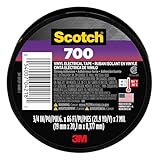
I remember standing in my dimly lit garage, a tangled mess of wires in one hand and a roll of black tape in the other. The old lamp socket had finally given up the ghost, and I needed a quick fix to get some light back on. My brain immediately went to the roll of electrical tape sitting on my workbench. It’s designed for wires, right? So, can I use electrical tape in a lighting fixture? It seemed like the obvious answer.
But then, that little voice in my head, the one honed by years of tinkering and a few spectacular DIY fails, piped up. Electrical tape is flexible, it insulates, it’s… black. It looks like it should work. Yet, something felt off.
I’ve learned the hard way that just because something looks like it should work, doesn’t mean it’s the smart or safe thing to do. Especially when it comes to electricity and that one place we all want to be extra careful: our lighting fixtures.
Is Electrical Tape Actually Rated for Fixture Wiring?
Let’s cut to the chase. The short, blunt answer to the question ‘can i use electrical tape in a lighting fixture’ is usually NO, and here’s why it’s a bad idea most of the time. Electrical tape, the stuff you buy at any hardware store, is fantastic for what it’s designed for: providing temporary insulation for low-voltage wire splices, bundling wires, and protecting against minor abrasion. It’s made of vinyl, and it’s stretchy, which makes it easy to wrap around irregular shapes. It’s also often rated for a certain voltage and temperature range. But here’s the catch: those ratings are generally for the wires themselves, not for the harsh, often hot environment inside a lighting fixture.
Lighting fixtures, especially older ones or those using incandescent bulbs, can get surprisingly hot. Think about a bare incandescent bulb screwed into a socket – that thing radiates heat. Even modern LEDs produce heat, though usually much less. Electrical tape, while it can withstand some heat, isn’t typically designed for the sustained, direct heat exposure you get close to a bulb socket or in an enclosed fixture.
Over time, this heat can degrade the adhesive, make the tape brittle, or even cause it to melt. When that happens, you lose your insulation, and that’s when things get dangerous. You’re looking at potential short circuits, which can lead to sparks, smoke, or even a fire. I once tried to use it on a desk lamp where the socket was getting a bit loose.
Within a couple of weeks, the tape looked shriveled and the adhesive had turned into a gummy mess. That was a wake-up call.
The common advice you’ll find is to use proper wire nuts for splicing and to replace damaged socket insulation. And for good reason. These are designed with the specific conditions of electrical connections in mind. Wire nuts screw onto the wires securely and provide a solid, insulated connection. If the socket itself is damaged, you need to replace the socket, not try to patch it up with tape. It’s like using a band-aid on a gaping wound; it might cover it up for a minute, but it’s not a real solution and it’s definitely not safe.
When Might You think About Electrical Tape (and Why You Should Still Reconsider)
Okay, so you’re looking at a fixture and you see a little bit of frayed wire insulation near the connection point, but not directly at the hot socket terminals. Maybe it’s on a wire leading away from the socket, or on the cord itself. You might think, “Hey, I can just wrap this with electrical tape to keep it from touching anything else.” This is where the temptation is strongest, and also where you need to be the most disciplined.
The problem is, even if the wire isn’t directly touching the hottest part of the fixture, it’s still inside a confined space that can get warm. Furthermore, the adhesive on electrical tape isn’t designed to be a permanent solution. It can dry out, lose its stickiness, and the tape can unravel over time, especially with vibration or any slight movement. Imagine a ceiling fan fixture where the motor can cause slight vibrations. That tape job you did last year might be peeling off right now, leaving the wire exposed. (See Also: Can I Use Electrical Tape To Connect Wires )
I remember a situation with an old track lighting system. One of the wires on a connector piece looked a little nicked.
My first instinct was to grab the electrical tape. I did, and I wrapped it up nice and tight. About six months later, I was changing a bulb in that same fixture, and the tape was loose, sticky, and looked like it was about to fall off.
The wire itself was still fine, but the ‘fix’ was already failing. It made me realize that even for seemingly minor insulation issues, electrical tape is a temporary patch, not a proper repair. The real solution is usually to use a heat-shrink tubing specifically designed for electrical insulation, or to replace the damaged section of wire entirely if it’s significant.
Another thing to consider is the voltage rating. While electrical tape is rated for insulation, it’s often for the low-voltage side of things, like in electronics or for temporary fixes on appliance cords. Household lighting circuits operate at a much higher voltage (120V or 240V in most places). If the tape degrades or isn’t applied perfectly, you risk a breakdown in insulation, which can be catastrophic at those higher voltages. It’s not worth the risk of a fire or electrocution just to save a few bucks on proper materials.
What should You Be Using Instead?
When you’re dealing with wiring in a lighting fixture, you need materials that are specifically designed for the job. This isn’t the place for DIY hacks that might work. Safety comes first, always. So, if you’re looking at connections inside a fixture, here’s what you should be reaching for:
First off, for splicing wires together inside a fixture, the undisputed champions are wire nuts. These come in various sizes and colors, each designed to hold a specific number of wires of a certain gauge. They provide a secure mechanical connection and a solid, insulated cap. Make sure you’re using the right size for the wires you’re joining. Too small, and it won’t grip properly; too big, and it might not provide enough insulation or could loosen up.
If you’ve got a small nick or abrasion on a wire’s insulation that isn’t near a major stress point, heat-shrink tubing is a fantastic alternative to electrical tape. You slide a piece of the tubing over the damaged area, heat it up with a heat gun (or even a carefully used lighter in a pinch, though a heat gun is much better), and it shrinks down, forming a tight, durable, and insulated seal. It’s a much more permanent and professional-looking fix than tape.
For the wires coming directly into the socket or where the fixture connects to your house wiring, the insulation is usually molded plastic or ceramic. If this insulation is damaged, you absolutely must replace the component. This means replacing the socket itself, or if the wire is damaged at the connection point to the fixture, you might need to replace the entire fixture, or at least the wiring harness. There’s no taping your way out of a damaged socket. It’s a a must safety requirement. Think of it like this: if your car’s brake line is leaking, you don’t wrap it in duct tape and hope for the best. You replace the brake line.
Common Wiring Issues and Proper Fixes
| Problem | Why Electrical Tape is a BAD Idea | The RIGHT Solution |
|---|---|---|
| Loose wire connection at socket | Won’t hold wires securely, melts/degrades from heat, fire risk. | Replace the socket. Make sure wires are securely screwed in. |
| Nicked/abrased wire insulation (away from heat) | Adhesive fails, tape can unravel, insulation degrades over time. | Heat-shrink tubing specifically rated for electrical use. |
| Damaged plastic/ceramic insulation on socket terminals | No amount of tape can fix structural damage to the socket. | Replace the entire socket. |
| Exposed wire strands on a cord | Temporary at best, tape can loosen, still a shock/short hazard. | Replace the cord, or if near the plug, replace the plug. |
| Bundling loose wires within a fixture housing | Tape adhesive degrades with heat, can fall off. | Use zip ties (if not near heat) or proper wire connectors/clips designed for the fixture. |
It’s tempting to think of electrical tape as a universal fix-all for electrical problems, but its limitations are significant when it comes to the heat and continuous load found in lighting fixtures. Always err on the side of caution and use materials specifically designed for electrical work. Your safety, and the safety of your home, depends on it. (See Also: Can Electrica Tape Catch On Fire )
Understanding the Heat Factor: Why Tape Fails
This is the big one, folks. The reason electrical tape just doesn’t cut it inside most lighting fixtures is heat. Period. Unlike a low-voltage application, like fixing a frayed cord on a bedside lamp that’s only on for a few hours a day, lighting fixtures, especially those that are constantly on or use bulbs that generate significant heat, turn into mini ovens. Think about a recessed light in a ceiling that’s been on for hours, or a chandelier with multiple bulbs.
Electrical tape, typically made from vinyl, has a temperature rating. You’ll often see ratings like 60°C (140°F) or 80°C (176°F). Now, an incandescent bulb can easily produce surface temperatures of 150°F to over 200°F (65°C to 93°C). Even LEDs, while cooler, can heat up the surrounding area, especially in enclosed fixtures where heat can’t dissipate easily. If the tape gets too hot, the vinyl can soften, lose its adhesive properties, and become brittle. The adhesive itself can melt and ooze, making a sticky, conductive mess.
I had this happen with a bathroom vanity light. It had three bulbs, and the wiring harness where the wires connect to the socket felt a bit loose. I wrapped it with electrical tape, thinking I was being clever.
A few months later, I noticed a faint burning smell when the lights were on. I immediately turned them off and investigated. The electrical tape had melted and was dripping down onto the metal parts of the socket.
It hadn’t caused a full-blown fire, thankfully, but it was a disaster waiting to happen. The heat had basically cooked the tape, rendering it useless and creating a real hazard. I had to replace the entire fixture because the heat had damaged the wiring and the socket beyond repair.
This is why specialized electrical tapes, like high-temperature tapes made from fiberglass or silicone, are used in industrial applications or for wrapping high-heat engine components. They are designed to withstand temperatures far beyond what standard vinyl electrical tape can handle. But even then, they are usually used for specific, high-temperature insulation needs, not as a general-purpose fix for all wiring issues within a light fixture. For the average homeowner dealing with a standard light fixture, the standard black electrical tape is simply not up to the task of sustained heat exposure.
Common Mistakes and What to Watch Out For
Beyond just slapping electrical tape on a wire, there are a few other common pitfalls people fall into when trying to fix or install lighting fixtures. One big one is not turning off the power. Seriously, I’ve seen people do it. You’re working on a fixture, you think you know which switch controls it, but you get it wrong, and boom. Instant shock hazard. Always, always, always flip the breaker or unscrew the fuse for the circuit you’re working on. Double-check with a voltage tester if you’re not 100% sure. It takes an extra minute and can save you a trip to the hospital.
Another mistake is using the wrong size wire nuts. People try to cram too many wires into one nut, or use a nut that’s too big for the wire gauge. This leads to loose connections, poor conductivity, and a potential fire hazard. If a wire nut feels like it’s not gripping the wires snugly, or if you had to force it on, get a different size. You want it to be snug but not impossible to screw on.
Over-tightening screws on wire connections can also be a problem. You can strip the threads, damage the wire, or even crack the insulation. The goal is a secure connection, not to use brute force. For stranded wire, make sure all the strands are twisted together neatly before inserting them into a wire nut or terminal. Loose strands can cause shorts or poor connections. (See Also: Can I Substitute Duct Tape For Electrical Tape )
And then there’s the aesthetic aspect, which, while less important than safety, still matters. People sometimes use electrical tape because it’s black and blends in, thinking it’s a discreet fix. But as we’ve seen, it degrades and looks terrible over time, and it’s unsafe. Using proper connectors and heat-shrink tubing results in a clean, professional look that lasts. I once helped a friend who had used electrical tape to “secure” some wires in a chandelier. It looked like a spiderweb of sticky, black goo after a year. We ended up replacing the wiring harness because it was so degraded.
Finally, people sometimes ignore minor damage. A small nick in the insulation, a slightly bent terminal prong – these things can seem insignificant, but they are the early warning signs of bigger problems. If you see damage, address it properly. Don’t assume it will be fine. Remember the story about the bathroom light? That tiny feeling of looseness was a precursor to a melting mess.
People Also Ask
Can You Use Black Tape on Wires in a Light Fixture?
Generally, no. Standard black electrical tape is not designed for the heat and conditions found inside most lighting fixtures. It can degrade, lose its adhesive, and become a fire hazard. Always use materials specifically rated for electrical connections and the temperatures involved, like wire nuts for splicing or heat-shrink tubing for insulation.
Is Electrical Tape Safe for Electrical Connections?
Electrical tape is safe for temporary insulation on low-voltage wire splices and for bundling wires in environments where heat is not a significant factor. It is NOT safe for permanent electrical connections, especially within lighting fixtures where heat can cause it to fail, leading to potential shorts and fires.
What Is the Best Tape for Electrical Fixtures?
For most household electrical fixtures, standard black electrical tape is NOT the best choice. The best materials are wire nuts for splicing wires together and, for insulating a small damaged section of wire, heat-shrink tubing rated for electrical use. In some very high-temperature industrial applications, specialized tapes like fiberglass or silicone tapes are used, but these are not typically needed or appropriate for standard home lighting fixtures.
Will Electrical Tape Catch Fire?
While electrical tape itself is designed to be flame-retardant to a degree, it can contribute to a fire hazard if it fails. When electrical tape degrades due to heat or age, it can lose its insulating properties. Exposed wires can then spark or short circuit, igniting nearby materials. The melting and oozing of the adhesive can also create a flammable mess.
Final Verdict
So, after all that, can i use electrical tape in a lighting fixture? My honest answer, based on countless hours of hands-on work and a few close calls, is a resounding no. It’s tempting, I get it. It’s cheap, it’s readily available, and it looks like it should work. But the reality is that electrical tape is simply not designed for the heat, the stress, and the permanence required for wiring inside a light fixture. It’s a temporary fix at best, and a dangerous one at worst.
When it comes to electricity, especially in your home, there’s no room for cutting corners or using the wrong tool for the job. A few dollars saved on proper wire nuts or heat-shrink tubing is nothing compared to the potential cost of a fire or an electrical injury. Always prioritize safety and use materials that are specifically designed for electrical work in that particular environment.
Next time you’re dealing with a loose connection or a frayed wire in a light fixture, take a deep breath, turn off the breaker, and reach for the right materials. It might take an extra five minutes, but you’ll sleep a lot better knowing it’s done right.