I remember staring at that frayed wire on my old shop lamp, sparks threatening to fly. My first instinct? Grab the nearest roll of that super-strong, do-it-all tape. Flex Tape. It’s everywhere, right? Promising to fix anything from a leaky boat to a hole in your wall. But when it comes to something as sensitive as electrical work, the question pops up: can Flex Tape be use as electrical tape? My gut feeling, based on years of tinkering with things that should and shouldn’t be taped, told me to be seriously skeptical. This isn’t just about a quick fix; it’s about safety.
We’ve all been there, staring at a DIY disaster or a minor household repair that suddenly feels way bigger than it should. You need something that works, and works reliably. Flex Tape is loud about its capabilities, so it’s natural to wonder if its power extends to electrical insulation. Let’s get real about what this stuff is actually made for, and where it absolutely shouldn’t be.
What Exactly Is Flex Tape, Anyway?
Okay, let’s cut to the chase. Flex Tape is, at its core, a heavy-duty, super-sticky waterproof tape. It’s designed to bond to a wide range of surfaces – think plastic, metal, concrete, wood, even fabric – and create a watertight seal. That’s its superpower.
The adhesive is thick and rubberized, and the backing is a flexible, reinforced material that can stretch and conform. It’s like a super-powered duct tape that also happens to repel water like a charm.
You see it advertised for fixing garden hoses, patching RV roofs, sealing boats, and all sorts of outdoor, wet-environment repairs. It’s built for brute force, for creating a barrier against the elements, and for holding things together when you need something strong and waterproof.
The marketing is relentless. They show it patching boats mid-sea, fixing leaky pipes instantly, and basically performing miracles. And for what it’s designed for – sealing and patching – it can be surprisingly effective.
I’ve used it myself to stop a leak in a kiddie pool that had a tiny puncture. Worked like a charm, held up all summer. I also tried it on a cracked plastic storage bin, and that held too. It’s satisfyingly sticky, and the way it bulges and fills gaps is pretty unique.
It feels substantial in your hand, not flimsy like some other tapes. The adhesive is aggressive; once it’s on, getting it off cleanly is a challenge, which is a good sign for its intended purpose of a permanent-ish fix. But this aggressive stickiness and waterproof nature, while great for a leaky pipe, are actually the exact reasons why it’s a bad idea for electrical work.
The chemical makeup is proprietary, of course. They don’t exactly give you the full ingredient list. But what we know from its performance is that it’s a synthetic rubber-based adhesive, likely with some sort of polymer backing.
It’s designed to withstand UV rays and temperature fluctuations to some degree, but its primary goal is adhesion and sealing against moisture. It’s not formulated with electrical insulation properties in mind.
Electrical tape, on the other hand, has a very specific job: to insulate wires, preventing current from escaping and causing shorts or shocks. It needs to be flexible, resistant to abrasion, and critically, it needs to have a high dielectric strength – meaning it can withstand a significant electrical voltage without breaking down.
Flex Tape simply isn’t engineered for that electrical stress.
Why Electrical Tape Is Not Flex Tape
This is where the rubber meets the road, or rather, where the current should stay inside the wire. Standard electrical tape, the kind you buy in the little rolls at any hardware store, is made from PVC (polyvinyl chloride). Why PVC? Because it’s a fantastic insulator.
It has high dielectric strength, meaning it can handle a good zap without letting electricity pass through. It’s also designed to be flexible, to stretch and conform snugly around wires without cracking or peeling.
This snug fit is vital. It prevents moisture from getting in and also provides some mechanical protection to the wire itself. Plus, good electrical tape is usually flame-retardant, which is a massive safety feature when you’re dealing with potentially hot wires. I learned this the hard way once when I tried to patch a small break in a cord for my hedge trimmer with some generic, super-sticky tape I had lying around. (See Also: Can I Use Electrical Tape To Connect Wires )
Within about twenty minutes of use, the tape got warm, then hot, and started to melt. Sparks flew, and I nearly took my eye out. Lesson learned: electrical tape is a specialized tool.
Flex Tape, with its thick, rubbery adhesive and reinforced backing, is the polar opposite. While it might stick like crazy and hold back a flood, it’s not designed to handle electrical voltage.
Imagine trying to use a boat anchor as a bicycle lock. Both are strong, but they serve entirely different purposes.
Flex Tape’s adhesive is likely conductive or at least not a good insulator. Its thick material might create a physical barrier, but it won’t stop an electrical current from jumping if the voltage is high enough or the insulation on the wire is compromised. The heat generated by even a minor electrical fault could easily cause Flex Tape to melt, degrade, or even catch fire, turning a potential electrical hazard into a definite fire hazard.
The common advice here, and it’s absolutely correct, is to use tape specifically rated for electrical work. Trying to use Flex Tape for this is like trying to eat soup with a fork – it’s the wrong tool for the job, and you’ll make a mess, at best. At worst, you’ll cause a fire or get a nasty shock.
Let’s break down the key differences in a way that makes sense:
| Feature | Flex Tape | Electrical Tape (Standard PVC) | Verdict for Electrical Use |
|---|---|---|---|
| Primary Purpose | Waterproof sealing, patching, bonding | Electrical insulation, wire protection | Electrical tape is the only safe choice. |
| Material | Reinforced backing, thick rubberized adhesive | Flexible PVC, specialized insulating adhesive | Flex Tape’s materials are not designed for voltage. |
| Dielectric Strength | Unknown/Not rated, likely very low | High (rated for specific voltages) | Flex Tape offers no reliable electrical protection. |
| Heat Resistance | Moderate, can melt or degrade with heat | Good, often flame-retardant | Flex Tape is a fire risk around heat-generating wires. |
| Flexibility/Conformability | Stretchy but thick, can be bulky | Highly flexible, conforms tightly | Flex Tape won’t create a secure, tight seal. |
The ‘can Flex Tape Be Use as Electrical Tape’ Real-World Test (and Why I Wouldn’t)
So, the burning question: can Flex Tape be use as electrical tape? My answer, based on hands-on experience with both and a healthy respect for electricity, is a resounding no. I’ve spent countless hours in my garage, workshop, and around the house fixing things. I’ve seen cheap tools fail, I’ve seen miracle products that were anything but, and I’ve learned to respect the specialized nature of certain materials. Flex Tape is a miracle product for what it’s designed for – patching leaks, sealing gaps, and creating a waterproof barrier. I’ve used it on a cracked downspout, and it’s still holding strong after two years. It’s fantastic for that kind of rough-and-tumble repair.
But electrical work is a different beast entirely. It’s about managing a flow of energy that can be dangerous if not handled with the correct materials and respect.
I once had a situation where a bird got into my attic and chewed through a few low-voltage wires leading to an outdoor light. Not high voltage, mind you, but still enough to cause problems and potentially spark. My immediate thought wasn’t Flex Tape.
It was to go to my toolbox and grab proper electrical tape. Why? Because I know that electrical tape is designed to insulate, to prevent shorts, and to withstand the heat and potential arcing that can happen. If I’d reached for the Flex Tape, I would have been creating a new problem.
The thick, gummy adhesive isn’t designed to handle even low-level electrical current. It might stick well, but it won’t insulate.
And the reinforced backing, while strong, isn’t tested or rated for dielectric strength.
Think about the temperatures involved. Wires can get warm, especially if they’re carrying a decent amount of current or if there’s a slight resistance issue. Flex Tape’s adhesive can soften and potentially melt under sustained heat.
Electrical tape, especially the quality stuff, is designed to handle a range of temperatures and often has flame-retardant properties. Using Flex Tape could lead to the ‘tape’ melting, oozing, and creating an even worse conductive mess, possibly leading to a short circuit or a fire. (See Also: Can Electrica Tape Catch On Fire )
This isn’t just about convenience; it’s about fire safety and preventing electrical shock. I’ve seen enough DIY fails from people trying to cut corners with the wrong materials to know that some jobs require specific tools and specific products. Electrical insulation is one of them.
My Personal Horror Story (almost!)
I’ll tell you about the time I almost became a cautionary tale. I was trying to fix a power cord on an old electric fan that had a small nick in the insulation.
It wasn’t a big deal, just a little exposed wire. I was in a hurry, didn’t want to go to the store, and had a roll of that ridiculously strong, advertised-everywhere ‘super repair tape’ (let’s not name names, but it looked a lot like Flex Tape in its marketing).
I slapped a few layers on. It felt super secure, like I’d done a professional job. I plugged the fan in.
It worked fine for about ten minutes. Then, I felt a subtle warmth radiating from the taped section.
I unplugged it, curious. The tape was soft, almost gooey, and I could smell a faint, acrid odor.
If I had left it plugged in, or if the nick had been a bit worse, that ‘super repair tape’ would have likely melted, shorted out, and potentially started a fire. I ripped it off, which took some serious effort, and went straight to the hardware store to buy proper electrical tape. It cost me maybe $5, and saved me potentially thousands in damage and a lot of danger.
That experience cemented my rule: for electrical, only electrical tape.
Common Mistakes and What to Look For
The biggest mistake people make, and it’s a tempting one, is thinking that because a tape is strong and waterproof, it must be a good insulator. This is where Flex Tape’s marketing really shines, and where it can lead you astray. It is strong, and it is waterproof, but those aren’t the primary requirements for electrical insulation.
You need dielectric strength, heat resistance, and flame retardancy. Another common mistake is using standard packing tape or duct tape.
These offer no insulation whatsoever and are likely to melt or degrade quickly when exposed to even moderate heat from wiring. People often underestimate the heat generated by electrical current, especially in compromised wires.
They think, ‘it’s just a little bit of wire,’ but even a small fault can create significant heat.
When you’re looking for electrical tape, it’s pretty straightforward. Look for rolls that are specifically labeled ‘electrical tape’ or ‘insulating tape’. They’ll typically be made of PVC.
The packaging will often indicate the voltage rating (e.g., up to 600V). Good quality electrical tape is pliable and will stretch to conform tightly to the wire. (See Also: Can I Substitute Duct Tape For Electrical Tape )
When you wrap it, you should overlap each layer by at least half the width of the tape. This creates a smooth, smooth insulating barrier. Avoid tapes that feel stiff, brittle, or overly thick and gummy. Those are usually designed for general repair, not for the specific demands of electrical work.
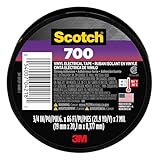
You want something that feels smooth and slightly tacky, that conforms without bunching up. Brands like 3M Super 33+ or Scotch Vinyl Electrical Tape are industry standards for a reason; they perform reliably.
Here’s a quick rundown of what to avoid and what to seek:
- Avoid: Flex Tape, duct tape, packing tape, masking tape, any general-purpose adhesive tape.
- Seek: Specifically labeled ‘Electrical Tape’ or ‘Insulating Tape’, usually made of PVC.
- Check: Look for voltage ratings if available.
- Feel: The tape should be flexible, stretchable, and conformable.
- Application: Wrap with at least 50% overlap, making sure no gaps or wrinkles.
It’s also important to remember that tape is often a temporary fix for minor insulation issues, or used to bundle wires. For any significant damage to wiring, especially to the core conductors themselves, the correct and safest approach is always to repair or replace the damaged section of wire by a qualified electrician. Relying solely on tape, even proper electrical tape, to fix severe damage is asking for trouble. Flex Tape would be an even worse option for this kind of repair.
Can Flex Tape Be Use as Electrical Tape? The Expert Opinion
According to most electrical safety guidelines and manufacturer recommendations for electrical tape, materials like Flex Tape are never recommended for electrical insulation. Electrical tape is manufactured to meet strict dielectric strength, temperature resistance, and flame retardancy standards. Flex Tape, while a solid sealant, does not meet these standards. Using it could lead to short circuits, electrical fires, or electric shock due to its inability to insulate effectively or withstand the heat generated by electrical current. Always use products specifically designed and rated for electrical applications.
Practical Tips for Electrical Tape Use (not Flex Tape!)
When you’re actually using electrical tape for its intended purpose, a few tricks can make the job easier and safer. First, clean the wire. Make sure there’s no dirt, grease, or old tape residue on the area you’re about to wrap. This makes sure the new tape adheres properly. Start wrapping a little before the damaged area, giving yourself a solid anchor point on undamaged insulation. Then, as you wrap, stretch the tape slightly. This stretching activates the adhesive and allows the tape to conform tightly to the wire’s shape, creating a smooth, continuous layer. Overlap each turn by at least half the width of the tape. This prevents any potential pathways for electricity or moisture to penetrate.
When you reach the end of the damaged section, continue wrapping a bit further onto the undamaged wire to create a secure seal. For extra protection, especially on higher-voltage applications or if you’ve had a particularly bad experience with melted tape (like mine!), you can apply a second layer of electrical tape, offset from the first, or even use a layer of heat-shrink tubing over the electrical tape for a truly solid repair.
Some people also like to finish with a wrap of vinyl tape, which is more abrasion-resistant than standard electrical tape, if the wire is in an area where it might get rubbed or chafed. Always make sure the power is completely disconnected before you even think about touching any wires.
Seriously. Double-check. Triple-check. Find the breaker, pull the plug, whatever it takes.
Your life and your home are worth more than a few seconds saved by rushing.
A few do’s and don’ts for good measure:
- DO: Disconnect power completely.
- DO: Stretch the tape slightly as you wrap.
- DO: Overlap each turn by at least 50%.
- DO: Wrap onto undamaged insulation at both ends.
- DO: Consider a second layer or heat shrink for added safety.
- DON’T: Use Flex Tape or any other non-electrical tape.
- DON’T: Rush the job.
- DON’T: Assume a temporary fix is a permanent solution.
I once tried to be clever and use a very thin, high-quality electrical tape on a particularly tight bend in a wire. It seemed like a good idea to avoid bulk. But the thinness meant I had to wrap it more times, and I missed a tiny gap in my overlap. A few weeks later, that section started to get warm. It was a low-power signal wire, but still, it was a wake-up call. The lesson wasn’t that the tape was bad, but that the application and overlap are important. You need that continuous, slightly stretchy barrier. Flex Tape, being so thick and less forgiving, would likely just bunch up and fail spectacularly in such a situation.
Final Thoughts
So, to answer the question that brought you here: can Flex Tape be use as electrical tape? No, absolutely not. It’s a fantastic waterproof sealant and patch, but it’s the wrong tool for the electrical job. You risk short circuits, heat buildup, and potentially fire. Stick to what’s designed for the job. For electrical insulation, that means using proper electrical tape made from PVC, applied correctly with good overlap.
My advice? Keep Flex Tape for its intended uses – leaky pipes, cracked containers, that sort of thing. It’s brilliant for those tasks. But when it comes to anything involving electricity, don’t experiment. Get the right stuff. It’s a small price to pay for safety and peace of mind. I’ve seen too many people learn this lesson the hard way, and honestly, it’s not worth the risk for a few dollars saved.
Next time you face a frayed wire, grab that roll of proper electrical tape. You’ll be glad you did. And if you’re tempted to try Flex Tape for electrical work, just remember this conversation, and your old pal who told you straight: it’s a recipe for disaster.