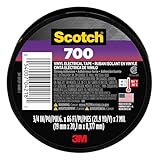
I remember the first time I saw someone trying to fix a cracked plastic bowl with electrical tape and then shoving it in the microwave. My immediate thought was, ‘What are you DOING?’ It felt like a scene out of a bad DIY show. The whole idea of putting something designed to insulate wires into a device that uses radiation to heat food just screams ‘bad idea.’ But curiosity is a powerful, and sometimes dangerous, thing. So, let’s cut to the chase: can I put electrical tape in the microwave? The short, blunt answer is no, you absolutely should not.
This isn’t some corporate disclaimer; it’s born from years of messing around with all sorts of gadgets and materials, and frankly, a few close calls. When something seems off, it usually is. So, before you decide to test the limits of your kitchen appliance with some sticky black vinyl, let’s talk about why this is a terrible plan.
Why Zapping Electrical Tape Is a Recipe for Disaster
Look, we’ve all been there. Something breaks, you need a quick fix, and you look around for whatever’s handy. Maybe you’ve got a rogue wire fraying or a small hole in a container you desperately need to heat up.
Your brain, in its infinite wisdom (or panic), spots that roll of electrical tape. It’s sticky, it’s pliable, and for a split second, it seems like a miracle cure. But here’s the deal: electrical tape is made of polyvinyl chloride (PVC) and is often treated with plasticizers and stabilizers to make it flexible and durable for its intended purpose.
Microwaves, on the other hand, work by bombarding food (or whatever else is inside) with electromagnetic radiation, causing water molecules to vibrate and generate heat. When you introduce PVC into this high-energy environment, things get dicey, fast.
The plasticizers can leach out, the tape itself can degrade, and you’re looking at a potential fire hazard or, at the very least, a mess of melted goo that’s toxic. I once tried to tape up a cracked ceramic mug lid that had a tiny chip, thinking I’d just heat up some water briefly.
The tape didn’t catch fire, thank goodness, but it bubbled up, released a smell that made my eyes water, and left this horrible sticky residue I couldn’t scrub off for days. That was my wake-up call.
Never again.
The common advice is usually to avoid putting plastic in the microwave unless it’s explicitly labeled ‘microwave-safe.’ Electrical tape falls squarely into the ‘absolutely not’ category.
It’s not designed for food contact, and it’s certainly not designed for high-energy radiation. The risk of releasing harmful fumes or even causing a fire is far too great.
Think about it: the tape is designed to insulate electrical components. It’s not made to withstand the intense, uneven heating that happens in a microwave. The heat can cause the PVC to break down, releasing hydrochloric acid fumes, which are corrosive and toxic. Even if it doesn’t ignite, the chemical breakdown is something you definitely don’t want near your food or in your air.
People sometimes think if it’s just a tiny piece, or for a short time, it might be okay. That’s a dangerous assumption.
Even small amounts can degrade and release harmful substances under microwave conditions.
The core issue is material science versus microwave physics. Electrical tape’s molecular structure is not built to withstand the specific stresses of microwave radiation. When that radiation hits the tape, it excites the molecules within the plastic and adhesive.
This can cause them to break apart, melt, or vaporize. The fumes produced are not just unpleasant; they can be genuinely hazardous. Hydrochloric acid, as mentioned, is a byproduct of burning PVC, and while a microwave isn’t technically ‘burning’ it, the breakdown process can yield similar toxic gases. Beyond the fumes, the adhesive can melt and drip, contaminating whatever you’re trying to heat and making a sticky, unusable mess that’s a nightmare to clean.
The tape can also warp, shrink, or even catch fire, posing a significant risk to your appliance and your home. It’s a gamble with very little upside and a whole lot of potential downside. So, the next time you’re tempted, remember that quick fix might lead to a much bigger problem.
What Electrical Tape Is Really for (and What It Isn’t)
Let’s get one thing straight: electrical tape is a brilliant tool for its intended job. It’s designed to insulate and protect electrical wires and connections. Think of it as a protective skin for wires that might be exposed to abrasion, moisture, or minor electrical currents. It’s got a good balance of flexibility, stickiness, and electrical resistance for low-voltage applications.
I’ve used it countless times to secure loose wires on an old appliance, to temporarily fix a frayed power cord before replacing it, or even to bundle cables neatly behind my desk. It’s cheap, it’s readily available, and it does a decent job of keeping things tidy and safe in an electrical context. The rubbery texture feels substantial, and the adhesive is usually strong enough to hold without being impossible to remove later. (See Also: Can I Use Electrical Tape To Connect Wires )
But here’s where the common confusion happens. People see ‘tape,’ and they think ‘general-purpose binder.’
Electrical tape is anything but general-purpose. It’s specialized. Putting it in a microwave is like using a screwdriver to hammer a nail – it’s the wrong tool for the job, and you’re likely to cause damage.
The plasticizers that make it flexible can leech out when heated, and the PVC itself can break down. This isn’t just about melting; it’s about chemical decomposition.
The fumes released can be noxious and potentially harmful. I learned this the hard way when I was trying to fix a cracked plastic handle on a kitchen gadget, and my bright idea was to wrap it in electrical tape and then blast it with a heat gun (not a microwave, but the principle of intense heat applies). The smell was horrendous, like burning plastic mixed with something acrid, and it lingered for days.
It made me realize that the materials in electrical tape are not meant for high heat or prolonged exposure to anything beyond its electrical insulation role. The adhesive can also become a gooey mess, losing its grip and potentially contaminating surfaces.
The key difference lies in the materials and their thermal and chemical stability. Electrical tape is optimized for electrical insulation and moderate environmental conditions.
It’s not formulated to withstand the intense, fluctuating heat generated by microwave radiation, nor is it tested for food safety. When you heat it in a microwave, you’re basically subjecting it to a process that can cause its chemical bonds to break down. This decomposition can release a cocktail of chemicals, some of which are toxic. The adhesive, often a rubber-based or acrylic compound, can also melt and vaporize.
This is why you get that awful smell and why the tape becomes a sticky, unmanageable goo. So, while it’s fantastic for its intended purpose, thinking of it as a universal fix-it solution, especially for high-heat applications like microwave cooking, is a major misstep. Always check the product’s intended use and warnings. If it’s not explicitly marked as microwave-safe, keep it far away from that appliance.
The Science (or Lack Thereof) Behind the Microwave Hazard
Microwave ovens aren’t just glorified toasters. They use a magnetron to generate microwaves – a form of electromagnetic radiation. These waves bounce around inside the oven and interact with water, fats, and sugars in food, causing them to vibrate rapidly.
This vibration is what generates heat. The process is surprisingly effective, but it’s also indiscriminate. Anything with polar molecules, including many plastics and their additives, can absorb microwave energy and heat up, potentially to destructive levels. Electrical tape, with its PVC base and plasticizers, is a prime candidate for this kind of energetic interaction.
The plasticizers, often phthalates, are added to make the PVC flexible. These are not bound tightly to the PVC polymer chain and can leach out when heated. In a microwave, the energy absorbed by the tape can accelerate this leaching process, sending these chemicals into the air as fumes or onto any surface it touches.
This isn’t just theoretical. The breakdown of PVC under heat is a well-documented chemical process. When heated to decomposition temperatures, PVC releases hydrogen chloride gas (HCl).
This gas is corrosive and toxic. While a microwave might not always reach the temperature needed for full decomposition, the intense, localized heating that can occur, coupled with the specific wavelengths of microwaves, can still initiate significant chemical changes.
I remember a colleague who, in a moment of desperation trying to repair a cracked plastic drawer organizer for a lunchbox, briefly microwaved it after wrapping a section with electrical tape. The resulting acrid smell was so potent that they had to air out the entire office for an afternoon. The tape hadn’t even caught fire, but the chemical reaction it underwent was clearly hazardous.
It’s not just about a bad smell; it’s about releasing potentially harmful byproducts into the air you breathe and onto surfaces that might come into contact with food.
Beyond the chemical breakdown, there’s the physical aspect. The adhesive on electrical tape is designed to be sticky at room temperature and moderately warm conditions.
Microwaves can superheat the tape and adhesive unevenly. The adhesive can melt into a liquidy mess, dripping and spreading. This molten goo is not only incredibly difficult to clean from the microwave cavity but can also permanently damage the plastic surfaces or even the turntable. (See Also: Can Electrica Tape Catch On Fire )
Furthermore, the rapid heating and cooling cycles within a microwave can cause the tape to warp, bubble, or even tear, compromising its insulating properties and potentially exposing underlying materials to further damage. The entire process is a recipe for creating a toxic environment within your microwave and potentially damaging the appliance itself. It’s the kind of mistake that could cost you a microwave or, worse, expose you to harmful chemicals. This is why manufacturers of both electrical tape and microwaves are very clear about what can and cannot go inside.
Common Mistakes and Why They’re Deadly
One of the most dangerous misconceptions is that if something isn’t immediately bursting into flames, it’s probably fine. People see electrical tape as just a strong, sticky plastic. They think, ‘It’s not metal, so it’s microwave-safe.’ This is a colossal error.
The danger isn’t always a dramatic fire; it’s often a slow degradation releasing toxic fumes or creating a sticky, contaminated mess. I’ve heard stories, and frankly, I’ve been guilty of similar ‘quick fixes’ in my pre-microwave-awareness days.
I once tried to tape a small crack in a plastic food container lid that I needed to reheat soup in. My thought process was, ‘It’s just a tiny bit of tape, and it’s not even touching the soup directly.’ Big mistake. The tape didn’t ignite, but it bubbled, the adhesive oozed, and the whole thing smelled like a chemical factory.
The soup tasted faintly of burnt plastic, and I immediately threw out the container and spent an hour scrubbing the microwave. That was enough for me to learn my lesson. The common mistake is underestimating the chemical reactivity of the tape under microwave conditions.
Another mistake is believing that ‘microwave-safe’ labels are optional or overly cautious. For plastic containers, these labels indicate that the plastic has been tested and is formulated to withstand microwave temperatures without leaching harmful chemicals or degrading. Electrical tape, by definition and design, is not subjected to these tests.
Its purpose is insulation, not heat resistance in a food preparation environment. So, if a plastic item doesn’t have that ‘microwave-safe’ symbol, it’s best to err on the side of caution. Trying to ‘seal’ something with electrical tape for reheating is a classic blunder.
You’re not sealing it; you’re introducing a hazardous material into the heating process. The tape can melt, break down, and contaminate your food with plasticizers and other chemicals. This can have long-term health implications, as some of these chemicals are endocrine disruptors.
I’ve seen people try to patch up leaky plastic bags or containers with it, thinking they’re being resourceful. It’s not resourceful; it’s risky.
The third common mistake is the ‘just a little bit’ or ‘just for a few seconds’ excuse. Even a small piece of electrical tape, exposed to microwave radiation for a short period, can begin to degrade and release harmful substances. The energy in microwaves is potent, and it doesn’t discriminate based on the size of the object.
It interacts with the molecular structure of the material. For PVC, this interaction can initiate the breakdown process, releasing toxic fumes. Think of it like this: you wouldn’t pour a tiny bit of bleach into your soup, even if it’s just a drop, because you know it’s toxic.
The same principle applies here, even if the immediate visual danger isn’t as obvious. The fumes might be invisible, and the contamination might be subtle, but the risk is very real.
My advice? If it’s not explicitly labeled ‘microwave-safe,’ keep it out. Period.
It’s not worth the gamble on your health or your appliance.
What to Use Instead: The Right Tools for the Job
So, if you can’t use electrical tape, what should you do when you need to seal, fix, or secure something that’s going into the microwave? The answer is simple: use materials that are actually designed for the job.
For repairing cracked plastic containers, the best bet is to replace them. Most plastic food containers are relatively inexpensive, and trying to mend them with anything other than specialized plastic repair kits (which are usually not microwave-safe anyway) is a false economy.
If it’s a tiny crack in a non-food-contacting part of a microwave-safe container, and you absolutely must use it temporarily, skip the tape and look for microwave-safe adhesives or sealants specifically designed for plastics, though finding one that’s also microwave-safe is rare. Honestly, the easiest and safest solution is to get a new container. (See Also: Can I Substitute Duct Tape For Electrical Tape )
My rule of thumb is: if it’s cracked, it’s probably time to toss it.
When it comes to securing or bundling items within the microwave for cooking purposes, there are safe options. If you need to tie something, use kitchen twine or food-grade silicone ties.
These materials are designed to withstand moderate heat and won’t break down into toxic substances. For keeping food covered, use microwave-safe plastic wrap (make sure it’s labeled as such and doesn’t touch the food directly if possible), microwave-safe lids, or even a damp paper towel. These are all tested and approved for use in microwave ovens. I’ve found that investing in a set of good quality, microwave-safe glass or BPA-free plastic containers with lids has saved me a lot of hassle and worry.
They hold up better, are easier to clean, and I don’t have to second-guess whether they’re safe to heat up.
If you’re dealing with a temporary fix for something outside the microwave, but you need it to withstand heat, think about the environment. For general repairs around the house that might involve heat but not microwave radiation, silicone tapes (often red or gray) can be a good option for sealing, wrapping, or bundling.
They are heat-resistant to a degree, but again, they are NOT for microwave use. For electrical repairs, always use proper electrical tape and make sure the appliance is unplugged. If you’re trying to fix something that will go in the microwave, the safest answer is almost always to replace it.
Don’t risk contaminating your food or damaging your appliance with a makeshift repair. It’s about using the right tool for the right job, and electrical tape just isn’t built for the microwave environment. The initial cost of replacement is minimal compared to the potential health risks or the cost of a new microwave.
Can Electrical Tape Catch Fire in a Microwave?
Yes, electrical tape can potentially catch fire in a microwave. The intense electromagnetic radiation can cause the plastic and adhesives to overheat rapidly, leading to ignition, especially if there are any imperfections or contaminants present. This is a serious fire hazard that can damage the appliance and pose a risk to your home.
What Happens If You Microwave Electrical Tape?
If you microwave electrical tape, it will likely overheat, melt, and degrade. This process can release toxic fumes, such as hydrochloric acid, and the adhesive can become a gooey mess. In severe cases, it can cause arcing, damage the microwave’s internal components, or even start a fire.
Is Electrical Tape Toxic If Microwaved?
Yes, microwaved electrical tape is toxic. The breakdown of the polyvinyl chloride (PVC) and the plasticizers in the tape can release harmful chemical fumes into the air and contaminate any surfaces it touches. These fumes can be irritating to the respiratory system and potentially have long-term health effects.
Can I Use Electrical Tape to Seal a Container Before Microwaving?
No, you should absolutely never use electrical tape to seal a container before microwaving. Electrical tape is not designed for food contact or microwave use. It will likely melt, degrade, and release toxic chemicals into your food, posing a health risk.
Microwave-Safe Materials: A Quick Comparison
When it comes to what you can safely put in your microwave, it’s all about the material. Not all plastics are created equal, and metal is a definite no-go (unless specifically designed for microwave use, like some browning dishes). Here’s a breakdown of common materials and my general verdict:
| Material | Microwave Safe? | My Verdict / Notes |
|---|---|---|
| Glass (plain) | Yes | Excellent. Durable, easy to clean, doesn’t leach chemicals. Great for reheating. |
| Ceramics (plain, no metallic trim) | Yes | Good, but check for cracks. Metallic trim will arc violently. |
| Microwave-Safe Plastics (labeled) | Yes | Look for the symbol! BPA-free is best. Avoid older, scratched, or stained plastics. |
| Paper/Cardboard (plain, no wax/plastic coating) | Yes (short periods, low power) | Okay for quick reheating, but watch for browning or fire risk with greasy foods. No recycled paper with metallic flecks. |
| Aluminum Foil | No (mostly) | Big NO. Will arc and cause fires. Exception: manufacturer-approved small shielding is rare but exists. Don’t experiment. |
| Plastic Wrap (labeled microwave-safe) | Yes (with caveats) | Make sure it doesn’t touch food directly. Can melt if it touches hot food. |
| Electrical Tape | ABSOLUTELY NOT | Fire hazard, toxic fumes, melts into a mess. Never, ever put it in a microwave. |
| Regular Plastic Bags | No | Designed for storage, not heating. Can melt and leach chemicals. |
The key takeaway here is that materials designed for microwave use are engineered to withstand the specific electromagnetic radiation and heat without breaking down or releasing harmful substances. Electrical tape is designed for electrical insulation, a completely different set of environmental pressures. So, sticking to clearly labeled microwave-safe items is not just about following rules; it’s about practical safety and preventing a potential disaster.
Final Thoughts
So, to loop back to the original question: can I put electrical tape in the microwave? The answer remains a resounding and unequivocal no. It’s a fire hazard, a source of toxic fumes, and a guaranteed way to make a sticky, unfixable mess of your appliance and potentially your food. The temptation for a quick fix is understandable, but the risks associated with microwaving electrical tape far outweigh any perceived benefit.
When you’re heating food, safety should always be your top priority. Stick to materials that are clearly marked as microwave-safe, and when in doubt, err on the side of caution. Replacing a cracked container is a far better option than risking your health or the integrity of your microwave. Think of it as an investment in your well-being and your kitchen appliances.
Next time you’re tempted to reach for that roll of black tape near the microwave, pause. Remember the potential consequences. Your kitchen, your health, and your appliances will thank you for making the safer choice. It’s a simple principle: use the right tool for the right job, and electrical tape just isn’t meant for the inside of a microwave oven.