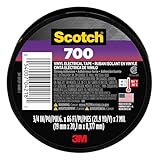
I remember staring at my dad’s old Ford pickup truck, a rusty beast that sputtered more than it ran. The battery terminals were practically fused with a fuzzy, green crust. He’d grab a roll of black tape, wrap it around the posts, and declare it “good as new” for another few months. It always seemed like a hack, a temporary fix for a problem that really needed a proper solution. So, the question that always lingered was, can I put electrical tape on my car battery? The short answer is… well, it’s complicated, and probably not what you want to hear.
Look, we’ve all been there. You’re trying to get a bit more life out of something, or you’re short on cash, and you’re looking for the cheapest, quickest way to solve a problem. Electrical tape is cheap, it’s readily available, and it’s designed to insulate. Seems like a no-brainer, right?
But when it comes to something as vital as your car’s electrical system, cutting corners can cost you more in the long run. Let’s break down why slapping some tape on those terminals might seem like a good idea, and why it’s usually not.
Why That Electrical Tape Fix Looks Tempting (but Isn’t)
The appeal of using electrical tape on your car battery terminals is simple: it’s a readily available, cheap insulator. When you see corrosion – that chalky white or greenish buildup – it’s basically a chemical reaction between the battery acid, metal, and the air. This corrosion can impede the flow of electricity, making it harder for your car to start, or even causing electrical gremlins to appear. Your first thought might be, ‘I need to stop this reaction!’ and electrical tape, being an insulator, seems like the perfect tool.
The idea is that by wrapping the tape around the corroded terminals, you’re creating a barrier. This barrier, in theory, would prevent further oxidation and stop the corrosive material from spreading. It might even look like it’s working for a short while. You might experience a slightly smoother start, or the corrosion might seem to recede a bit. It gives you that fleeting satisfaction of having solved a problem with minimal effort and expense. I’ve definitely been in situations where I thought, ‘This has got to work,’ and slapped some tape on, only to be disappointed later.
But here’s the kicker: electrical tape isn’t designed for this kind of sustained, high-demand environment. Car batteries operate under a wide range of temperatures, from freezing cold to scorching heat. They also vibrate constantly as you drive. Standard electrical tape, especially the cheap stuff, can become brittle in the cold, gummy in the heat, and it’s not particularly adhesive when subjected to constant movement. The sticky backing, which is usually rubber-based or acrylic, can dry out and peel away, leaving exposed terminals again. Plus, the tape itself can degrade from battery acid fumes, losing its insulating properties over time.
Furthermore, it doesn’t actually address the root cause of the corrosion. It’s like putting a Band-Aid on a broken bone. While it might cover the immediate issue, it’s not fixing the underlying problem. Battery terminals corrode because of a chemical imbalance, often due to gassing from the battery itself or external contaminants. Simply covering it up doesn’t neutralize the acid or remove the existing buildup, which is what you really need to do for a lasting solution. It’s a cosmetic fix, and a temporary one at that.
The Real Problem: Corrosion and Why Tape Fails
Let’s get down to brass tacks about this corrosion business. It’s not just unsightly; it’s actively detrimental to your car’s electrical system. When you see that white or greenish powder on your battery terminals, that’s sulfuric acid and lead sulfate crystals. These two battery posts are where the magic happens, transferring the massive electrical charge needed to crank your engine and power all your accessories. Anything that gets between the terminal and the clamp is a roadblock.
Corrosion acts like a resistor. The more it builds up, the harder it is for electricity to flow. This means less power gets to your starter motor, leading to slow cranking or no-start situations. It can also cause intermittent electrical issues – lights flickering, dashboard warnings popping up for no reason, or accessories cutting out. I once had a dashboard light that would only come on when I hit a bump, and it turned out to be a corroded battery terminal connection causing a poor ground. Took me ages to figure out.
Now, why does electrical tape fail miserably at stopping this? Firstly, it’s not a permanent seal. As I mentioned, temperature fluctuations and vibrations will eventually loosen its grip. Think about it: your car is a constant battlefield of heat, cold, and jostling. A roll of vinyl tape isn’t built for that kind of abuse. The adhesive will lose its tack, and the tape itself can crack or become brittle. You might get lucky for a few weeks, maybe a couple of months if you live in a very temperate climate and don’t drive much, but it’s a ticking time bomb. (See Also: Can I Use Electrical Tape To Connect Wires )
Secondly, and more importantly, electrical tape doesn’t neutralize the acid or prevent further chemical reactions. The corrosive compounds will continue to form underneath the tape, especially if there are tiny gaps or if the tape starts to peel. It’s like putting a plastic sheet over a puddle; the puddle is still there, and it’s still spreading. The real fix involves cleaning the terminals thoroughly and applying a protective coating that actively prevents further corrosion. Electrical tape just… sits there. It’s a passive bystander, not an active solution. It doesn’t stop the chemical reaction; it merely covers it temporarily, and often ineffectively.
Alternatives That Actually Work (and Aren’t That Expensive)
Okay, so electrical tape is a bust. What should you be doing instead? Thankfully, the proper solutions aren’t rocket science and won’t break the bank. My go-to method, and what I recommend to anyone who asks, involves a bit of elbow grease and the right products.
First, you need to clean those terminals. You can use a wire brush specifically designed for battery terminals, or even a stiff brush and a baking soda and water paste. Mix about a tablespoon of baking soda with a cup of water, and use that to scrub away the corrosion. Make sure you disconnect the battery cables first – negative terminal first, then positive. Once cleaned, rinse with a little clean water and dry everything thoroughly. A clean rag or compressed air works wonders.
Now for the protection. This is where the real solutions lie. The best thing you can do is apply a dielectric grease or a battery terminal protector spray. Dielectric grease is a non-conductive silicone-based lubricant. You smear a thin layer on the clean battery posts and the inside of the cable clamps. It creates a watertight seal, preventing moisture and air from reaching the metal, thus inhibiting corrosion. It’s also designed to withstand high temperatures and vibration. I’ve used this stuff for years, and it makes a noticeable difference in preventing that fuzzy buildup from returning.
Battery terminal protector sprays are also excellent. These are typically aerosol cans that spray on as a liquid and dry into a protective film. They offer similar protection to dielectric grease. The key is that they are specifically formulated to protect battery terminals from corrosion and maintain electrical conductivity. They’re easy to apply – just spray a light coat after cleaning and drying.
Another option, though less common for DIYers, are anti-corrosion washers. These are small felt or plastic rings soaked in a corrosion inhibitor that you place between the terminal and the clamp. They work by releasing a chemical that prevents oxidation. They’re cheap and easy to install, but the grease or spray offers a more complete barrier in my experience.
Here’s a quick rundown of what to look for:
| Product Type | Pros | Cons | My Verdict |
|---|---|---|---|
| Dielectric Grease | Excellent protection, high temp/vibration resistant, lasts long. | Can be a bit messy to apply, requires direct application. | Top-tier. My go-to for a reliable, long-lasting fix. |
| Battery Terminal Protector Spray | Easy to apply, forms a solid protective layer, good visibility. | May need reapplication sooner than grease, can be overkill for simple jobs. | Great alternative, especially if you prefer spray application. Quick and effective. |
| Anti-Corrosion Washers | Simple to install, inexpensive, requires no direct handling of chemicals. | May not offer as complete a seal as grease or spray, can degrade over time. | Decent budget option, but I’d opt for grease or spray for better peace of mind. |
| Electrical Tape (the subject!) | Cheap, readily available, insulates temporarily. | Ineffective long-term, degrades, doesn’t address root cause, can cause more problems. | Avoid at all costs for battery terminals. It’s a hack, not a solution. |
Common Mistakes When Dealing with Battery Terminals
Beyond the obvious mistake of using electrical tape, there are other pitfalls people fall into when trying to manage their car batteries. One of the biggest is not disconnecting the battery properly. Always, and I mean always, disconnect the negative (black) cable first, then the positive (red) cable. When reconnecting, do the positive first, then the negative. Reversing this order can cause a short circuit, potentially frying your car’s electronics or even causing a battery explosion. It’s a simple rule, but one that’s absolutely important for your safety and your car’s health.
Another common error is over-cleaning or damaging the battery posts and clamps. When you’re scrubbing away corrosion, be firm but gentle. You don’t want to gouge out metal or deform the posts. The clamps that connect to the battery also need to be clean. If you’re just cleaning the posts and not the inside of the clamps, you’re still introducing resistance into the connection. A good wire brush for both parts is key. I learned this the hard way when I once used something too abrasive on a terminal and ended up making the connection even worse for a while. (See Also: Can Electrica Tape Catch On Fire )
People also tend to over-tighten the battery cable clamps. When you tighten them down, you just need them to be snug. Overtightening can deform the clamps, making it difficult to get a good connection later or even cracking the lead post itself. The goal is firm contact; you don’t need to Hercules them down. A good rule of thumb is to tighten until you feel resistance, then give it just a quarter or half turn more. If you’re unsure, err on the side of less tight – you can always tighten it a bit more if you experience issues.
A less obvious mistake is ignoring the battery vent caps, if your battery has them. Some older or certain types of batteries have removable caps that allow you to check the electrolyte levels. If the fluid is low, topping up with distilled water (never tap water or acid!) can improve battery performance and longevity. If you’re just sealing everything up with tape or grease and ignoring the internal health of the battery, you’re missing a piece of the puzzle. While not every modern battery has these, it’s worth knowing if yours does.
Is It Ever Okay? The Very Niche (and Risky) Scenarios
Okay, let’s address the elephant in the room. Is there any situation where putting electrical tape on a car battery terminal might be considered, even for a moment, a semi-valid temporary fix? Honestly, I struggle to think of a scenario where it wouldn’t be a terrible idea, but let’s entertain the notion for the sake of thoroughness. If you were stranded in the absolute middle of nowhere, with no tools, no access to proper supplies, and the only thing preventing your car from starting was a very minor, superficial bit of corrosion that you thought tape might temporarily bridge – maybe, just maybe, you might consider it.
But even then, the risks far outweigh any potential, fleeting benefit. The tape could fail immediately. It could melt. It could exacerbate the corrosion by trapping moisture. You could end up in a worse situation than you started. It’s the automotive equivalent of using chewing gum to fix a leaky radiator hose – it might hold for a minute, but it’s going to fail spectacularly when you need it most. The forces and conditions under the hood of a car are brutal on materials. Electrical tape is designed for clean, dry electrical connections in wall outlets or junction boxes, not for the acidic, vibrating, temperature-swung environment of a car battery.
I’ve heard stories, and I’ve seen some truly bizarre temporary fixes in my time. Some people might use it to temporarily insulate a loose connection that’s arcing, hoping to get a short distance to a repair shop. But even then, there are specialized products for temporarily securing loose wires that are far safer and more effective. The risk of fire or further damage is just too high with electrical tape. It’s a material that degrades easily and doesn’t offer any real structural or chemical protection in this context. It’s a visual illusion of a fix.
The consensus among anyone who actually works on cars, from backyard mechanics to seasoned pros, is a resounding ‘no’. If you’re in a pinch and need a very temporary fix to get you a mile down the road, your best bet is often to use something like dielectric grease if you have it, or even a bit of petroleum jelly if desperate, applied after cleaning. But electrical tape? It’s a product for wiring, not for battery terminals. It’s a trap that promises simplicity but delivers failure.
A Practical Tip: Battery Terminal Cleaners and Protectors
To wrap up the practical side of things, let me strongly recommend keeping a battery terminal cleaning kit and a can of protector spray or a tub of dielectric grease in your garage or even your car’s toolkit. These kits are incredibly inexpensive and often come with a small wire brush tool that fits right over the battery posts and clamps. They are designed specifically for this task.
Cleaning the terminals is a simple process, but it makes a huge difference. You can do it with just the brush and maybe some baking soda and water if the corrosion is bad. After you’ve scrubbed everything clean and dry, apply your chosen protective coating. For dielectric grease, use a small amount – you don’t need to slather it on thick. Just a light, even coating on the posts and inside the clamps is sufficient. For the spray, follow the instructions on the can, but generally, a light, even coat is all that’s needed.
Doing this periodically, perhaps once a year or whenever you notice any signs of corrosion starting, will save you a lot of headaches. It makes sure a good, solid electrical connection, which means your car will start reliably and your electrical system will function as it should. It prevents those mysterious electrical gremlins that can plague a poorly maintained battery connection. I’ve seen cars with batteries that look pristine for years, and it’s always because the owner has taken the few minutes needed to clean and protect the terminals. It’s a small effort for a big payoff. (See Also: Can I Substitute Duct Tape For Electrical Tape )
Frequently Asked Questions About Car Battery Tape
Can Electrical Tape Short Circuit a Car Battery?
While electrical tape itself is an insulator, its adhesive can degrade and the tape can peel or crack. If it comes loose, it could potentially fall and bridge a connection, causing a short circuit. More likely, however, is that it fails to provide a good enough connection if used to hold a loose terminal in place, leading to arcing and potential damage.
Will Electrical Tape Stop Battery Corrosion?
No, electrical tape will not stop battery corrosion. It’s a temporary cosmetic cover that doesn’t address the chemical reaction causing the corrosion. The corrosive elements will continue to form underneath the tape, and its insulating properties will degrade over time, especially in the harsh under-hood environment.
What Is the Best Temporary Fix for Corroded Battery Terminals?
The best temporary fix after cleaning the terminals is to apply a thin layer of dielectric grease or petroleum jelly. These create a barrier against moisture and air. A battery terminal protector spray is also a good option. Electrical tape is NOT a recommended temporary fix due to its unreliability and potential to cause further issues.
How Often Should I Clean My Car Battery Terminals?
You should check your car battery terminals for corrosion at least once a year, typically during routine maintenance or oil changes. If you live in a climate with extreme temperature fluctuations or high humidity, or if you notice any signs of corrosion, you may need to check them more frequently, possibly every six months.
Can I Use Regular Tape on My Car Battery?
No, you absolutely should not use regular household tape, duct tape, or any other non-electrical tape on your car battery terminals. These tapes offer no reliable insulation, will degrade rapidly under heat and vibration, and can leave sticky residue that attracts dirt and further impedes connections.
Verdict
So, to directly answer the nagging question: can I put electrical tape on my car battery? The answer is a firm ‘no.’ While it might seem like a quick and cheap fix, it’s a band-aid on a bullet wound. It doesn’t solve the underlying problem of corrosion, and it’s not built to withstand the harsh conditions under your hood. You’re far more likely to cause further problems or have it fail when you least expect it.
Save yourself the potential headache and expense. Invest a few bucks in a proper battery terminal cleaning brush and some dielectric grease or protector spray. It takes just a few minutes, and the peace of mind knowing your car’s electrical system is properly connected is well worth it. I’ve learned the hard way that some shortcuts just aren’t worth taking.
Next time you see that fuzzy white stuff on your battery posts, grab the right tools. Your car’s starter motor will thank you.